
Why is Fable a Keynesian?

Why is Fable a Keynesian? 图片 1
Why is Fable a Keynesian? 图片 2
Why is Fable a Keynesian? 图片 3
Why is Fable a Keynesian? 图片 4

Today’s post is brought to you by my sponsor, Mechanize. They’re hiring junior software engineers at $300K/year base salary. Apply now!

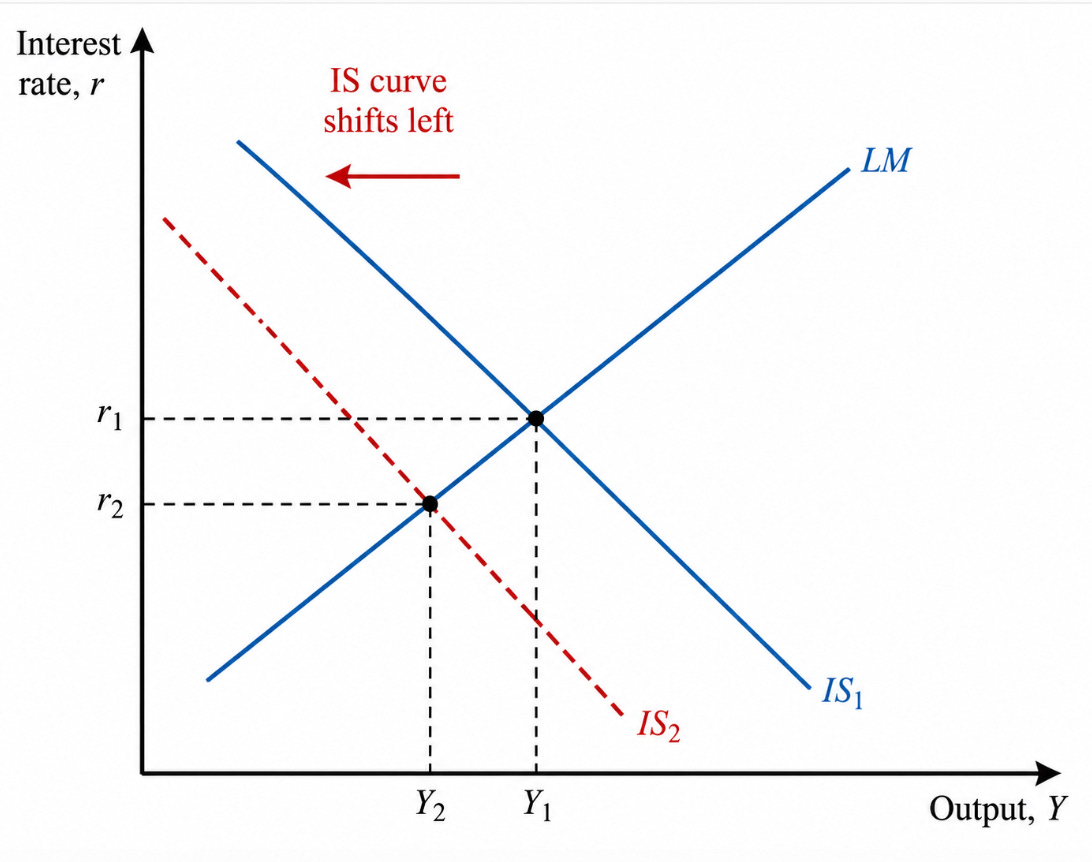
I had planned to do a follow-up post to my recent interaction with Fable on market monetarism, then decided that before doing so I first need to discuss why Fable and I approach macroeconomics from different perspectives. I am not a monetarist in the strict sense of favoring money supply targeting, but I do use a broadly monetarist approach to macro. Fable uses a broadly Keynesian approach, perhaps better described as New Keynesian.

Because advanced AIs train on vast range of economic research, you’d expect them to use an approach that is similar to the consensus view of economists. So it is no surprise that Fable is Keynesian, as that basic approach is much more popular than monetarism. I will try to explain why Fable is mostly Keynesian by showing how the economics profession came to adopt the Keynesian approach.

Part 1: The Monetarist and Keynesian approaches

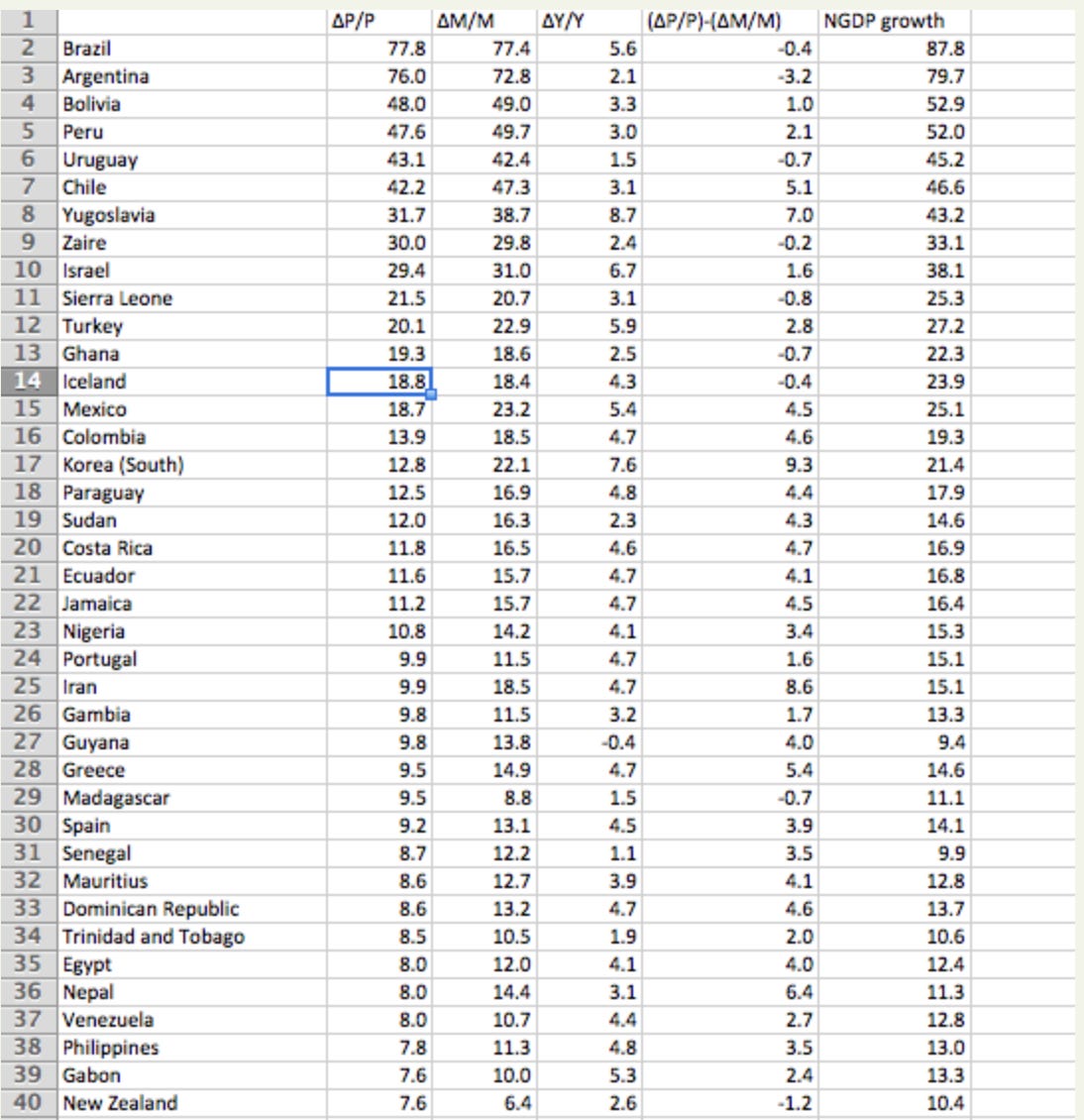
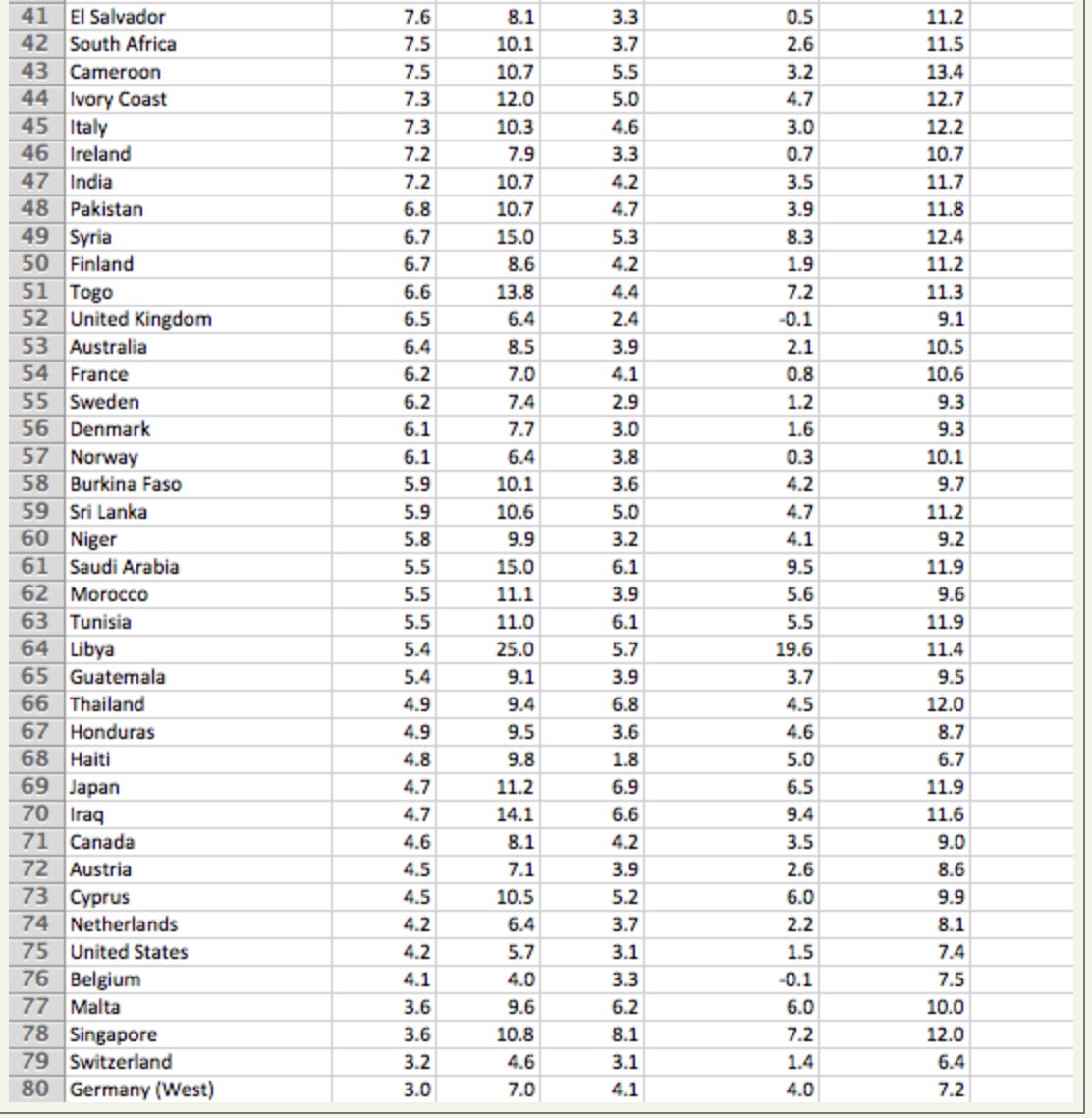
I keep using the term “approach”, which is rather vague, so let me be a bit more specific. Monetarists try to explain movements in nominal aggregates such as the price level and NGDP by looking at changes in the supply and demand for money:

price level = (nominal money supply)/(real money demand) = Ms/md

NGDP = (nominal money supply) x (velocity) = Ms/(1/V) = Ms/k

where “k” is the share of NGDP held as money balances. Thus md and k are two ways of defining money demand. Think of md as the total purchasing power of the public’s money holdings, and k as the share of gross income the public chooses to hold as money.

In plain English, the rate of inflation is the percentage change in the money supply minus the percentage change in real money demand. If they change at exactly the same rate, the price level is stable.

The percentage change in NGDP is the percentage change in the money supply minus the percentage change in the share of NGDP that the public holds as…

添加评论
点赞收藏
点踩分享查看原文
评论
?
参与讨论