Modi’s Grand Design for Reform During Monsoon Session

ON THE EVENING OF APRIL 17, SOON AFTER THE Constitution (131st Amendment) Bill was defeated in Lok Sabha, the sense of triumph in the I.N.D.I.A. bloc was plainly evident. Congress leader Rahul Gandhi appeared pleased with his speech on the lessons his grandmother, Indira Gandhi, taught him about conquering inner fears. The Dravida Munnetra Kazhagam (DMK) group looked relieved with seniors Kanimozhi and Dayanidhi Maran chatting with party MPs. Rashtriya Loktantrik Party’s Hanuman Beniwal and Bharat Adivasi Party’s Rajkumar Roat—strongly aligned against BJP—were in a celebratory mood. Trinamool Congress’ Mahua Moitra could be seen animatedly talking to Rahul and Priyanka Gandhi.
The mood in the BJP benches was more thoughtful. This was the first time, since the National Democratic Alliance (NDA) government assumed office in 2014, that a legislation had fallen in Parliament. Was the decision to force a vote on the ambitious plan to link the rollout of 33 per cent reservation for women in legislatures with a delimitation exercise based on the 2011 Census to raise Lok Sabha’s strength to a maximum of 850 a miscalculation? BJP MPs pondered whether the failure of the Constitution amendment to secure the support of two-thirds of the House present and voting exposed the limits of the party’s numbers in the 18th Lok Sabha. The decision of DMK and Trinamool to oppose the proposals was certainly driven by electoral considerations, as Tamil Nadu and West Bengal were due to vote soon. But they were also propelled by a strident opposition to BJP, and in the case of DMK, also by a close alliance with Congress. Opposing the Centre, privileging regional identity and attacking BJP’s advocacy of Hindutva was a core mantra.
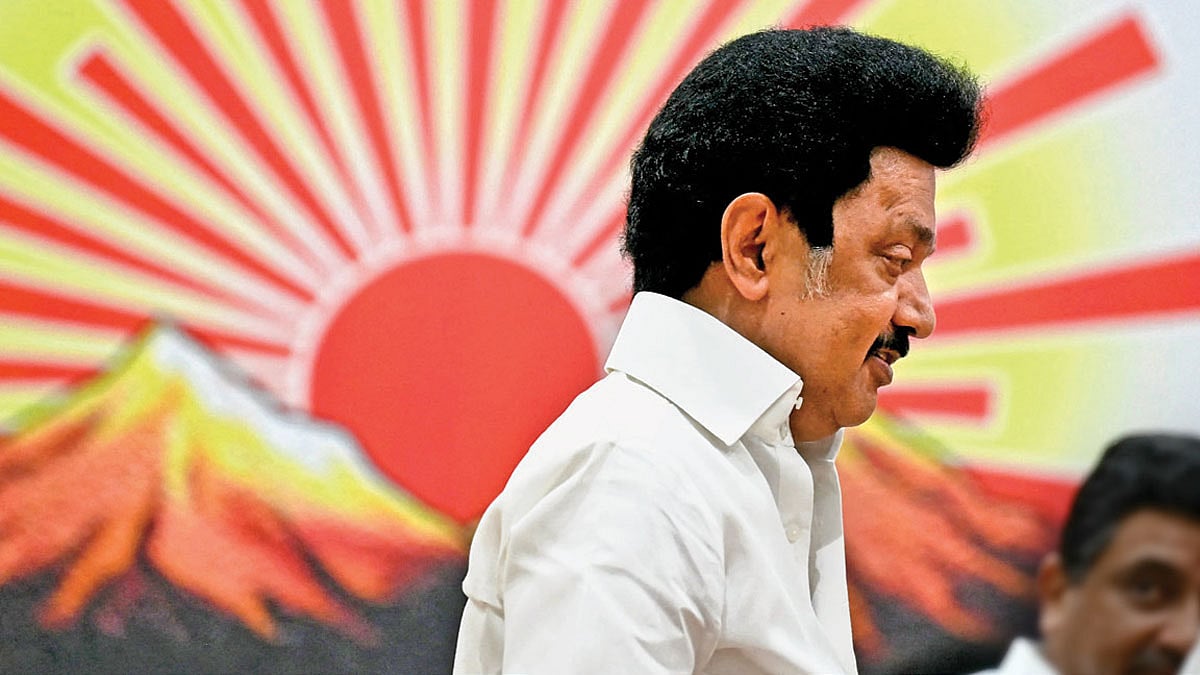
DMK leader MK Stalin warned BJP not to “play with fire” and symbolically burnt a copy of the Constitution Amendment Bill. If DMK and Trinamool felt it was important to deny BJP a major “victory” ahead of voting, things did not go as per plan. It is clear that voting against the proposals did them no good at all. Trinamool Congress was voted out by a saffron tsunami, ending 15 years in office and in Tamil Nadu, actor Joseph Vijay inflicted a humiliating loss on DMK and reduced the All-India Anna Dravida Munnetra Kazhagam (AIADMK) to an inconsequential sideshow. The electoral results of May 4 delivered major gains to BJP, which retained Assam and Puducherry and wrested West Bengal, reinforcing its status as India’s premier political force. The results further wiped out the deficit of a subpar 2024 Lok Sabha score. BJP well and truly turned the corner, and the I.N.D.I.A. bloc stood seriously weakened as Trinamool and DMK, along with Samajwadi Party, had been the core of the vocal numerical resistance to BJP in Parliament. In a matter of weeks, the heated debate on whether the gambit of calling a special session of Parliament in the midst of state elections was a good call or not was decisively settled.
The changed situation has emboldened the Modi government to plan another stab at the political reforms that are at the dead centre of its 2029 Lok Sabha elections. The Constitution amendment aims to delink the delimitation exercise from the delayed Census currently in progress. This is crucial to roll out the Nari Shakti Vandan Adhiniyam Act passed in September 2023—the first legislation to be voted on in the new Parliament. The long-delayed legislation had been deeply opposed by male MPs across parties as they feared their constituencies could become “reserved” for women in a lottery draw. The Modi government’s proposal seeks to protect the existing number of “general” seats and raise the strength of Lok Sabha to 816. This would add seats to be set aside for women and also, as per the calculation, ensure at least a 50 per cent increase for all states. The 50 per cent clause, as Home Minister Amit Shah explained during the special session, was not plucked out of thin air. It was intended to quieten concerns that South Indian states would be ‘losers’ as they have registered a steeper fall in fertility rates and would be effectively punished for achieving family planning goals. The formulation offered the best possible deal for southern states as the current Census will almost certainly confirm the trend of a declining population ratio vis-à-vis North India.
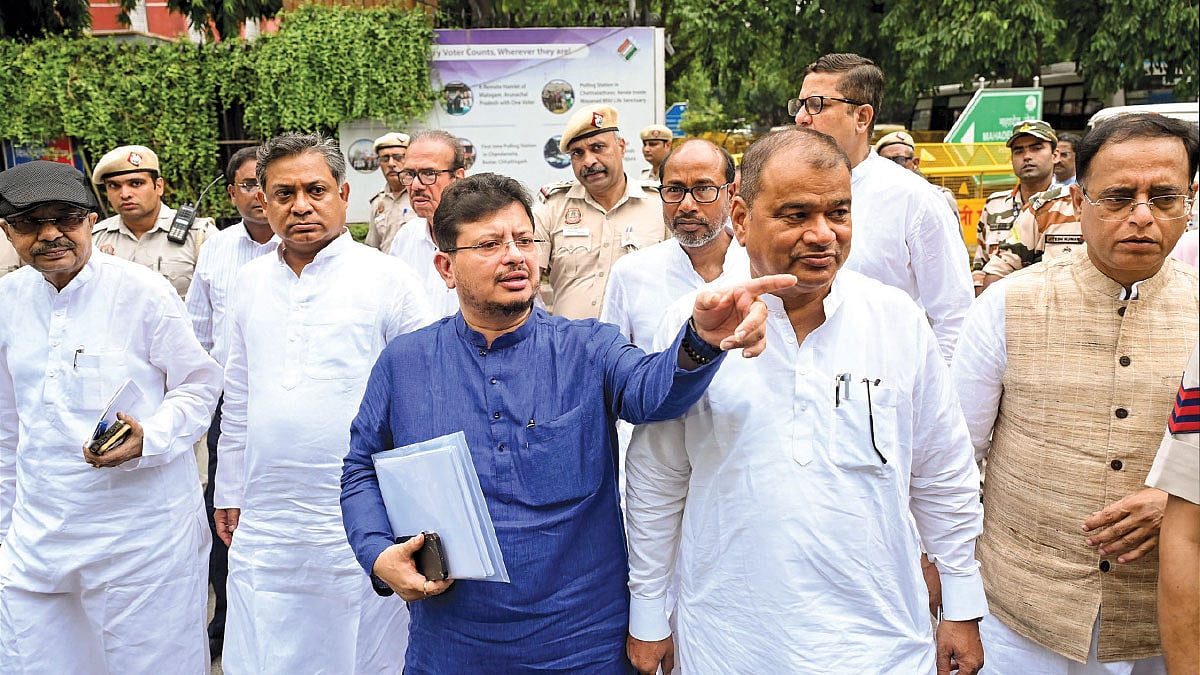
The Trinamool faction led by Ritabrata Banerjee in New Delhi, July 2, 2026 (Photo: ANI)
In April, NDA fell short by 54 votes with 528 MPs present in the House. The current strength of Lok Sabha is 540—there are three vacancies— and this sets the two-third vote required to pass a Constitution amendment at 360. That is the magic number NDA managers have been working on achieving almost since the May 4 Assembly results were announced. In the past, the stratagem of non-BJP MLAs resigning to reduce the majority mark was resorted to in Karnataka, where BJP ended just seven short of a majority after the 2018 state polls, but to its chagrin found itself in the
opposition with second and third finishers, Congress and Janata Dal (U) joining hands to form the government. This tactic earned the moniker ‘Operation Lotus’ and was replicated elsewhere as well. A version of this was evident after the Tamil Nadu election, with some AIADMK legislators resigning their seats to presumably contest as ruling Tamilaga Vettri Kazhagam (TVK) nominees. The tactic was in play in the recent Rajya Sabha elections as well, with three Trinamool Congress MPs quitting their seats and being promptly re-nominated as BJP candidates. BJP managers are not banking on such calculations in the Lok Sabha where a bold plan appears to have placed the two-thirds mark within their reach. The operation revolves around the altered composition and dynamics of Lok Sabha where 20 of 28 Trinamool MPs have broken away to claim merger with what was, till a few weeks ago, an obscure party called the Nationalist Citizens Party of India (NCPI), and which has sought separate seating arrangements in the House. The tremors of the splits in Trinamool both at the state and in Parliament were further amplified with six of nine Shiv Sena (Uddhav Thackeray) MPs jumping ship and joining the Shiv Sena led by Maharashtra Deputy Chief Minister Eknath Shinde. The rapid developments were crushing blows for Mamata Banerjee and Uddhav Thackeray, but also exposed the rifts wracking the I.N.D.I.A. bloc.
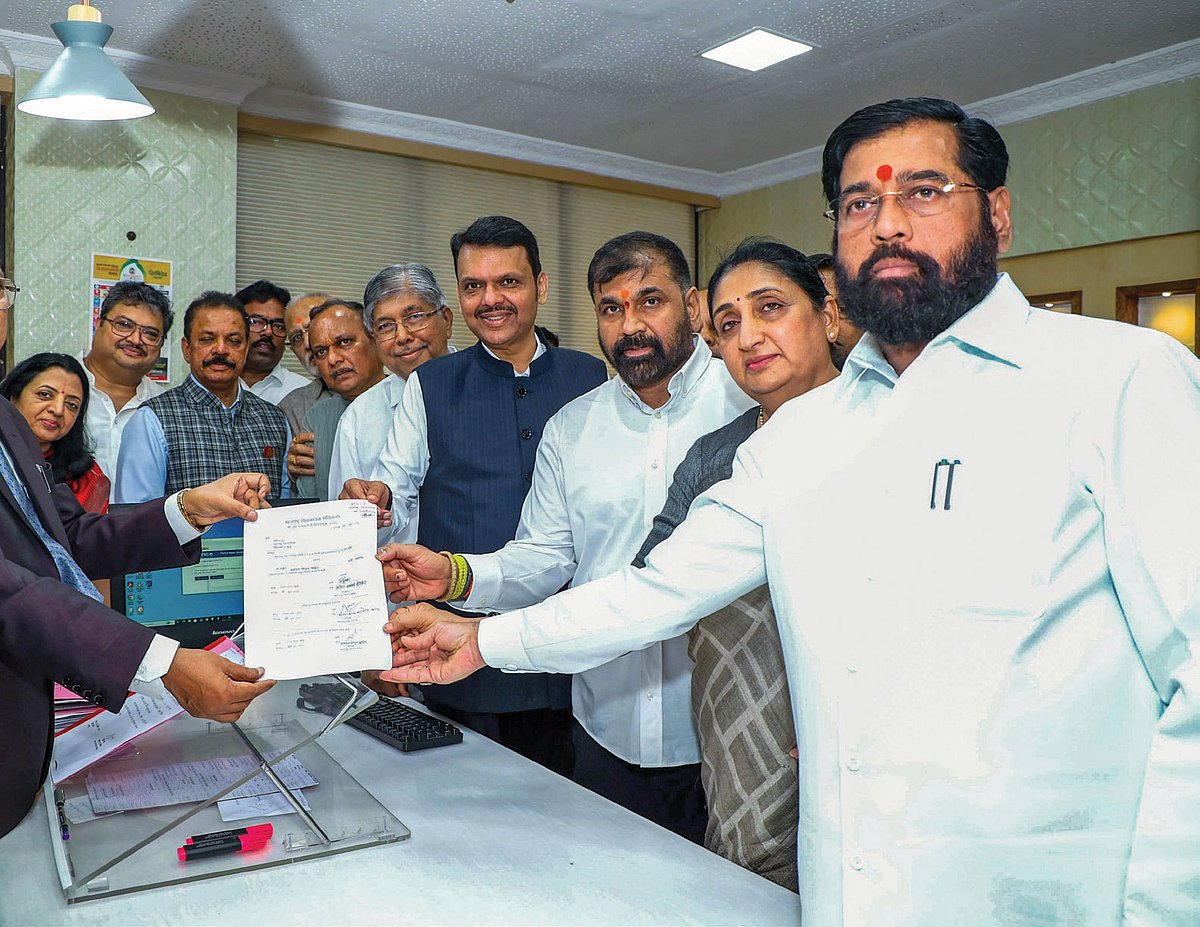
Sachin Ahir joins the Eknath Shinde-led Shiv Sena, June 30, 2026 (Photo: ANI)
20 Trinamool MPs have broken away to claim merger with an obscure party called the Nationalist Citizens Party of India. Later, six Shiv Sena (UBT) MPs too jumped ship and joined the Shiv Sena led by Eknath Shinde
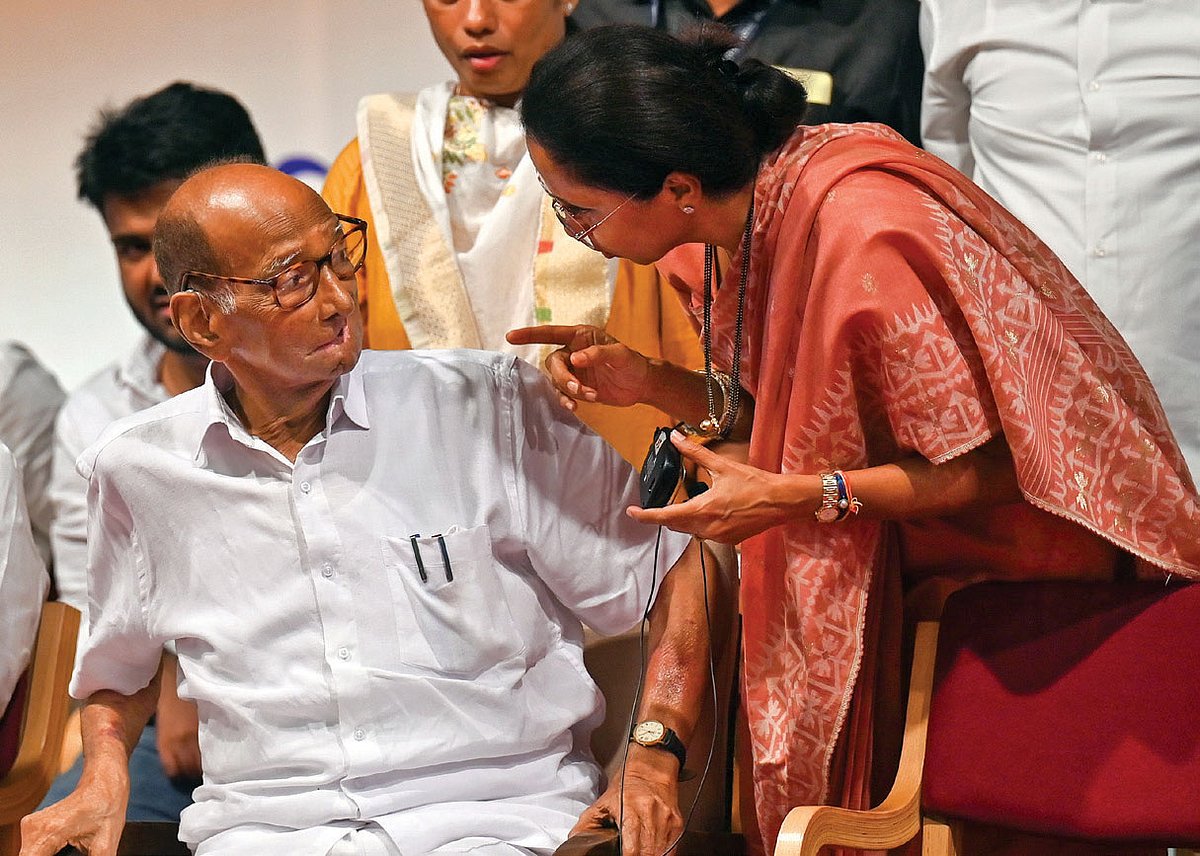
The numbers in Lok Sabha are what matter the most, and these are looking more and more propitious for BJP. After the Trinamool and Uddhav Sena splits, the NDA can count on 324 MPs, which include four from Jaganmohan Reddy’s YSR Congress Party— which had supported the government Bills previously too—and the Zoram People’s Movement’s one MP. While a few strategic abstentions can help, they will not suffice, as the possibility of a large number of MPs going AWOL is not only remote but a risky gamble to boot. DMK leaders have indicated they will like to see assurances that concerns over southern representation and policies like the implementation of the National Education Policy (NEP) three-language formula are being addressed. If DMK abstains, the two-third mark drops to 346, but this is still a bridge too far for NDA. There are strong indications that Nationalist Congress Party (Sharad Pawar) might be closing the gap with BJP on the legislation, but even adding the party’s eight MPs takes the NDA total to 332. Again, banking on a dozen or more abstentions is not a sound plan. The one thing the Modi government cannot afford is another setback, and it will move the Delimitation Bill only if it is confident about its passage.
That confidence and surety is increasingl…

 点赞
点赞 收藏
收藏 点踩
点踩 分享
分享