How Basel III Changes Where Capital Sits: Nonbank Subsidiaries as Equity Reservoirs



Nicola Cetorelli and Shohini Kundu
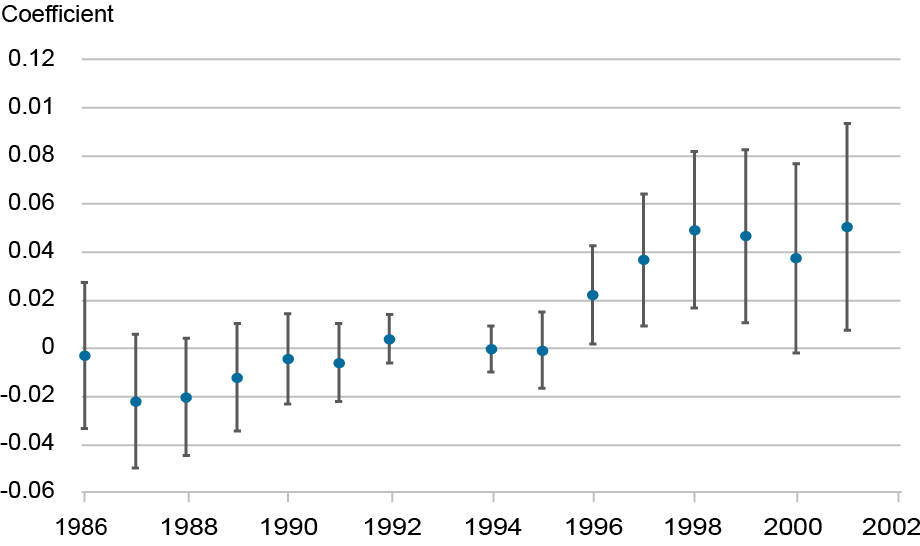
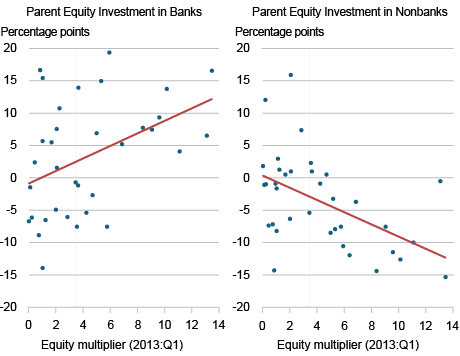
This post is the second in a three-part series on how bank regulation interacts with the organizational structure of banking firms. The first post documented that nonbank subsidiaries inside bank holding companies (BHCs) are large, equity-rich “reservoirs,” and that bank-level capital diverged sharply from consolidated capital after Basel III took effect in 2015. This post asks why, and traces the answer through the internal plumbing of the holding company. The series draws on the authors’ recent Staff Report, “ Regulatory Arbitrage Within the Firm.”
When Basel III’s binding capital minimums took effect for U.S. banks in January 2015, a bank holding company (BHC) whose depository subsidiary fell short of the new standards had two options. It could rais…

 点赞
点赞 收藏
收藏 点踩
点踩 分享
分享