Astronomers Accidentally Photographed The Faintest Planet Ever Imaged From Earth

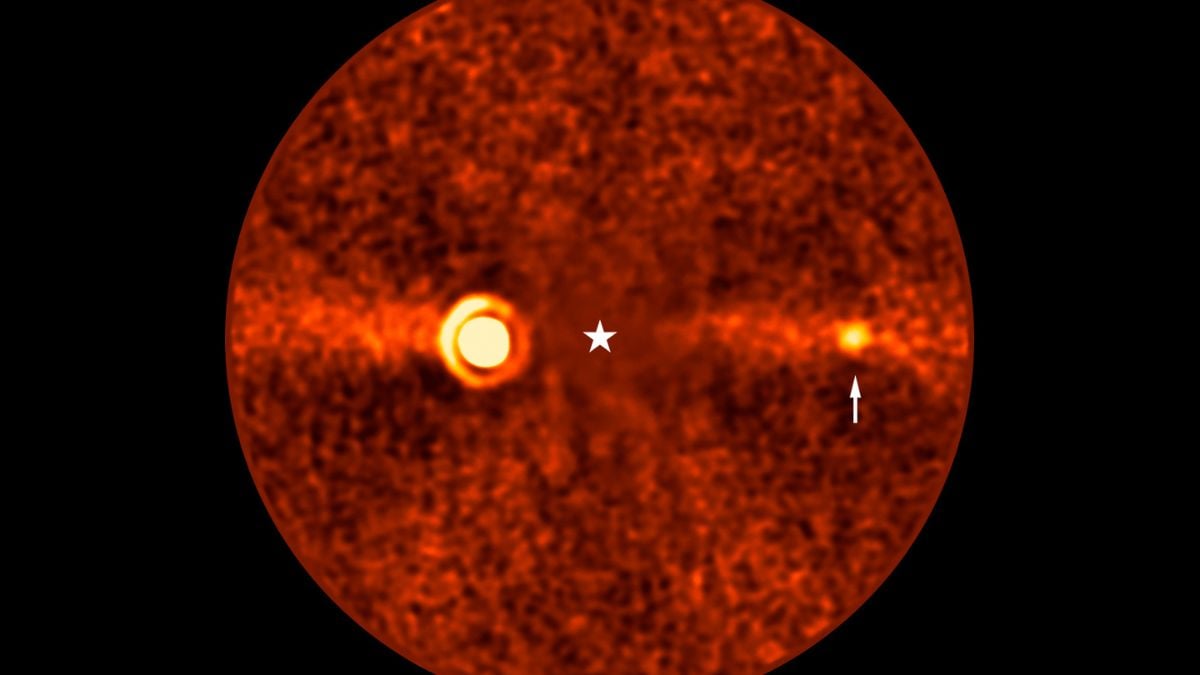

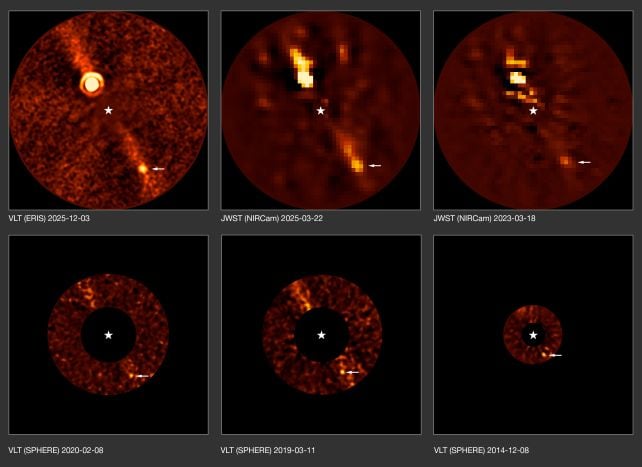
The newly discovered planet, Beta Pictoris d. (ESO/B. Sutlieff, M. Bonse et al.)
One of the most exciting things about science is that it often occurs by accident.
From penicillin to Post-its, unintended discoveries have changed the world and made it easier than ever before to label our leftover casseroles.
Incidental discoveries frequently materialize right under scientists' noses, emerging from neglected museum storage bins rather than, say, from the moldering ruins of a time-eaten city in a primeval jungle.
This also proves true in astronomy, as scientists have just discovered the faintest planet ever directly imaged from Earth – without even looking for it.
Orbiting the nearby star Beta Pictoris, the planet dubbed Beta Pictoris d was overtly discovered in 2025 but confirmed by observations dating back more than a decade.
"This was a serendipitous discovery," explains Ben Sutlieff, an astronomer at the University of Edinburgh in the UK and the co-leader of a new study detailing the planet's discovery, published in The Astrophysical Journal Letters.
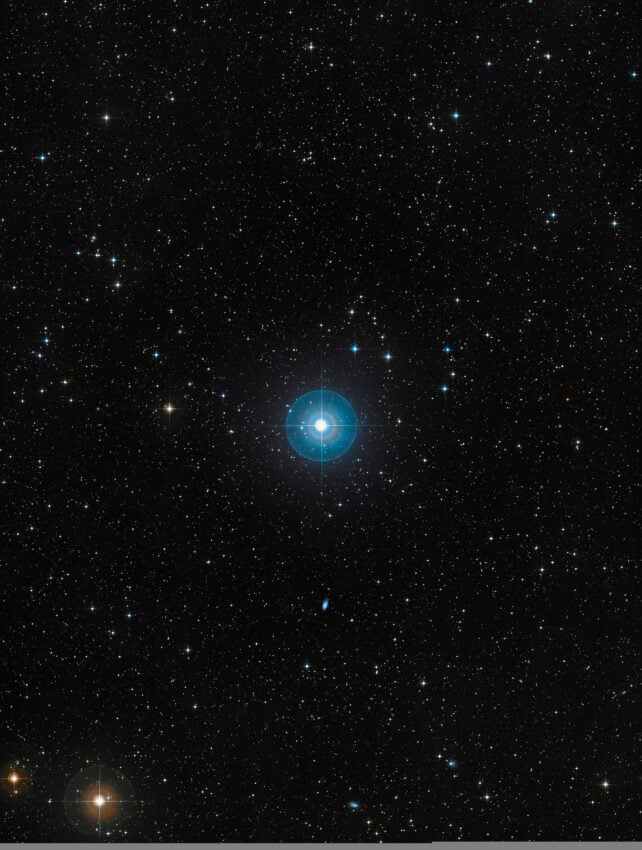
"We initially wanted to look more at a known planet in the system, Beta Pictoris b, to see how it changed over time."Beta Pictoris is the second-brightest star in the constellation Pictor (Latin for "painter"), located within cosmic poking distance, only 64 light-years away. It is almost twice as massive as our Sun, 50 percent larger, and nearly nine times brighter.
The star Beta Pictoris. (ESO/Digitized Sky Survey 2)
Beta Pictoris is also exceptionally young, around 23 million years old, and almost daily grazed by comets.
It's so young, in fact, that it's surrounded by massive debris disks, which host major collisions and extend five times farther out in space than the distance between the Sun and our distinguished dwarf, Pluto.
These disks form the dusty nurseries from which planets are born, including two previously known planetary babies: Beta Pictoris b and Beta Pictoris c, gas giants approximately t…

 点赞
点赞 收藏
收藏 点踩
点踩 分享
分享