
AI Safety Advocates Make Gains After $110 Million Midterm Fight


Candidates who favor stricter oversight of artificial intelligence racked up wins in key congressional races, aided by a pro-regulation political funding group backed in part by Anthropic PBC at a time when Americans are increasingly uneasy over the rapidly developing technology.
Public First, funded by Anthropic co-founder Dario Amodei and other AI safety advocates, poured more than $63 million into the midterms to promote candidates aligned with its goal of stricter regulation, according to the group’s numbers.
The architects of two of the country’s most sweeping state-level AI laws — Colorado’s Manny Rutinel and California’s Scott Wiener — will be among the incoming US House members elected with help from Public First, bringing energy and expertise to Congress. Ten of the 17 congressional candidates the group backed were elected.
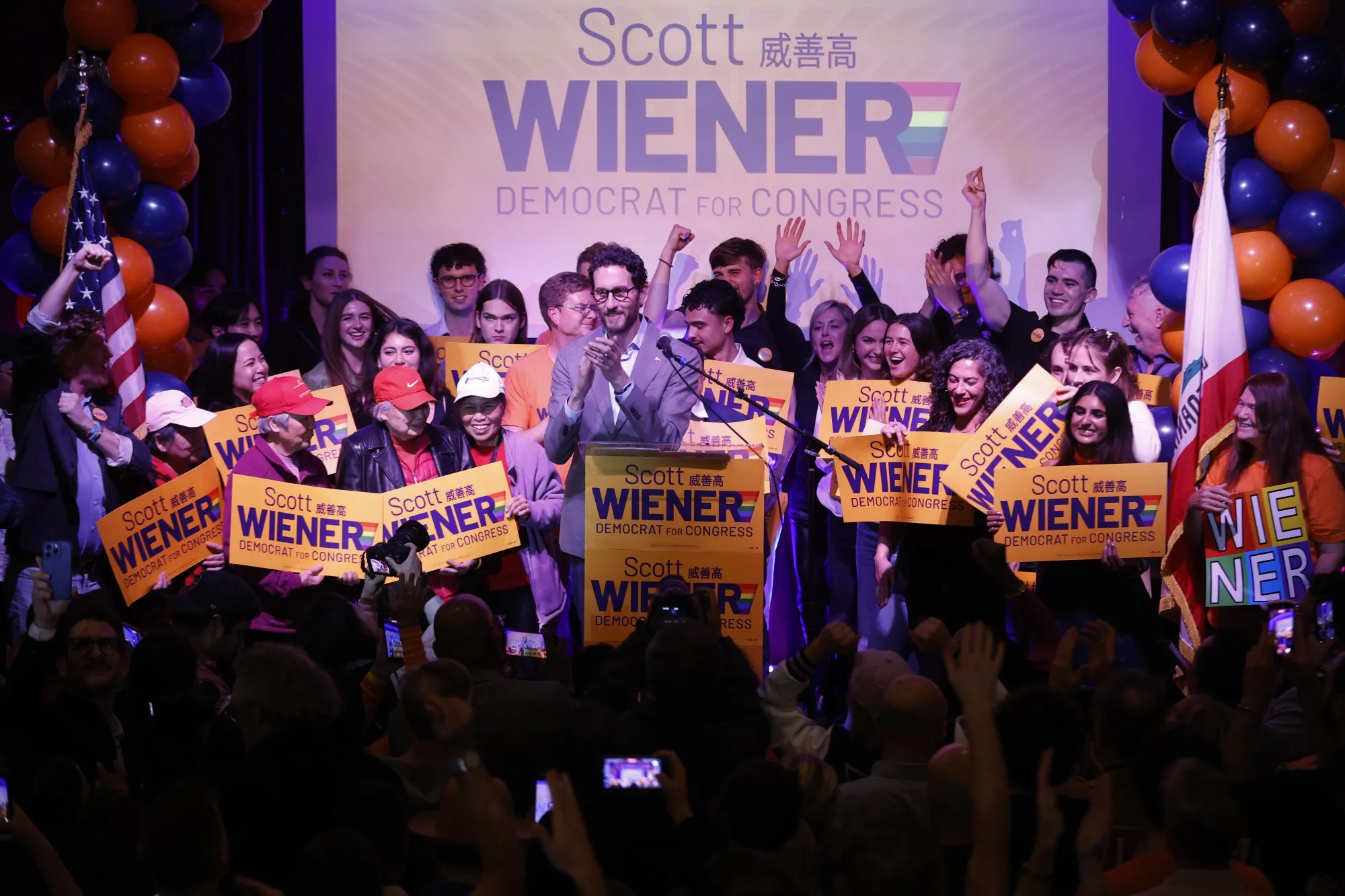
Brad Carson, co-founder of Public First, celebrated what he called “a crushing blow to the AI industry’s anti-regulatory efforts.”
A rival funding network pursuing the opposite cause — light-touch federal regulation offering the industry more leeway to develop AI — also claimed successes.
Leading the Future, backed by billionaire venture capitalist Marc Andreessen and other tech titans, spent at least $54 million, spreading its largess more widely, including to plenty of candidates in safe seats, many without much of a record on AI issues. Forty-one of the 48 candidates it backed were elected to Congress. Two of those races, including the tight contest for Senate in Mississippi where Leading the Future backed Republican Senator Cindy Hyde-Smith, have not yet been called.
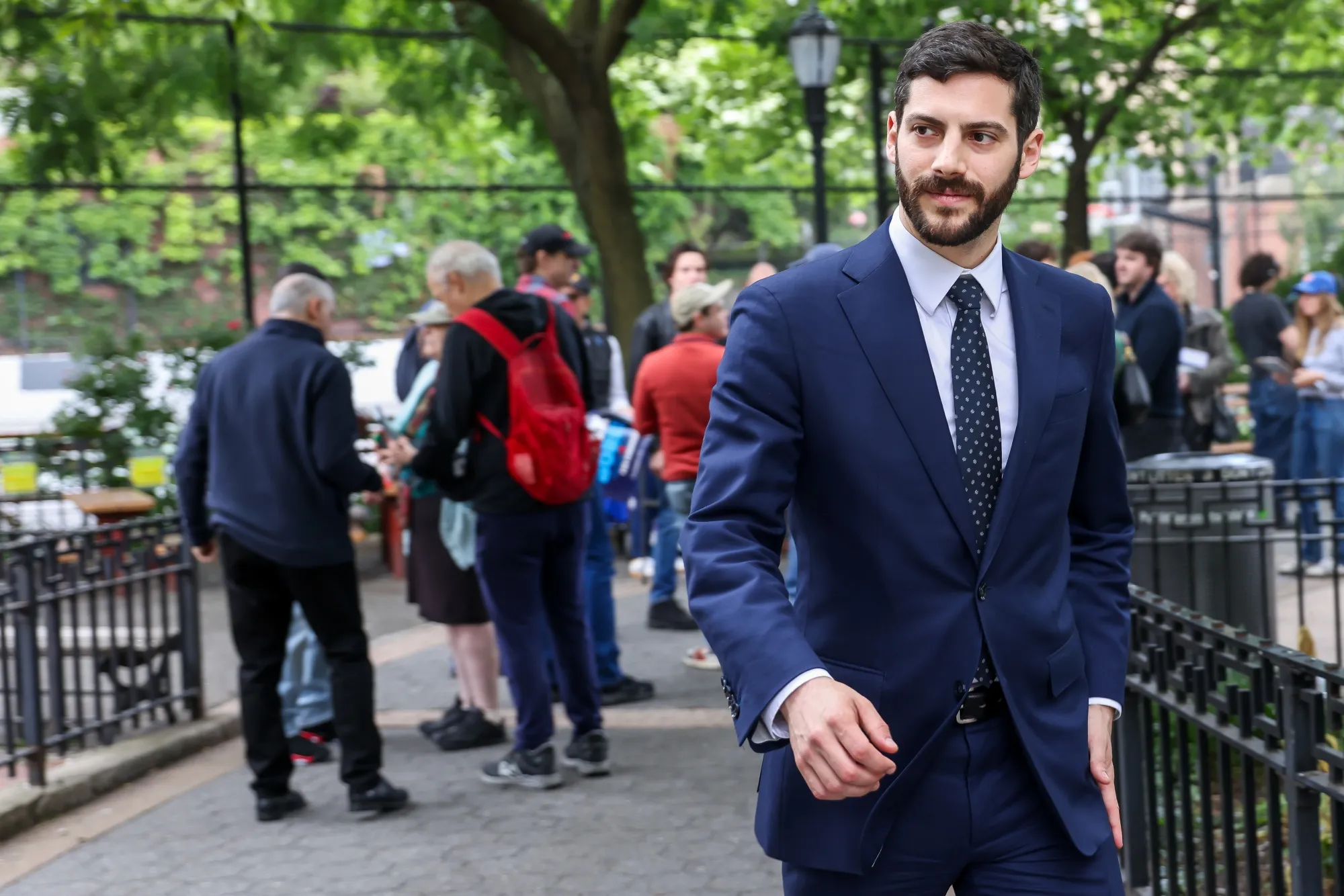
Its highest-profile achievement may have been contributing $8 million toward the defeat of the architect of New York’s state AI regulation law, Alex Bores, in an upper Manhattan Democratic congressional primary in June. Pro-AI safety Public First was on the other side of that fight, spending $15 million on behalf of Bores.
The anti-regulation funding network also faced big setbacks, including devoting more than $4.1 million to South Carolina Republican Senate candidate Darline Graham, whose loss in a heavily GOP state was one of the biggest surprises this year.
The AI political groups’ spending didn’t come close to the more than $445 million that Elon Musk poured into the election or the vast sums tech billionaires have put toward courting favor with President Donald Trump.
Read more: AI Industry’s Gamble on Trump Crashes Into New Political Reality
Still, the two funding alliances, which despite their difference on regulatory policies are both unabashed promoters of AI largely backed by tech money, were among the top single-issue outside groups in this year’s election. The crypto industry’s Fairshake, the top corporate-backed federal super political action committee, spent $166 million.
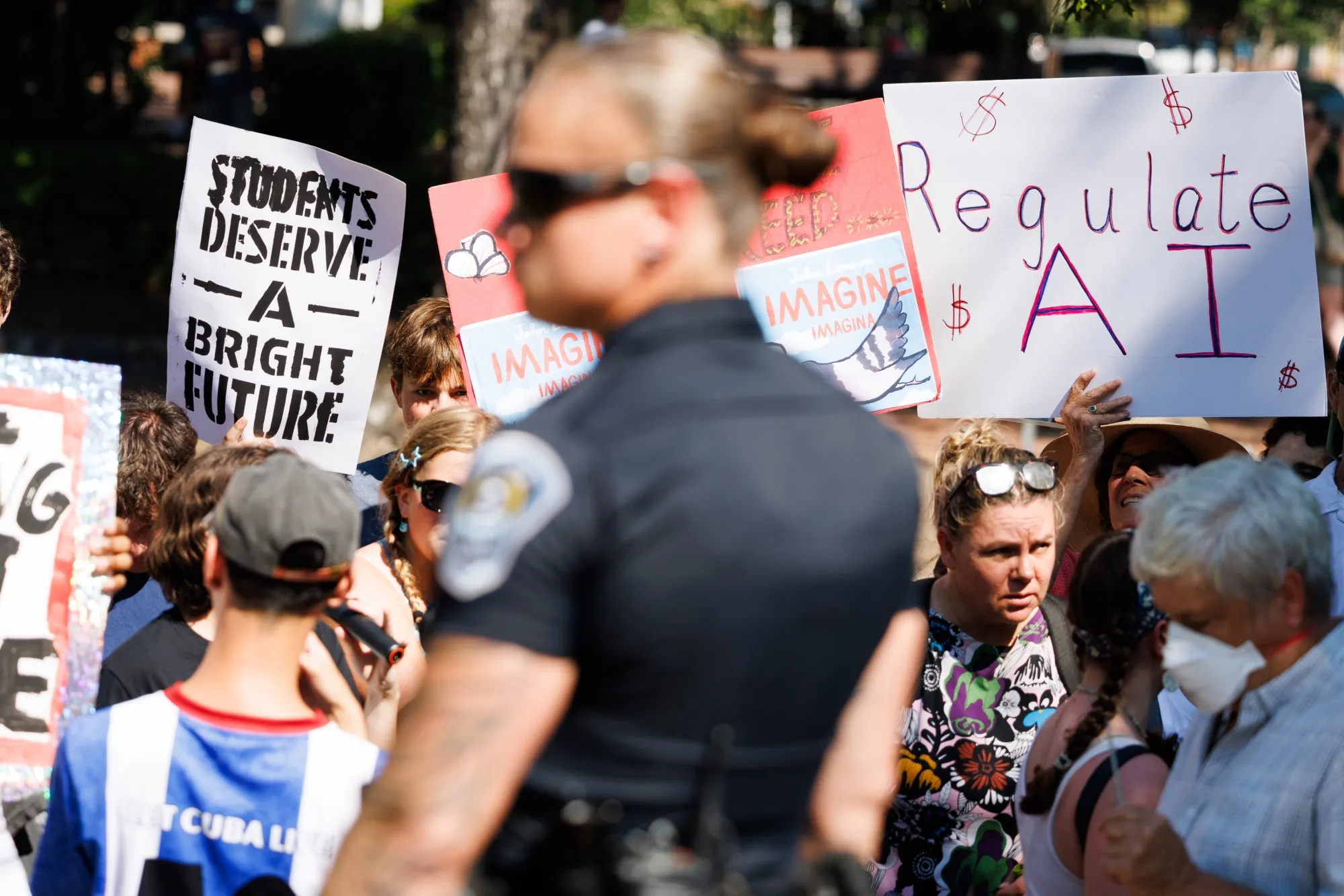
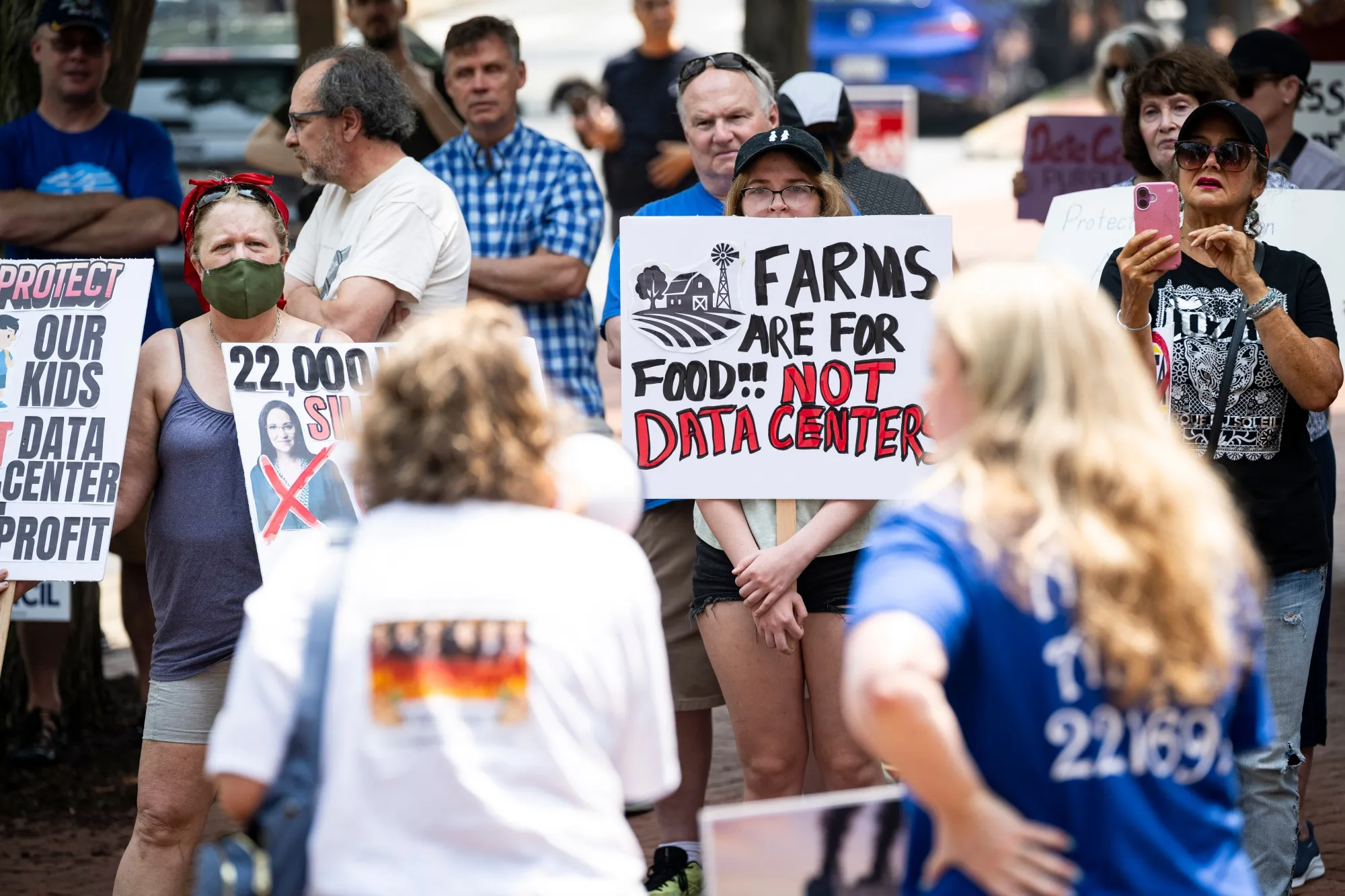
Americans’ concerns over AI compounded over the course of the year amid a backlash against data center construction and a series of AI-enabled cyber hacks.
By Election Day, two-thirds of voters said AI will harm society more than it will help, according to the NBC Exit Poll. Forty-three cities voted to restrict data center development in their communities, and dozens of Democrats were elected after running on anti-tech platforms.
That blunts the impact of the flood of anti-regulation tech money, said Alex Jacquez, a former adviser to President Joe Biden and senior vice president of policy at the progressive advocacy group Groundwork Collective.
“Members are going to be much more frightened of being on the wrong side of voters on this issue than of pro-AI spending,” Jacquez said. “Voters right now are very much on the side of the more safeguards and more regulation.”
Election debate around AI expanded beyond data centers to include the technology’s impact on wealth inequality and broad dangers to society, both themes that some candidates touched on in their victory speeches on Tuesday night.
“Tech titans build bunkers while warning the artificial intelligence they’re creating risks human extinction,” said Democratic Georgia Senator Jon Ossoff, who won his race decisively and has been floated as a potential 2028 presidential contender.
The pro-regulation Public First’s top beneficiaries included Representative Valerie Foushee, who narrowly won her primary against a progressive insurgent in North Carolina and co-chairs the House Democratic Commission on AI.
Foushee in a statement Thursday promised to regulate AI chatbots and demand “federal transparency, accountability, and technical standards for generative AI.”
Another candidate the group supported, Republican Representative Celeste Maloy of Utah, has introduced legislation focused on evaluating AI systems for nuclear-related risks.
Scott Wiener, California, HouseD $3.5 million Manny Rutinel, Colorado, HouseD$2.6 million Valerie Foushee, North Carolina, HouseD $1.62 million Celeste Maloy, Utah, HouseR$998,739 Kevin Hern, Oklahoma, SenateR$808,341
Leading the Future, the group seeking minimal regulation, started the cycle with a bang, announcing that it had $140 million committed. But its prominent role in defeating New York’s Bores mobilized AI safety advocates.
OpenAI President Greg Brockman backed out of a planned $25 million donation to the group — he already had contributed the same amount earlier in the year — amid massive pushback from his company’s employees after the Bores race. The super PAC’s sole named Democratic funder, venture capitalist and megadonor Ron Conway, in mid-October distanced himself from the group and said through a spokesperson that he would not donate again. He launched a separate effort to improve relations between Silicon Valley and Democrats.
Julia Letlow, Louisiana, SenateR$1.17 millionBen McAdams, Utah, HouseD$1.12 millionRitchie Torres, New York, HouseD $1.1 millionMelissa Bean, Illinois, HouseD$1.1 millionJim Kingston, Georgia, HouseR$960,400
Jimmy Panetta, a California Democrat who was supported by nearly $600,000 from Leading the Future’s Democratic arm, said in a statement that he had concerns about the technology but emphasized the importance of “preserving American innovation and competitiveness” in federal legislation – a position generally aligned with Leading the Future.
It’s unclear if all of Leading the Future’s favored candidates will ultimately support its agenda. Representative Ben McAdams, a Democrat from Utah who was one of the group’s top beneficiaries, advocated for “federal guardrails to make sure this technology happens carefully and transparently.”
“AI could potentially cure cancer, but it could also destroy our kids,” McAdams said in a statement.
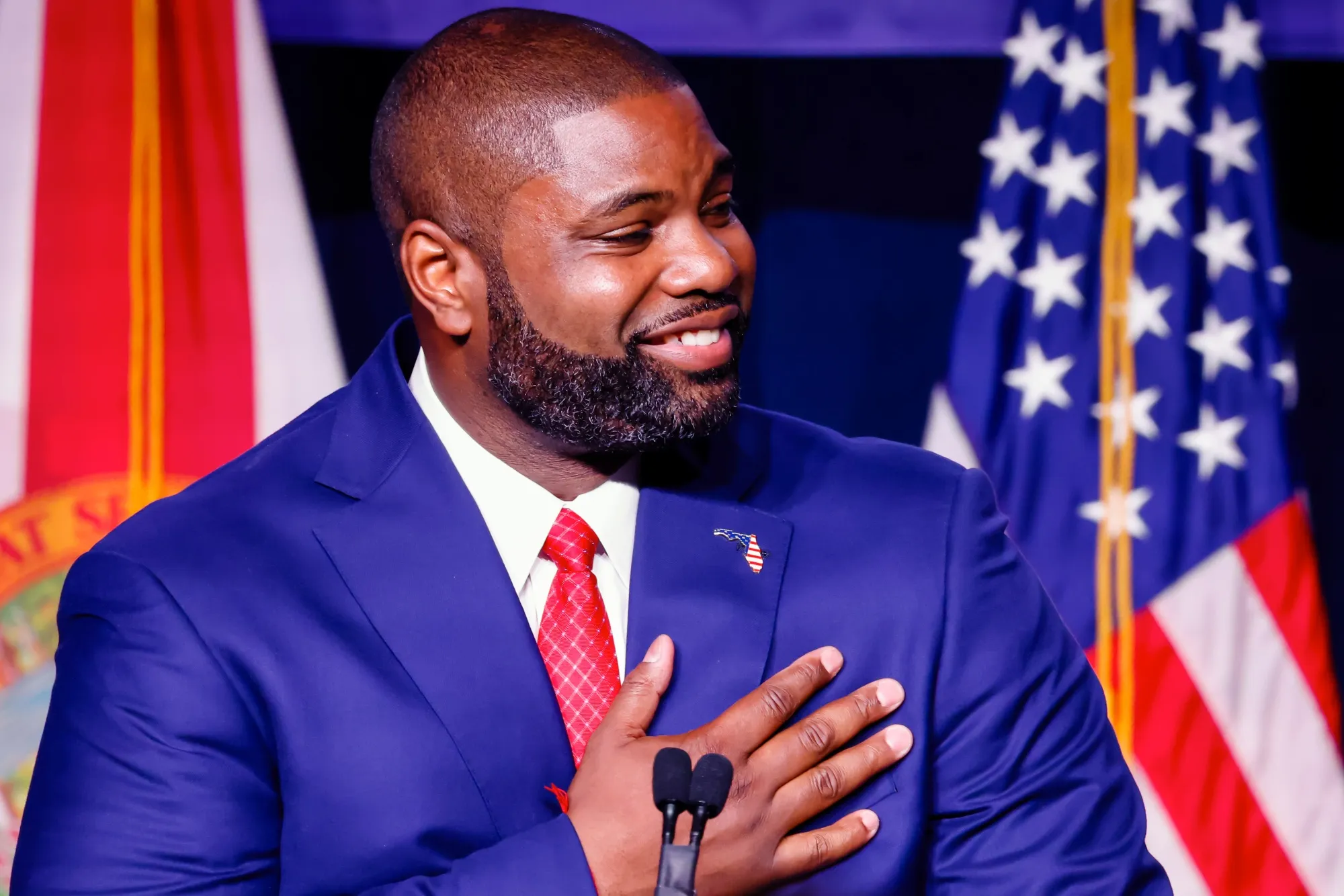
In Florida, the super PAC spent over $2 million on ads supporting Florida Republican Governor-elect Byron Donalds – only for Donalds to ultimately come out in favor of state AI regulations opposed by Leading the Future’s funders.
But any access to lawmakers can be useful in blocking congressional action or at least extracting concessions. Since any federal law must pass both the House and the Senate — not to mention avoid a presidential veto — it’s a lot easier for a determined opponent to stop or dilute legislation than for advocates to secure passage.
That’s a political reality Leading the Future spokesman Jesse Hunt hinted at in a statement.
“AI regulation cannot pass without 60 votes in the Senate,” Hunt said. “So any group, staff member, or failed candidate who is serious about passing regulation, frontier lab safety and harnessing the benefits of AI for all Americans should focus on a broad coalition for action.”