
Lula Puts Allies Over Markets as He Mulls Brazil Finance Minister Pick


President Luiz Inácio Lula da Silva will likely chose Brazil’s next finance minister from within his inner circle as he seeks to mend ties with skeptical investors while keeping his government’s leftist ethos intact.
Contenders to run the economy include Piauí state Governor Rafael Fonteles, a rising star in Lula’s Workers’ Party with a knack for fiscal discipline; Vice President Geraldo Alckmin, a centrist with longstanding ties to Brazil’s business community; current Finance Minister Dario Durigan, who regularly speaks with investors and Planning Minister Bruno Moretti, a budget specialist closely aligned with Lula’s agenda, according to people familiar with the talks.
Lula has yet to signal his preference for finance minister in his fourth term, and other options could still surface, said the people, who asked not to be identified discussing the internal debate. What’s certain is the president’s choice will need enough political strength to implement his agenda — often going through a divided Congress — and enough business savviness to forge credibility with financial markets that are on edge over Brazil’s fiscal outlook.
Outreach over Brazil’s next finance chief is already underway. Presidential advisers have contacted business leaders to discuss potential meetings in coming weeks to review options, according to people familiar with the matter.
One executive involved with the talks said the ideal choice would have ties to the Workers’ Party, though without being a diehard party loyalist. In other words, the pick should be comfortable going between Lula and markets.
Lula’s decision will offer one of the first signs of how he intends to advance the social policies for the poor and middle class which propelled him to reelection, while also addressing urgent demands for fiscal consolidation.
Brazil’s nominal budget deficit is hovering near 10% of gross domestic product and public debt stands at a record. Investors are demanding a more aggressive push to curtail liabilities after Lula spent billions of dollars extra during the campaign on measures including fuel subsidies and credit.
Lula, however, has shown little appetite for the kind of sharp fiscal adjustment markets want. Plans discussed with his advisers instead envision a gradual adjustment that would bring the primary budget surplus — which excludes interest payments — to 1.5% of GDP by the end of his four-year term.
That strategy leaves out some of investors’ biggest demands, including the end of real minimum wage hikes and a much lower limit on public spending growth.
Brazil’s presidential palace, Fonteles, Alckmin, Durigan and Moretti did not respond to requests for comment on this story.
Here’s a look at the top candidates to run Latin America’s largest economy:
Rafael Fonteles
Rafael Fonteles, 41, became an influential figure in Lula’s campaign during the runoff and, more broadly, he is known as an up-and-coming politician with a bright future in the president’s Workers’ Party.
A former state finance secretary who is both popular and also recognized for fiscal discipline, Fonteles is seen by some Lula allies as the perfect choice to bridge the gap between the president and financial markets. He is politically aligned with the leftist leader and could advance plans to keep social programs while gradually bolstering Brazil’s public coffers.
Not only that, but some people close to Fonteles describe him as a potential Workers’ Party presidential candidate in 2030.
That aura, however, also represents the biggest obstacle to bringing him to Brasília to become finance chief now. Fonteles would have to give up his governorship near the beginning of a new term and immediately after a strong reelection victory, a move that could prove unpopular in Piauí.
Officials have already questioned what he would have to gain politically if he left his state to take one of the toughest jobs in Lula’s administration.
Moving from Piauí would also leave Fonteles without an obvious political fallback if his tenure at the Finance Ministry went poorly.
Geraldo Alckmin
Vice President Geraldo Alckmin, 73, could offer Lula a more market-friendly choice and a familiar face for Brazil’s business community.
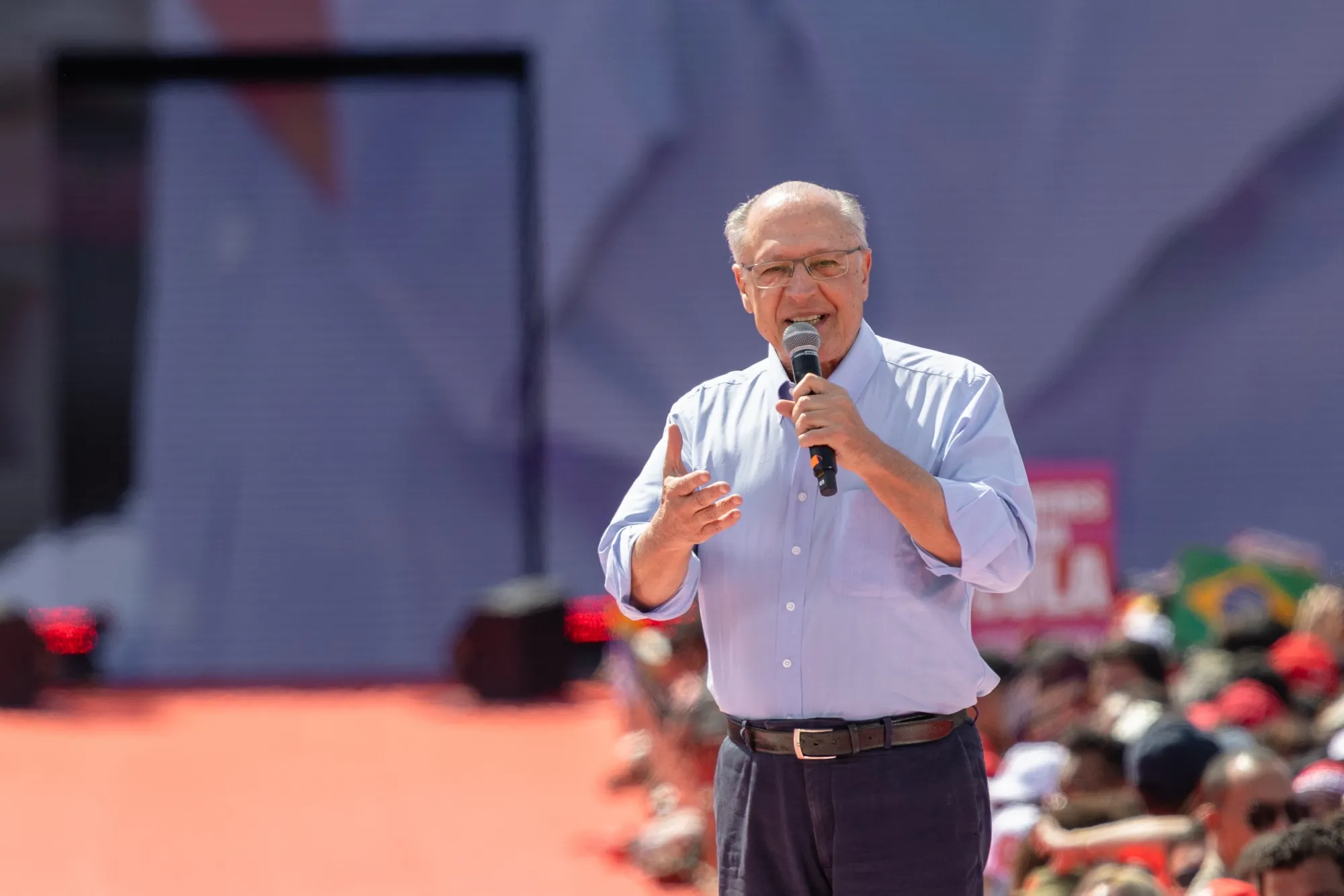
The former São Paulo governor was Lula’s adversary for years before joining his presidential ticket in 2022. Their alliance became a symbol of the broad coalition Lula assembled that year, with Alckmin helping move proposals closer to the moderate political and economic views he backed throughout his career.
If Lula picks Alckmin, it would mark the first time he puts someone outside the Workers’ Party in charge of the Finance Ministry. That reality could also make Alckmin vulnerable to opposition from within the party, particularly if he pursues a more market-friendly economic agenda.
People familiar with the talks point to troubles that dogged former Finance Minister Fernando Haddad, a longtime Workers’ Party member who faced internal criticism as he moved to boost public finances. They say an Alckmin-led ministry could face greater tensions given his history outside Lula’s camp.
Alckmin was also Minister of Development, Industry and Trade in Lula’s third term. He is willing to move to whatever role the president chooses and likes the idea of heading the Finance Ministry, said people familiar with the talks.
Dario Durigan
Keeping current Finance Minister Dario Durigan in his role is an option that is on the rise.
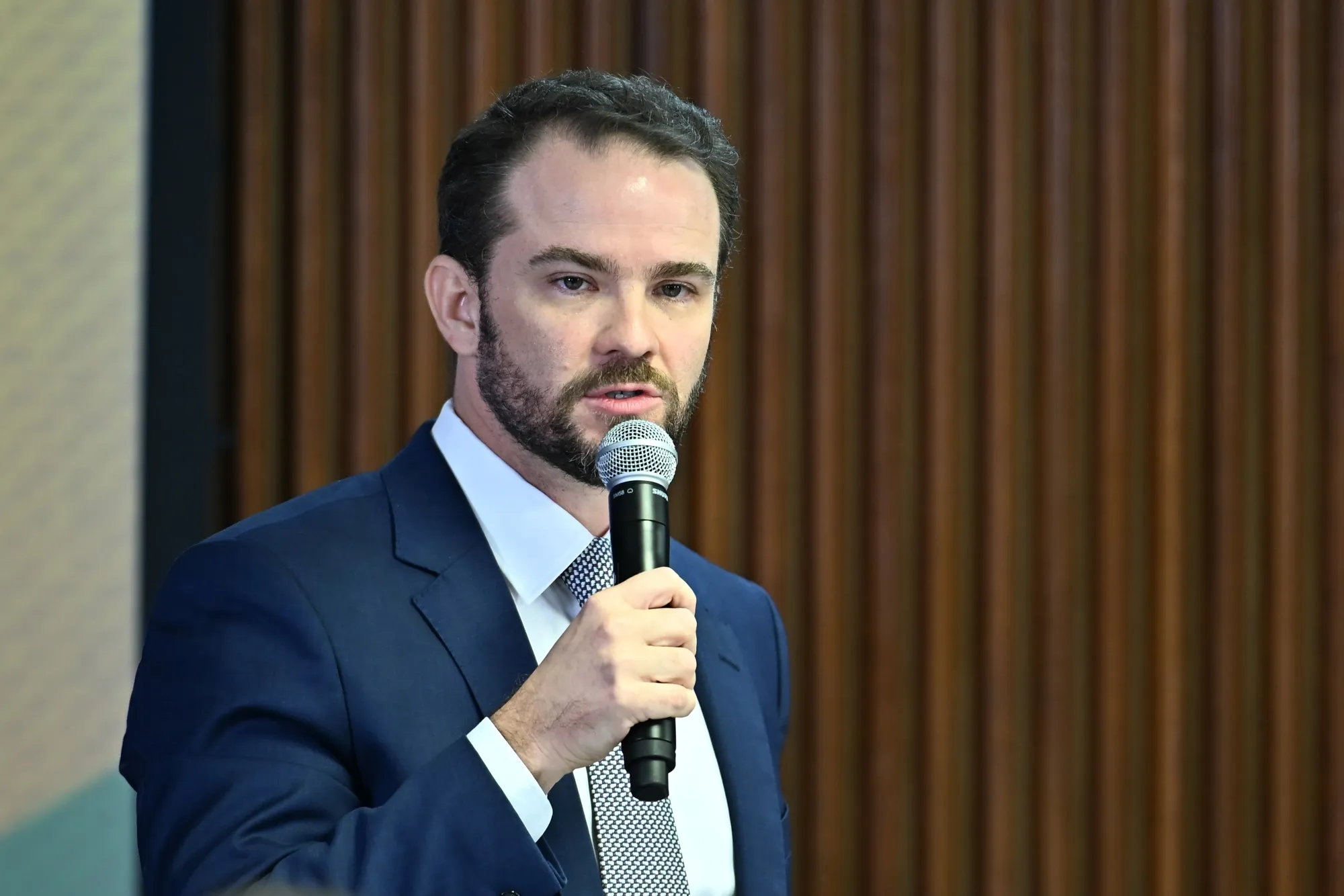
Durigan, 42, took over the ministry in March after Lula asked Haddad to run for governor of São Paulo. A close Haddad ally, Durigan initially sought to ensure continuity at the Finance Ministry and has since become one of Lula’s main spokespeople on economic policy.
He aligned himself closely with the president during the reelection campaign, embracing Lula’s push for a series of stimulus measures before the vote.
Following a meeting on Thursday between Lula and about a dozen economists, Durigan emerged as the point person who will communicate the administration’s new proposals, according to people with knowledge of the matter.
Keeping Durigan would provide continuity at a particularly sensitive moment for economic policy. But some business leaders question whether he has enough political muscle for the next phase of Lula’s government.
One businessman familiar with the discussions described Durigan as politically weaker than some of the alternatives and too inclined to follow Lula’s wishes. He asked not to be identified discussing private political and economic views.
Bruno Moretti
Planning Minister Bruno Moretti, 46, represents an option that’s very much in-tune with Lula’s own approach to economic policy.
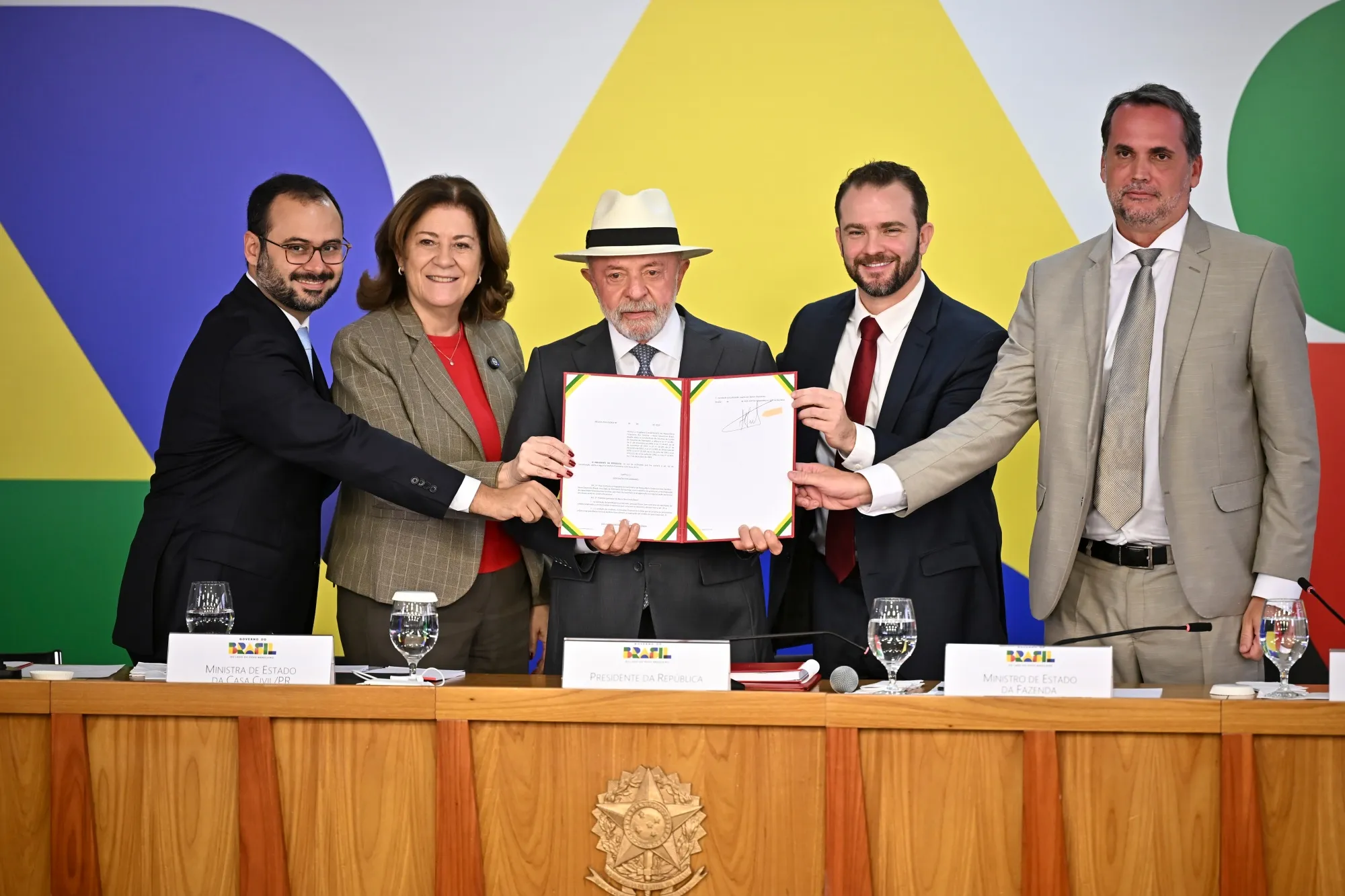
Moretti has played a key role in the administration’s fiscal discussions. Before becoming planning minister, he worked in the office of Lula’s chief of staff and participated in the government committee responsible for budget matters.
His influence over expenditures has also earned him praise from Lula; just months ago, the president described Moretti as a budget “magician” who finds money when the government needs it.
Moretti would offer Lula someone deeply familiar with the mechanics of federal spending at a time when the government is considering ways to create more room to manage outlays without sharp cuts.
His expertise in public finances and budget matters, however, could make Lula prefer to keep him in his current role, according to people with knowledge of the matter.