
Prediction Markets Get a Passing Grade on the Midterms


Prediction markets had a lot riding on the 2026 US midterm elections. While they’ve sometimes performed well — in 2024 both Kalshi and Polymarket favored a presidential victory for Donald Trump while polling models had him and Kamala Harris neck-and-neck — the markets in recent months have had some embarrassing stumbles. In August they gave Wisconsin state Representative Francesca Hong a 95% chance of winning the Democratic primary for governor, until she lost. In Brazil’s presidential runoff in October, they put the odds for Luiz Inácio Lula da Silva around 20% before his upset victory.
The midterms on Tuesday were a chance for the markets to prove their claimed status as “truth machines” superior to other information sources. How did they do? “I’d give the markets a B,” says Koleman Strumpf, a professor of economics at Wake Forest University who studies prediction markets and generally advocates for their utility. While they were directionally correct in predicting Democratic victories on Election Day, they missed the extent of the wave, Strumpf says: “The real big takeaway message — that this was a kind of historic win — I think you’d be hard-pressed to have concluded that from the market.”
While Strumpf’s assessment aligned with the handful of market watchers I spoke with the day after the election, there’s no consensus about how the markets’ performance compared with the poll-based forecasts. Kalshi declared victory on X, claiming that “the markets were more accurate” than forecasting models like those of Nate Silver’s Silver Bulletin, FiftyPlusOne and the Economist. Silver pushed back, arguing in a tweet that his model and others “showed the D wave sooner and more aggressively” before publishing a more thorough analysis. An independent analyst pointed out that some polling models were more confident than markets about Democratic victory, while others were more cautious.
Barnard College professor of economics and prediction market scholar Rajiv Sethi says, although he’s still sifting through results, the markets’ performance so far looks “mixed.” In some races, polling models beat prediction markets. For example, Silver Bulletin had Democrats’ odds of flipping Iowa’s Senate seat at 58% (they succeeded), compared with the markets’ prediction of around 50%. For the House race in Missouri’s 2nd District, FiftyPlusOne had Democrat Fred Wellman favored to win (he did), whereas prediction markets leaned strongly toward the incumbent Ann Wagner.
In other races, prediction markets beat the polling models. These tended to be races in which there was some kind of X-factor that polls didn’t take into account, Sethi says. For example, the day before the race for governor of Nevada, markets gave the Democratic challenger Aaron Ford about a 75% chance of unseating the incumbent Joe Lombardo. Silver’s model, meanwhile, had Ford at 53%. Both were correct, but the markets had more conviction. Sethi argues that markets likely took early voting into account — Nevada publishes the party registration of early voters — in a way that polling models might not have. (Silver confirms this.)
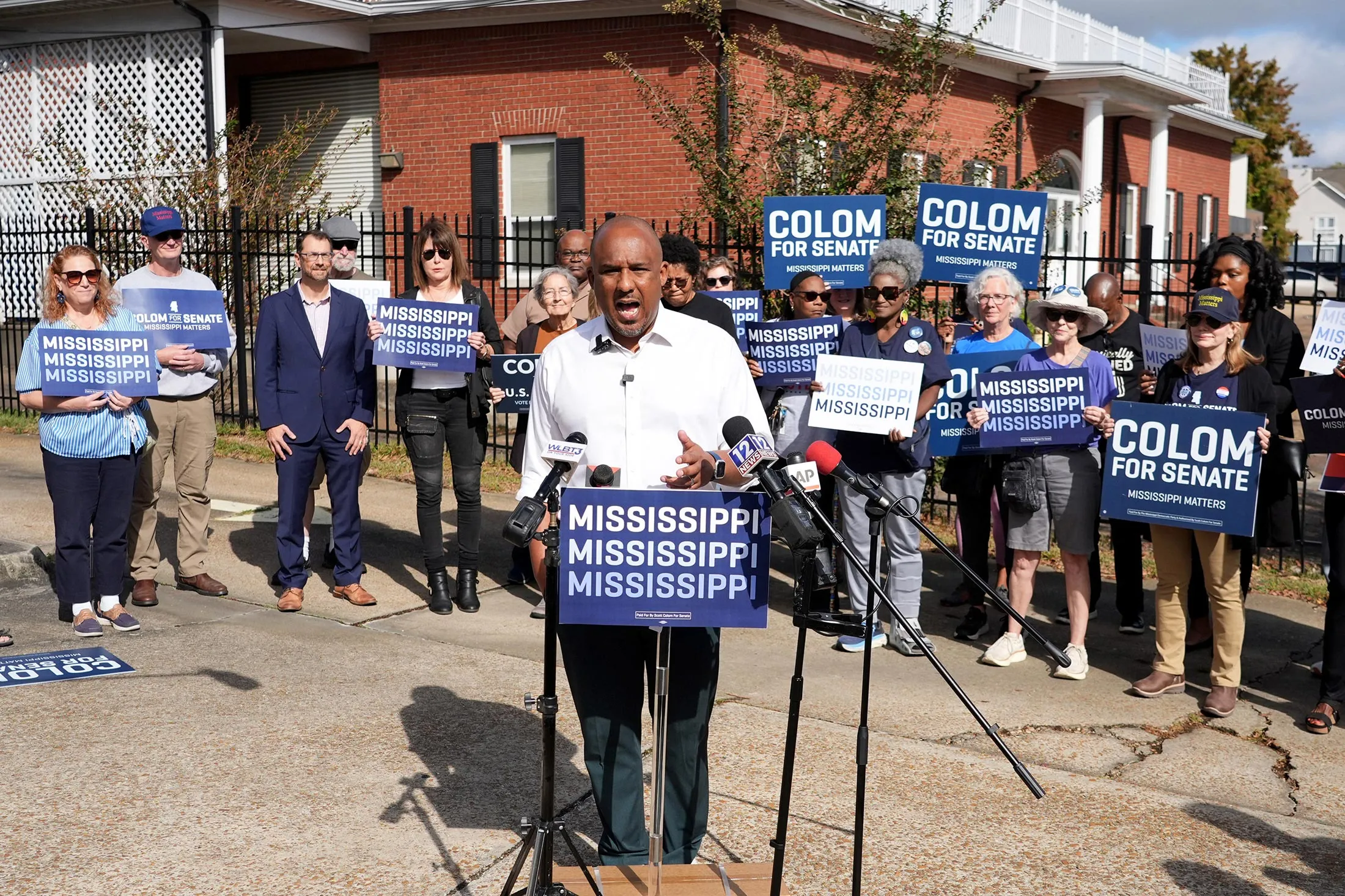
Similarly, in the Mississippi Senate race, prediction markets placed Democratic challenger Scott Colom’s odds around 15% the day before the election, much higher than the 2% to 4% predicted by polling-based forecasts. (Colom leads by a hair, but the race is too close to call.) Sethi attributes the disparity to intangibles that might have boosted enthusiasm for Colom, like the widely seen video of the candidate talking to attendees at a Trump rally. “Markets take into account all kinds of novel sources of information: What’s going viral on social media, for example, or candidate quality,” Sethi says.
For the most part, though, prediction markets and polling models operated in sync, correctly and incorrectly. If a prediction market got a race wrong — like the Texas governor’s race or the South Carolina Senate race — poll-based forecasts usually did too. (This was true in the Wisconsin gubernatorial primary and Brazilian presidential election as well.) This reflects a reality about prediction markets: For all the talk of their novelty, traders depend heavily on polls for their information. “If the polls were always that far off, everybody would stop believing them, including prediction markets,” says Eric Zitzewitz, a professor of economics at Dartmouth College. “The polls are still decent despite all of their problems.” (Bloomberg LP, the parent of Bloomberg Businessweek, provides Polymarket and Kalshi data as part of its broader data offering for clients.)
The prominent prediction markets trader known as Domer, like Strumpf, gave the markets a “solid B” this election cycle, but thought they were too cautious about Democrats. “There was a lot of resistance to just accepting the reality that Texas was going to go blue,” he says. For Domer, these errors were opportunities; he bet heavily on Democrats winning in Texas, Maine, Michigan and Kansas, he says.
Texas is an example of how prediction markets can fall short of their idealistic pitch as a corrective to prevailing narratives, Domer says: “You’re supposed to be dispassionate.” But traders betting against Democrats in Texas were “betting for kind of the wrong reasons,” Domer says. He summed the situation up using internet slang for a blowout. “And they ended up getting, you know, BTFO’d.”Read next: Do Celebrities Endorsing Prediction Markets Not Have Enough Money Already?