
Europe Weighs Next Steps on Ukraine in Wake of Democratic Wave


Welcome to the Brussels Edition. I’m Suzanne Lynch, Bloomberg’s Brussels bureau chief, bringing you the latest from the EU each weekday. Make sure you’re signed up.
As Europe absorbs the implications of this week’s midterm election results, focus is turning to what the imminent power change in Washington means for Ukraine.
Democrats’ decisive wins in both houses of Congress represents the biggest challenge to Donald Trump’s power in his second term. How it will impact foreign policy remains to be seen. Democrats are poised to use their new-found committee power to tighten the screws on Trump, in particular by exercising subpoena power to investigate corruption allegations.
While the US president will still hold significant power over foreign policy decisions through the executive branch, the Democratic-controlled congress will have some power to shape foreign policy decisions, particularly through the power of the purse.
The powerful appropriations committee will most likely be led by Democrats who want more spending on domestic priorities and have balked at Trump’s demand for a $1.5 trillion defense budget. While this could be bad news for Ukraine, much of the voter anger that drove this week’s election results over foreign policy was about the war in Iran and US support for Israel, rather than helping Kyiv.
As the dust settles on the stunning reversal in GOP fortunes in Washington, in Europe negotiations are dialing up behind the scenes about what’s next for Ukraine.
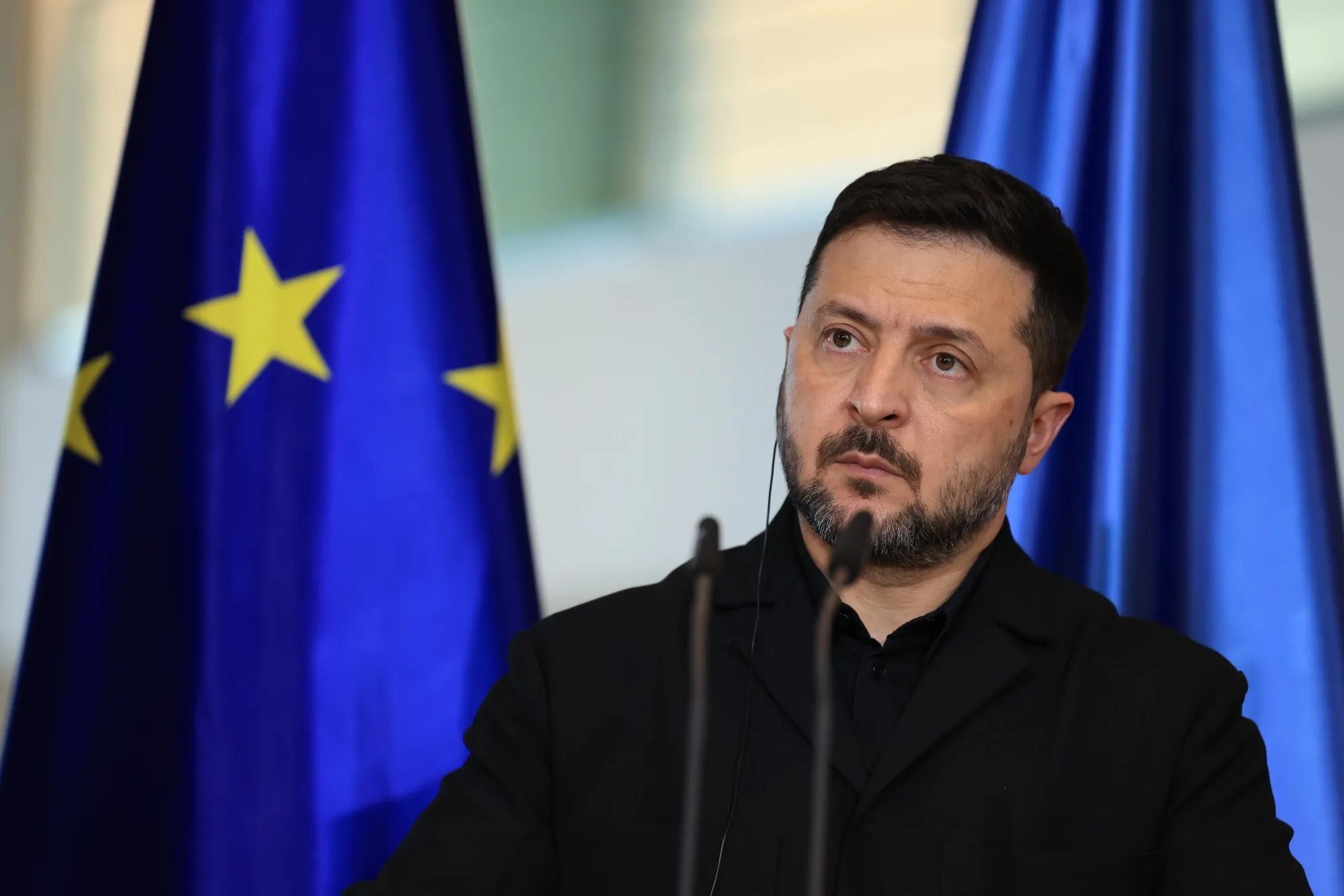
National security officials are meeting in Brussels for a second day to discuss reconstruction plans for the country as well as potential security guarantees, part of Europe’s effort to shape the conversation ahead of US-led talks with Russia in Abu Dhabi next week. Ukrainian President Volodmyr Zelenskyy is continuing to lobby for European support, visiting Spain today, following his trip to Berlin on Tuesday.
Meanwhile, results out today from two of Europe’s biggest defense players give a snapshot into the state of the sector as countries pour money into defense.
Italy’s Leonardo raised its forecast for orders this year, noting that its order backlog stood at €60.4 billion ($68 billion) on Sept. 30. But Rheinmetall cut its outlook for the year, the second time since August, due to delays in the German military’s Boxer project, which is now expected to be commissioned next year. Other potential revenue it had counted on for this year has not come through, illustrating the real-world challenges facing Europe in building-out its defense capabilities.
Around Europe
Commission President Ursula von der Leyen is opting to pull out of a news conference attended by the Polish president as a gesture of support for his political rival, Prime Minister Donald Tusk, in the country’s escalating constitutional crisis, we’re told.Italian Prime Minister Giorgia Meloni demanded that the European Union discuss who should represent the bloc and with what mandate in negotiations related to Russia’s war in Ukraine. German Chancellor Friedrich Merz warned that measures being discussed to shield the EU against unfair trade from China must not disrupt the region’s competitive edge — and that policies favoring regional content risk blunting innovation. Airlines were forced to divert more flights carrying passengers across Europe on Thursday because of bomb threats following a series of warnings that disrupted several airliners earlier this week.France is bracing for a day of strikes and demonstrations over the cost of living, extending more than a month of protests, as parliamentary talks over next year’s budget remain deadlocked.Spain will raise its minimum wage by 5.3% in 2027. The announcement comes weeks ahead of a general election in the country.
Seen and Heard on Bloomberg
Commerzbank Chief Executive Officer Bettina Orlopp said today’s result means the bank can “act out of a position of strength” ahead of a takeover by UniCredit. The German lender reported a better-than-expected 45% jump in profit, in one of the last quarterly results as an independent bank before UniCredit takes control of the German rival, but lowered its outlook for lending income this year amid increasing competition for client money.
Market SnapshotDeutsche Telekom AG€26.29-1.4%Market data as of 08:59 AM ET. Data is subject to provider delays.
Deutsche Telekom, Europe’s biggest phone carrier, announced plans to buy back as much as €2 billion ($2.3 billion) in shares next year after third-quarter profit beat estimates. Adjusted earnings before interest, taxes, depreciation and amortization after leases were €12.2 billion in the period, the Bonn-based company said. That compares to an average analyst estimate of €12.05 billion, according to data compiled by Bloomberg.
Coming up
Polish central bank Governor Adam Glapinski holds news conference this afternoon in WarsawEuronext results later todayECB President Christine Lagarde speaks in Ljubljana later
Final Thought

Shein is investing €500 million in its European operations, as it grapples with stricter customs regulations in its key market. The Hong Kong-listed company is expanding its logistics hub near Wroclaw, Poland, a key center for its European business. The investment will add warehouse capacity and autonomous robots to help pick orders, and bring the site’s total workforce to 10,000 by the end of the year. The EU started to charge a €3 duty on packages under €150 on July 1 to stem the influx of budget goods from overseas retailers like Shein, as well as rival Temu. An additional €2 handling fee will take effect this month.