
Wall Street Braces for Scrutiny by Warren and Waters


Welcome to Bloomberg’s Banking Monitor. Every Thursday we’ll deliver you the top news of the global banking industry with emerging trends, winners and losers and market opportunities. Sign up now if you’re not already on the list.
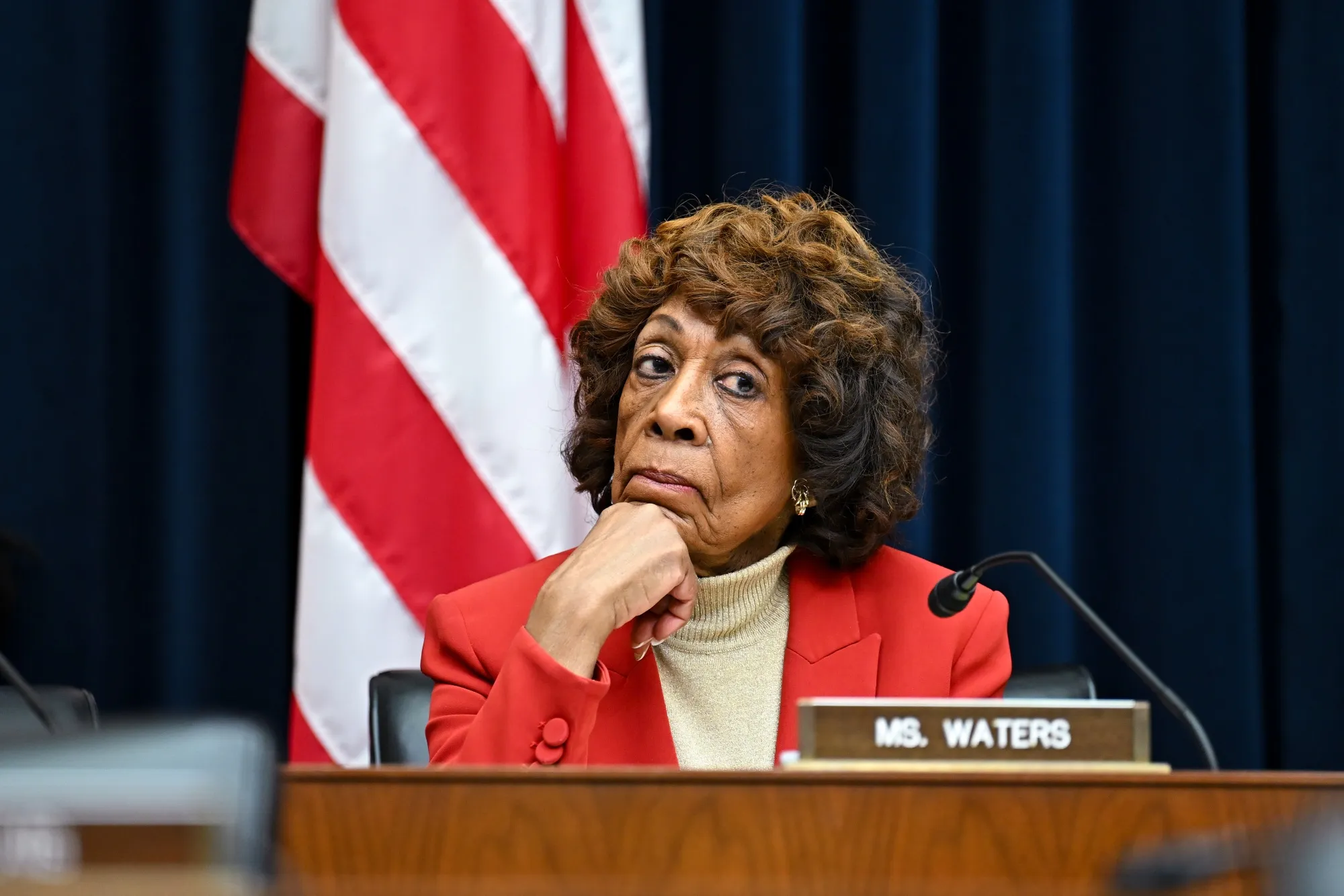
There’s something to be said for divided government if it produces gridlock. A cynic might conclude that if Congress and the Trump administration can do nothing together, they will do nothing wrong. Alas, there are pressing issues that can’t wait in finance and banking, including the risks of private credit, the security of crypto, the proper level of capital and the role of artificial intelligence. Bloomberg’s Katanga Johnson and Lydia Beyoud surveyed the new landscape right after the votes from the US election were tallied; you can read the full roundup here.One of the biggest variables is who will lead the key congressional panels with oversight authority. On the House side, Sean Casten is mounting a challenge to lead the Financial Services Committee, potentially replacing long-time banking gadfly Maxine Waters; the handicapping for now says she’ll hold on.In the Senate, Elizabeth Warren, another frequent critic of financial firms, is poised to head the Senate Banking Committee. She’s calling for more stress testing, pushing back against the deregulatory tide and perhaps setting the stage for some interesting chats with JPMorgan Chase’s Jamie Dimon, who has railed against overregulation and called stress tests a “waste of time.” Warren is also a defender of Federal Reserve autonomy for setting interest rates, which could provide Chairman Kevin Warsh some insulation from administration attacks while he’s deciding what to do about inflation.Metaphorical gridlock isn’t so bad compared with its more literal forms. We’re talking about Paraguay, where thousands of people were locked out of their Ueno Bank accounts and businesses warned about “semi-paralysis” in commerce. The digital bank looked like a runaway success as recently as March with a record bond sale and backing from Hungary’s OTP Bank. But concerns arose about lending to companies tied to its controlling shareholder, investigators found solvency shortfalls and Ueno wound up seized by the authorities. In perhaps the ultimate form of regulation, arrest warrants have been issued. — Rick Green
The following was produced with the assistance of Bloomberg Automation.
Top stories
Banking braces for Democratic oversight. With control of Congress changing hands in January, the new majority may focus on issues surrounding private credit, bank regulation and prediction markets. Elizabeth Warren and Maxine Waters have been critical of Trump-era proposals and have called for more oversight and regulation. Expect more inquiries into digital assets, artificial intelligence and the financial services industry’s ties to convicted sex offender Jeffrey Epstein. Waters has also questioned a Labor Department proposal giving private credit and crypto more access to retirement savings plans. UBS cuts about 200 London jobs. As the integration of Credit Suisse nears its end, cuts were carried out across the bank’s units, including wealth management and investment banking; some employees are being offered new roles within the bank. UBS’s combined workforce has dropped by about 18% since the takeover of Credit Suisse.Bank accounts vanish before dawn in Paraguay. Ueno Bank, which caters to one in every three Paraguayans, was shut down for solvency reasons while most of the country was asleep. The fiasco is rippling through businesses that had come to rely on the digital bank, with Paraguay’s association of importers and retailers saying two-thirds of electronic transactions at large retail stores were made through Ueno accounts. Demonstrations followed; the National Police went on full security alert and deployed officers to bank locations across the country.

Asia banks hit by funding costs and credit charges. Rising interest rates are eroding profitability for lenders across Asia Pacific due to higher funding costs and bigger outlays for credit losses. Banks in Australia and Singapore are setting aside more money to cover potential bad debts and defaults and net interest margins are shrinking. Bank leaders are warning of a tougher road ahead due to geopolitical risks and higher energy prices and positioning for the tougher environment by cutting jobs and simplifying operations.Cyber thieves drain cash from French bank. Crédit Mutuel Arkéa said hackers gained access to its computer systems, underscoring the growing cybersecurity risks for the banking sector. The situation is “under control” and there won’t be a financial hit to clients. It’s the latest example of cyberattacks on banks around the world. The State Bank of India, the country’s largest lender by assets, recently launched a probe after a suspected cyberattack exposed thousands of customer records containing personal information. In Japan, a wave of data breaches has hit companies including Daiwa Securities Group, East Japan Railway and SoftBank, prompting government officials to step up cybersecurity measures.

UBS Group compromise emerges. A new proposal arose in the Swiss parliament in the debate over UBS Group’s future capital requirements, in the latest attempt to ease government demands that the lender says would make it uncompetitive. A member of the Swiss parliament’s lower house wants to let UBS use more conservative valuations for its foreign units when calculating how much additional equity capital it needs to hold, according to people familiar with the proposal. The move potentially reduces the current $16 billion increase in requirements that the bank faces.Barclays scrutinizes flood potential. The UK bank has been stepping up its review process to ensure it detects client exposures to intensifying flood risks. The move comes amid growing anxiety about the availability of insurance for properties at risk of flooding. Last year, the Bank of England’s Prudential Regulation Authority unveiled guidelines adding to pressure on banks to conduct closer analyses of flood, storm and other climate-related risks. Barclays published a survey of UK business leaders that showed 86% have already had difficulty obtaining climate-risk insurance. JPMorgan Chase expands in Dubai. The US bank is opening a branch of its private bank in Dubai’s financial center to serve clients across the United Arab Emirates and the wider region. JPMorgan has more than tripled its Dubai-based private banking team over the past year ahead of receiving authorization for the branch. Dubai has continued to draw financial firms, wealth managers and family offices despite the monthslong Iran war, helped by its low-tax regime and legal framework based on English common law.
People moves
PJT Partners hired Ros L’Esperance, a senior investment banker who left UBS Group this year. L’Esperance will join PJT in New York as a partner in the strategic advisory group. At UBS, she was executive vice chairman of the investment bank, where she co-headed the strategic client group. She previously worked at Barclays and Lehman Brothers, according to her LinkedIn profile.
Video
Robinhood wants a piece of the Anthropic action. CFO Shiv Verma said that the company is in a “food fight” for retail access to shares in Anthropic’s upcoming IPO. Verma said Robinhood is going to let trading momentum on Robinhood’s platform drive the argument for access.
Bloomberg Opinion
Wall Street helps build a global yuan. Even as Washington debates financial decoupling and policymakers fret about the yuan’s expanding international role, America’s megabanks are tapping the very pools of Chinese capital that are helping deepen the offshore market in Hong Kong. Instead of retreating from globalization, writes columnist Andy Mukherjee, Wall Street is quietly helping Beijing turn the yuan into a viable funding currency — one dim-sum bond at a time.
Before you go...
Wall Street Banks Are Finally Seeing China Bets Pay OffJust a few years ago, some deemed the country uninvestable. Now the likes of JPMorgan and Goldman are riding a wave of deals as more Chinese firms go global.
More From Bloomberg
Enjoying Banking Monitor? You might also like:
The Women, Money & Power Report for elevating the perspectives of women leaders and experts shaping global financeThe Brink for exclusive coverage of corporate distress, bankruptcies and turnaround storiesOdd Lots for Joe Weisenthal and Tracy Alloway’s daily newsletter exploring the most interesting topics in finance, markets and economicsMarkets Daily for what’s moving in stocks, bonds, FX and commoditiesEconomics Daily for what the changing landscape means for policymakers, investors and you
Bloomberg.com subscribers have exclusive access to all of our premium newsletters.