
Waymo Co-CEO Says Uber App Deal Was ‘Crapshoot’ for Riders


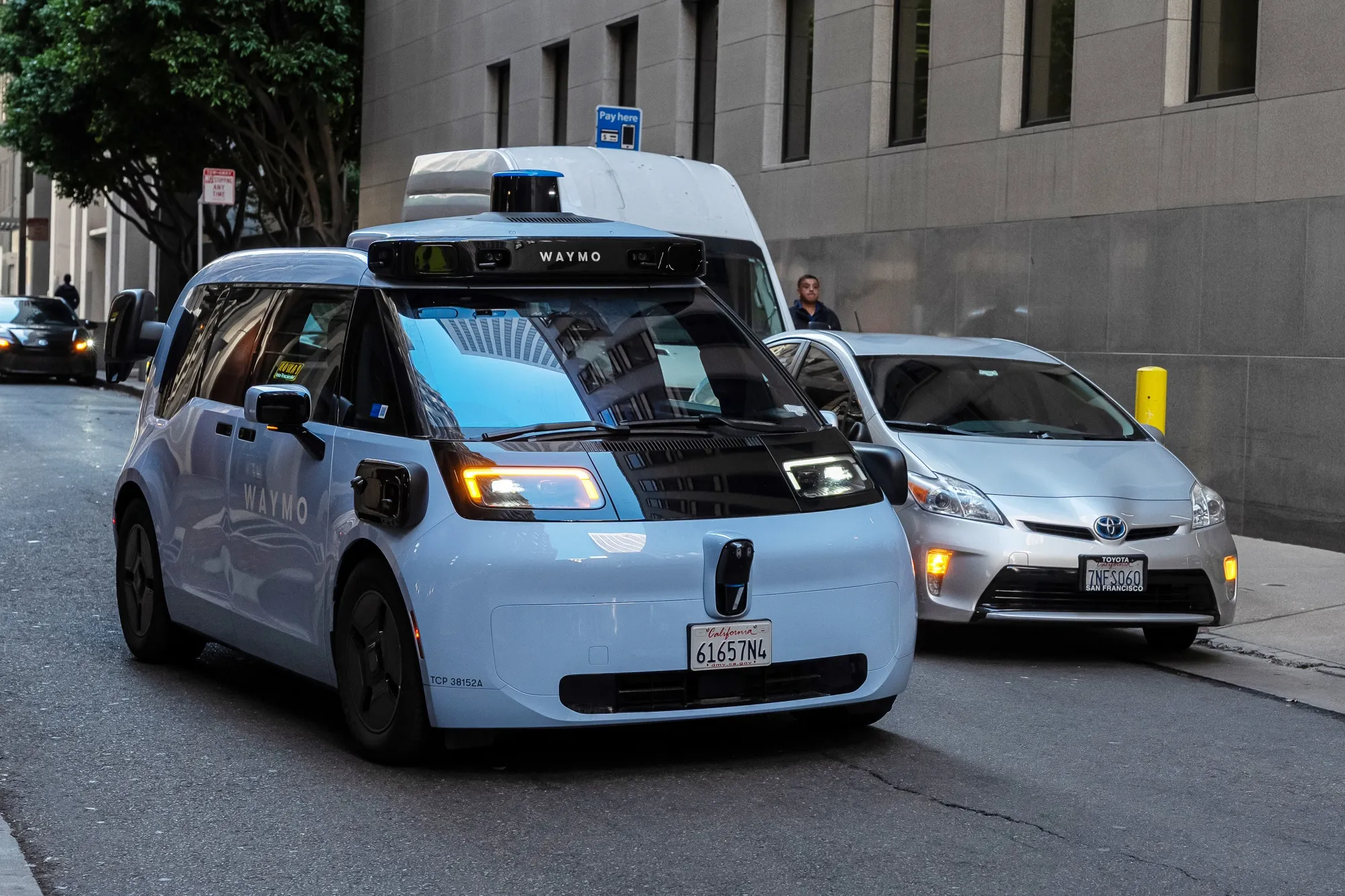
Alphabet Inc.’s Waymo Co-Chief Executive Officer Tekedra Mawakana said her company’s plan to end an exclusive robotaxi partnership with Uber Technologies Inc. was in response to customer feedback asking for more consistency when ordering self-driving services.
For now, customers in two US cities — Austin and Atlanta — that want to hail autonomous Waymo vehicle rides can do so exclusively through Uber’s platform. That will change in January 2028, when Waymo said it intends to launch the service through its own app in those cities, stepping up the rivalry between the two companies.
Mawakana said her company decided to make the shift because riders who want Waymos in Austin and Atlanta have no guarantee of getting one. Though they can indicate a preference for an autonomous vehicle in the Uber app, they may only be matched if there is one nearby.
Read More: Waymo Plans End of Uber Robotaxi Tie-Up, Stepping Up Rivalry
“In the early days, we would partner because we didn’t have the scale, and in that partnering, it was a little bit of a crapshoot. Will I get a Waymo? Will I not get a Waymo?,” Mawakana said in a wide-ranging interview on The Circuit with Emily Chang.
She cited customers’ growing demand for a consistent offering from a single app, especially from riders from San Francisco or other markets, where Waymo offers the self-driving service via its own consumer app that competes with Uber.
“It’s important for us to have that relationship with the rider. We’ve gotten that feedback from the riders in those markets,” Mawakana said.
“And at the same time, learning and partnering with Uber has been a really important part of our journey,” she added.
When reached for comment, an Uber spokesperson said the ride-hail company had asked Waymo about adding a robotaxi ride option for Austin and Atlanta customers to more easily select that kind of trip, but Waymo said no. A Waymo spokesperson declined to comment on its discussions with Uber.
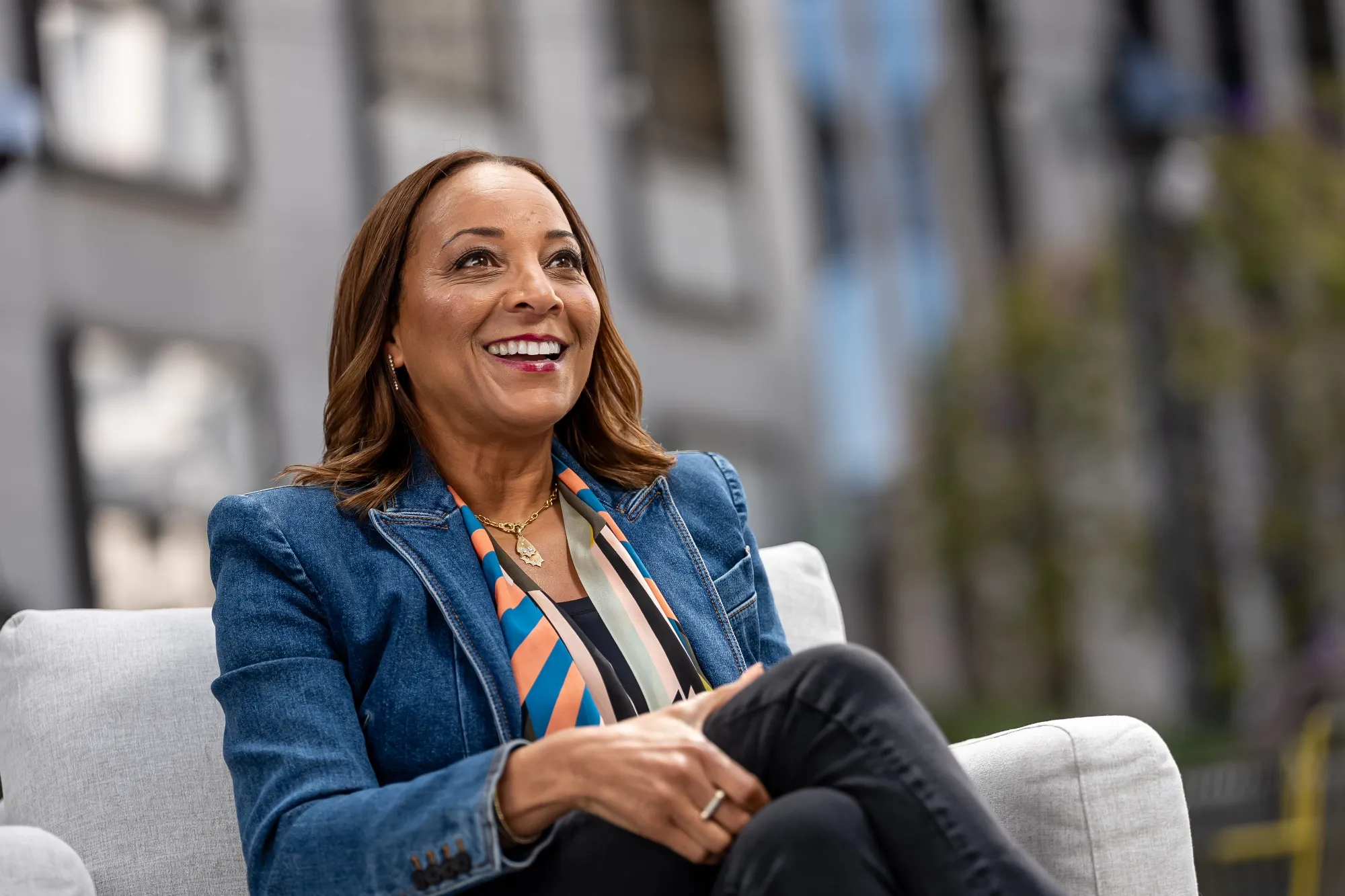
The comments reflect Waymo’s evolving relationship with the ride-hailing giant as the Alphabet unit trials different pathways to commercialize its capital-intensive autonomous technology. Waymo has leaned on partners like Uber and Lyft Inc., as well as fleet management companies, to help operate its roughly 4,000 vehicles across the US. The company currently does more than 500,000 trips per week in 14 cities.
Even as Uber and Lyft have positioned themselves as facilitators of self-driving technology — offering their expertise managing a demand-and-supply network and connections with fleet operators and facilities — some investors have questioned their future as autonomous vehicles become more commonplace. That’s especially as Waymo and Elon Musk’s Tesla Inc. have decided to rely on their own robotaxi apps rather than deepening their relationships with the ride-hailing networks.
At the same time, it’s still an open question when Waymo might make a profit, as it is currently investing heavily to expand its fleet and market presence, and into research and development and other maintenance costs. Waymo rides on average still cost more than cabs or ride-hails, which could deter inflation-weary customers.
“Price is not the first priority,” Mawakana said of the competitive dynamics. “We are not trying to have this race to the bottom on what we’re offering to our riders. We really want to elevate the experience over time.”
Eventually, Waymo also wants to generate revenue from licensing its self-driving technology to automotive companies, which can in turn sell the high-tech cars to regular consumers.
But Mawakana acknowledges that there is still work to be done to improve the technology. Waymo has hit several high-profile snarls in the past year as it expanded into new markets, including driving into freeway work zones and traversing flooded roads. That has led it to file official recalls with the safety agencies for its software’s driving behavior.
Read More: Robotaxis Are Here. So Why Aren’t They Taking Over?
“For us, it’s having this attitude that we are still and always learning. The only way you accept that it’s OK for the driver to continue getting better is if you also accept, you can’t predict in advance every scenario,” she said.
Mawakana added: “We use simulation. We ingest data about things we’ve never encountered ever, and then we come up with a thousand scenarios that are adjacent to the thing that we are ingesting just to try to accelerate our learning.”