
Europe Braces for Results of US Midterm Elections


Welcome to the Brussels Edition. I’m Oliver Crook, chief Europe correspondent for Bloomberg Television, bringing you the latest from the EU. Make sure you’re signed up.
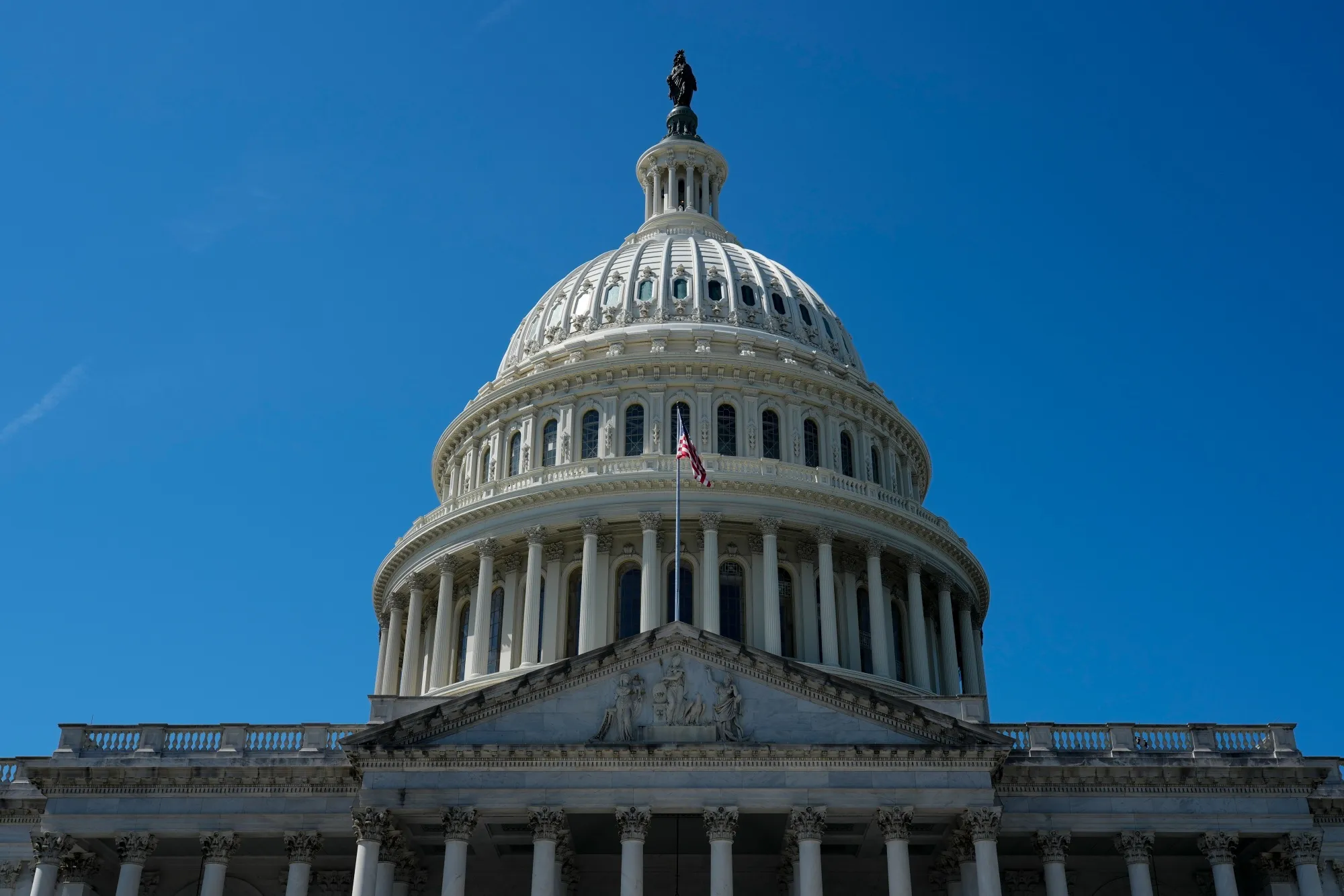
Good morning from New York City. It’s election day here, and the United States (and the rest of the world) is bracing for the results of the midterms.
The first polls in Indiana and Kentucky close at midnight CET, and last polling station in western Alaska closes at 7am CET tomorrow.
The final results could take days to determine, but within a few hours of polls closing, some key races may give us an indication of whether or not a “blue wave” is truly materializing.
The Democrats have good reason to believe that they will flip the House of Representatives and, if recent polls are to be believed, they stand an increasingly good chance of taking the Senate. That said, as we’ve learned over the last few cycles, the polls can be off (way off).
But even Trump himself seems to be preparing for the possibility of a “blue wave.” A loss of one (or both) of the houses of Congress would create major issues for his domestic agenda.
Still, a lame duck domestically can mean a more active one internationally. If he can’t achieve big things at home, he may turn his eye on the global stage.

That creates both risk and opportunity for Europe. During the 2024 campaign, Trump famously claimed he would end the war in Ukraine in 24 hours. If that is an achievement he would like to add to his legacy, he may renew the effort to end the war. But will that mean a more balance approach to Ukraine or additional concessions to Putin? That is less clear.
There are also questions about what this referendum on Trump means for the ‘global MAGA’ offshoots, which have been dealt some recent blows. Former Hungarian Prime Minister Viktor Orban made much of the special relationship with Trump, basking in the afterglow of the 2024 election, only to be wiped out in a landslide election at home. In Brazil, left-wing incumbent President Lula da Silva beat the ‘Trump of the tropics’ Flavio Bolsonaro. And in Serbia, strongman Aleksandar Vucic was just toppled by a student movement seeking to align the nation more closely with EU values.
While some right-wing parties in Europe like France’s Rassemblement National and Germany’s Alternative for Deutschland are leading in polls, part of their task is convincing voters they are a safe pair of hands. So over-indexing towards Trump, who has been exceedingly erratic, can turn into a liability.
The midterms also cast Europe’s minds forward to what comes after Trump for American foreign policy. Secretary of State Marco Rubio in his periodic visits to the continent gives his vision: he claims that his flavor of right-wing politics is the heir apparent to western civilization, which in Europe has lost its enterprising spirit.
But a ‘blue wave’ will bring to focus a topic talked less about: what is this Democratic party’s foreign policy? Is it a return to American traditional alliances? To free trade and tearing down protectionism? Perhaps not.
Even Joe Biden, who was staunchly pro-Europe and intensely pro-Ukraine, passed the Inflation Reduction Act — a protectionist piece of industrial legislation that ruffled feathers across the pond. A Democratic president may be more aligned with Europe than Trump, but it’s unlikely to be a full swing back.
In the meantime, Europe awaits the latest referendum on Tumpism, coming almost 10 years to the day after he defeated Hillary Clinton in 2016 and began a political revolution that has reshaped both sides of the Atlantic.
Around Europe
Prime Minister Andy Burnham has denied proposing a return to free movement of people with the European Union. Bloomberg reported yesterday that EU nationals are expected to pay the same university fees as British students as part of a broader deal to tighten links between the two sides.Euro-area governments have been asked to submit nominations for successors to European Central Bank President Christine Lagarde by Friday.Poland’s security forces intervened after detecting suspicious activity near the border with Russia’s Kaliningrad exclave, preventing what Prime Minister Donald Tusk said may have been an attempted provocation.Lufthansa lowered its profit outlook for the year as higher fuel costs from the Middle East conflict weigh on the German airline group.The SEC should add the EU to a four-decade old list of exempted issuers, a move that would ease restrictions on US investor access to the bloc’s new bond futures market, according to a group representing hedge funds.
Seen and Heard on Bloomberg
Morgan Stanley Chairman and CEO Ted Pick suggested AI investment could reach $10 trillion to $15 trillion over the next decade, in an interview with Bloomberg.
Market SnapshotBayer AG€52.90+6.1%Market data as of 08:27 AM ET. Data is subject to provider delays.
Bayer raised its annual profit outlook after demand for some newer drugs drove a better-than-expected performance at its pharmaceutical unit. Third-quarter earnings of €1.62 billion ($1.81 billion) beat the average estimate of analysts surveyed by Bloomberg as the pharmaceutical unit offset weakness in the crop science and consumer health businesses.
Coming up
Ukrainian President Volodymyr Zelenskyy press conference this afternoon in BerlinPolish Constitutional Tribunal judges hold a general assembly this afternoonEU College of Commissioners meet in Brussels tomorrow
Final Thought
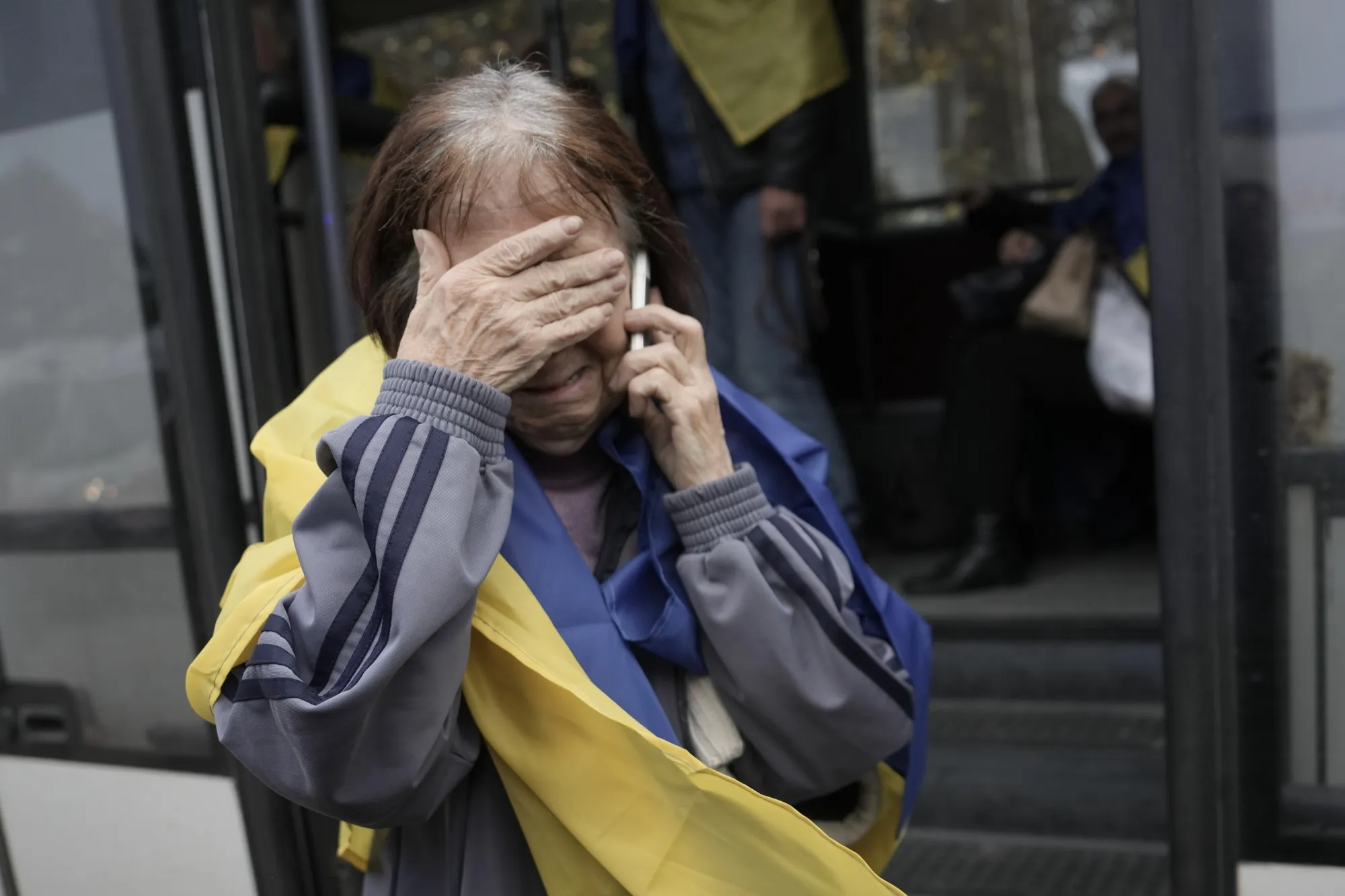
The Russian military suffered record casualties in Ukraine last month while also ceding some territory to Kyiv’s forces, according to Western intelligence data and President Volodymyr Zelenskyy. More than 54,000 Russian troops were killed and heavily wounded in October, the most since the full-scale invasion began almost five years ago, the Ukrainian leader said Sunday. Ukraine uses drone footage to document casualty numbers, which have now exceeded Russia’s monthly recruitment rate. European government assessments shared with Bloomberg show similar figures, with the proportion of troops killed also at a record.