
The Giant Asian Market Where Stock Trading Doubled in Three Years


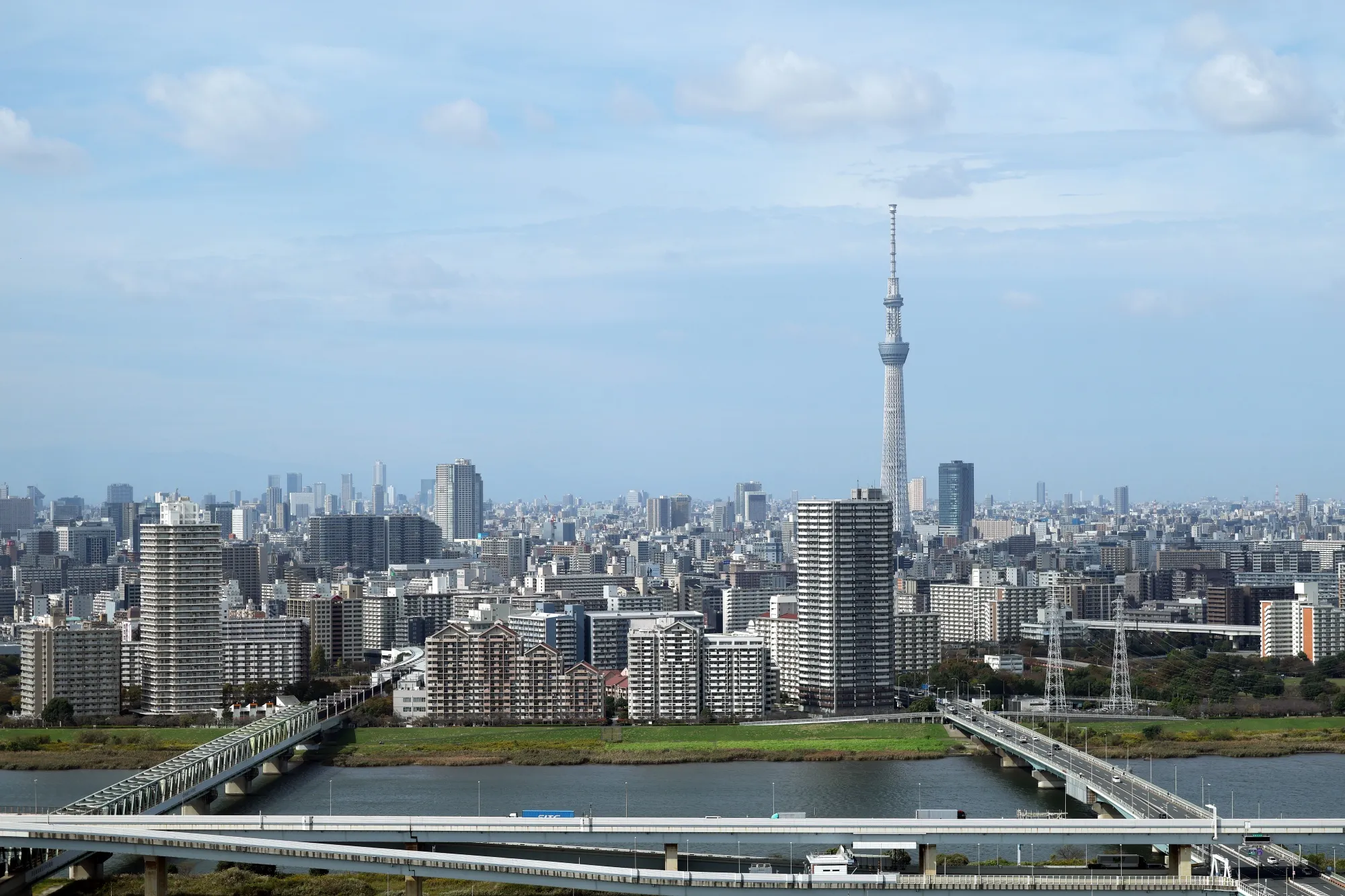
This week’s newsletter is written by Senior Editor Chris Anstey, who has spent two decades covering global economics, government and markets for Bloomberg News. Your feedback is welcome, and if you aren’t yet signed up to receive this newsletter, you can do so here.
Before I moved to Asia to lead the region’s economics coverage in late 2009, there was no question where I’d be based. Tokyo had long been the location for the job, and that’s where I was headed (and pleased to go). But even as I arrived, its legacy as a natural headquarters for Asia-wide operations was clearly waning.
While still Asia’s biggest (and the world’s No. 2) economy when I got there, Japan would lose those titles to China during my first year on the job. Hong Kong, as well as Singapore, were increasingly attractive places from which to capture Asia’s evolving dynamism. So, fast-forwarding to this month, when I heard about an initiative that was marketing Tokyo as an Asian financial hub, I naturally viewed the idea with some skepticism.
What I discovered was that the narrative is different this time. Today, the tagline is about unlocking value in Japan itself. After years of laborious work by policymakers, regulators, investors and other market participants, corporate governance reforms are now bearing some serious fruit. Things are possible today in Japan that weren’t even a decade ago, and moreover, aren’t currently conceivable in any other Asian economy of Japan’s scale.
It’s now possible for foreign firms to play leading roles in the restructuring of key parts of Japan’s business architecture, and to make big bucks in the process. As detailed below, one prime example of this new reality involves a legacy enterprise that once was targeted for downsizing by the postwar US occupation.
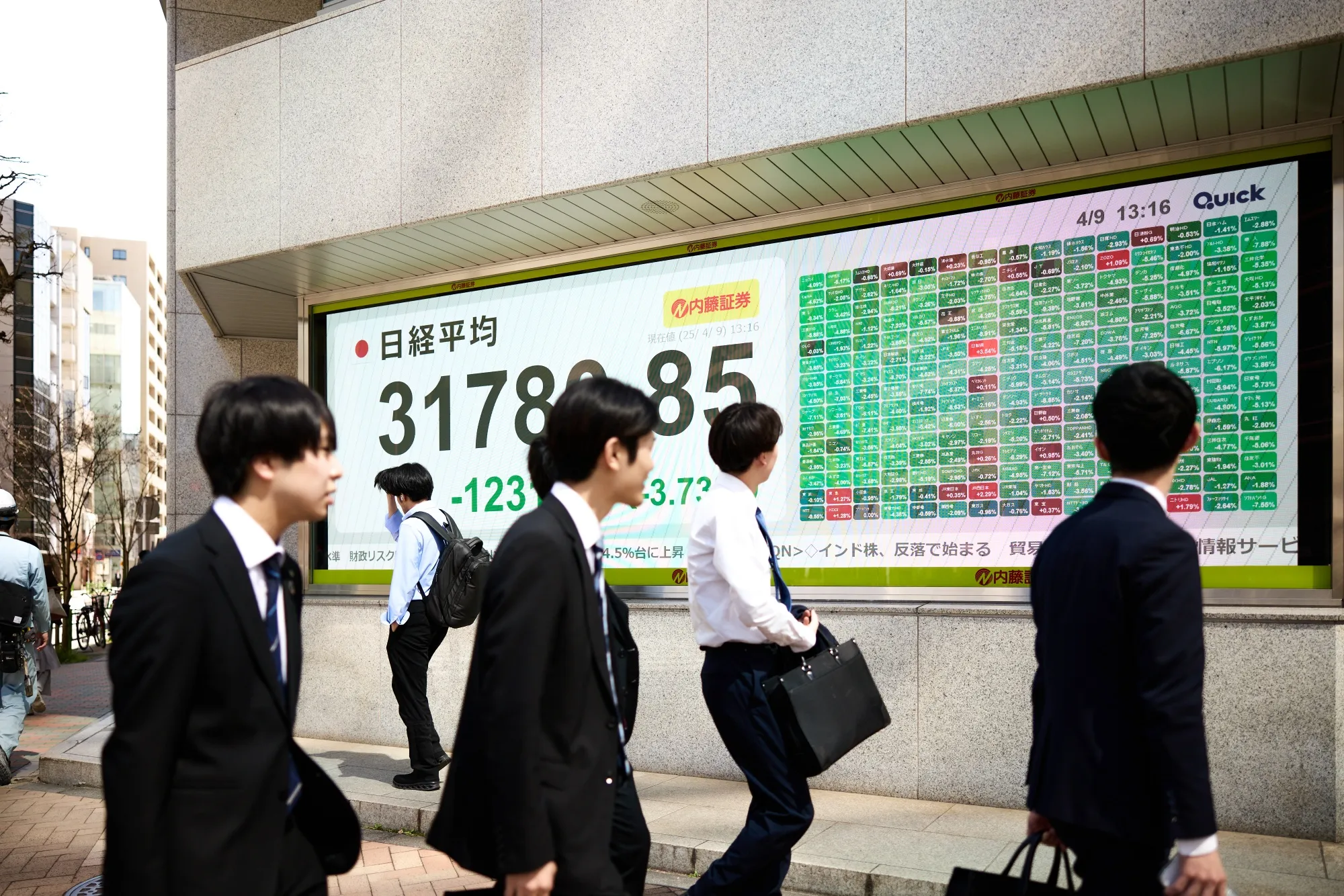
Japan is now so dynamic that stock trading is “going through the roof,” says Hisanori Koto, head of Japan equities at Bank of America Corp. Indeed, average trading volume has more than doubled since just 2022. And with regard to investing in Japan, consider this: there’s a case to be made that Japan’s demographics — typically viewed as an enormous economic handicap given the aging and shrinking population — is actually a plus.
This week in the New Economy
Lula’s fiscal plans shaped by trauma of Rousseff’s collapse.China warns of retaliation over US test lab restrictions.How Jio transformed India, one cheap byte at a time.Erdogan’s Somalia bet pulls Turkey into wider Red Sea contest.Dangote refinery IPO set for record on African and global demand.
What Tokyo advocates hope is that veteran global asset management companies will set up shop (or expand) operations in Japan to improve returns on capital. In doing so, they will boost productivity, earning the Japanese more money to subsidize swelling ranks of retirees. The lure for these companies is handsome profits as they avail themselves of the corporate restructuring options now possible in Japan — and the enormous pool of domestic savings.
A great example of what can be done is embodied in Kioxia Holdings Corp., which today is one of the world’s biggest memory chipmakers. Kioxia used to be part of Toshiba Corp. — the electronics giant whose history stretches back to the 1800s. Toshiba was once so influential that it was among 18 companies targeted in the late 1940s by the US occupation for disinvesting parts of its operations. But by the 2010s, it’s influence had waned and it was in significant trouble.
In the old Japan, such troubles would be socialized. Good parts of a business, like Toshiba’s memory chip manufacturing, would support the struggling parts. Restructuring wasn’t an option. This philosophy is what led to the nation’s lost economic decades, starting in the 1990s. But after years of corporate-governance reforms, championed by the late Prime Minister Shinzo Abe, something different happened with Toshiba.
In 2018, a group led by Boston-based Bain Capital bought its memory chip unit for $18 billion. Now called Kioxia, the firm could go full-tilt toward growth and investment. By 2024, Kioxia was listed. By July of this year, Bain had fully exited its stake, having netted around $15 billion, people familiar with the matter told Bloomberg. Kioxia is now among Japan’s top 15 firms by market capitalization.
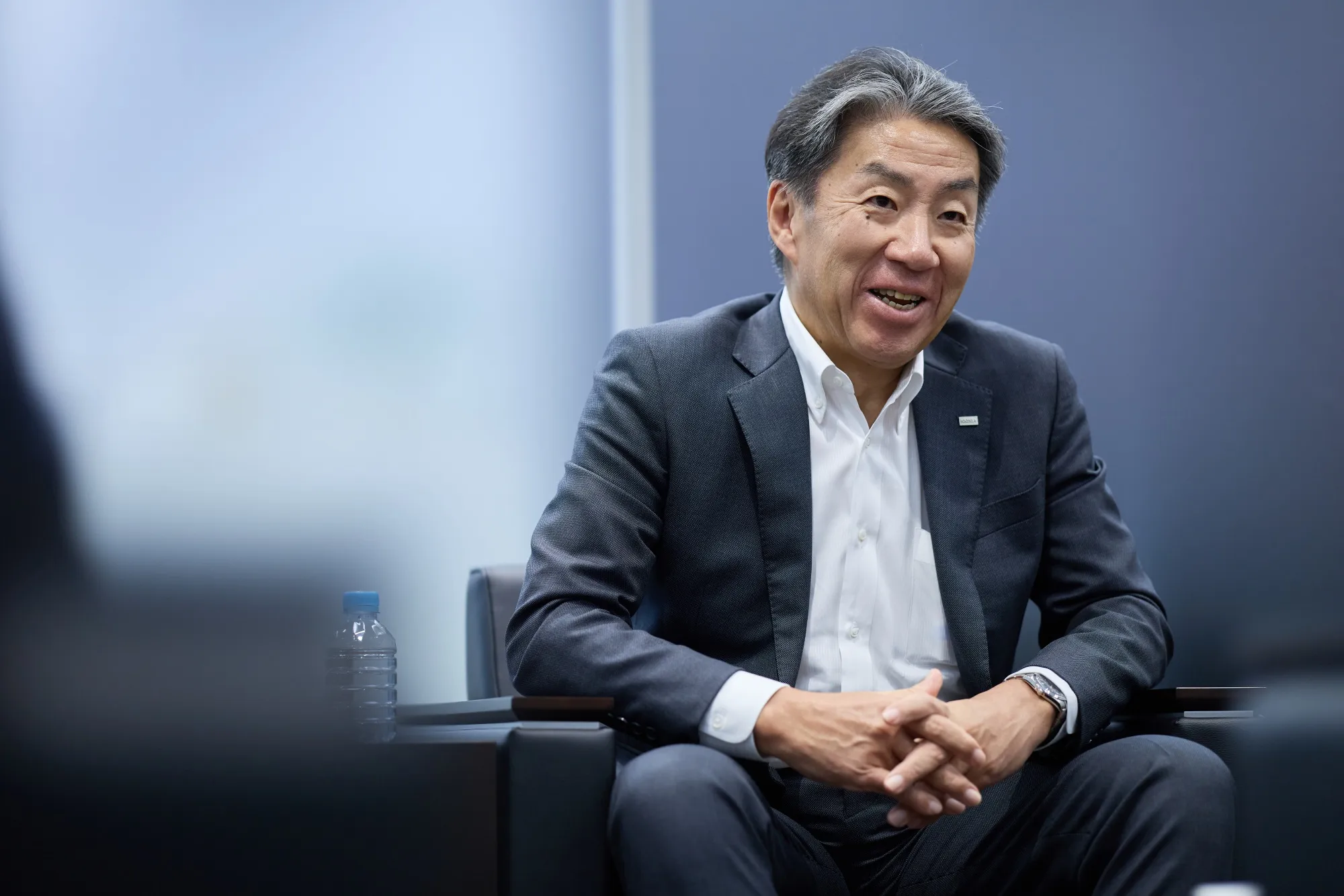
Having a foreign private equity firm come in and slice off a crown jewel of Japan’s technology sector, revamp it and make a fortune in the process would have been inconceivable in the old days. (It’s also inconceivable in a place like China, where the Communist leadership has for years been pulling out all the stops to remove any foreign presence from its tech supply chain.)
“The mindset has changed in Japan,” says Paul Sheard, who’s been following the nation’s economy since the 1970s and previously served as S&P Global’s chief economist. “I see enormous scope for that kind of restructuring to take place,” he said of the Kioxia deal.

The Kioxia example is hardly an exception. New York-based KKR made 20 times the value of its initial investment in chip gear-maker Kokusai Electric Corp., with total proceeds clocking in at $5.5 billion. Kokusai was hived off from Hitachi Ltd., another Japanese corporate giant, which once modeled itself on America’s General Electric Co. and was the nation’s second-largest manufacturer. Again, it is very tough to imagine such a deal in China.
As for the public markets, interest in Japan’s equities is soaring among a generation that’s grown up knowing that sticking to cash is a losing strategy amid inflation. The cohort that lived through the bubble collapse of the 1990s is now moving off the scene. There’s a new generation of business managers taking charge who’ve been accustomed to nominal GDP growth.
“The household sector’s money is now moving,” says Tokio Morita, executive director of FinCity Tokyo, a partnership to promote Tokyo as a top-class financial center. Morita, who previously worked at Japan’s financial regulator, says “if they put money in deposits, the inflation will bite their financial assets. People have started really recognizing that, so that’s a real change.”
David Semaya, who serves as an “ambassador” for FinCity Tokyo and whose experience in Japan dates back to the 1970s, says “there was a generation that wouldn’t invest at all because of the experience they had with the bubble, and that’s now gone.”
In the corporate sector, there are many firms that were run by the same family for generations. Some of them are in play for mergers and acquisitions, says Semaya, now with Sumitomo Mitsui Trust Asset Management Co. That’s because the children either don’t want to go into business, or there simply are no children to take the business over.
“We look at demographics as negative,” Semaya says. “But actually I think it’s a huge positive.”
Certainly, many investors are seeing the positive. Foreign net inflows into Japanese equities have broken new ground this year, with overseas ownership hitting a record 34.7%, data showed in July.
Ryusuke Yokoyama, chief executive of Tokyo Stock Exchange Inc., said at the time of international investors, “it’s clear that their perspective on the Japanese market has definitely changed.”

More from Bloomberg
Enjoy New Economy?
Read more economic stories
Plus, here are some newsletters we think you might like
Economics Daily to discover what’s driving the global economy and what it means for policymakers and investors.Fault Lines, Bloomberg Economics’ daily geoeconomics newsletter, delivers a midday check on how geopolitical tectonic shifts are shaping the global economy and markets.Supply Lines for daily insights into supply chains and global tradeBusiness of Food for a weekly look at how the world feeds itself in a changing economy and climate, from farming to supply chains to consumer trendsBalance of Power for the latest in politics from around the globeExplore all newsletters at Bloomberg.com.