
Midterm Spending Surge Skips Ads in Spanish Despite Latino Clout


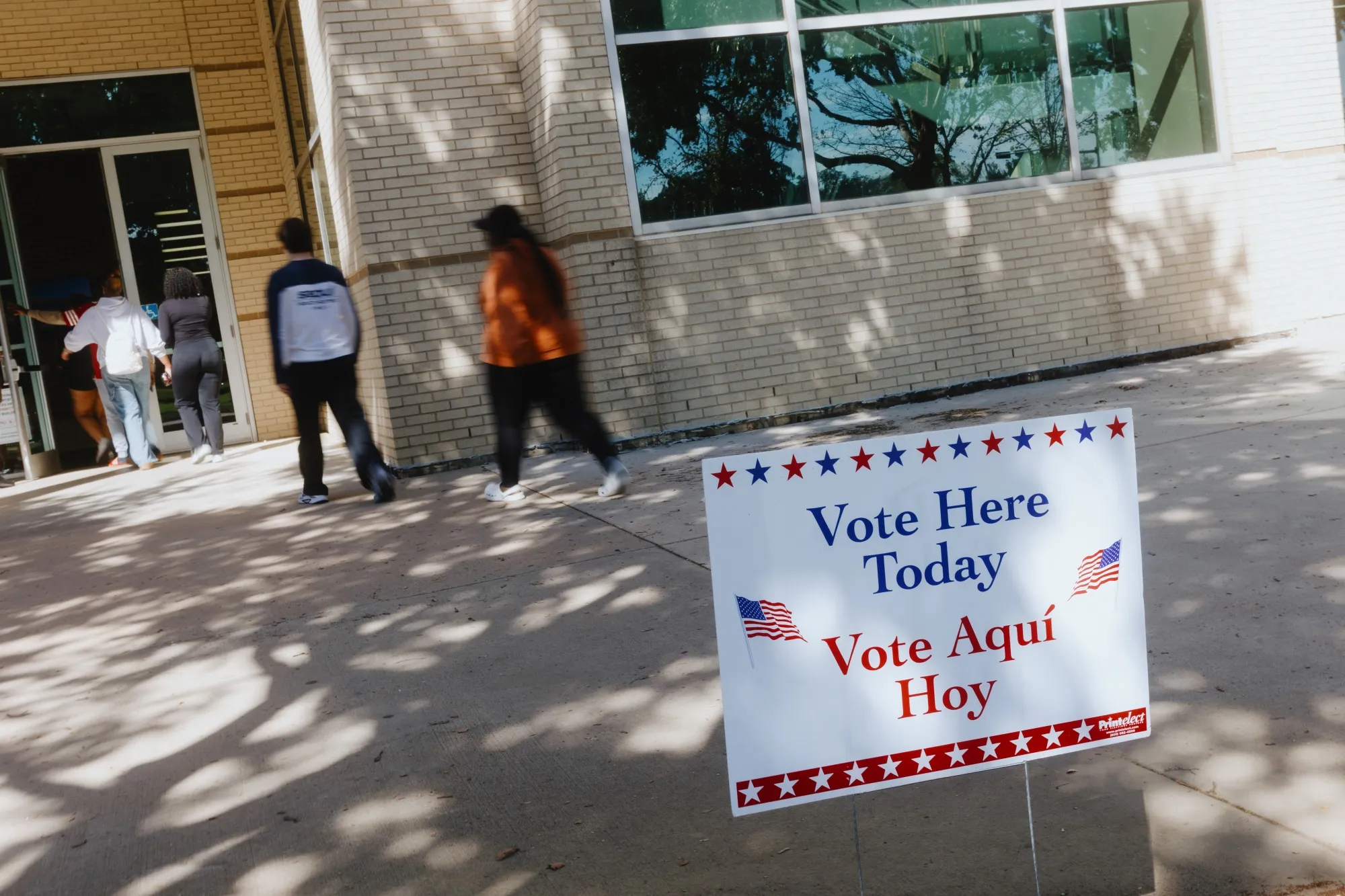
The US midterm elections are on track to be the most expensive ever, with ad spending set to top $11 billion, but the share being directed toward Spanish-language advertisements is shrinking dramatically, even with Latino voters seen by both parties as a critical swing group.
In competitive Senate races, the number of Spanish-language political ads this cycle has tumbled 81% from the last midterm elections in 2022, according to an analysis of AdImpact data through Oct. 24. Total spending on Spanish-language advertising fell 38% from $9.4 million to $5.8 million, while English-language spending more than doubled in the same period.
The disparity comes despite Latino voters having been a critical part of President Donald Trump’s winning 2024 coalition and a key constituency in competitive races across the country this year. Hispanics have also accounted for more than half of the growth in eligible voters since 2022 and now make up 16% of eligible voters, according to the Pew Research Center.
Nevertheless, Spanish-language ads have fallen to just about 1.3% of the total number of unique political creatives running in House, Senate and governor races, down from about 5.1% in the 2022 midterms, while the number of English-language ads more than tripled.
The decline is particularly stark in competitive Senate races, where AdImpact tracked just 15 Spanish-language creatives against nearly 5,700 in English — roughly one Spanish ad for every 380 English ads. In 2022, the ratio was 1-to-14.
Read More: Florida Republican Knocks Trump for Betraying Hispanic Voters
House campaigns have produced more Spanish-language creatives in this election cycle and more than doubled spending since 2022, but that growth has been dwarfed by the expansion in English-language advertising as overall spending soared.
As Latino voters have become less reliably aligned with one party, campaigns appear to be targeting them less often as a distinct ethnic constituency and more often through broader categories such as working-class voters, young men or likely midterm voters, according to Paul Westcott, president of voter data firm L2 Inc. Yet Spanish remains important in many political battlegrounds: in seven competitive congressional districts, as many as 60% of Hispanic voters requested Spanish-language ballots in 2024, according to L2.
To be sure, the national decline masks pockets of heavy Spanish-language campaigning. Marcelo Gaete, the chief government affairs officer at Entravision Communications Corp., pointed to three competitive South Texas districts where the company has seen significant investment. They were some of the districts where Hispanic voters have increasingly chosen to vote using Spanish-language ballots.
GOP Warning
“If you’re choosing to vote in Spanish, that’s an official act,” said Gaete. “Folks should be communicating to this dynamic electorate in the language that they prefer to vote in.”
A decline in ads targeting Spanish speakers is a risk for both parties. Democrats had historically banked on strong support from Hispanic voters and need to maximize turnout Nov. 3 to defeat GOP candidates in a swath of traditionally red districts and states.
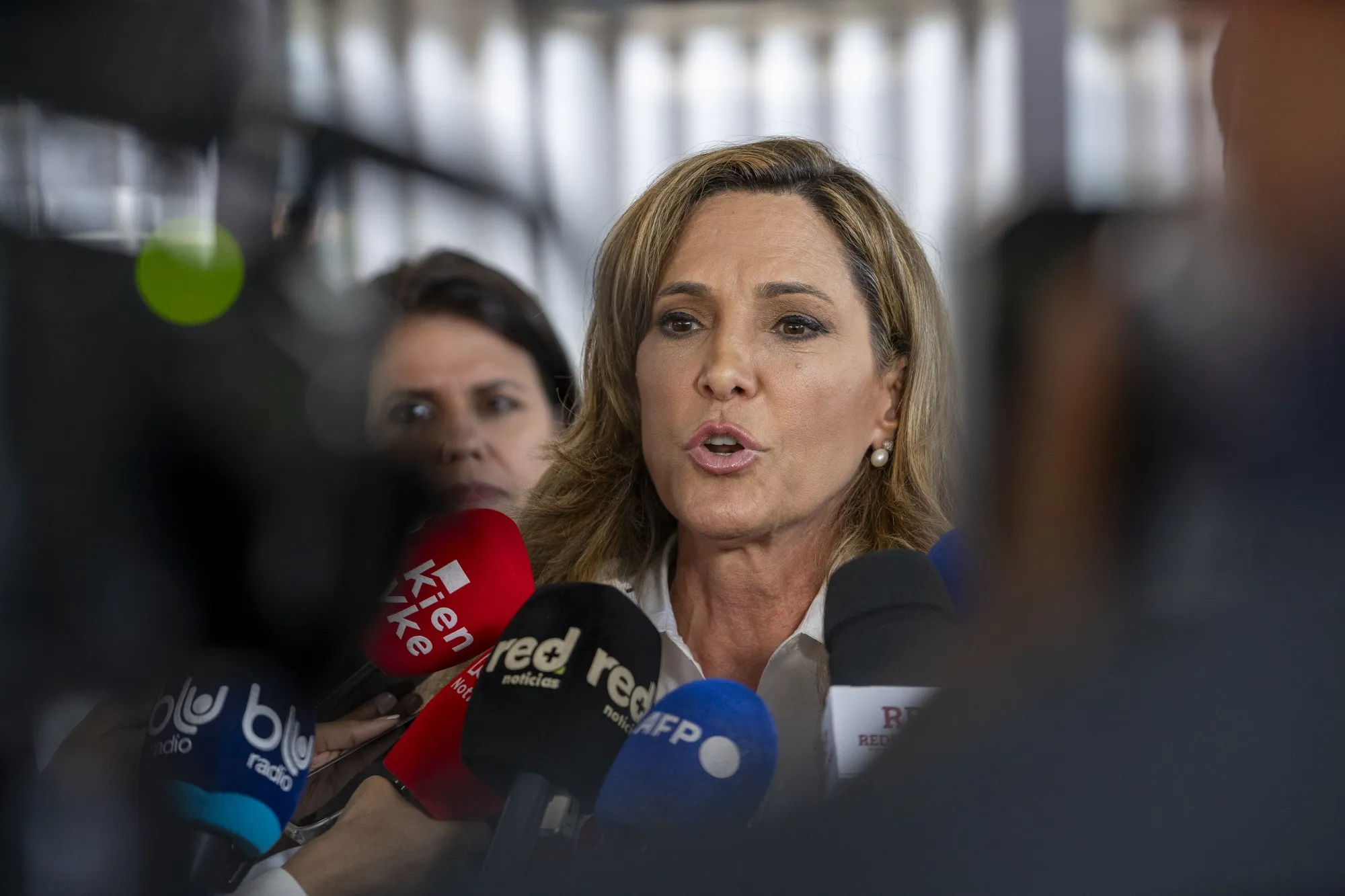
The same goes for Republicans. Trump’s 2024 victory was sealed, in part, by winning over more Latino voters, particularly men, to the GOP. But that slice of his coalition has been drifting away this year over the economy and the administration’s approach to immigration enforcement. Representative María Elvira Salazar, a Republican from Florida, warned Trump in September that his immigration efforts were going “too far,” saying too many people without criminal records were being rounded up for deportation.
Both the congressional committees for both parties said the decline in Spanish-language ads doesn’t capture the full scope of their outreach to Latino voters.
The National Republican Congressional Committee said Republican campaigns are tailoring their strategies to individual districts rather than relying on a “one-size-fits-all approach with television ads,” pointing to outreach focused on issues including costs, taxes, public safety and immigration, said Christian Martinez, the NRCC’s national Hispanic press secretary, in a statement.
The Democratic Congressional Campaign Committees said it’s spending millions of dollars to reach Latino voters in competitive districts through bilingual television ads and digital get-out-the-vote advertising.
“Our outreach also includes in-district Latino polling and community engagement to meet every voter where they’re at,” said Bridget Gonzalez, the DCCC’s Hispanic press secretary.
The Democratic Senate Campaign Committee said in a statement that the group has made “major investments in on-the-ground organizing.”
The pullback in Spanish-language advertising is sometimes framed as a response to an increasingly US-born, English-dominant Latino electorate, but survey data show the political outreach to Latino voters more broadly, in any language, has been weak.
The value of Spanish-language advertising isn’t limited to reaching voters who can’t understand an English ad. It can demonstrate cultural recognition to bilingual and English-dominant Latinos as well, according to Bernard Fraga, a political science professor at Emory University who studies Latino political participation.
“The reason to do the Spanish-language advertising is not so much to reach out to voters who do not understand English,” Fraga said. “But instead, it’s symbolic. It’s saying: ‘we see you, we hear you, we acknowledge your community exists.’”