
Shipping Strikes In Hormuz Leave Both Sides With Economic Pain


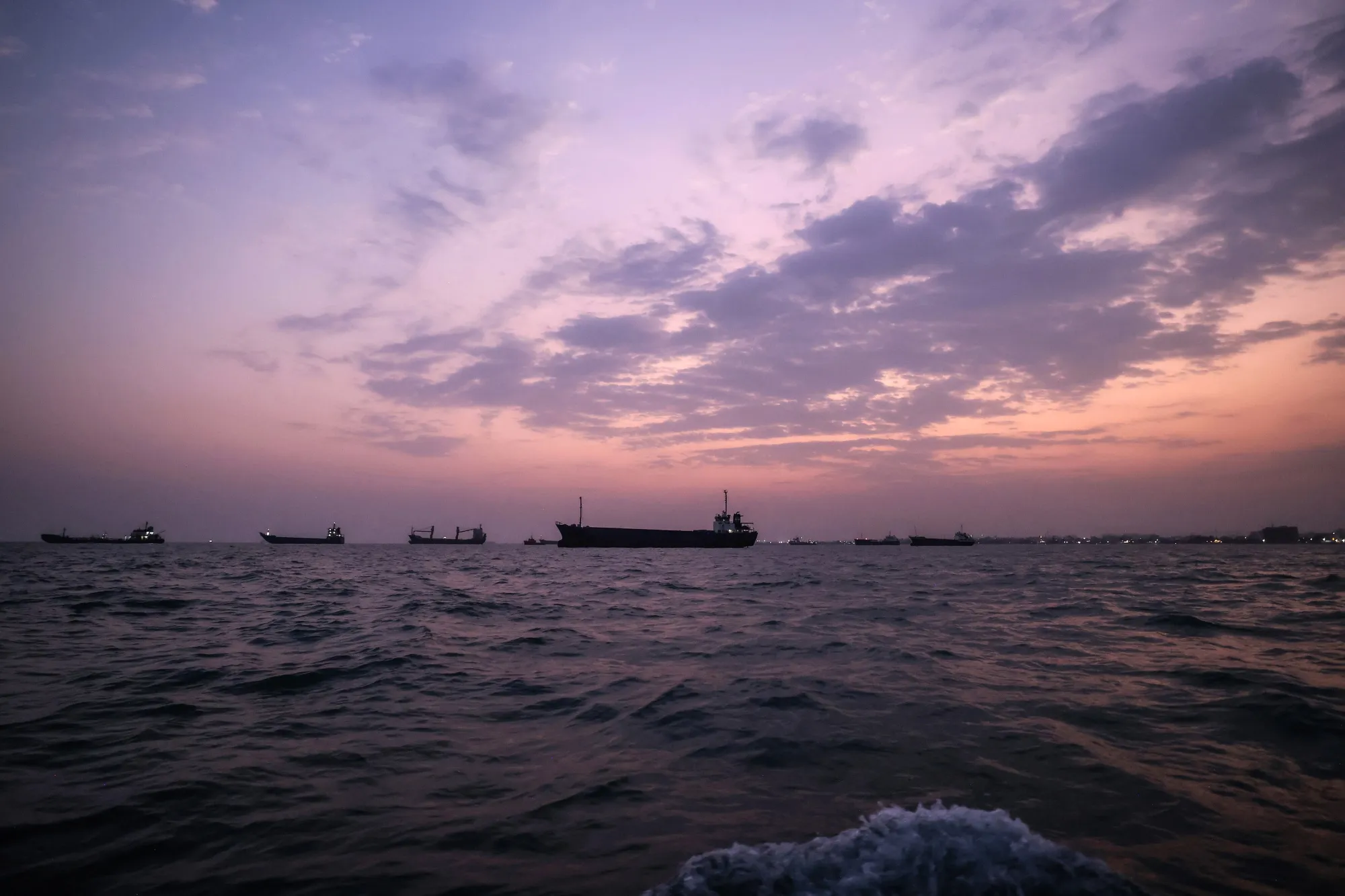
As US President Donald Trump threatens renewed attacks against Iran, Tehran’s intermittent strikes on commercial vessels have left the two sides locked in a painful economic standoff.
For Iran, the US blockade of its oil exports has snuffed out a key part of its military funding and severely hobbled the $300 billion economy, with only a tiny fraction of the prewar 2 million barrels per day are leaving the country via land routes.
And for the US, the rising cost of shipping oil through the Strait of Hormuz — even though US Central Command says almost all Iranian attacks there fail or are intercepted — has kept fuel prices high, stirring a political backlash at home with the midterm elections fast approaching.
Iran doesn’t even need a high tempo of attacks to keep oil prices elevated; although shipments through the strait are at about 80% of prewar levels, the associated risk has inflated insurance costs. It was more expensive in early October to hire a supertanker in some parts of the world than it was to send a rocket into space.
But even significant economic pain isn’t likely to change Iran’s ability to keep up “harassing fire” in the strait, said Jim Lamson, a visiting research fellow in the Department of War Studies at King’s College London and former CIA analyst focused on Iran and the Middle East. A stockpile of missile components means Tehran can continue to assemble anti-ship weapons, even though US airstrikes have severely degraded its ability to manufacture them at scale, he said.
“They have been planning for a long-term asymmetric conflict with the US for decades,” Lamson said. “Things like building in resilience, building in redundancy, building in stockpiling — these have been part of their military culture.”
Although there have been a record of at least 28 open-source reports of damage to shipping in the strait in October, Iran has not increased its volume of attacks, according to a US official with direct knowledge of the matter. Instead, more serious damage has led to more incidents being flagged, with a quarter of the reports in the first two weeks of October involving strikes on ships’ engine rooms, which can take vessels out of service.
The continued attacks by Iran leave a few options — none of them with a guaranteed favorable outcome. Trump may order the resumption of airstrikes after the election, even though these only go so far to completely shut down Iran’s ability to lob missiles into the strait — typically unsophisticated weapons that attack any ship in a target area.
That leaves making the economic cost of Iranian ship attacks impossible to bear, said John Miller, a retired US Navy vice admiral and former head of CENTCOM.
“As long as they want to have a blockade in place, they can continue to attack ships in the Strait of Hormuz,” Miller said of Iran. “This has always been the case: You can either make them unwilling or unable.”
The tanker industry is continuing to send oil out of the Middle East for now at near prewar levels, and it’s not clear what sort of escalation it would take to halt that. Transits through the waterway are earning owners of supertankers tens of millions of dollars, and the vessels’ crews several months’ pay for a few days of dangerous navigation.
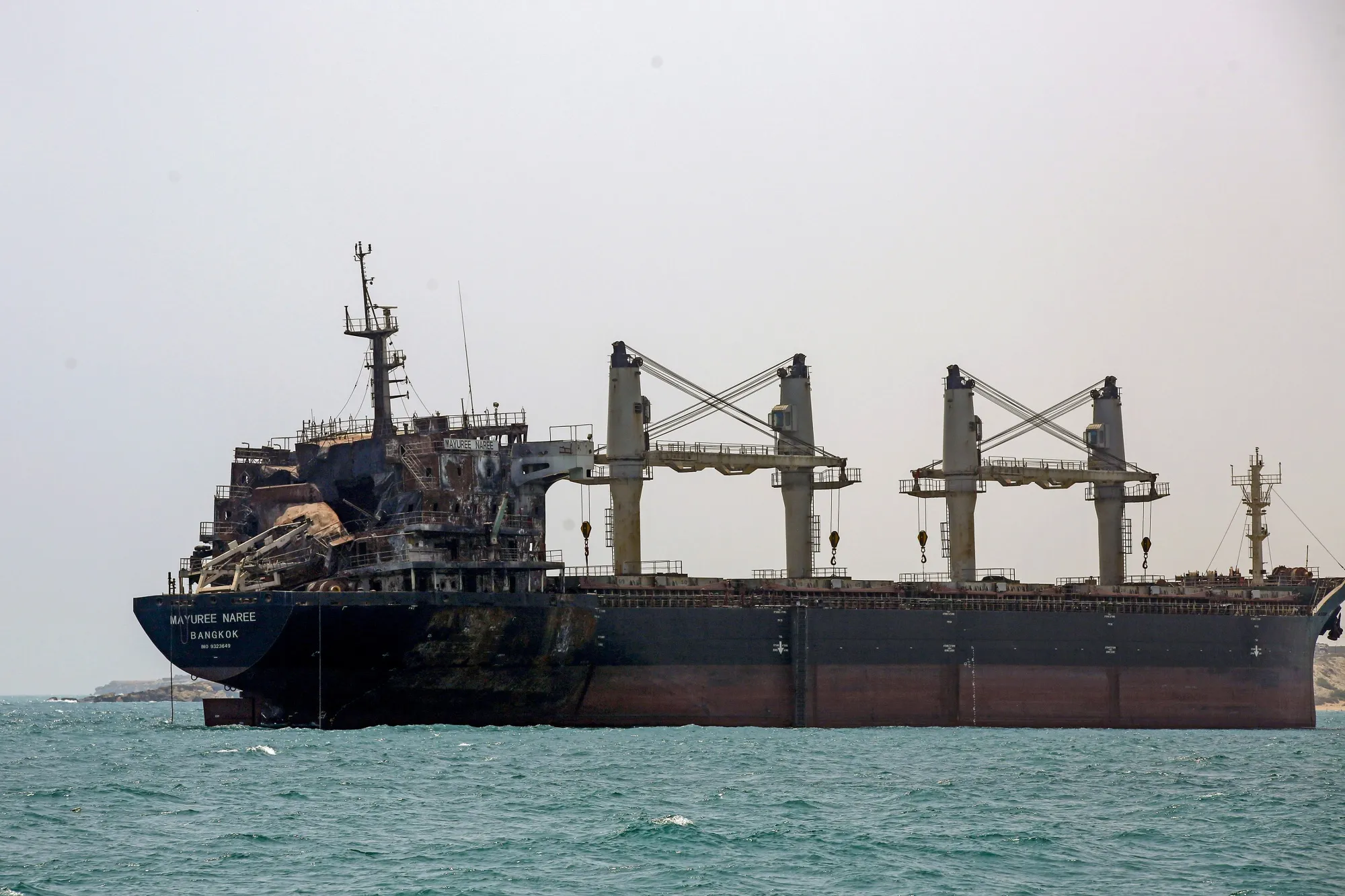
For now that’s proving sufficient to keep trade running. The International Maritime Organization estimates that there have been 121 incidents in Hormuz and the wider region since the war began, including 24 confirmed seafarer fatalities.
No ship has struck a floating mine while transiting the strait, the US official said, although Iran said as recently as late October that a mine damaged a tanker, and on Friday the UKMTO, which monitors shipping security, reported a tanker was damaged by explosives placed on its hull.
Iran is using both traditional cruise missiles and drones to attack shipping, the official said, and US forces are both organizing ship transits and protecting them, largely with aircraft overhead. CENTCOM has said about 95% of ships transit the strait without incident.
The US works directly with the shipping industry, sharing information and discussing timing, routes and numbers for vessels that want to pass through the strait in either direction, the US official said. US forces then formulate a plan for doing so safely, including what assets will be used to keep tabs on the journey and shoot down threats if necessary.
Miller said much of Iran’s ability to track anything beyond visual range of its shores had been all but destroyed over the last eight months. As a result, the weapons it uses are often fired blind, or at the general area where Iranian strike planners think ships might be. Once the missiles arrive, radar or infrared seekers guide them to whatever is nearby.
Aircraft armed with cheap munitions such as the APKWS missile, which costs about $20,000 for a BAE Systems Plc guidance kit, handle those sorts of attacks. The expensive and advanced air-defense interceptors on US Navy ships, such as the Raytheon SM-6 and SM-3 Block IIA, are then reserved for ballistic missile threats.
Trump has previewed in recent days plans for renewed attacks on Iran after the midterm elections on Nov. 3. But it’s not clear that airstrikes — especially against an adversary that has planned for decades to keep key capabilities safe against such attacks — will change the situation in the strait, said Emma Salisbury, a non-resident senior fellow at the Foreign Policy Research Institute and an associate fellow at the Royal Navy Strategic Studies Centre.
A surge in fighting could push oil prices into the $120-$130 range, according to analysis by Bloomberg Economics chief emerging markets economist Ziad Daoud.
Both sides “may prefer a brief conflict to improve their negotiating power,” he wrote.