
Water a Luxury for Angry Voters in Africa’s Richest City



Welcome to Next Africa, a daily newsletter on where the continent stands now — and where it’s headed. Sign up here. In today’s edition, we look at:
The water crisis angering Johannesburg voters Moody’s warning after downgrading SenegalWhat the biggest crypto hack means for Bitcoin
Johannesburg’s Water Woes
In South Africa’s richest city, running water is becoming something of a luxury. With an election just days away, even the governing party is angry.
Johannesburg’s residents have grown accustomed to navigating potholes, broken traffic lights and days without electricity. Now many have to work out where to find water when their taps run dry, sometimes for weeks or months at a time.
For those who can afford it, the answer is to install a storage tank, drill a borehole or pay for deliveries. For others, there’s the less-appealing prospect of queuing at communal taps or waiting for municipal supply trucks that don’t always arrive.
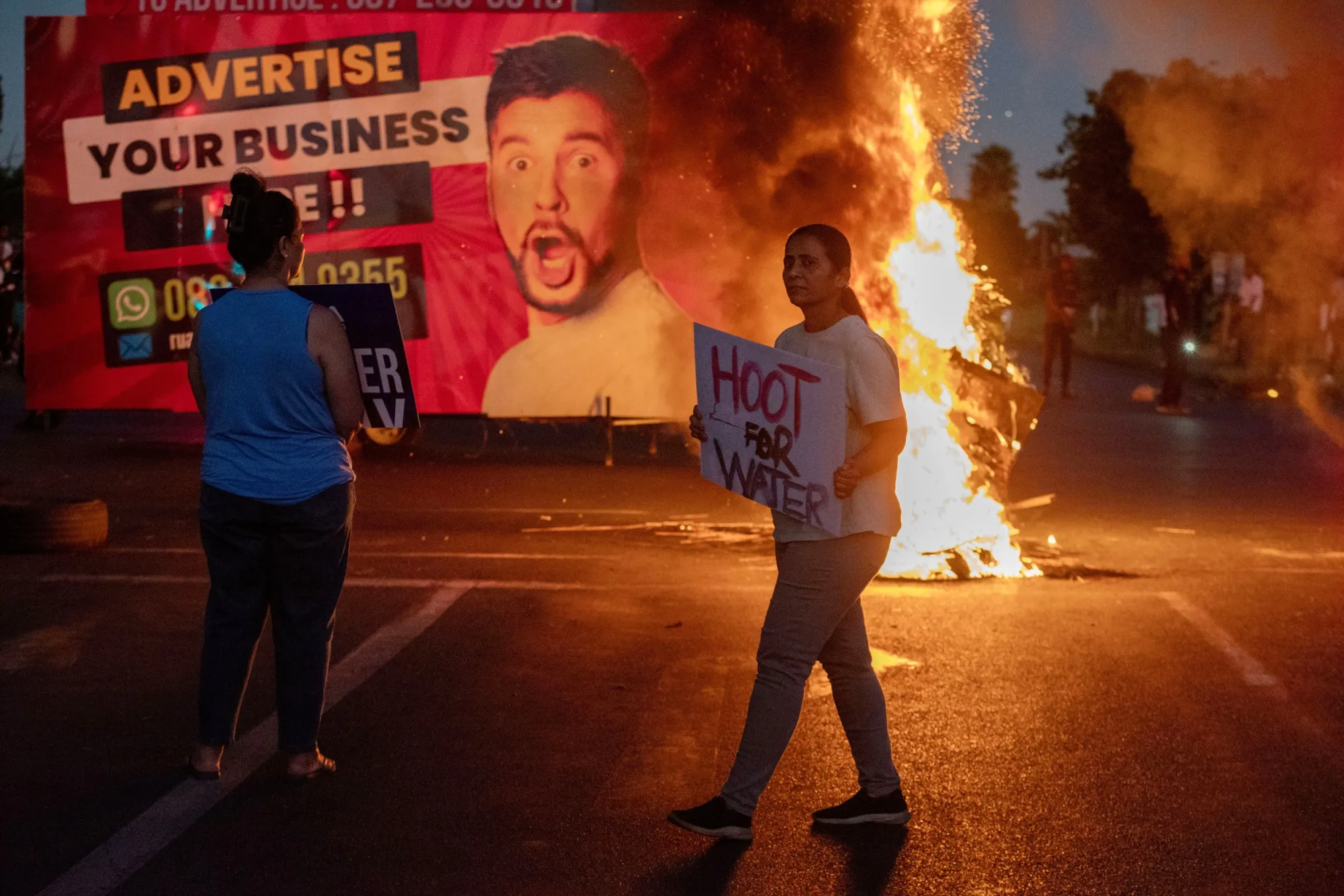
The timing could hardly be more awkward for the African National Congress, which leads the coalition government in the nation’s biggest metropolis.
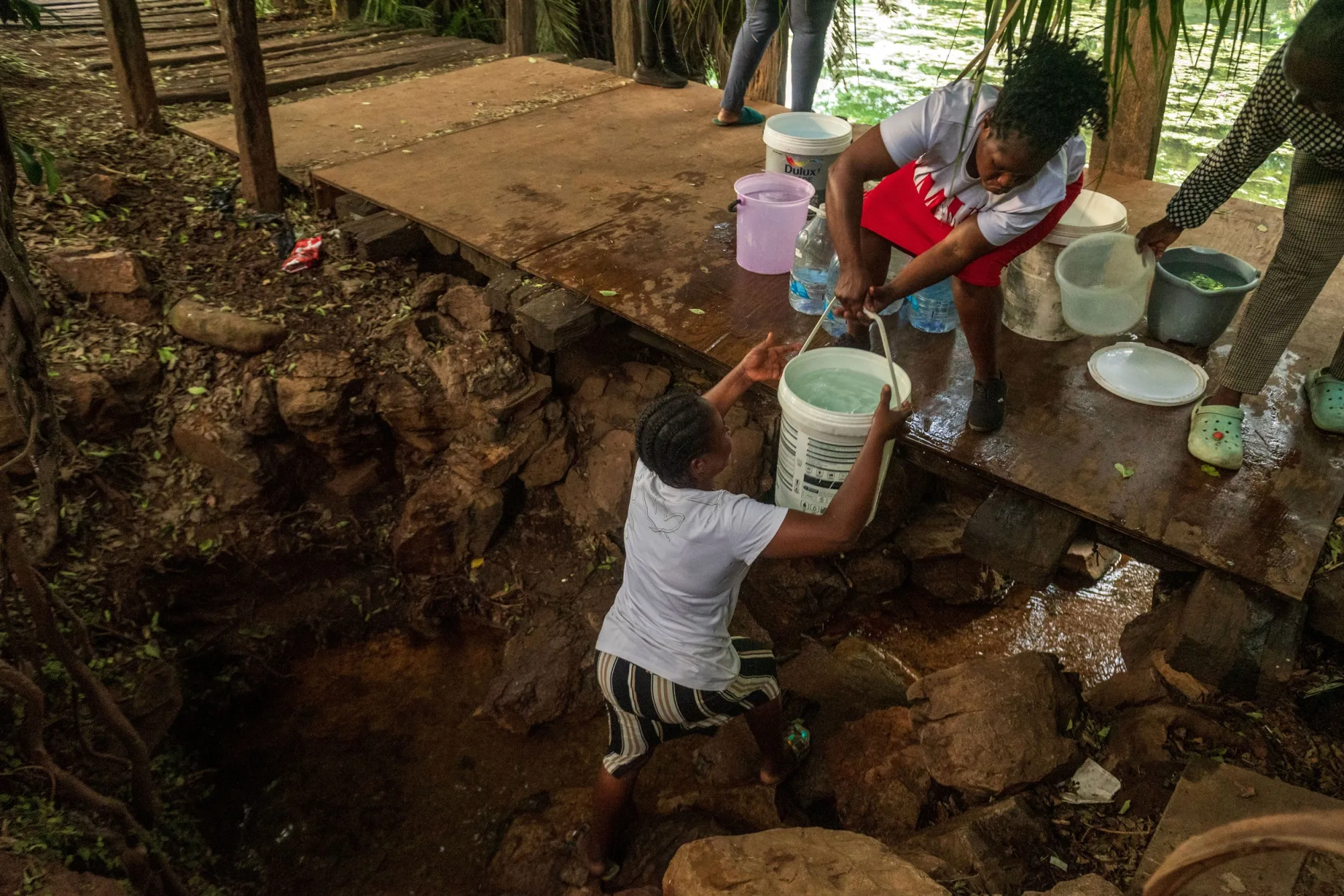
Ironically, with less than a week to go before municipal elections, utility Rand Water announced restrictions on supplies to Johannesburg and Pretoria, saying both cities are consuming more than they should.
The ANC has questioned the timing of the decision, demanding answers from the bulk supplier about why curbs are being imposed just as voters prepare to pass judgment on local government.
Yet the problems in Johannesburg — built from the riches of massive gold deposits — run far deeper than the latest restrictions. About half the water pumped through its aging network is lost to leaks, while the city faces a $1.6 billion infrastructure renewal backlog.
In some areas, pipe throttling and frequent breakdowns of ageing and poorly maintained infrastructure have become the norm. Families are rationing stored supply and deciding whose turn it is to clean themselves while small businesses have to close their doors.
The ANC lost its outright majority in Johannesburg a decade ago, and successive coalition administrations have struggled to deliver stable governance. Polls suggest it may no longer be the biggest party.
Whoever takes charge after Wednesday’s vote will inherit a city where residents and businesses increasingly pay twice for basic services, once through municipal bills, and again to provide them for themselves.
What Everyone’s Reading
Moody’s Ratings says bondholders could face wider-than-expected losses as Senegal seeks to rework billions of dollars of debt. The warning came as it downgraded the West African nation’s credit score and lawmakers seek to break an impasse over budget spending and the need to restructure its liabilities.
In this week’s Next Africa podcast, host Jennifer Zabasajja and West Africa reporter Katarina Höije delve into the deadlock and an interview with the nation’s prime minister. Matthew Hill brings wider context on what is becoming a test case for other countries in debt stress.
South African central bank modelling suggests the current policy approach will help bring inflation down to its 3% goal, as the initial shocks triggered by the ongoing conflict in the Middle East fade, according to Governor Lesetja Kganyago. He says the economy is turning a corner after years of low growth, while fiscal credibility has improved.
Kenya’s inflation rate climbed to the highest level in more than three years in October as the Iran war drove gasoline costs to a record. The quickening in price growth, coupled with pressures from grain and fertilizer disruptions could prompt the central bank to raise interest rates in December. Uganda’s inflation also surged to the fastest since 2023 as the world’s second-worst-performing currency ignited import costs. Separately, Egypt hiked interest rates for the first time since March 2024.
ETG Group, Africa’s biggest fertilizer trader, plans to build a $2 billion factory in Mozambique that would rank among the continent’s biggest as supply disruptions drive up prices. The firm plans to buy gas from TotalEnergies’ $20 billion LNG project in the north of the country to feed the urea plant. ExxonMobil meanwhile increased its stake in the planned Rovuma liquefied natural gas project in Mozambique after a swap with Eni.
Surging demand for GLP-1 medicines is helping drive double-digit growth in Dis-Chem Pharmacies dispensary revenue as South Africans increasingly turn to the expensive drugs used to treat diabetes and obesity. With prescriptions costing about 3,000 rand ($180) each, their rapid uptake is disproportionately lifting the value of the company’s pharmacy sales.
SoftBank-Backed OPay Prices Firm at $4 Billion Value in IPO
Next Africa Quiz — Which nation topped the list for Africa’s most attractive investment destination for a third year running? Send your answers to nextafrica@bloomberg.net.
What’s Coming Up
Nov. 2: Nigeria monthly PMI report; South Africa manufacturing PMI & new-vehicle sales for October, MTN Nigeria results, two-day African Financial Summit starts in Luanda, AngolaNov. 3: Angola reserves data for OctoberNov. 4: October PMI reports for Egypt, Kenya, Ghana, Mozambique, Uganda and Zambia; Ghana inflation, South Africa local-government electionsNov. 5: South Africa PMI; Tunisia and Namibia inflation for October, Safaricom resultsNov. 6: Mauritius reserves, Zambia budget speech
Last Word
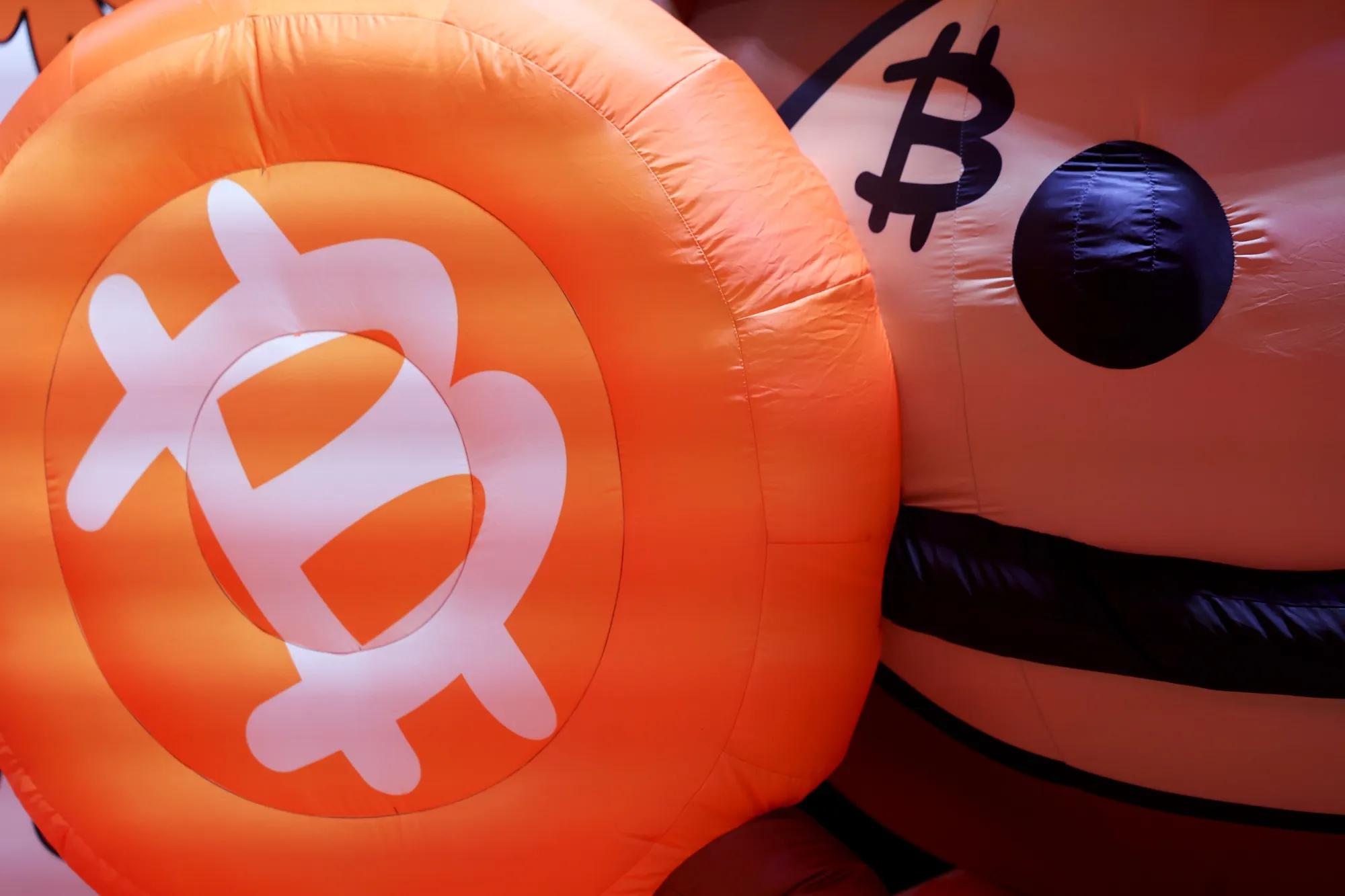
Binance, the world’s largest cryptocurrency exchange, has suffered the industry’s biggest-ever hack — $6.3 billion. The breach knocks an industry that’s seeking to expand into traditional finance. Before now, the biggest publicly known crypto hack occurred at exchange Bybit in February 2025, when attackers made off with almost $1.5 billion of tokens. Bitcoin fell on news of the Binance attack.
We’ll be back in your inbox with another edition on Monday. Send any feedback to nextafrica@bloomberg.net.
More From Bloomberg
Enjoying Next Africa? You might also like:
Businessweek Daily for fresh perspectives on business, economics, politics and techMarkets Daily for what’s moving in stocks, bonds, FX and commoditiesBalance of Power for the latest political news and analysis from around the globeBloomberg Money for insights, ideas and tools for doing more with your moneyAI Today for a chronicle of the disruptions and threats of AI on businesses, workers, finance and economies