
Budget Feud Casts Pall Over Senegal’s Debt Fix


Welcome to Next Africa, a daily newsletter on where the continent stands now — and where it’s headed. Sign up here. In today’s edition, we look at:
The wrangling over Senegal’s national budgetRussia supplying Ethiopia with fighter jetsSub-Saharan Africa’s urban planning challenges
Fiscal Fault Lines
Senegal’s government is in a bind.
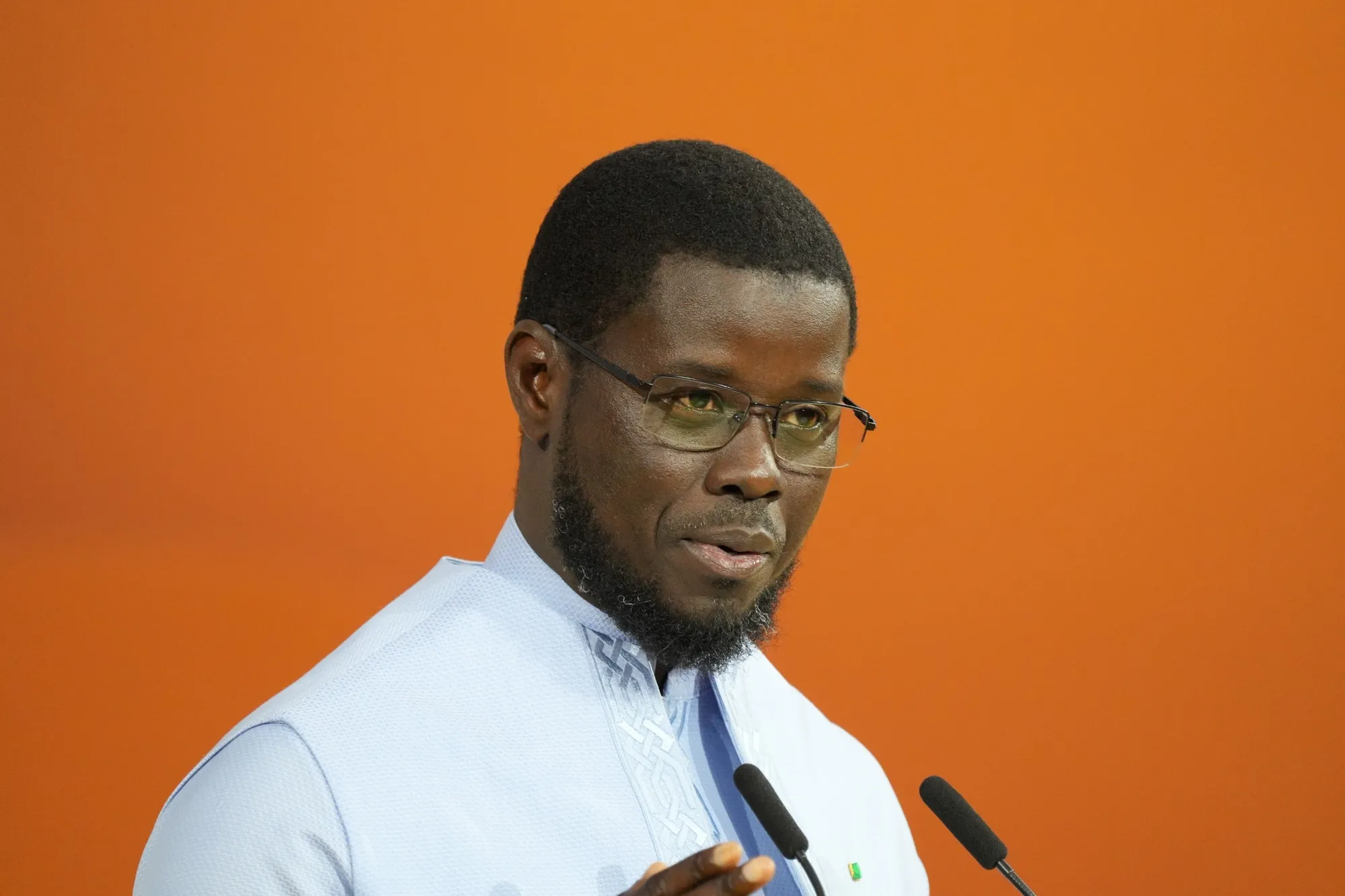
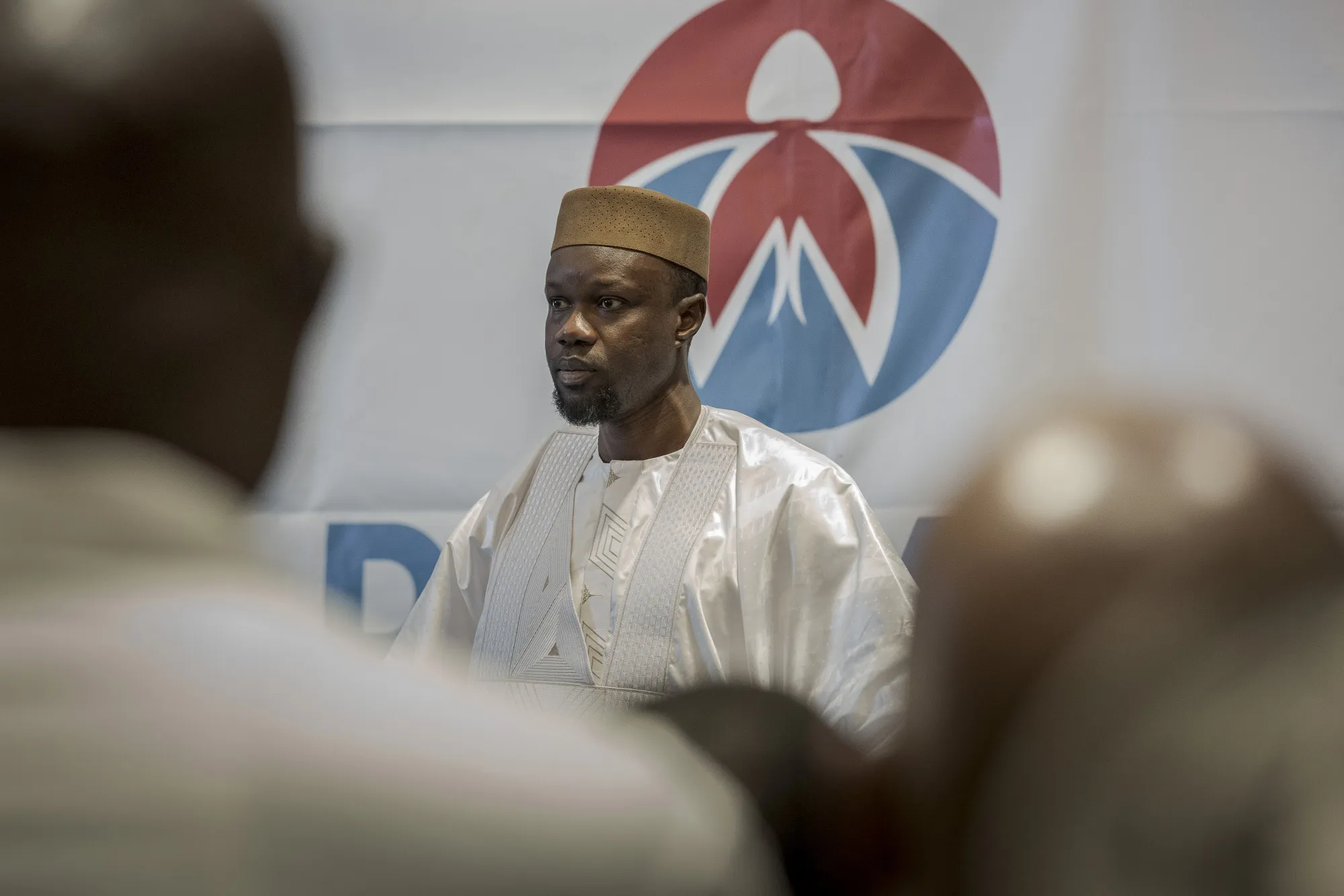
President Bassirou Diomaye Faye wants to restructure the country’s debt and secure a new $2.2 billion funding package from the IMF. But Ousmane Sonko, his former ally and ex-prime minister whose Pastef party holds a parliamentary majority, is challenging proposed spending cuts and putting those plans at risk.
A vote on the revised 2026 budget scheduled for Tuesday was postponed to give the administration more time to hammer out a compromise.
Prime Minister Ahmadou Alhaminou Lo expects a deal to be reached, yet the standoff highlights the difficulty of securing political backing for measures needed to steady public finances.
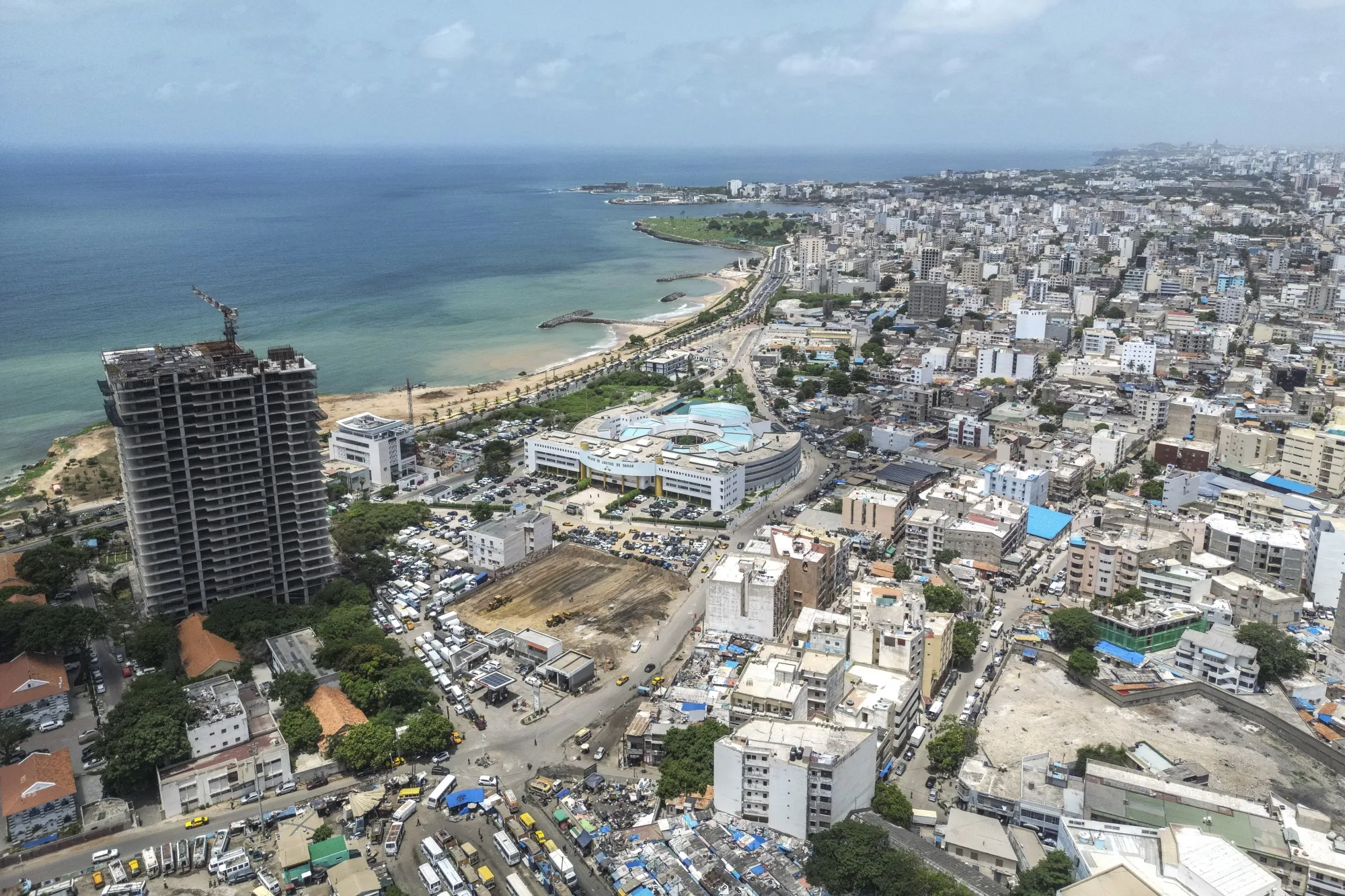
A surge in global oil prices has pushed up the cost of fuel subsidies and the projected budget deficit has ballooned to 7.6% of GDP — more than double the 3% ceiling set by the West African Economic and Monetary Union.
Lo has already deferred $943 million in infrastructure investment until next year, saying projects weren’t ready to proceed or lacked financing.
Senegal’s previous $1.8 billion IMF facility was suspended in 2024 after billions of dollars of undisclosed borrowing came to light. The government will need to demonstrate that public finances are on a credible and sustainable path to secure new funding.
It won’t have to accept terms from the IMF without subjecting them to scrutiny, but it will need to offer credible alternatives to keep talks with the lender and creditors on track.
Sonko insists that the budget should prioritize Senegalese interests, but he’s yet to spell out how it can be reworked without jeopardizing negotiations.
Parliamentary oversight of the management of Senegal’s finances is essential.
Even so, a protracted political deadlock over the budget risks extending and deepening the nation’s debt crisis.
What Everyone’s Reading
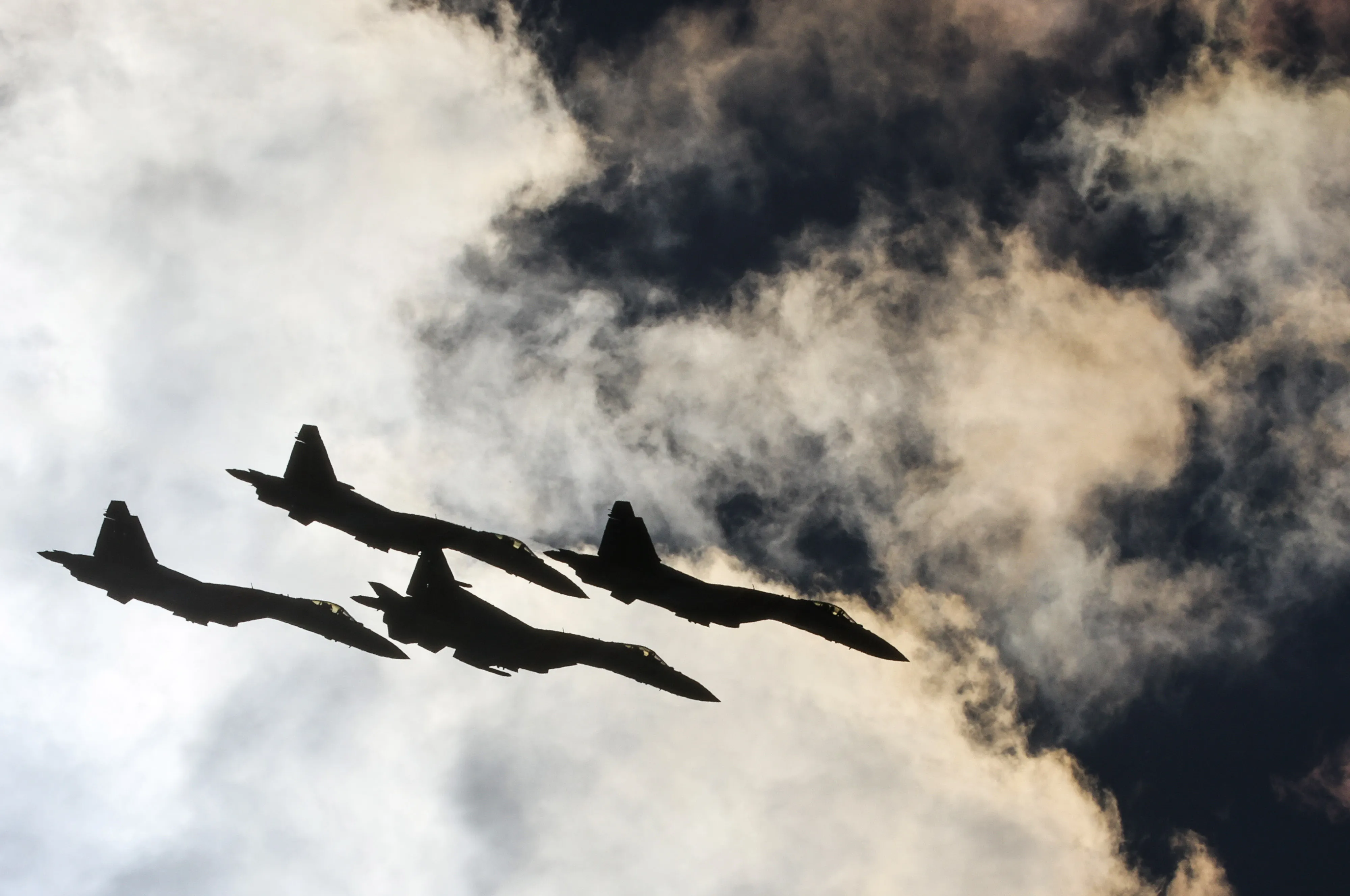
Ethiopia has received 12 Su-35 fighter jets and four S-400 air defense system batteries from Russia, Prime Minister Abiy Ahmed says. The announcement comes amid heightened tensions with Eritrea. Earlier this month, Addis Ababa accused its neighbor of sending troops over the border into Ethiopian territory.
The US imposed sanctions on Rwanda’s defense ministry, increasing pressure on the East African nation to withdraw troops from neighboring Democratic Republic of Congo and halt support for rebel groups operating there. Penalties were also imposed on Zigama Credit and Savings Society, a Rwandan financial institution, over its involvement with the M23 militia that’s seized territory in eastern Congo.
Landlocked Botswana is negotiating to buy fuel from a range of suppliers to protect itself from war-related disruptions, according to its energy minister. The southern African nation has already struck deals with Oman and held talks with Aliko Dangote, owner of the continent’s biggest refinery, Bogolo Kenewendo says in an interview.
Genomic sequencing has linked Ebola cases detected in Kenya and Nigeria to the same transmission chain and to viruses circulating in eastern Congo. Scientists from four affected countries jointly reviewed 1,126 viral genomes after a case was detected in the Nigerian capital Abuja, according to Jean-Jacques Muyembe, a veteran Congolese virologist who convened the analysis.
South Africa’s highest antitrust authority approved private equity firm Harith General Partners’ proposed purchase of budget carrier FlySafair. The decision seals one of the most significant aviation transactions in South Africa in years. Separately, the nation’s statistics agency found that the economy is 5.3% bigger than previously calculated — a change that will reduce debt and budget-deficit ratios.
Dangote Cement Profit Surges as Nigeria Firm Eyes London ListingAbsa Opens Dubai Office as Lender Accelerates Expansion Plan
Quote of the Week
“Africa belongs at the table.” Friedrich Merz German chancellor He was urging US President Donald Trump to reconsider his decision not to invite South Africa to a Group of 20 summit in Miami in December.
Last Word
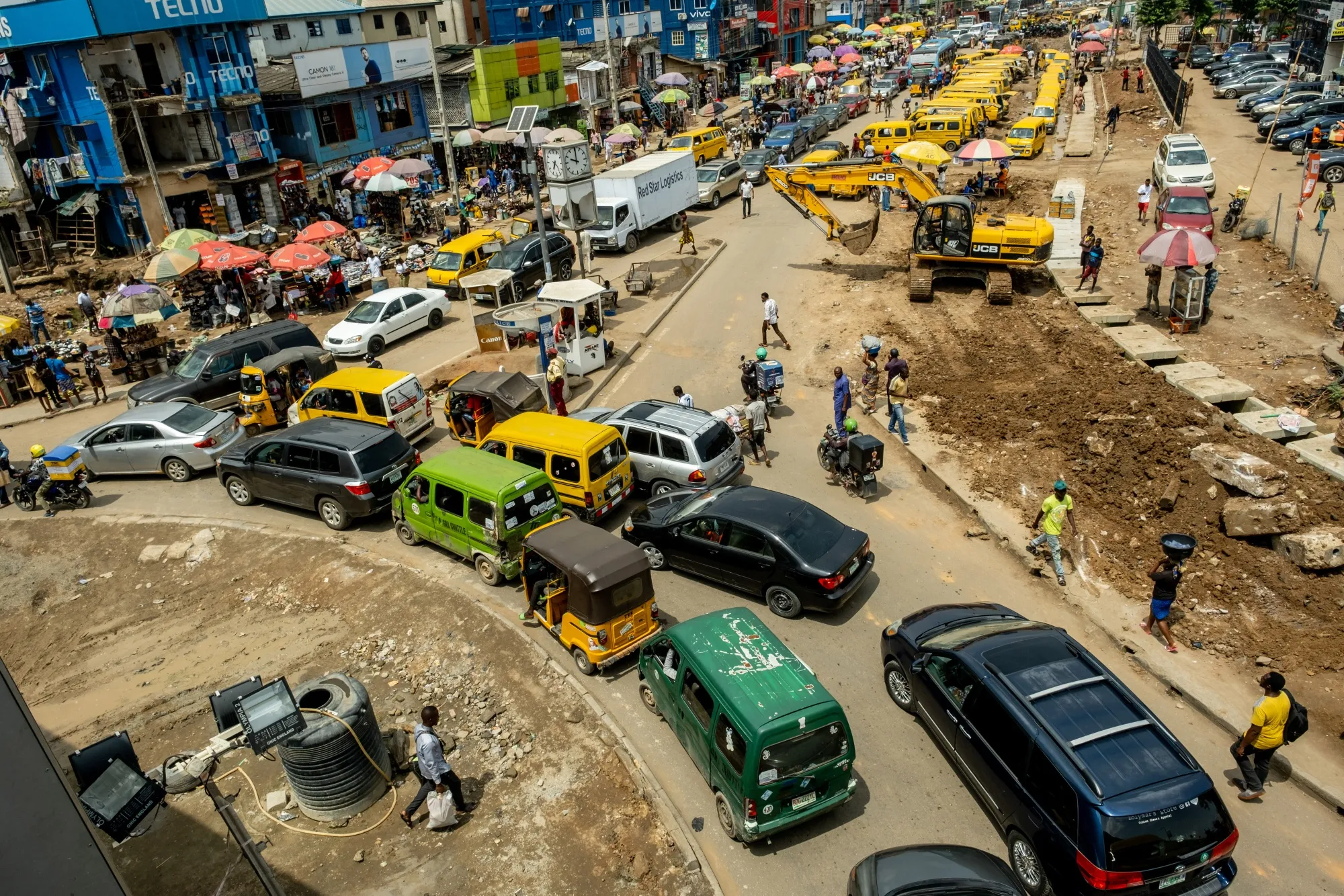
Sub-Saharan Africa’s future prosperity hinges on much better planning in a looming era of megacities. That’s the assessment of a new World Bank study published on Thursday, which found that unplanned urban expansion was fragmenting business development, raising costs for firms and workers and stunting productivity. The number of people living in cities and towns across the region is expected to almost double to 1.7 billion by 2050.
We’ll be back in your inbox with another edition tomorrow. Send any feedback to nextafrica@bloomberg.net.
More From Bloomberg
Enjoying Next Africa? You might also like:
Businessweek Daily for fresh perspectives on business, economics, politics and techMarkets Daily for what’s moving in stocks, bonds, FX and commoditiesBalance of Power for the latest political news and analysis from around the globeBloomberg Money for insights, ideas and tools for doing more with your moneyAI Today for a chronicle of the disruptions and threats of AI on businesses, workers, finance and economies