
ECB Holds as Lagarde Exit Compounds Alarm Over Oil, France
 8


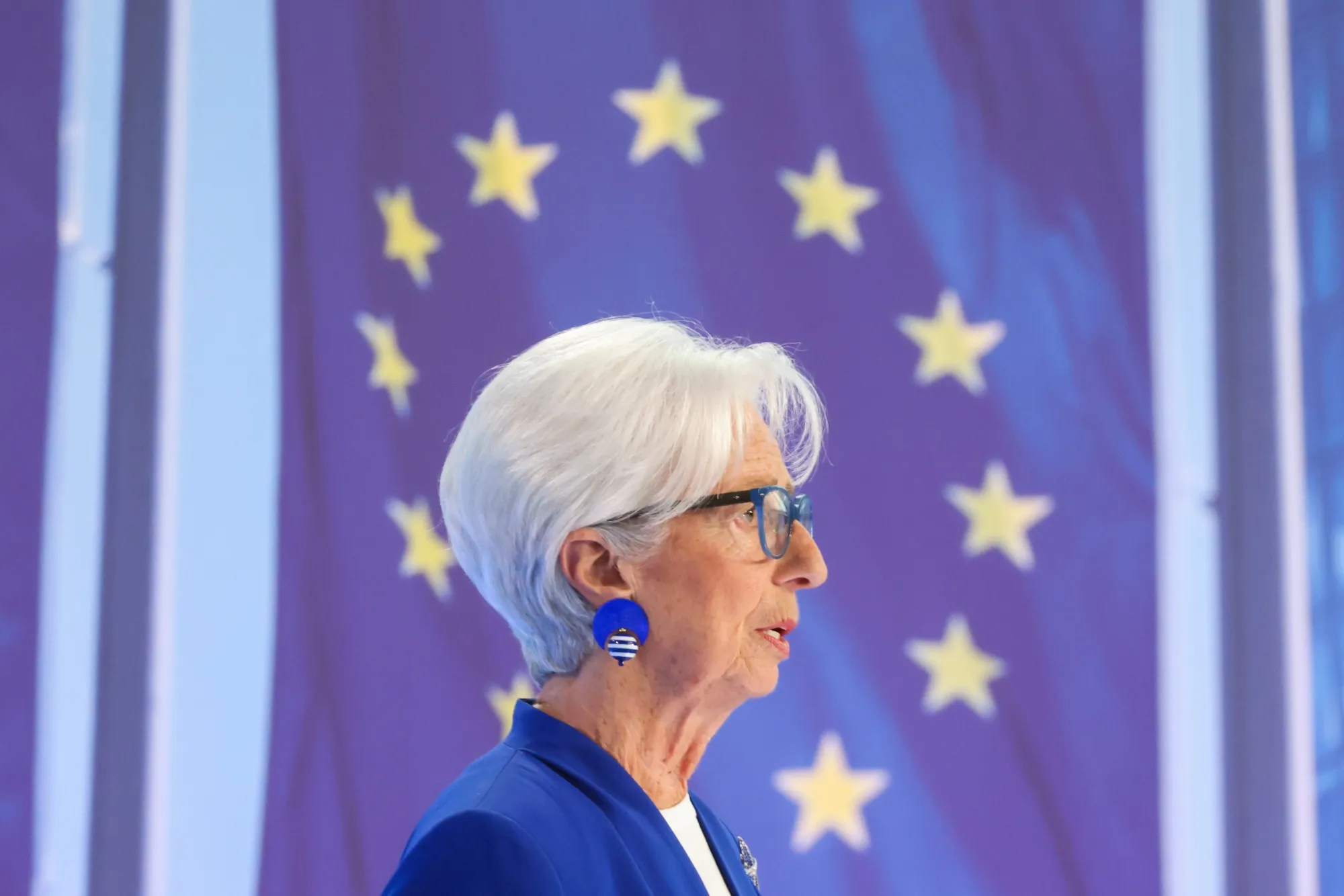
The European Central Bank kept interest rates unchanged as news that President Christine Lagarde will step down early added to concern over energy costs and France.
The deposit rate was left at 2.5%, as predicted by almost all economists surveyed by Bloomberg. The announcement arrived just hours after Lagarde said she’ll leave in February, months before her term ends, to have more freedom to speak out on issues including the turmoil in her homeland.
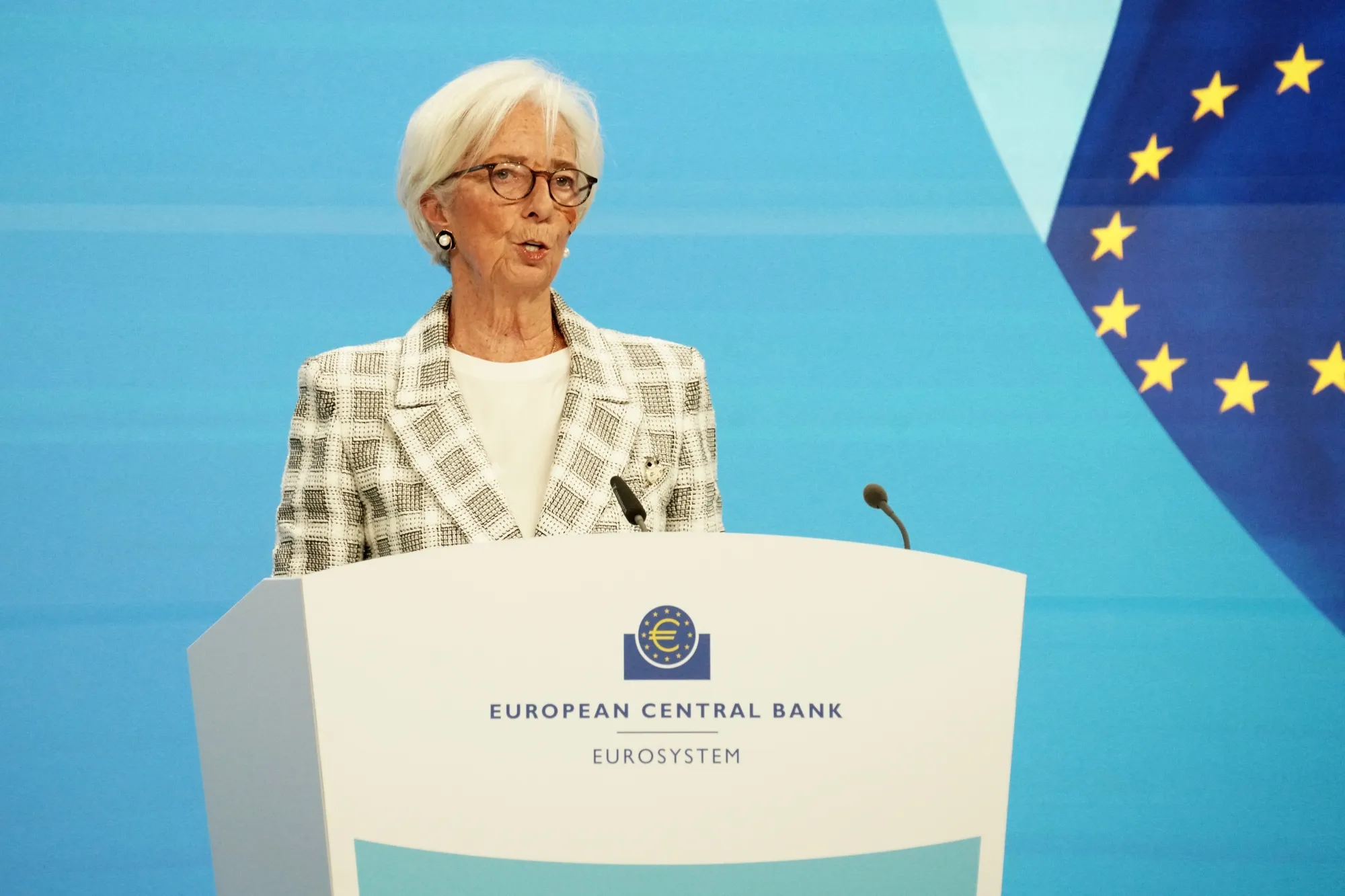
“The increased magnitude and duration of the energy shock, as well as the implications for indirect and second-round effects, are likely to drive up inflation and lower growth,” the ECB said in a statement, once again declining to pre-commit to future steps. “Financing conditions have tightened since the Governing Council’s last meeting, which is likely to weigh on inflation and growth.”
Lagarde’s exit is overshadowing Thursday’s proceedings, igniting a race between the former central-bank chiefs of Spain and the Netherlands to succeed her in overseeing monetary policy for the euro zone.
Read More: Who Replaces Lagarde? De Cos and Knot Lead Candidates to Run ECB
On borrowing costs, the ECB is biding its time having hiked twice since the Iran war jolted energy markets. Officials, while worried inflation is headed for double the 2% goal, aren’t seeing signs of the ramp-up in oil and gas spreading elsewhere. Still, surprisingly resilient European growth is waning.
“While the full effects of the energy shock are still unfolding, underlying inflation has remained broadly stable so far and wages do not show a material response at this stage,” the ECB said.
Traders slightly pared bets on further ECB rate hikes, pricing 70 basis points of tightening by the end of 2027, compared with 72 basis points before. The euro extended losses, falling to a fresh 17-month low at $1.1111.
Follow Bloomberg’s TLIV blog here
The ECB joins the Federal Reserve in holding rates steady this week, with the Bank of Japan expected to follow suit on Friday.
Policymakers in Frankfurt are widely expected to raise again in December, when updated economic projections will show how severe inflation pressure is. Rising global bond yields — exacerbated by the market, budgetary and political tensions gripping France — are damping demand.
“The incoming data suggests that the euro-area economy continued to expand in the third quarter,” Lagarde told reporters in Frankfurt, describing risks to the outlook as to the downside. “At the same time, renewed energy-price increases have hit consumer confidence, and higher financing costs are likely to weigh.”
Analysts reckon the year-end increase in rates will be the ECB’s last of this cycle. Investors are betting on more, however, focusing on a further advance in oil, which has jumped by more than 6% since the ECB last set rates. Natural gas, meanwhile, hit its highest level in almost four years.
The latest rally in energy helped drive consumer prices up 3.8% in September, with gauges of inflation expectations also creeping higher.
“Indicators of underlying inflation have remained broadly stable, although the early stages of the pricing chain point to upward pressures,” Lagarde said, adding that risks are skewed to the upside. “Wage pressures remain moderate.”
The economy may be starting to feel the pinch: Business momentum and morale are faltering. Third-quarter growth probably slowed to 0.2%, according to a Bloomberg poll of analysts before Eurostat publishes data Friday. Rate increases contributed to a fall in demand for loans during that period.
Lagarde to Leave ECB Early, Igniting Race to Replace HerECB Set to Raise Rates in December After Pause, Economists SayHow France’s Debt Troubles Compare With Greek Crisis: Explainer