
Shell CEO’s Next Test Is Turning Cash Windfall Into Growth


Welcome to our guide to the commodities driving the global economy. Today, reporter Mitchell Ferman looks at the next big test for Shell’s CEO after bumper earnings.
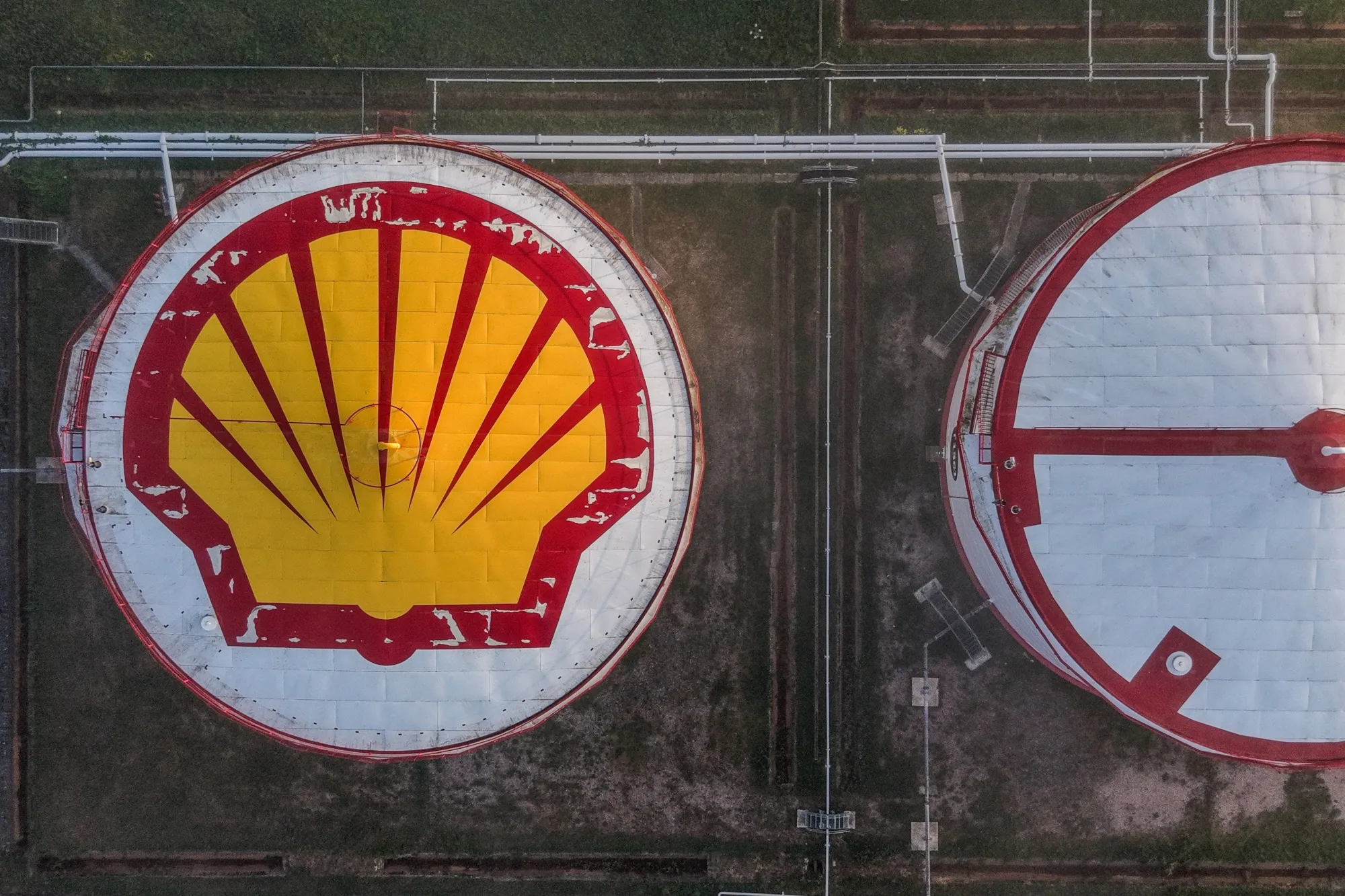
Shell Plc has shown it knows how to make money when energy markets go haywire. Chief Executive Officer Wael Sawan’s next act is turning that cash into sustainable growth.
The CEO spent his first three years in the job tightening spending, cutting costs and strengthening the balance sheet while returning billions of dollars to investors. As a result, Shell has outperformed its biggest peers on total shareholder returns since he took over.
Now, war and supply disruptions are supercharging Shell. The company just posted its second-highest quarterly profit ever, allowing it to lift its share buyback to $5 billion, on par with industry leader ExxonMobil Holdings Corp.
With cash pouring in and net debt falling, Sawan has more financial firepower than ever to pursue what has become a key challenge for Shell — growth. For all its recent gains, the company still trades at a hefty valuation discount to faster-growing US rivals Chevron Corp. and ExxonMobil.
Some large investors have told Bloomberg they want Sawan to drive sustainable growth, but not chase extra barrels just for the sake of it. Financial discipline should be paired with a clearer plan for the next phase of capital deployment and long-term expansion, they said.
Investors should get a clearer idea of the CEO’s plan when Shell holds its first capital markets day update for two years in February.
Shell has laid some groundwork for growth and shown an appetite to spend for it. The company’s $13.6 billion purchase of ARC Resources Ltd. adds about 370,000 barrels of oil equivalent a day of production, while it recently approved with partners a $23 billion expansion of a liquefied natural gas project in Canada.
But the purse strings aren’t loosening too much.
Shell wants normalized free cash flow per share — a measure of the cash its business generates after spending, adjusted for commodity-price swings and other short-term factors — to grow by more than 10% through 2030. It also wants to keep annual investment around $20 billion to $22 billion for the next two years.
The question is how much further Sawan can deliver growth and narrow the gap with American rivals without losing the spending discipline investors have rewarded.
—Mitchell Ferman, Bloomberg News
Chart of the day
Attacks in the Middle East and Russia mean the business of refining oil is experiencing historic disruption. It’s also never been more profitable, with margins on the US Gulf Coast more than tripling this year to an all-time high of $72 a barrel in September. Refiners posted similar gains in Europe and Asia as prices for gasoline, diesel and jet fuel surged.
Top stories
Oil eased as traders assessed fresh diplomatic efforts in the Middle East to avert a resumption of US military strikes on Iran, a prospect that has pushed prices higher in recent weeks.
QatarEnergy agreed to purchase US LNG from Woodside Energy Group Ltd. over two decades, saying it’s now the top buyer of the American fuel as it diversifies from the Middle East.
Chinese copper buyers rushing to secure supply in a tightening market have sent a key gauge of import demand shooting to a record high.
Iron ore’s fall below $90 a ton has pushed as much as 170 million tons of production into losses, but prices will need to remain depressed for longer before enough supply exits to tighten the market, according to UBS Group AG.
Lynas Rare Earths Ltd. said planned maintenance at its refinery in Malaysia would cut production this quarter, but expects stockpiles of the critical minerals will ensure that customer orders aren’t affected.
BNEF today
The 2026 United Nations climate summit in Antalya, Turkey has been billed as an “implementation COP,” the same mantle given to many recent such summits. But once again, efforts to make concrete progress are likely to be thwarted by the need for consensus among 200 parties, vested interests and other political pressures, according to BloombergNEF.
More from Bloomberg
Economics Daily for what the changing landscape means for policymakers, investors and youBusiness of Food for a weekly look at how the world feeds itself in a changing economy and climate, from farming to supply chains to consumer trendsGreen Daily for the latest in climate news, zero-emission tech and green financeSupply Lines for daily insights into supply chains and global trade
You have exclusive access to other subscriber-only newsletters. Explore all newsletters here to get most out of your Bloomberg subscription.