
Saudi Arabia’s Wall Street Appeal Dims Even as Mideast Rivals Score Wins


Welcome to the Mideast Money newsletter, I’m Adveith Nair. Join us each week as my team and I chronicle the intersection of money and power in a region that’s become one of the most influential in global finance. You can sign up here.
This week: Apollo deepens its Abu Dhabi ties with Mubadala Capital stake, Dubai’s luxury home sales fall from record levels, and an unlikely winner emerges from the Iran war.
But first, the widening divergence between Saudi Arabia and its regional peers.
The kingdom has spent years trying to entice the giants of Wall Street by offering access to its oil riches, ambitious investment plans and a large, fast-growing local economy. Its nearly trillion-dollar wealth fund has even attempted to tighten the screws by threatening to hold off working with firms unless they set up their regional headquarters in the kingdom.
That seemed to work to an extent as firms raced to announce local bases, though executives sometimes privately expressed reservations about the kingdom’s ability to deploy capital. A series of strikes by the Iran-backed Houthis have amplified that unease, and last week the Saudis were forced to postpone their flagship FII conference.
Also Read: The Frantic 24 Hours Before Saudi Arabia Pulled the Plug on FII
Efforts are now underway to defuse tensions and revive talks aimed at preventing a broader Middle East war. Some firms have signaled support — Barclays said last week it’s continuing with plans to expand in Saudi Arabia, while Deutsche Bank and BNP Paribas have secured regional headquarters licenses since July — but the recent attacks threaten to further widen the kingdom’s divergence with neighboring petrostates.
The contrast was on display Monday, when Apollo Global agreed to buy a stake in Mubadala Capital, the alternative asset management arm of Abu Dhabi’s $385 billion sovereign wealth fund. Additional investors will become minority shareholders and, with Apollo, are expected to commit a combined $5 billion to Mubadala Capital’s investment strategies.
The Apollo deal comes amid a broader influx of global firms into the UAE. Private equity major Advent, Eurazeo, EQT and Pantheon are all heading to Abu Dhabi. Robinhood is set to launch its retail investing platform in the Middle East from a new base in Dubai, while Maven Investment Partners even plans to shutter its New York office and focus on the city.
Those moves illustrate the UAE’s attractiveness despite the ongoing war, particularly as Abu Dhabi’s wealth funds have continued to deploy at scale. Mubadala was the biggest spender in the nine months to September, according to Global SWF, while L’imad has lined up plans to plow tens of billions of dollars in its quest to bypass the Strait of Hormuz. And as recent pledges to Germany and Greece indicate, the city’s broader capital commitments continue.
Further afield, Brookfield Asset Management is opening an office in Qatar, building on a $20 billion partnership with the Gulf state’s AI firm. Others, including BlackRock’s Global Infrastructure Partners and Goldman Sachs, set up local outposts before the war, while Deutsche Bank is planning a new research hub in Doha. Even as the war slams Qatar’s energy revenues, wealth fund QIA has continued to pursue global deals and partnerships.
Kuwait is seeing a similar push. Its $1 trillion wealth fund joined KKR and others in a $10 billion AI infrastructure partnership in June. A month later, Blackstone, Brookfield and KKR agreed to a $16 billion deal, marking the largest foreign direct investment in the country’s history. Blackstone followed that deal with plans to open a local office, joining firms including Partners Group and Carlyle that have also announced plans to set up in the country.
When it comes to Saudi Arabia, Wall Street will be wary of jeopardizing relationships with a country that, despite recent strains, retains the ability to pull off the occasional blockbuster deal. A key gauge of global appetite for the kingdom could be the response to Aramco’s potential $35 billion asset sale program, its biggest divestment push to date.
Also Read
Top Saudi, Turkish Officials Travel to Iran to Quell War TensionIran Divides Netanyahu and Challenger Eisenkot Before Vote
Must-read Mideast stories
Dubai’s DIP offered investors $592 million in dividends to boost demand for its initial public offering. For some, it’s still not enough.
Banque du Caire priced its IPO at the top end of the marketed range, signaling strong demand for one of Egypt’s biggest-ever listings.
Dubai’s top bank, Emirates NBD, is marketing a syndicated loan of up to $1 billion to Asian banks.
Wealthy buyers continued to snap up luxury homes in Dubai during the third quarter, although sales volumes declined about 17% from last year as the Iran war dragged on.
Dubai’s DP World is set to unveil a deal backing potential development of Canada’s port of Churchill.
Before Tera imploded, triggering the billion-dollar fund scandal rocking Turkey, punches were thrown and warnings missed.
Saudi Arabia’s women’s football league is spending big to lure foreign players.
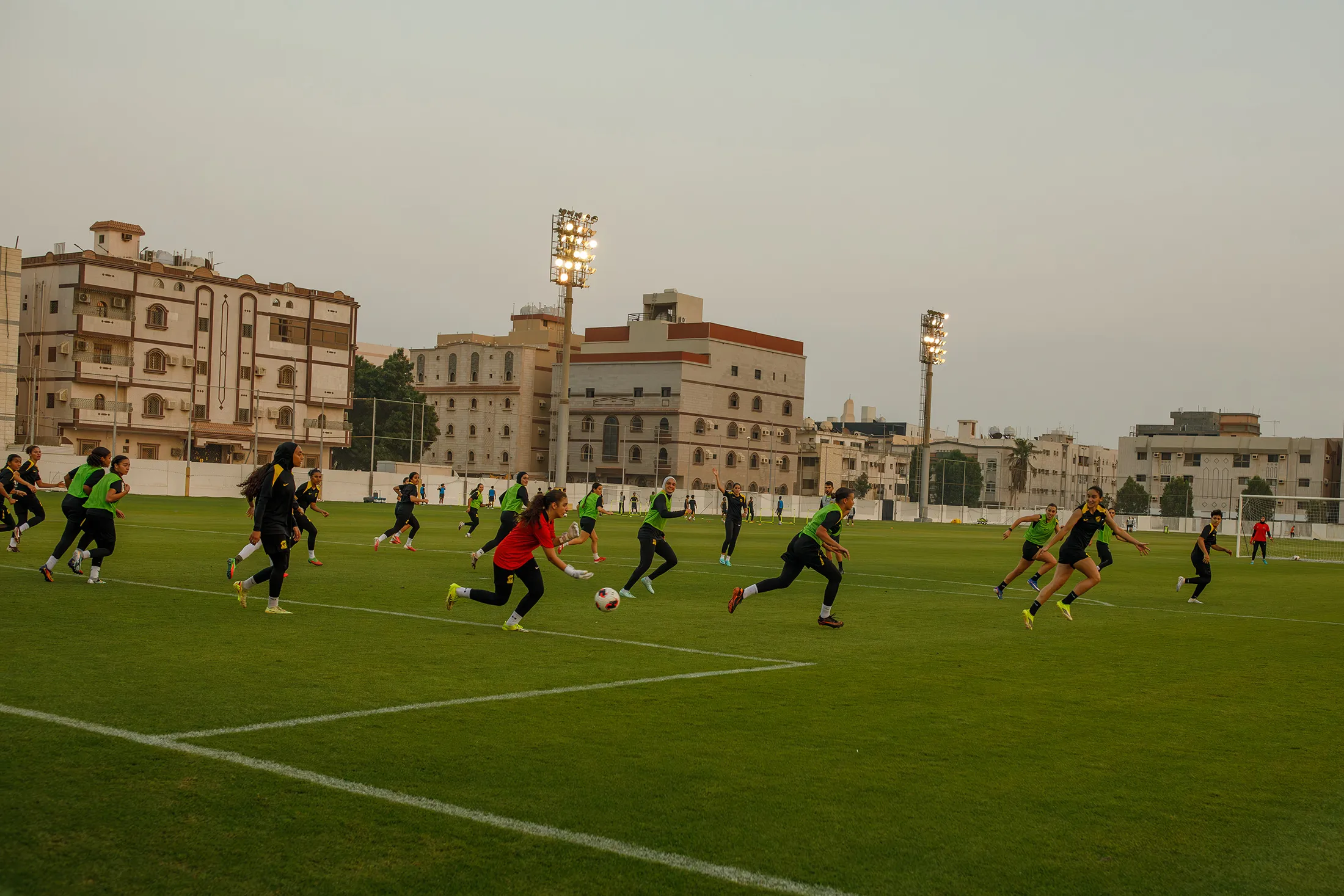
Chart of the week
Oil shipments from the Middle East are showing little sign of buckling in the face of Iran’s more frequent and damaging attacks on merchant ships in the region.
Crude and condensate flows from the Persian Gulf hit a high of 24.6 million barrels a day in the week to Oct. 18, according to data provider Kpler. However, shipments are volatile and figures for the average of October to date remain below prewar levels.
Loadings tend to happen in bunches, with ships traveling in convoys through the Strait of Hormuz, shuttling cargoes to tankers waiting outside the waterway before returning to reload.
Figures from rival data firm Vortexa don’t show the same weekly surge, highlighting the difficulty of establishing export levels as most tankers are currently operating with their positioning signals turned off.
Related Coverage
Saudi Arabia Seeks Access to Overseas Oil Storage for AramcoQatar Scours for More LNG to Boost Supply Outside Middle East
Here are a few other stories that caught my eye:
From Jane Street to Hudson River Trading, high-frequency traders are locked in a battle for raw computing power to stay ahead in the AI era.
“A very different dynamic”: Blackstone’s Jon Gray said investors don’t need to fear that the boom in AI will turn into a bubble, just days after billionaire Ken Griffin said he fears the industry was “almost certainly” headed in that direction.
Barclays, “the house that fixed income built” is pinning its future growth on equities.
Truckers in India are shunning US-style expressways, dealing a blow to Prime Minister Narendra Modi’s $130 billion infrastructure push.
Unlikely winner
Six years ago, Oman was rated junk by the three major rating companies and was grappling with the widest budget deficit among Gulf Arab economies. The financial straits posed a major challenge for Sultan Haitham bin Tariq Al Said, who took power in January 2020, a few months before the pandemic further slammed Muscat’s economy.
Now, the picture is dramatically different. Officials have worked to repair public finances, meaning the deficit is manageable and Oman has managed to win back its investment grade ratings. Compounding those gains are unexpected wins from a war — the country’s geography has become a key asset as disruption to the Strait of Hormuz forced shipping companies to consider alternative routes.
The Omani benchmark stock index is up 25% this year even as every other Gulf exchange is in the red. The bourse was placed on FTSE Russell’s watch list for an upgrade to emerging-market status earlier this month. Any upgrade is unlikely before next year at the earliest, according to analysts at Ubhar Capital, but could generate demand from passive funds that track the index and broaden the investor base.
Oman also hosted the Gulf’s only major listing so far this year, extending a push to privatize state assets and deepen its capital markets, a drive that propelled the sultanate past London in listing volumes in 2024.
Meanwhile, Muscat is pressing ahead with plans for an international financial center as it seeks to diversify the economy and cut its reliance on oil income. Its broader reform push includes introducing personal income tax in 2028 and a golden visa program aimed at attracting expatriates and foreign investment.
Jihad Azour, the International Monetary Fund’s director for the Middle East and Central Asia, points to the country’s investment in ports, improvements in its macroeconomic position and diplomatic neutrality as factors supporting its resilience. Relationships across the region have helped reduce Oman’s risk premium, he told Bloomberg TV.
Unlike its Gulf Cooperation Council peers, whose economies the IMF expects to contract this year, Oman is forecast to grow 4.1%.
To be sure, risks still abound. A recovery in shipping through Hormuz could reduce the immediate advantage for Omani ports, while a prolonged conflict could raise costs for businesses and weigh on growth. The economy also remains exposed to oil prices and the challenge of expanding non-oil activity.
Still, for a country that was grappling with debt concerns only a few years ago, the contrast is striking. The question is whether Muscat can turn its current advantages into lasting trade and investment once the immediate disruption passes.
If you’d like to get the Mideast Money newsletter in your email inbox every Monday, please subscribe here. You could also send us your feedback here. Thanks!
More from Bloomberg
Markets Daily for what’s moving in stocks, bonds, FX and commoditiesTech In Depth for analysis and scoops about the business of technologyBalance of Power for the latest political news and analysis from around the globeSupply Lines for daily insights into supply chains and global tradeMoney Stuff for Bloomberg Opinion’s Matt Levine’s newsletter on all things Wall Street and finance
You have exclusive access to other subscriber-only newsletters. Explore all newsletters here to get most out of your Bloomberg subscription.