
Retail Traders Find a Back Door to 24/7 Oil Trading
 10


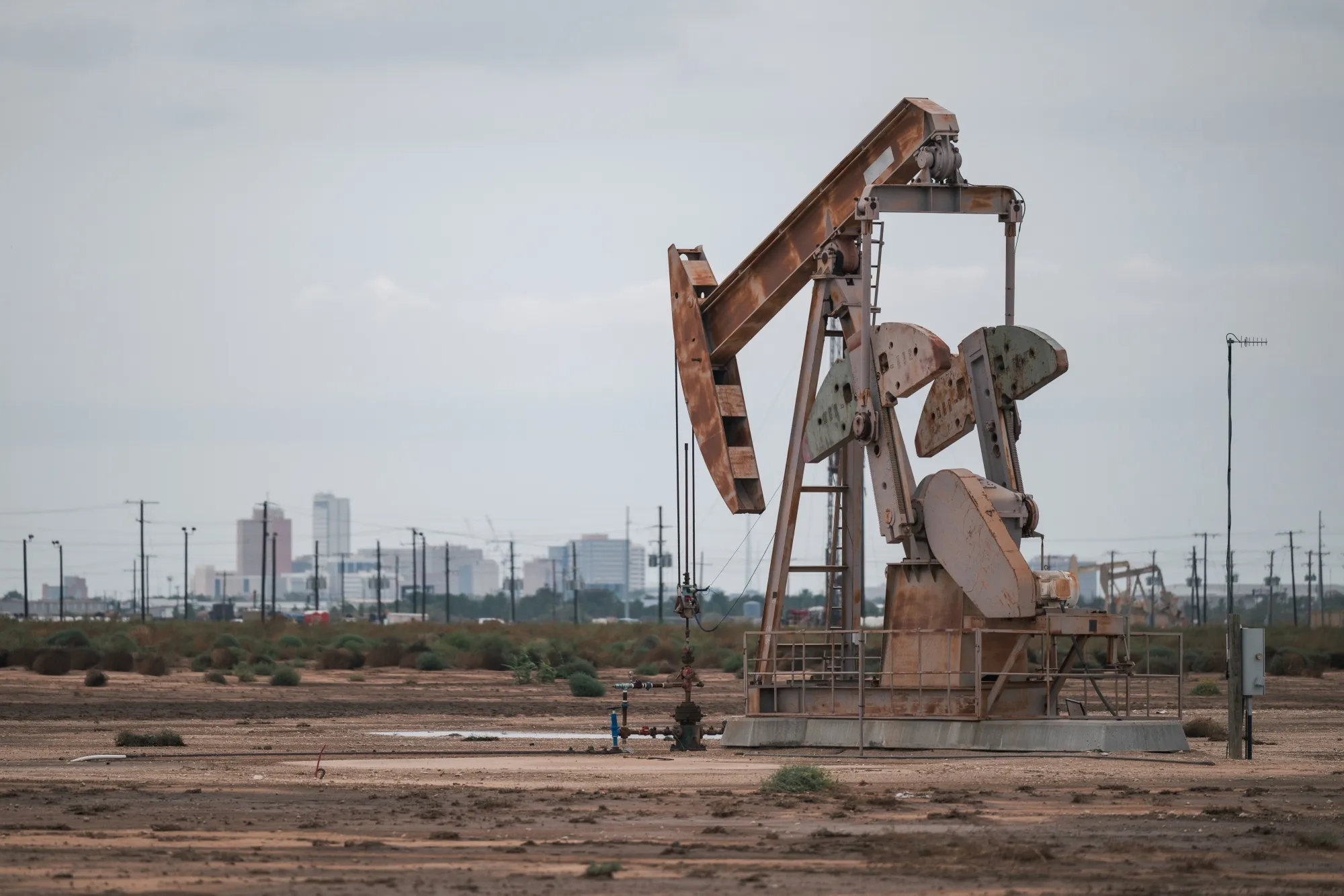
Welcome to our guide to the commodities driving the global economy. Today, reporter Mia Gindis looks at mounting warnings over 24/7 oil trading among retail investors.
In recent months a debate has intensified over whether US regulators should allow oil futures trading to be extended around the clock.
There are signs that some US retail investors are already trading commodities 24/7 quietly — and illegally — via virtual private networks, or VPNs.
That method enables the circumvention of geographic restrictions to access offshore platforms, according to established commodity operators who are warning of potentially negative consequences. Some traders leverage it to buy and sell oil outside of traditional market hours.
The allure of this kind of access has grown with the volatility triggered by the Iran war, and the Trump administration’s knack for dropping news after incumbent exchanges have rung the closing bell.
Warnings about VPN trading trend grew louder this week. The Commodity Markets Council, an industry group representing regulated exchanges and major commodity trading firms, expressed its concerns in a letter to the Commodity Futures Trading Commission.
The council outlined three potential consequences. First, US customers going offshore lose protections offered by the Commodity Exchange Act. Second, the CFTC has no visibility into trading positions held offshore, reducing the effectiveness of its market surveillance.
The group also warned that growing weekend and overnight trading volumes on unregulated offshore venues can impact the opening moments of trading in benchmark contracts on established exchanges, before some participants are able to act. The council says such a phenomenon can already be observed due to so-called perpetual futures that trade offshore.
“There’s no one policing that activity,” said Terry Duffy, the boss of CME Group Inc., one of the biggest regulated commodity bourses, in a Bloomberg Television interview this week. “I find that to be troublesome.”
The situation echoes earlier disputes between the CFTC and crypto exchanges Binance Holdings Ltd. and KuCoin. In its letter, the Commodity Markets Council urged the regulator to follow that playbook and clamp down on offshore platforms allowing US customers to gain oil exposure.
Whatever happens, the commodities establishment appears to be resigned to the fact that 24/7 trading of some kind is inevitable. The council acknowledged as much in its letter.
“The question is whether that exposure will be governed by one consistent set of standards, and whether those standards will be enforced,” it said.
—Mia Gindis, Bloomberg News
Chart of the day
South Korean shipowner Sinokor Group dominated oil transits through the Strait of Hormuz in September, data from intelligence firms suggest, with the firm’s vessels moving more barrels than the next three owners combined. The company, owned by tycoon Ga-Hyun Chung, gained prominence from the early weeks of the Iran war, having amassed a huge tanker fleet in the run up to the conflict through purchases or time charters.
Top stories
Brent oil was trading at the highest level since May as attacks on Saudi Arabia intensified and the war with Iran remained unresolved.
As India cracks down on the world’s biggest equity-option frenzy, the country’s retail investors and high-frequency traders are turning to a new arena: commodities.
Australia has bet heavily on a data-center boom that is intended to capitalize on its vast open spaces and clean-energy potential. But more than three-quarters of the centers set to be built around its biggest cities are at risk from stretched power grids and local opposition.
The physical prices of some Middle East crudes sold outside the Persian Gulf have dropped, with producers and global traders getting more adept at pushing cargoes through the Strait of Hormuz despite attacks.
Nigeria’s power grid is so unreliable that millions of homes rely on petrol and diesel generators. Now, soaring fuel costs and cheaper technology are driving a shift to solar — with panels and batteries even turning up on wedding registries.
BNEF today
Storm Austen, approaching the UK from the Atlantic Ocean, could bring a silver lining for European power markets. Wind speeds are forecast to jump as the storm arrives, according to BloombergNEF, boosting generation from renewables just as colder weather lifts electricity demand and high gas prices increase the cost of thermal output.
More from Bloomberg
Economics Daily for what the changing landscape means for policymakers, investors and youBusiness of Food for a weekly look at how the world feeds itself in a changing economy and climate, from farming to supply chains to consumer trendsGreen Daily for the latest in climate news, zero-emission tech and green financeSupply Lines for daily insights into supply chains and global trade
You have exclusive access to other subscriber-only newsletters. Explore all newsletters here to get most out of your Bloomberg subscription.