Japan’s Volatile Power Market Catches Wall Street’s Attention

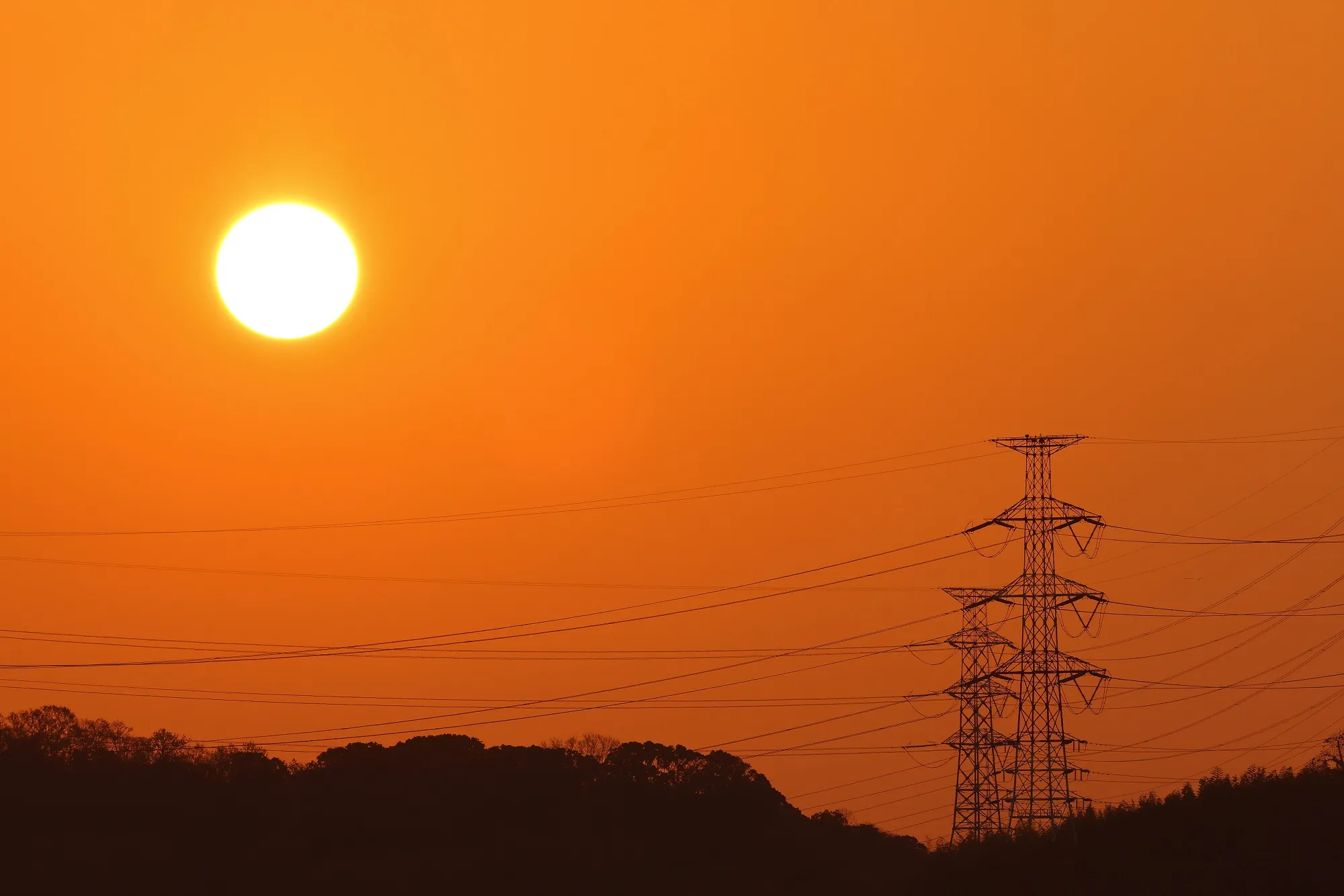
Welcome to our guide to the commodities driving the global economy. Today, Tokyo-based reporter Yusuke Maekawa looks at why international interest in Japan’s electricity market is starting to pick up.
The global energy upheaval triggered by the war in the Middle East is creating opportunities for hedge funds looking to capitalize on volatile oil, coal and gas prices.
Their next target: Japanese power.
Japan liberalized its electricity market a decade ago, but futures trading only started to take off in the past few years. That’s giving foreign funds a new way to profit from price swings, especially because Japan’s dependence on imported liquefied natural gas leaves it exposed to global market turmoil.
Surging fuel costs are also forcing the country’s utilities to hedge their exposure to wholesale electricity prices more aggressively, helping to deepen the futures market and draw in more financial players. That was far less common just a few years ago.

The sector has already attracted foreign energy firms such as BP Plc and Engie SA, which launched Japanese power trading desks in the country in 2023. The following year, Ken Griffin’s Citadel bought Tokyo-based Energy Grid Corp. and Mercuria Energy Group Ltd. started trading there.
Japan’s electricity market remains immature by global standards. Monthly futures trading surged to a record earlier this year, but volumes were still less than a 40th of those in European powerhouse Germany.
Yet interest seems to be on the rise. Representatives from at least six hedge funds attended a Japan power symposium in the capital this week, alongside a contingent of commodity traders.
Among them were high-frequency trading firms including XTX Markets and Jump Trading — companies that cut their teeth on equities and currencies and are now looking for opportunities in electricity outside Europe and the US.
The biggest prize is the more liquid — and volatile — physical market. Getting access is harder, since firms need a local presence and people who understand the quirks of Japan’s complicated power system, making talent from local utilities highly sought after.
Millennium Management, for example, recently hired a trader from the country’s biggest generator.
Wall Street traders are increasingly testing Japan’s fast-growing market, but relatively thin volumes and regional price dislocations could bring losses before a position pays off. Whether they can make lasting gains will ultimately determine if they stick around.
—Yusuke Maekawa, Bloomberg News
Chart of the day
China has burned through much of a petrochemicals glut built up by years of overproduction as the Iran war chokes oil flows, setting the stage for higher prices for an array of industrial materials. The squeeze looks most acute in the so-called aromatics chain and the downstream products made from these chemicals, including rubber for tires and electrical insulation, resins and plastic bottles.
Top stories
Oil advanced after deadly attacks in Saudi Arabia heightened concerns that escalating Middle East hostilities could hit supply, even as exports through the Strait of Hormuz accelerate.
Rosneft PJSC’s profits are falling and debt is rising, and company officials are concerned that even a few more months of the Russia-Ukraine war could leave lasting damage across the business.
Banks and precious-metals dealers in Singapore say a growing number of rich foreign investors, unsettled by wars, government debt and political uncertainty at home, are sending their gold to the city-state.
Copper fell as inventories on the London Metal Exchange surged and a selloff in AI-related stocks sapped risk appetite globally.
The oil market is fragmenting due to high freight rates, causing regional prices to diverge and blunting the influence of the global supply-and-demand balance. The US is a potential winner, writes Bloomberg Opinion’s Javier Blas.
BNEF today
Battery-electric vehicles are already cheaper upfront than comparable internal combustion engine models across almost all segments in China. Elsewhere, price parity remains limited, but BloombergNEF sees that changing over the next decade.
More from Bloomberg
Economics Daily for what the changing landscape means for policymakers, investors and youBusiness of Food for a weekly look at how the world feeds itself in a changing economy and climate, from farming to supply chains to consumer trendsGreen Daily for the latest in climate news, zero-emission tech and green financeSupply Lines for daily insights into supply chains and global trade
You have exclusive access to other subscriber-only newsletters. Explore all newsletters here to get most out of your Bloomberg subscription.

 点赞
 收藏
 点踩
 分享