Brazil’s Farm Lobby Will Gain Even More Power If Bolsonaro Wins

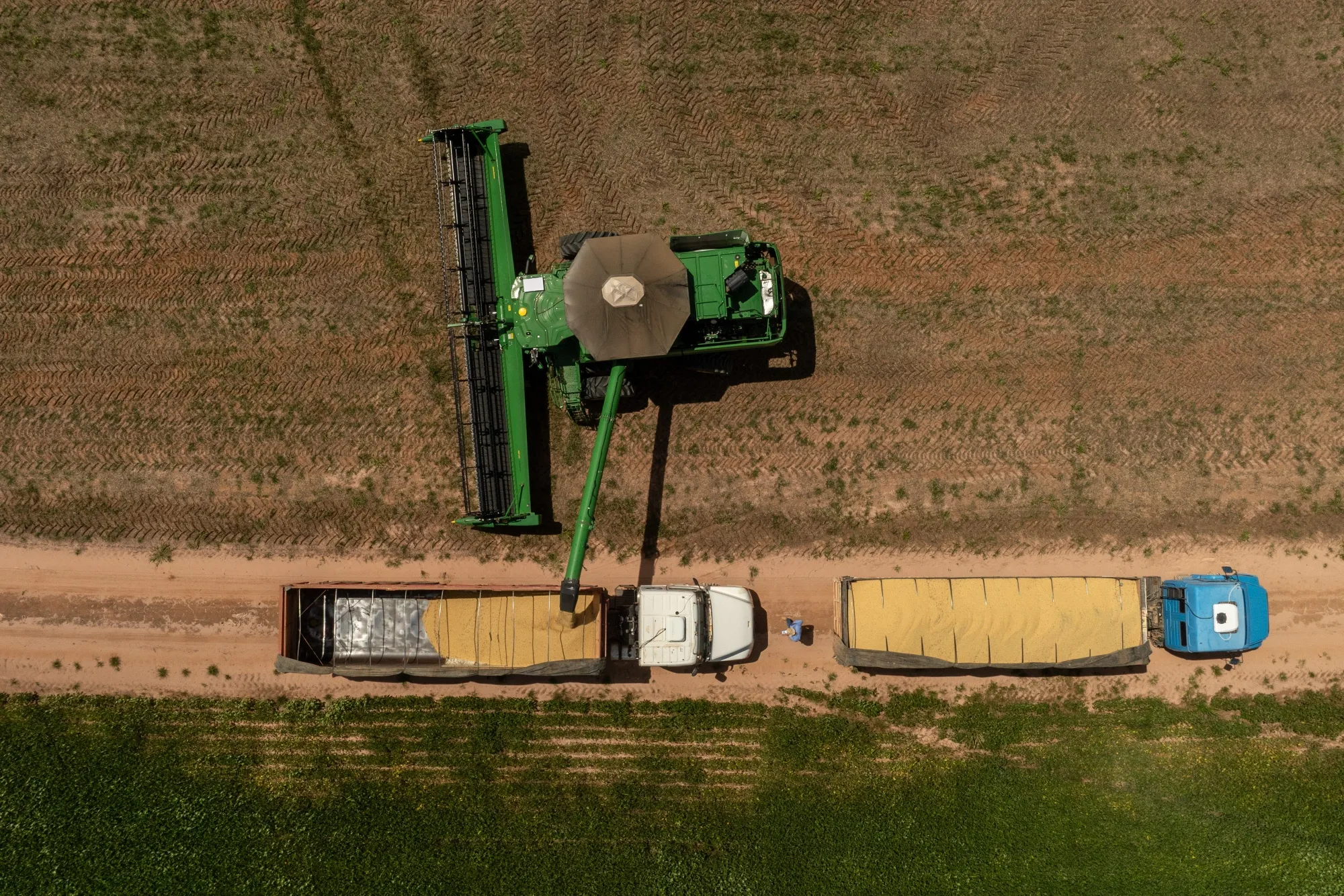
The farm lobby was already powerful in Brazil. Should Flávio Bolsonaro win the presidency, it will wield even more influence over one of the world’s biggest food suppliers.
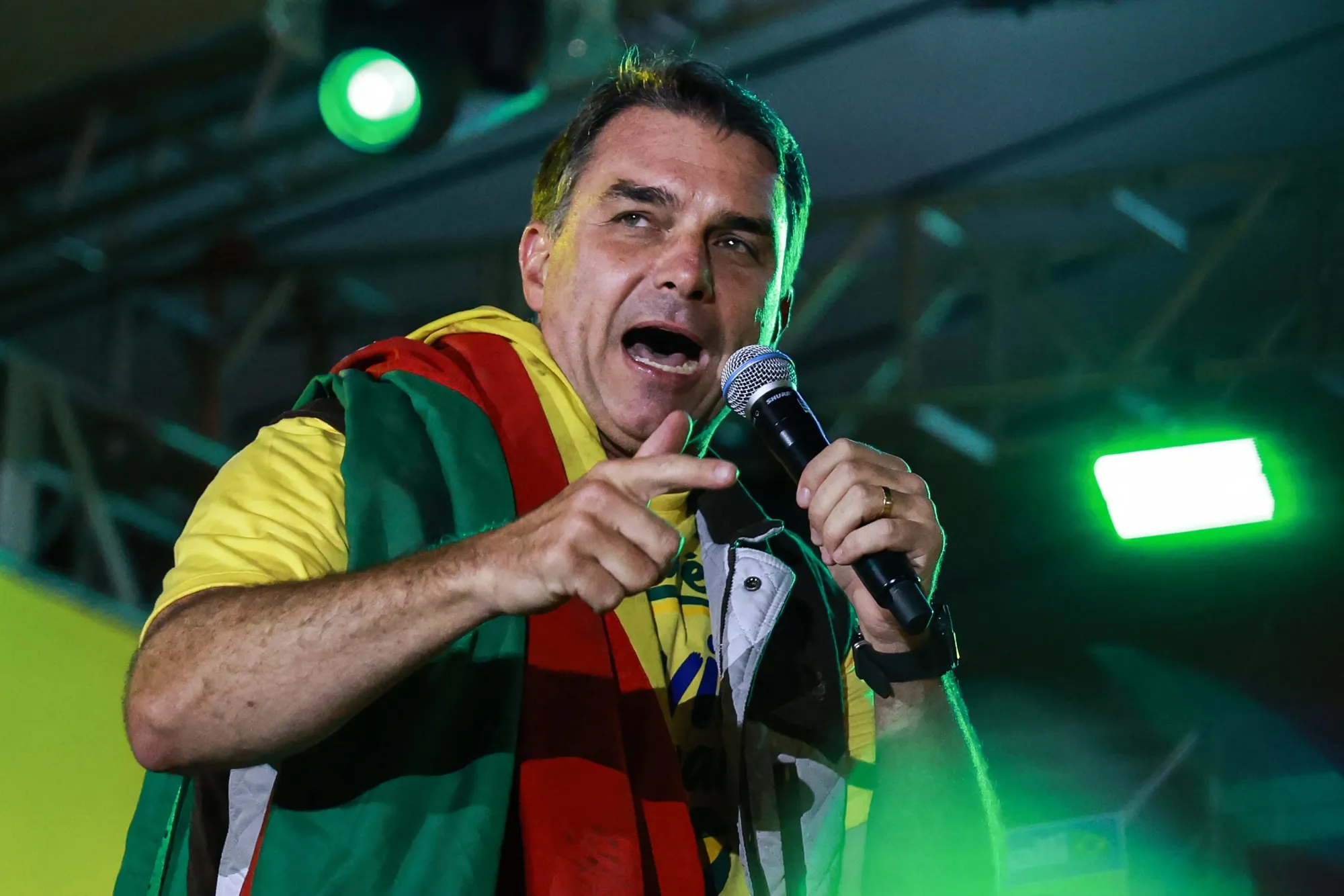
While polls have tightened to a statistical tie in recent days, the right-wing senator remains the favorite to win Sunday’s second-round vote and has promised to let the Frente Parlamentar da Agropecuária choose his agriculture minister.
The group, known as the farm caucus and made up of lawmakers dedicated to the industry’s cause, has long opposed leftist President Luiz Inácio Lula da Silva and many of his policies. It scored major gains in the congressional elections and is now looking to extend its reach into the executive branch.
Congressman Pedro Lupion, head of the farm caucus, is one of the names being considered for the ministerial job, according to two people familiar with the matter who asked not to identified discussing private matters.
“If we have an allied president, we can strengthen the caucus even further,” Lupion told local media after Bolsonaro took a surprise lead in the the Oct. 4 first-round vote.
That’s set to give the group a bigger say in government decisions, with farmers seeking to counter rural debt with subsidized credit and bring down double-digit interest rates they say are killing their business. Environmental law is also on the agenda, with industry-backed lawmakers largely in favor of loosening regulations in a country that’s the world’s top supplier of products including soybeans, sugar, coffee and beef.
“This is likely to be Brazil’s most pro-agribusiness Congress yet,” said Bryan Harris, managing partner at Sabio, a Latin America-focused political and corporate intelligence firm. He estimates as many as 330 deputies will join the caucus next year, up from 299 currently, and help create a political and regulatory environment that’s sympathetic to the industry.
“This means loosening environmental licensing rules, weakening the oversight bodies, and freezing Indigenous land rights,” Harris said.
Bolsonaro, campaigning Monday, signaled a policy pivot would come should he win the presidency. “We’re going to respect private property. You’ll be able to grow crops, raise cattle and do whatever you want on your land, and whatever you extract from it will be yours,” he said in the northern Amazonian state of Pará, where Lula — as the leftist incumbent is universally known — hosted a marquee United Nations climate conference last year.
“We’re going to get rid of the environmental restrictions that exist for ideological reasons,” Bolsonaro added.
One key project the sector is pushing is an agribusiness deposit insurance fund designed to reach a broad range of farmers. That would avoid the need to press repeatedly for temporary debt relief measures, according to Rodrigo Bressane, an agribusiness lawyer in top crop producing state of Mato Grosso.
In the run-up to the election, the farm caucus aggressively tried to advance a farmer debt bill after years of adverse weather conditions and low commodity prices, without success. The industry now expects the new Congress to approve a law “to solve the problem” once and for all, according to Maurício Buffon, president of soy lobby Aprosoja Brasil.
While Lula’s government issued a provisional measure to address farmer concerns, opponents said the funds offered were insufficient, the window to apply for financing too short and the banks required to participate too limited.
The government didn’t immediately respond to a request for comment about its agricultural policies.
Yet dissatisfaction among farmers played a role in Lula’s disappointing performance at the polls, according to Marco Antonio Faganello, a researcher at the Getúlio Vargas Foundation. Regions that rely heavily on agribusiness for their income gave Lula his worst results during the first round despite winning them in 2022, Faganello found.
“For the agricultural sector, Lula’s government was a catastrophe,” said Buffon, whose group represents 240,000 farmers. Interest rates as high as 15% aren’t sustainable for any business, he said, adding that the incumbent administration was too focused on expanding the state and not aware enough of the impact of its policies. “They didn’t do their homework. They didn’t streamline the government bureaucracy.”
Although Bolsonaro will enjoy support of the farm caucus if he wins, tensions could emerge over his desires to move Brazil closer to the US economically. The country’s agribusiness sector has favored steady relations with China, by far the largest buyer of Brazilian farm exports.
Though the industry criticized some of hardline positions against Beijing taken by the senator’s father, former President Jair Bolsonaro, it’s Lula who is the main target of the group’s ire.
“Lula’s policies for the sector are outdated and designed to keep small food producers dependent on the state,” Tereza Cristina, one of most influential farm caucus members in Senate and a former agriculture minister under the elder Bolsonaro, said in an August interview. “The government failed to bring the farmer over to its side.”

 点赞
 收藏
 点踩
 分享