Hungary Unveils Plan to Cut Budget Deficit on Road to Euro

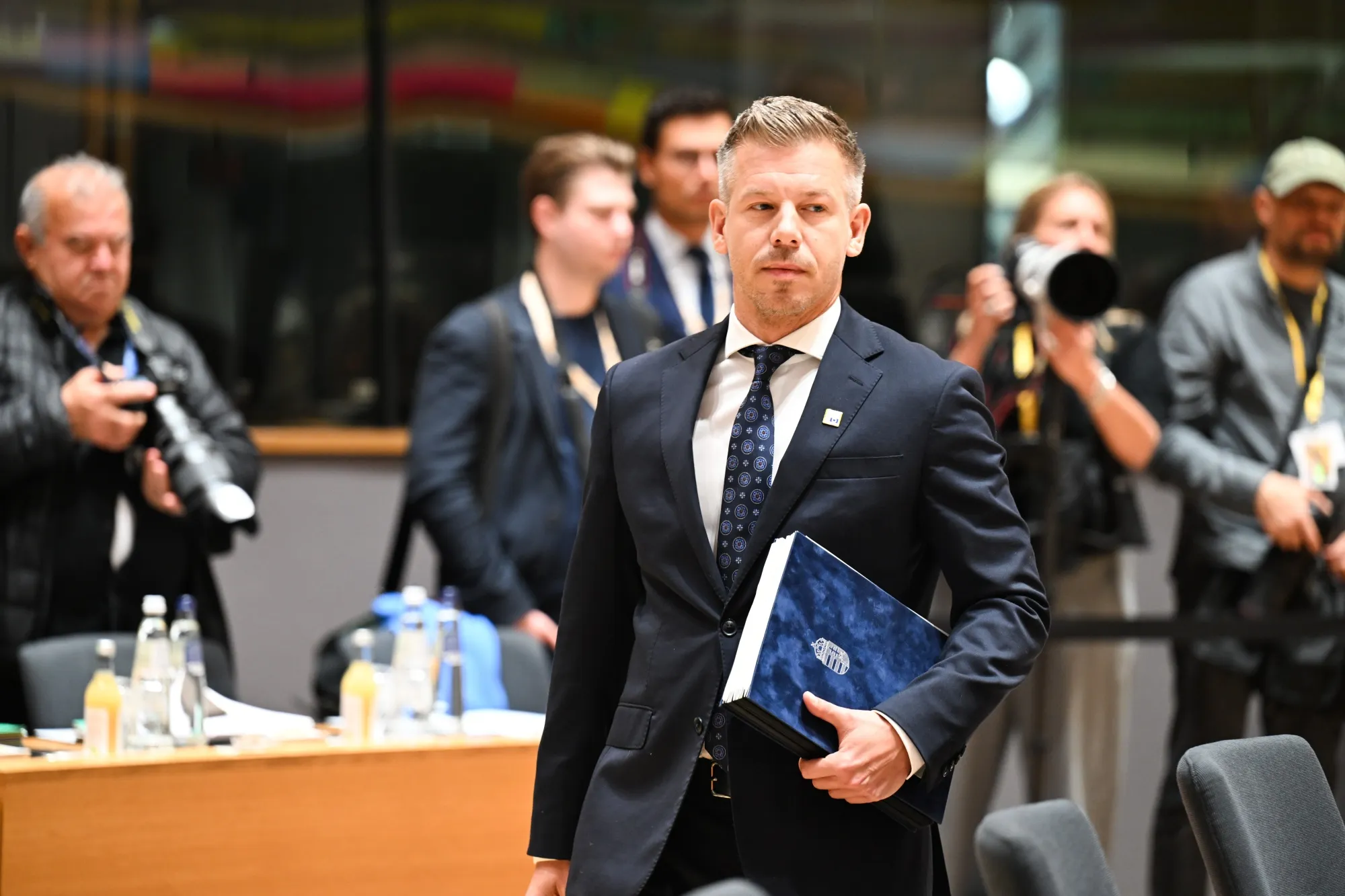
Hungary will cut the budget deficit to 4.9% of economic output next year, Prime Minister Peter Magyar said on Monday, signaling the government is ready for an ambitious reduction in spending on the way to potential euro membership.
The shortfall is set to decline from 7.5% expected this year, Magyar said in a speech in parliament. The cuts will target areas including public procurement, government communications and public media, he said, while also presenting a series of new spending initiatives.
The forint swung between gains and losses against the euro as investors tried to assess the credibility of the plan. The prime minister didn’t directly address the euro adoption plan in his speech.
The Hungarian currency traded 0.2% stronger against the euro as of 3:17 p.m. in Budapest, extending its year-to-date advance to 5.8%.
The government has said previously it wants to meet euro criteria in 2030, which would make the currency switch possible about two years later, according to the central bank.
Hungarian assets have surged this year after Magyar’s landslide election victory in April, which ended 16 years of Viktor Orban’s increasingly authoritarian rule. The new prime minister has promised to steer Hungary into the euro area to anchor the struggling economy in the European Union’s core and remove the uncertainty caused by a volatile domestic currency.
“We are starting work on rebuilding our country,” Magyar told lawmakers.
Hungary eventually needs to reduce the deficit below 3% of GDP to meet the criteria for joining the euro by the end of Magyar’s four-year term in office. Finance Minister Andras Karman will brief the media on the budget mid-term path on Tuesday.
Read more: Hungary’s New Leader Begins Biggest Challenge: Joining the Euro
The plan to lower the deficit below 5% of GDP aligns with some of the more ambitious forecasts and has been the most anticipated data point for investors — one the government and the central bank have both said may trigger a further rally.
Magyar had to balance the pressure to deliver on election promises, including a pledge for sharply higher social spending, with the need to sustainably lower the public debt.
He said he would leave in place a raft of energy subsidies on which many households have come to rely.
Promising pay rises for front-line workers in health, social care, education and law enforcement as well as tax cuts for the lowest-paid, Magyar said he would increase the burden on the rich via a new wealth tax and increased corporation tax for large companies.
“There is not a single person who has not suffered from the injustices of the Orban system,” he said. “The cancer ward nurse. The father working three shifts. The mother caring for a disabled child and ageing parents simultaneously.”

 点赞
 收藏
 点踩
 分享