Japan PM Takaichi Denies She’s Driving Weak Yen, High Rates

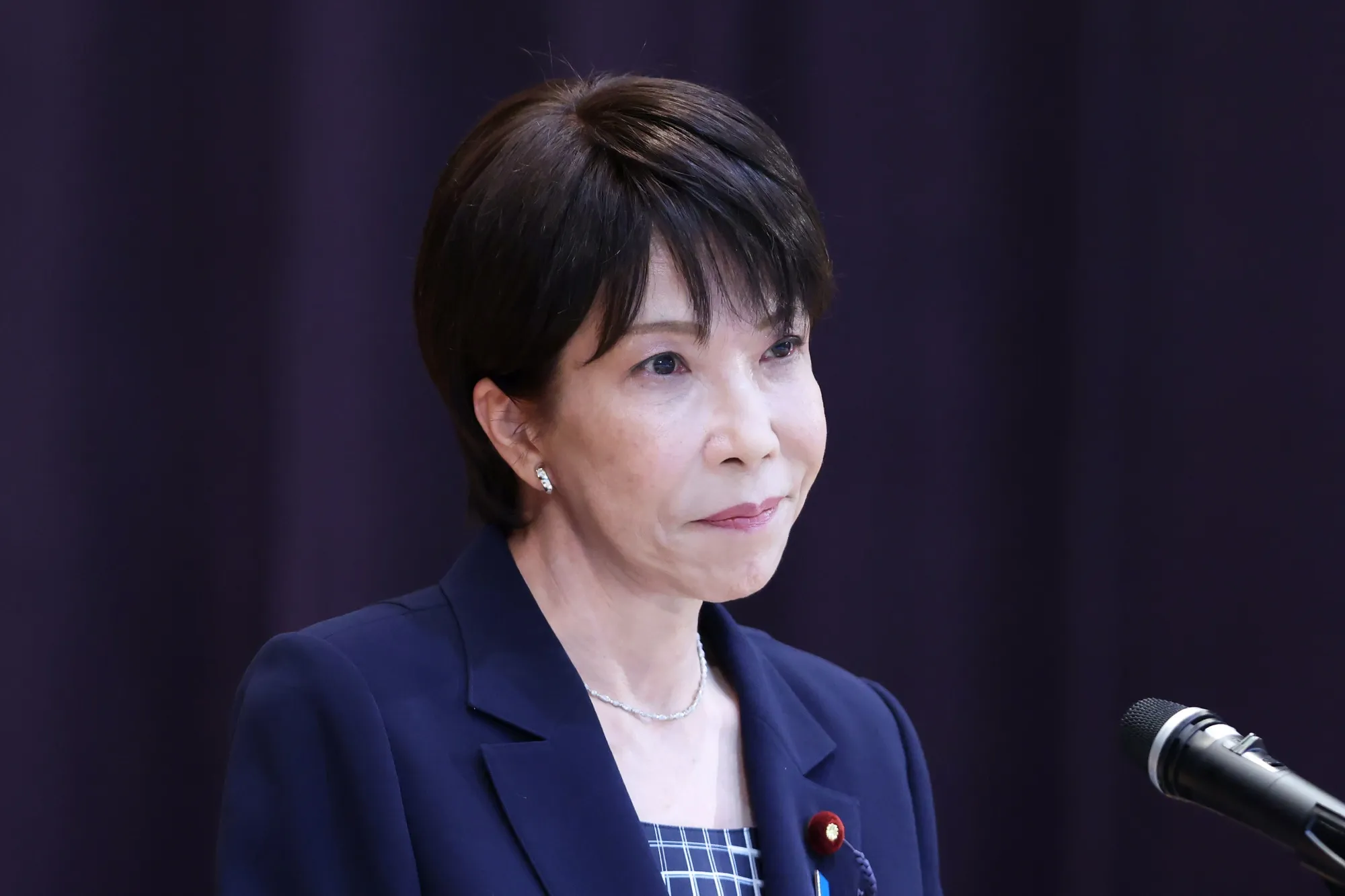
Japanese Prime Minister Sanae Takaichi strongly denied the notion that she’s responsible for a weak yen and high interest rates.
“Up until now, I’ve been criticized a lot for things like ‘Takaichi’s weak yen’ and ‘Takaichi’s high interest rates’,” she said in parliament on Monday. “I categorically reject those claims.”
Her administration aims to boost confidence in the yen by building a strong economy and achieving fiscal sustainability, Takaichi said, adding that that she will appropriately control the issuance of Japanese government bonds in next fiscal year’s budget.
The premier’s comments come as her year-old administration tries to ease persistent market unease about its fiscal management. Earlier this year, drafts of an annual economic policy blueprint fueled concerns that the government was shifting toward a more expansionary stance, sending the yen lower versus the dollar and long-term sovereign debt yields higher.
However, Growth Strategy Minister Minoru Kiuchi said in September that Japan no longer needs a reflationary policy of aggressive monetary easing and fiscal spending. Takaichi made similar remarks earlier this month. Finance Minister Satsuki Katayama has said Takaichi isn’t a reflationist, a label the prime minister has long been associated with.
Market participants are paying close attention to how the government will fund a planned sales tax cut on food and higher defense spending without worsening the nation’s debt burden.
Separately, Bank of Japan Governor Kazuo Ueda, who appeared with Takaichi in parliament, said underlying inflation is rising very close to the bank’s 2% target. The governor also said that long-term bond yields may rise if the market perceives that the BOJ is not raising the benchmark policy interest rate at an appropriate pace.

 点赞
 收藏
 点踩
 分享