Burnham Finds His Plans to Focus on Britain Blown Up by Trump

Prime Minister Andy Burnham’s bid to break from Keir Starmer’s premiership by focusing more on UK domestic policy and less on global events is proving near impossible in Donald Trump’s world.
The US president’s latest gambit in the Russia-Ukraine war — striking a diesel deal with President Vladimir Putin and pressuring Kyiv to stop drone strikes on Russian oil refineries — has pushed foreign policy to the top of Burnham’s agenda just three months into the job.
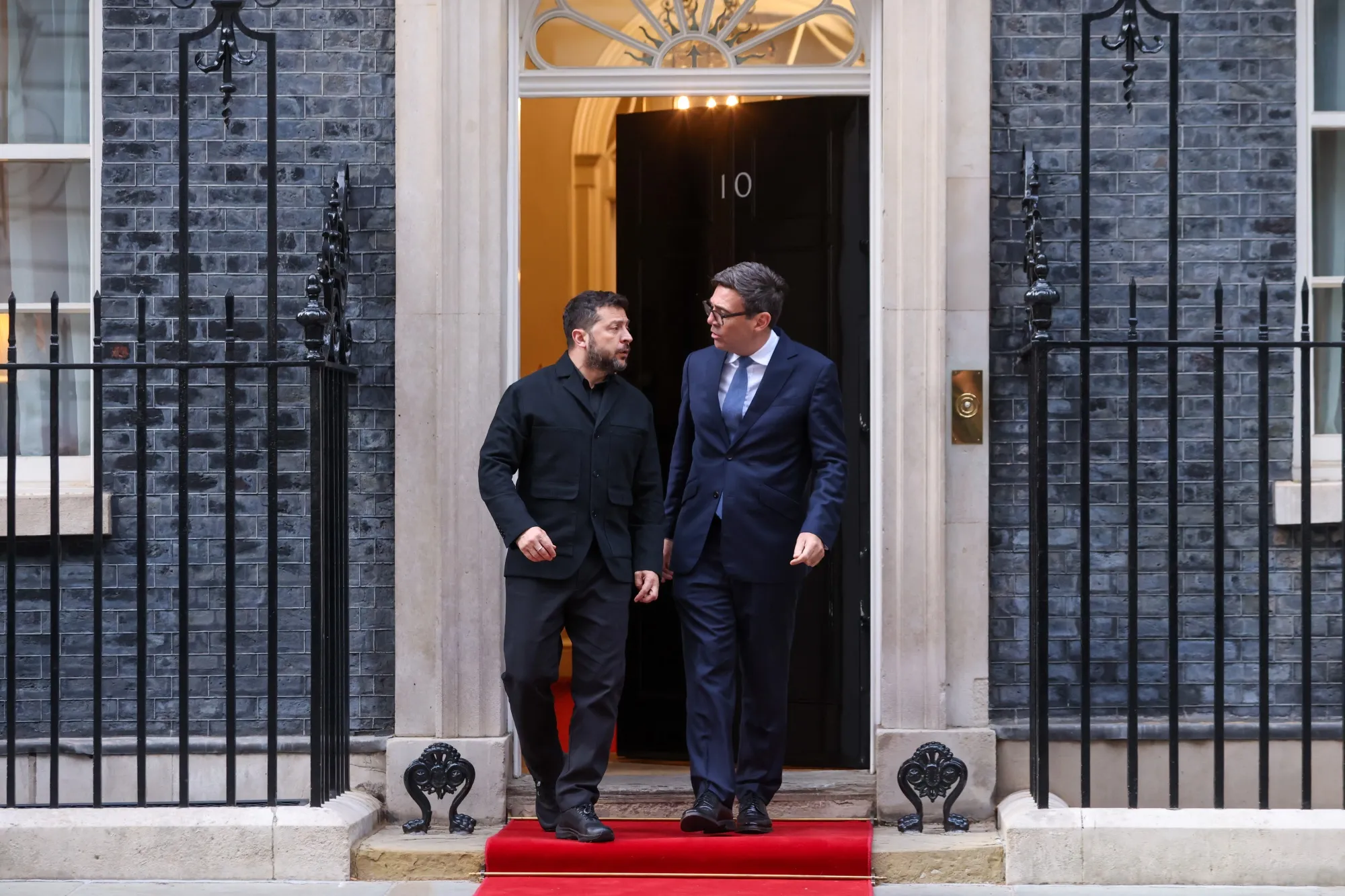
In a show of support to Volodymyr Zelenskyy, the premier hosted Ukraine’s president in London this week and publicly vowed to help “repair bridges” between him and the US administration. Privately, however, UK officials described their view of a darker reality: Trump is simply not on their side on the fundamental issue of European security.
That’s brought the “special relationship” between the US and UK to its lowest point in recent memory, leaving Burnham with a challenge that will define his premiership, according to one senior official, who like others for this story, was granted anonymity to discuss sensitive diplomatic matters. Any premier, even wartime leader Winston Churchill, would find the circumstances difficult and Burnham is a novice by comparison, the official said.
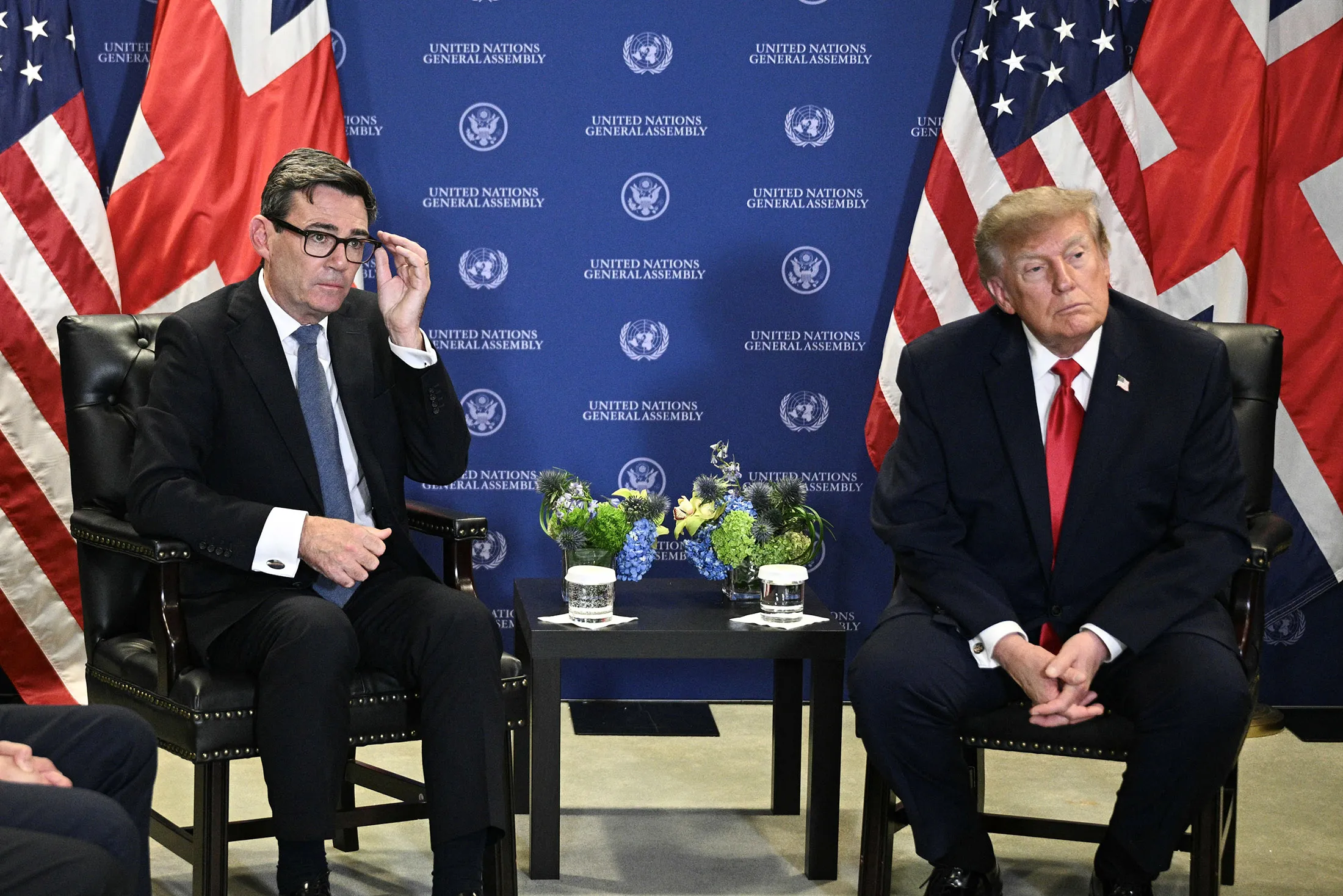
Burnham’s first meeting with Trump in New York last month was a case in point. While the president was polite in front of the cameras, praising his counterpart as a “natural business person,” behind-closed-doors conversations were more difficult as he railed against Britain’s lack of support for his war in Iran, according to UK officials familiar with the matter.
Another example was the recent alleged plot targeting a British airbase used by the US. Trump said there was a joint US-UK intelligence operation tailing the suspects, while reports cited officials close to the White House as suggesting the threat related to plans for a spectacular drone attack. Neither reflected reality, British officials said.
“President Trump had a good meeting with Prime Minister Burnham at the United Nations, and our countries will continue working together on areas of mutual interest,” White House spokeswoman Anna Kelly said in an emailed statement.
Kelly said Trump “has done more than anyone to bring the Russia-Ukraine war to a close” and that by selling American-made arms to NATO allies, Trump is “generating billions of dollars for U.S. industries while getting Europe to take primary responsibility for its own defense.”
Trump’s latest pivot toward Russia leaves questions Burnham’s government is struggling to answer, about how to handle the president and ensure Ukraine isn’t pressured into accepting an unjust outcome to the war.
While Burnham has sought to focus on the issues voters say they care about the most, such as immigration and the cost of living, failure on the international stage could harm his popularity, according to Chris Hopkins, political director at pollster Savanta.
“The public tend to see foreign affairs and diplomatic relations as a fundamental part of the job, and therefore appearing strong and statesmanlike is the minimum expected,” he told Bloomberg. “Appearing weak on the global stage, therefore, can have a calamitous impact on public perceptions, even when global issues generally do not drive public opinion.”
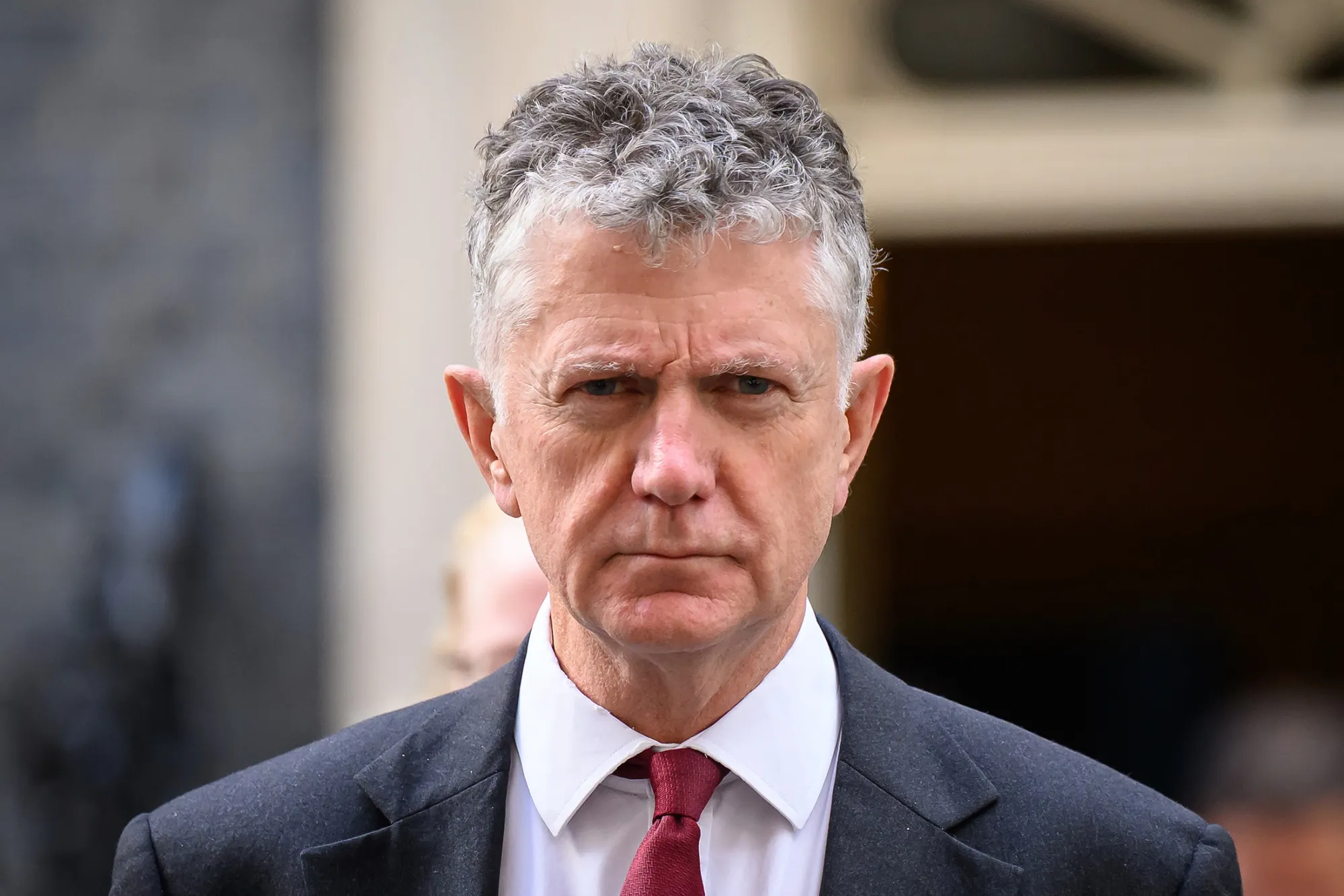
That reinforces the importance of the US relationship. On taking office Burnham decided to follow Starmer’s approach, espoused by the UK’s National Security Adviser Jonathan Powell, that Britain’s unique relationship with the US means it is best served by pursuing quiet diplomacy to persuade Trump to take less hostile positions toward Europe, people familiar with the matter said.
Advocates of this strategy point to counterfactual scenarios that would have been much worse: Trump did not try to take Greenland by force, he hasn’t tried to leave NATO or end all military and intelligence support for Ukraine, nor has he fully sided with Putin to impose defeat on Zelenskyy.
The starker truth is Britain has no credible alternative to trying to keep Trump onside, the people argued. Its security is more inextricably linked to US support than other European countries to the point that achieving fully sovereign capabilities is not realistic. In better times the relationship has helped Britain punch above its weight. Now it leaves it uniquely exposed, they said.
The UK’s key foreign policy aim beyond the Ukraine war is ensuring the transatlantic alliance does not collapse because that would realize Russia’s overarching strategic objective, an official said. Burnham’s role is even more important now French President Emmanuel Macron and German Chancellor Friedrich Merz are declining in influence, they said.
Yet with Ukraine saying it temporarily lost full access to the Elon Musk-owned Starlink system this week and Trump renewing his public criticisms of Zelenskyy, it’s hard to argue the British strategy is having better than mixed results.
One difficulty reported by officials is that the change of UK leadership in July means diplomatic relationships have had to be restarted from scratch. Number 10 has detailed no phone calls between Burnham and Trump since the president’s diesel deal, nor any call between the premier and other western European leaders. Officials also noted the lack of progress under the so-called Coalition of the Willing format of Ukraine’s allies in recent months. UK pledges to secure more air defenses for Ukraine, including from the US, have yet to deliver results.
UK Sees Trump’s Bomber Pullback as Boost for Iran and RussiaUK Rushes to Keep Mauritius Onside After Trump Pans Base PlanTrump Slams Chagos Deal in First Meeting With UK’s BurnhamTrump Was Rude About Manchester and Burnham Is Fine With That
To be sure, Britain does not yet see the situation as dire. The US appears to have restored Starlink, officials said, and the UK will continue to argue that Trump should not cut off access to a key US early warning system that helps Ukraine defend against Russian attacks.
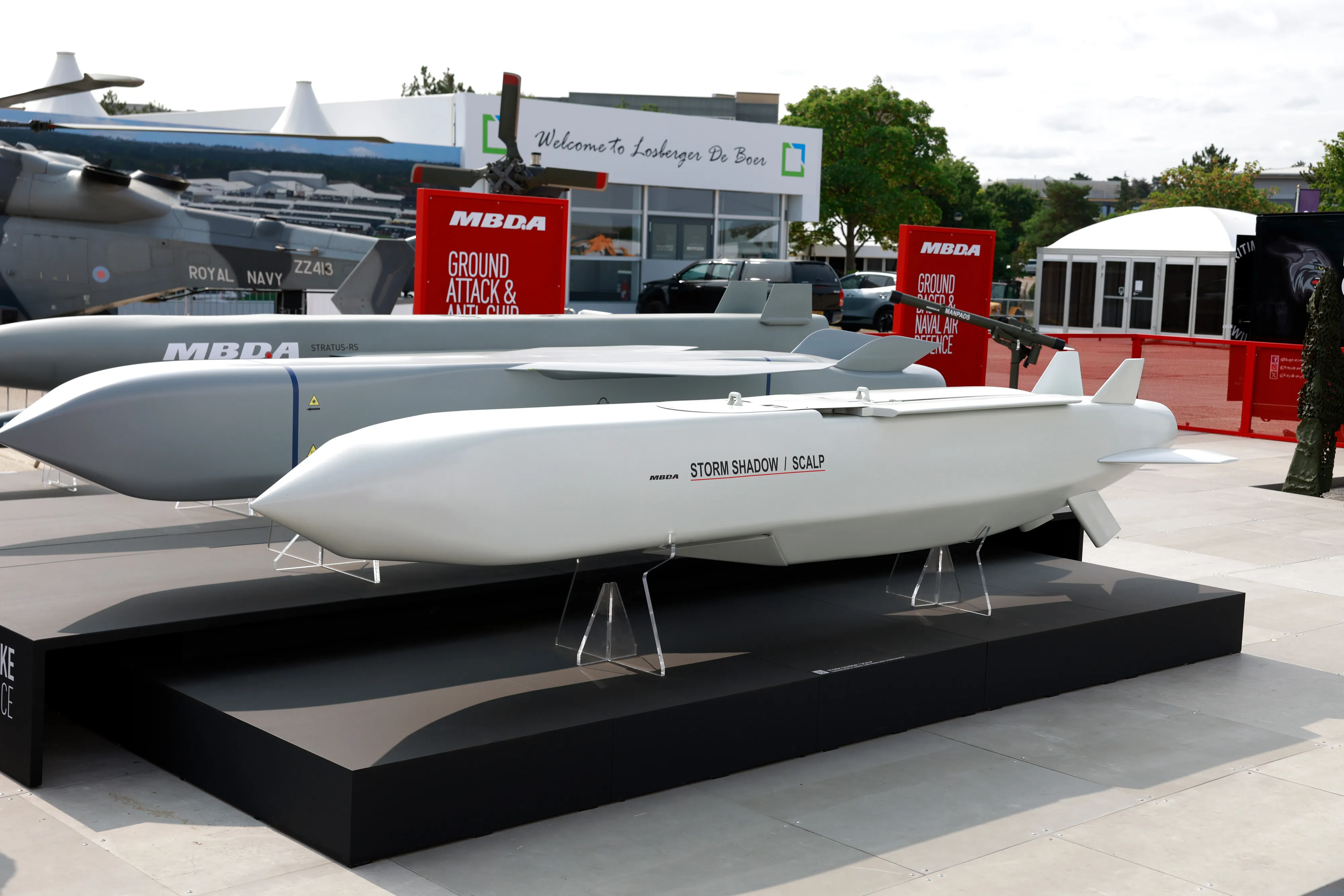
Zelenskyy also retains the ability to launch drone attacks on Russian oil refineries without US support, officials said. Russia is militarily and economically weak and desperate, and that is why Putin is so keen for Trump to increase pressure on Ukraine, they added. The UK is sending more long-range Storm Shadow missiles to Kyiv so it can continue to hit military targets inside Russia.
Longer-term, Burnham is looking to a post-Trump world and believes there will be a progressive resurgence in Europe and potentially the US.
“We’ve had a decade of populism that isn’t working for people,” he told Bloomberg in Kyiv in August. “The change I sense in Britain possibly is a change that’s going to come a bit more around the world,” he said. “The pendulum has to swing back.”
While Trump faces his own domestic troubles with the mid-terms looming, Burnham is stuck with him as he tries to navigate a potentially decisive phase of the Ukraine war. An adverse outcome would hardly be his fault but it might end up being the story of his premiership.

 点赞
点赞 收藏
收藏 点踩
点踩 分享
分享