Healey Considers New UK Investor Visa for Wealthy Foreigners

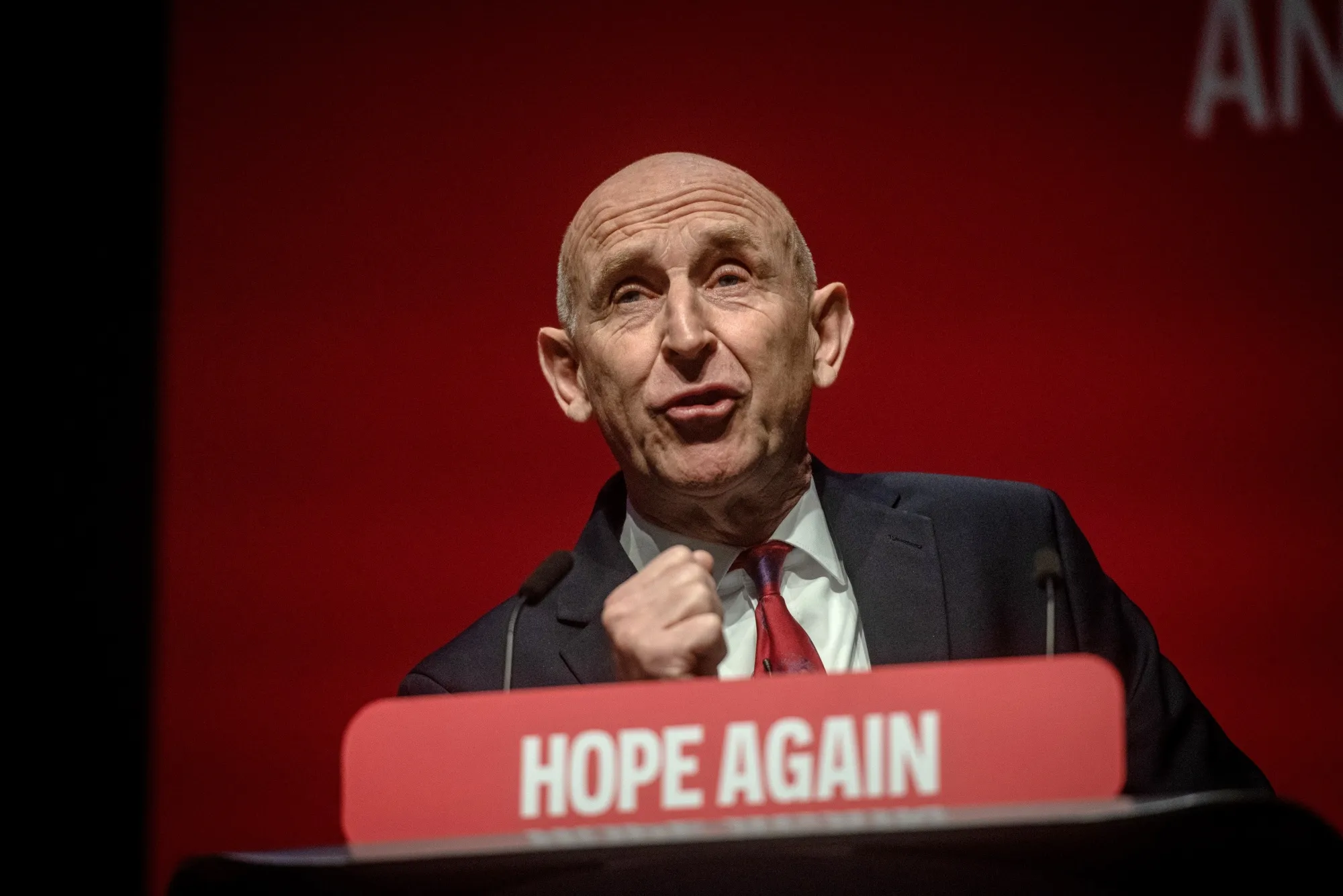
Chancellor of the Exchequer John Healey is considering introducing a new UK visa route for wealthy foreigners in his budget this month, as he tries to attract immigrants who can help spur economic growth.
Britain’s finance minister is weighing whether to launch a new residency path similar to the former investor visa, people familiar with the matter said. That was ended by Boris Johnson’s Conservative government in 2022 amid concerns that applicants — especially from Russia — were abusing it to launder ill-gotten money.
The Home Office, which is responsible for immigration, declined to comment. The Treasury didn’t immediately respond to a request for comment.
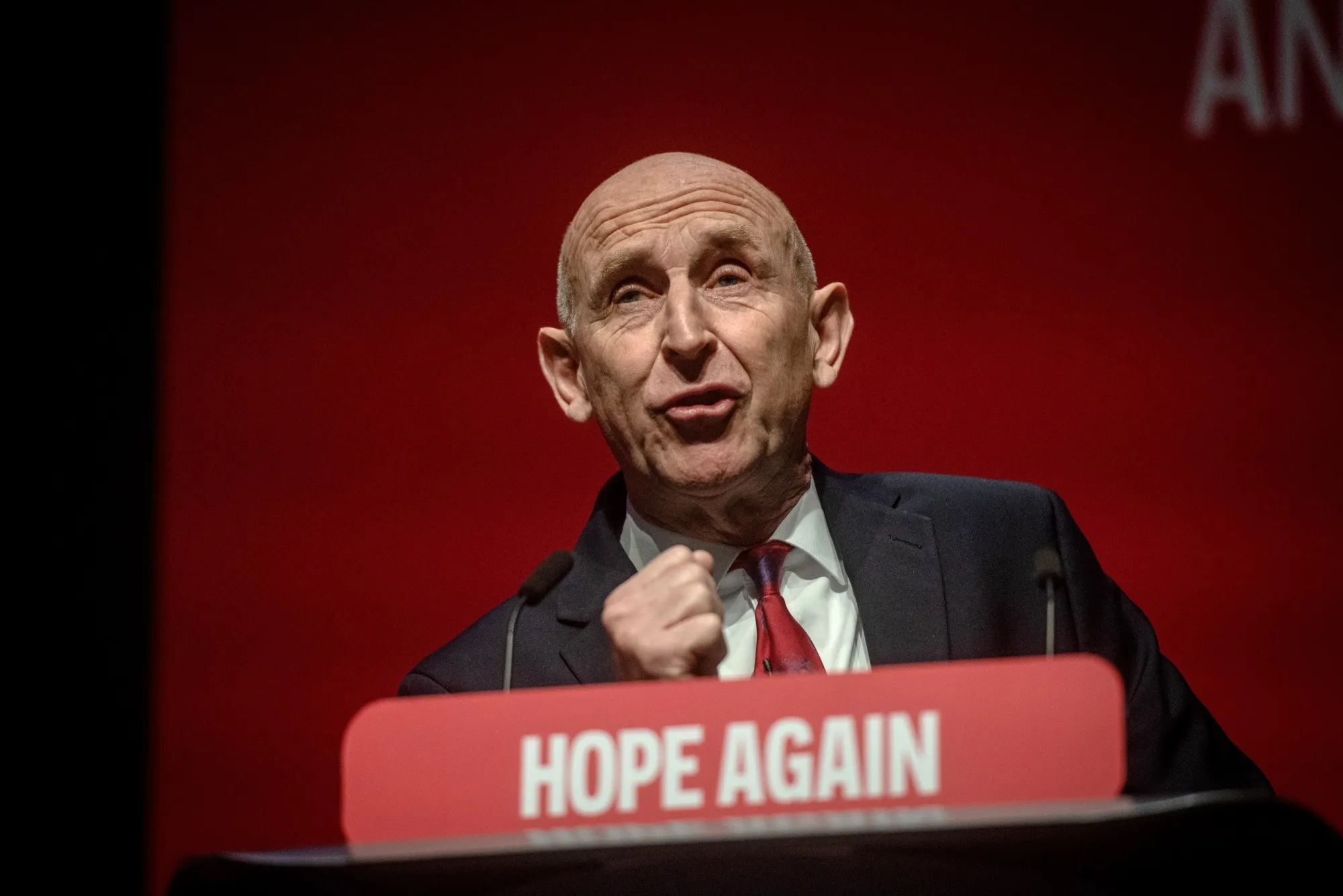
Healey is seeking to plug a gap in visa routes that immigration lawyers say is forcing them to turn away would-be migrants who would be an asset to the economy. Prime Minister Andy Burnham’s government is also under pressure to counter a growing narrative that its policies are forcing wealthy individuals to leave the UK, with people worth a combined $160 billion departing just in the past two years.
But while the government has said it wants to prioritize growth, its desire to cut immigration — a key concern of voters — has so far prevented the launch of a new pathway for the wealthy.
That means anyone wanting to come to the UK, even if they’re well-off or entrepreneurial, must fulfill strict requirements associated with an existing visa route.
“Unless you have a spouse visa or some other connection to the UK, it is really a closed door,” said Sacha Wooldridge, head of immigration at law firm Birketts. “The entrepreneur visas and business-related visas don’t adequately match the market demand.”
Wooldridge estimated the UK has turned away in the low thousands of wealthy immigrants since the investor visa path closed, all of whom would have brought spending power and paid a substantial fee for their visa. She’s also seen an uptick in interest from Americans looking to move overseas since US President Donald Trump began his second term.
One option being considered by Healey’s team is a proposal by the Institute for Public Policy Research, which recommends a visa program directing immigrants to invest £5 million ($6.7 million) over five years in a vehicle overseen by the state-owned British Business Bank. The pooled funds would be directed into innovative and high-growth sectors and pay out a set rate of return “significantly lower than market rates.”
Under another proposal by lobby group Foreign Investors for Britain, applicants would pay £2.5 million minimum into “qualifying investments” such as those run by the BBB. In return, they’d be allowed to pay an annual flat-rate tax of £200,000 for up to 15 years. The group says this could generate more than £225 billion in inward investment over a decade. Meanwhile the Office for Investment has been consulting on an invite-only £5 million route, something Wooldridge warned could be seen as nepotistic.
Any of those proposals could help secure a route to Britain for investors like Douglas, a serial US entrepreneur who wants to build his next business in Britain but is struggling to find a route in. He and other would-be immigrants who spoke to Bloomberg asked for their surnames to be removed in case it affects their immigration application. In an interview, he expressed bafflement at the difficulty he faces to move to Britain.
U.K.’s Patel Scraps Golden Visa Route for Millionaire InvestorsUK May Revisit Plan to Make Foreigners Wait for Resident StatusUK to Repay Visa Fees to Growth Firms Which Recruit AbroadUK $3.3 Million Investor Visa Would Stem Exodus, Lawmakers SayUK to Create New Fast-Track Residency Path for High-Earners
“I’m not gonna take a job from a Brit, and I’m gonna spend money and I’m gonna invest and I’m gonna build a business,” said Douglas. He said he’d be willing to pay £10,000 for a visa and make commitments on hiring, even without getting any further tax reliefs in return.
After his wife died of cancer four years ago, Douglas decided to pursue the dream they’d both held of living abroad. He first started exploring the Global Talent Visa, open to leaders in research, arts or digital technology, but although he had previously built and sold successful technology businesses in the US, his most recent exit was 8 years ago — too long to be considered.
He now aims to apply for an Innovator Founder Visa, a route for experienced entrepreneurs who want to set up a business. But first he must get endorsement for his business idea from one of three independent bodies — which typically approve fewer than 40% of proposals.
Arthur, an entrepreneur from South America, says he nearly gave up on plans to move his family to the UK. Eventually, he opted to move the Ireland base of his global commodities trading business to London. That allowed him to be employed through the Skilled Worker Visa — but led to the business’s tax almost doubling.
Douglas and Arthur both feel they’re anomalies in trying to move to the UK, when other wealthy individuals are leaving for tax reasons after the abolition of the old non-dom status which allowed them to avoid UK tax on foreign income. The UK shouldn’t get complacent, they both said.
“You should fairly tax the rich, but you have to think that the rich people, they are very mobile,” Arthur said. “There’s a cost of moving because you have kids, you have the school, you have the friends. But if you reach a certain level, you’re just going to say no, I’m done. I’m out.”
For now, wealthy foreigners are having to be creative to find visa routes into the UK. Wooldridge says she saw one American housewife deepen her role in her local church back home in order to apply for a visa under the religious worker route. But she said the UK could charge into the millions of pounds, similar to Trump’s $5 million “golden visa”, if it gave enough thought to balancing the sum with the advantages migrants would get in exchange for paying it.
David Livitt, head of the UK Global Mobility Tax Team at accountancy firm Blick Rothenberg, echoed that, saying he’d like to see “more clarity or thought around how to make it a bit more attractive to come here and invest.”
“What is the incentive for coming over?,” he said. “The visa route from a tax perspective doesn’t really distinguish between individuals who just want to come over and work here a little bit versus those that are really entrepreneurs.”

 点赞
点赞 收藏
收藏 点踩
点踩 分享
分享