EU Assesses More Sectors in China Trade For Quotas

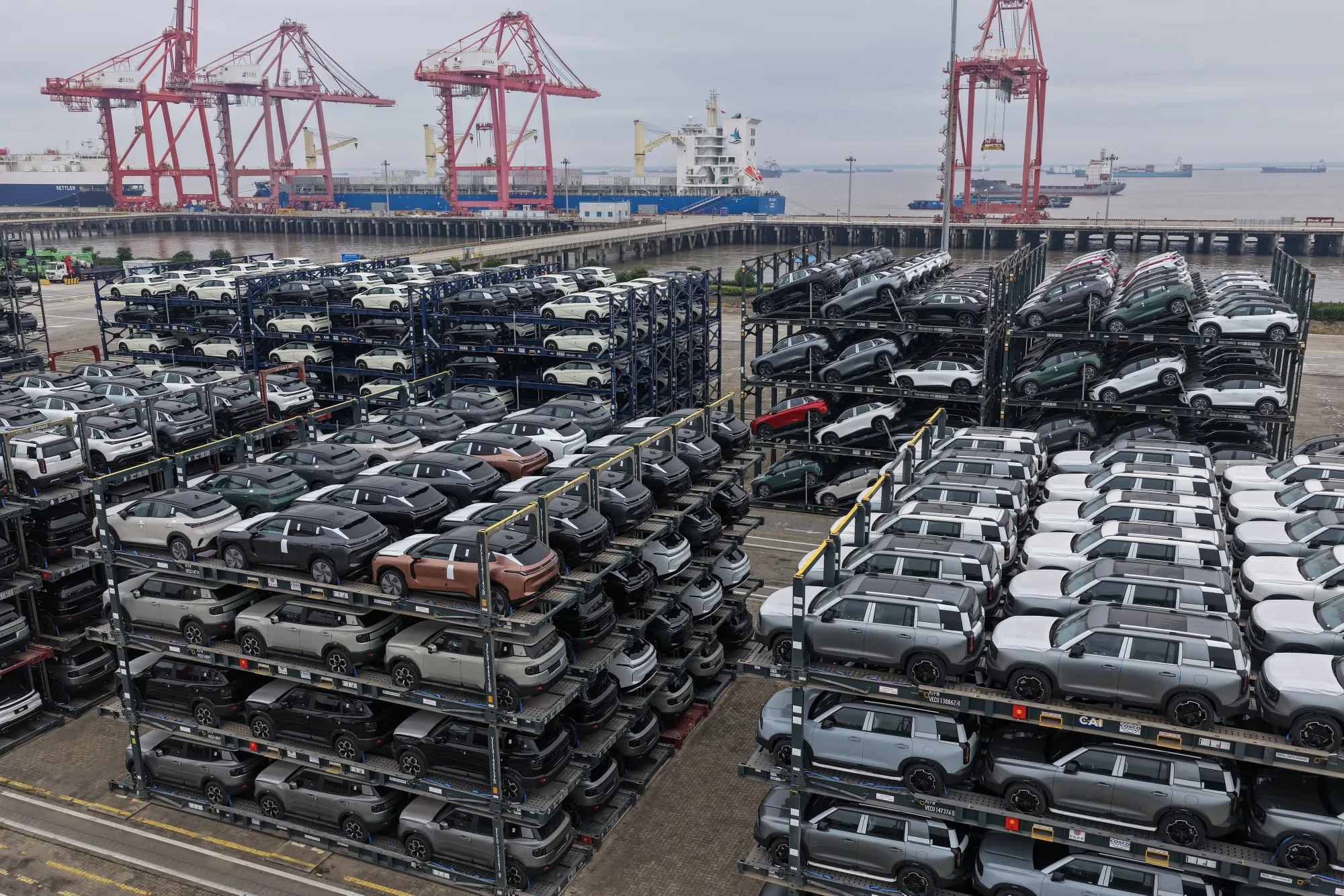
The European Union is understood to have begun evaluating trade data with China and other countries to find surges in imports as part of a step towards placing quotas on additional sectors of goods. EU leaders are meeting in Brussels to discuss ways to address the trade deficit, which reached a record $34.8 billion in September.
The European Commission reached an understanding with China on hybrid vehicle imports which saw it announce a cap of 350,000 cars a year. It is understood this will likely be a blueprint that can be applied to other sectors.
Some countries, including Germany, are pressing the EU to quickly place quotas on additional sectors of goods being imported from China to begin reducing the bloc’s massive trade deficit. Low-cost and at times subsidized goods from China have been flooding the continent, eroding domestic industries.
What You Need to Know Today
European Central Bank policymakers are understood to be getting impatient with Christine Lagarde’s refusal to offer clarity about her future. Frustration has been building after months of speculation about the ECB president’s potential early exit — and Lagarde’s cryptic responses to them.
There is also concern that the saga is a bad look for the ECB. One issue that may be impeding Lagarde’s exit before the end of her term next October could be France’s current bond troubles. With market tensions persisting and the ECB moving toward a third increase in interest rates, she and colleagues have focused on those issues in public while skirting the matter of the presidency.
Zelenskyy Orders New Russia Refinery Attacks in Trump RebukeUkrainian President Volodymyr Zelenskyy ordered attacks on Russian oil refineries to resume in a spiraling confrontation with Donald Trump over restrictions on US intelligence assistance.
The ECB is unlikely to step in any time soon with market intervention to help France, according to its former chief, Mario Draghi. The veteran of the euro area’s sovereign debt crisis said in an interview today that the region is a long way from a repeat of that episode, and that circumstances make aid from Frankfurt still a distant prospect.
“The bar is high,” he said at the New Economy Forum in New Delhi. “We had more kind of a deflation, or at least inflation rates just above zero” and “now, inflation is high, and rising on top of everything. And I think that’s the first priority by the European Central Bank, which is its mandate to control price stability.”
German Vice Chancellor Lars Klingbeil rebuked Washington’s efforts to restore Russia’s position on the global stage. “That this opening is taking place is something I’ve been following with great concern,” Klingbeil said today in Bangkok. “Pretending that Russia is returning as a normal member of the G20 and sitting back at the table — that won’t happen with me or the other Europeans.”
The comments come after President Donald Trump said last week that he is working with Russian leader Vladimir Putin to release the country’s diesel supplies into global markets, upending years of sanctions in a bid to ease fuel prices before the US midterm elections. Trump also demanded that Ukrainian President Volodymyr Zelenskyy halt attacks on Russian oil refineries and suggested he should consider stepping aside as president.
British consumers are showing increasing signs of strain in the face of soaring fuel, energy and mortgage costs. The prospect of tax hikes in the budget this month is also threatening further pain ahead. Evidence is mounting that more households are feeling squeezed, with many taking on more debt to get by.
Beneath what has been surprisingly robust economy — underscored by another strong GDP print today — consumer confidence is stalling. Consumers matter for the UK because their spending contributes around 60% of gross domestic product, a larger share than in other major European economies.
The International Monetary Fund nudged up its forecast for economic growth in sub-Saharan Africa. The IMF projects the region will expand 4.5% this year and next, matching the pace it grew at in 2025. The forecast is 0.2 percentage point higher than in its April projection, it said in its Regional Economic Outlook today.
But the Washington-based lender said it stands ready to help if geopolitical challenges put the region under undue strain. Growth last year was “the fastest pace in a decade,” said Zeine Zeidane, director of the IMF’s African Department, but African economies are now being pressured by rising global interest rates amid a resurgence of inflation caused by the Iran war.
Houthi Attacks on Saudi Arabia Defy Difference in Military PowerThe Houthi attacks on Saudi Arabia are demonstrating the limits of the kingdom’s military prowess — despite defense spending that far outstrips that of its regional neighbors.
What You’ll Need to Know Tomorrow
Ex-DUP Leader Donaldson Gets 15 Years Jail for Rape, Child AbuseSevere Drought Hits Parts of England for First Time Since 1995Pentagon Intends to Hold Iran School Attack Report Past MidtermsUniCredit Weighs Risk Transfer on $1 Billion of German MortgagesIsraeli Firms Placed Spyware at Al Jazeera via Ads, Report SaysDangote Pushes African Market Access for IPO With Egypt VisitUS Tells IEA Nations It’s Unhappy With Emergency Oil Release
For Your Commute
The AI Boom Is Creating a New Market for $500,000 MatchmakersMatchmakers say wealthy people in and around the tech industry are increasingly turning to them for an alternative to dating apps
More from Bloomberg
Enjoying Evening Briefing? Check out these newsletters:
Money for insights, ideas and tools for doing more with your moneyMarkets Daily for what’s moving in stocks, bonds, FX and commoditiesMarkets Daily UK for what’s driving UK markets before the trading day startsMoney Distilled for John Stepek’s daily newsletter on what market moves mean for your moneyThe Brink for exclusive coverage of corporate distress, bankruptcies and turnaround stories
Explore all newsletters at Bloomberg.com.

 点赞
点赞 收藏
收藏 点踩
点踩 分享
分享