Ledger Unveils $899 Smartphone-Like Device After $90 Million Crypto Theft

Crypto hardware wallet maker Ledger SAS is launching a smartphone-like device for users seeking extra protection for their digital assets and online activity, in the wake of a security incident involving some of its products.
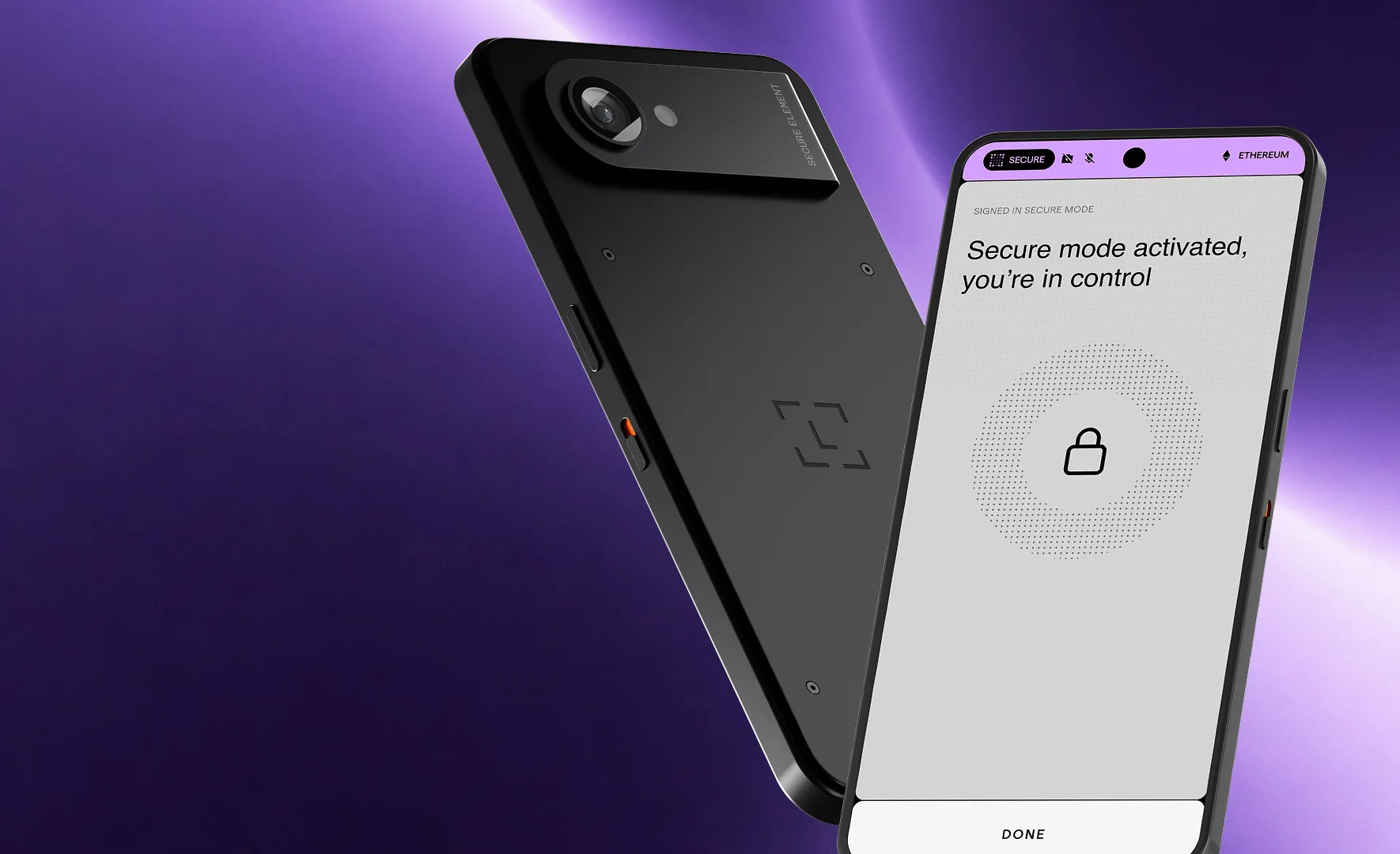
The $899 Ledger Atom — available from next summer — will run Android apps and a separate operating system for sensitive tasks such as crypto transactions, encrypted messaging and actions carried out by artificial intelligence agents. It is aimed at individuals and businesses that may already use a separate smartphone for sensitive activities, offering a device designed specifically with those security needs in mind, Ledger’s Chief Executive Officer Pascal Gauthier said in an interview.
The market opportunity will be significantly larger than that of Ledger’s traditional hardware-wallet business, Gauthier added, with about 200 million security phones sold annually. “It’s not trying to replace your iPhone,” he said. “It’s a separate category.”
Atom’s launch takes Ledger beyond its core business as the Paris-based company deals with the fallout from fund losses reported by users who’d bought some of its wallets from a Malaysian reseller. The total amount lost in the incident — first disclosed on Oct. 9 — has been estimated at more than $90 million across hundreds of cryptocurrency addresses, according to research published by Galaxy Digital Inc.
An investigation of the breach by Ledger, published on Thursday, found attackers had bought genuine devices, fitted them with hidden spyware implants designed to capture users’ passwords and returned them to circulation through resellers in Southeast Asia. Ledger’s own systems and devices were not compromised, the company said. It did not confirm the total number of users affected or total losses.
Atom will include additional protections against physical tampering, including new methods to help detect if the enclosure surrounding the device’s secure element has been opened or the display removed, the firm said. Those protections, which will continue to run even when the device is off, will explicitly block the kind of spyware implants discovered by users earlier this month, it added.
The incident marks the latest in a series of breaches involving makers of crypto hardware wallets, which have long been considered one of the safest ways for users to safeguard their digital assets. The surge comes as cryptocurrency hacks soared this year, with advances in AI making it easier for online criminals to identify flaws in company code that can be exploited.
Read More: Bitget Hack Pushes North Korean Crypto Haul Past $1 Billion
“Perfect security doesn’t exist,” Gauthier said when asked about the recent incident. “It’s a reminder that the fight between good and evil never stops. We’re not taking it lightly.”
Hardware wallets store the private keys needed to access and move cryptocurrency, keeping them separate from everyday devices connected to the internet. While that adds a layer of security, it can also make transactions more cumbersome by requiring users to switch between multiple devices. Atom aims to combine the security functions of Ledger’s hardware wallets with a smartphone’s apps and touchscreen functionality, allowing users to initiate and approve transactions on the same device in a secure environment.
The Atom device runs two operating systems: an open-source version of Android for everyday apps, and Ledger OS, the company’s own system running on a secure chip for sensitive activities. It can switch between these modes automatically, the company said.
Through Atom, users will be able to send and receive crypto and access some services from third-party platforms such as digital-asset exchange Kraken to transact with their holdings, Ledger said. The device can also be used to manage AI agents through OpenClaw, and users will be able to encrypt private messages before sending them through a messaging app of their choice. Ledger will not be able to see the unencrypted text, it said, while recipients can decrypt and read the message via another Atom device in secure mode.
Through the new device, Ledger is also betting on growth in tokenization, where everyday assets such as stocks are represented on a blockchain, creating a need to securely store them and prove their ownership. The company also sees an opportunity in AI, as people increasingly use autonomous agents to act on their behalf and will need ways to verify who controls them and their own identity online.
Read More: AI’s Money Bots Are Here and Everyone Wants to Handle Their Cash
“How do you prove tomorrow, in a world of AI, that you online is actually you?” Gauthier said.

 点赞
点赞 收藏
收藏 点踩
点踩 分享
分享