MBS Faces Houthi Menace in One of Saudi Prince’s Biggest Crises

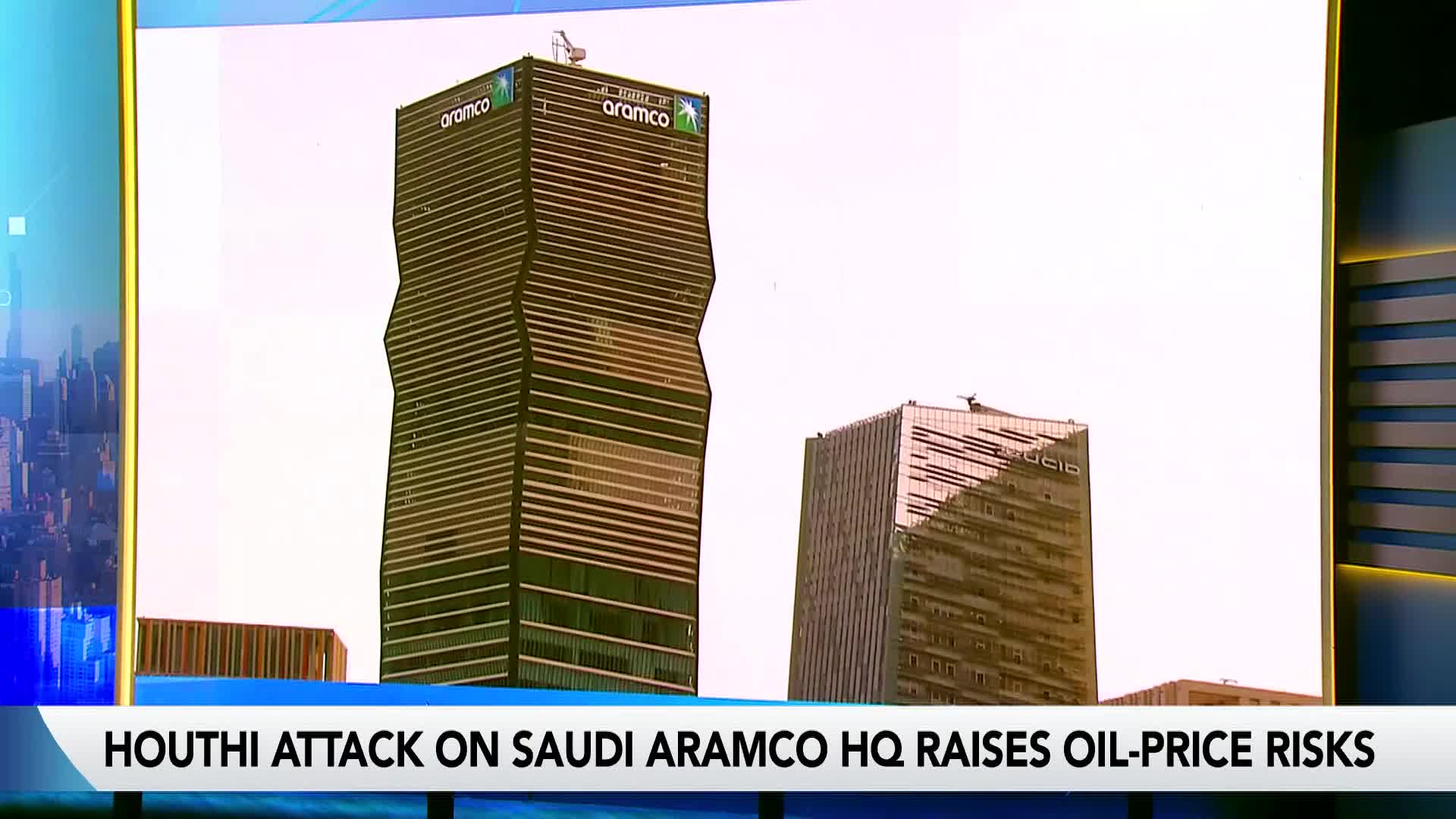
Saudi Crown Prince Mohammed bin Salman is facing one of the biggest crises of his tenure as the Houthis, who he tried to crush a decade ago, attack the kingdom while his allies hold back.
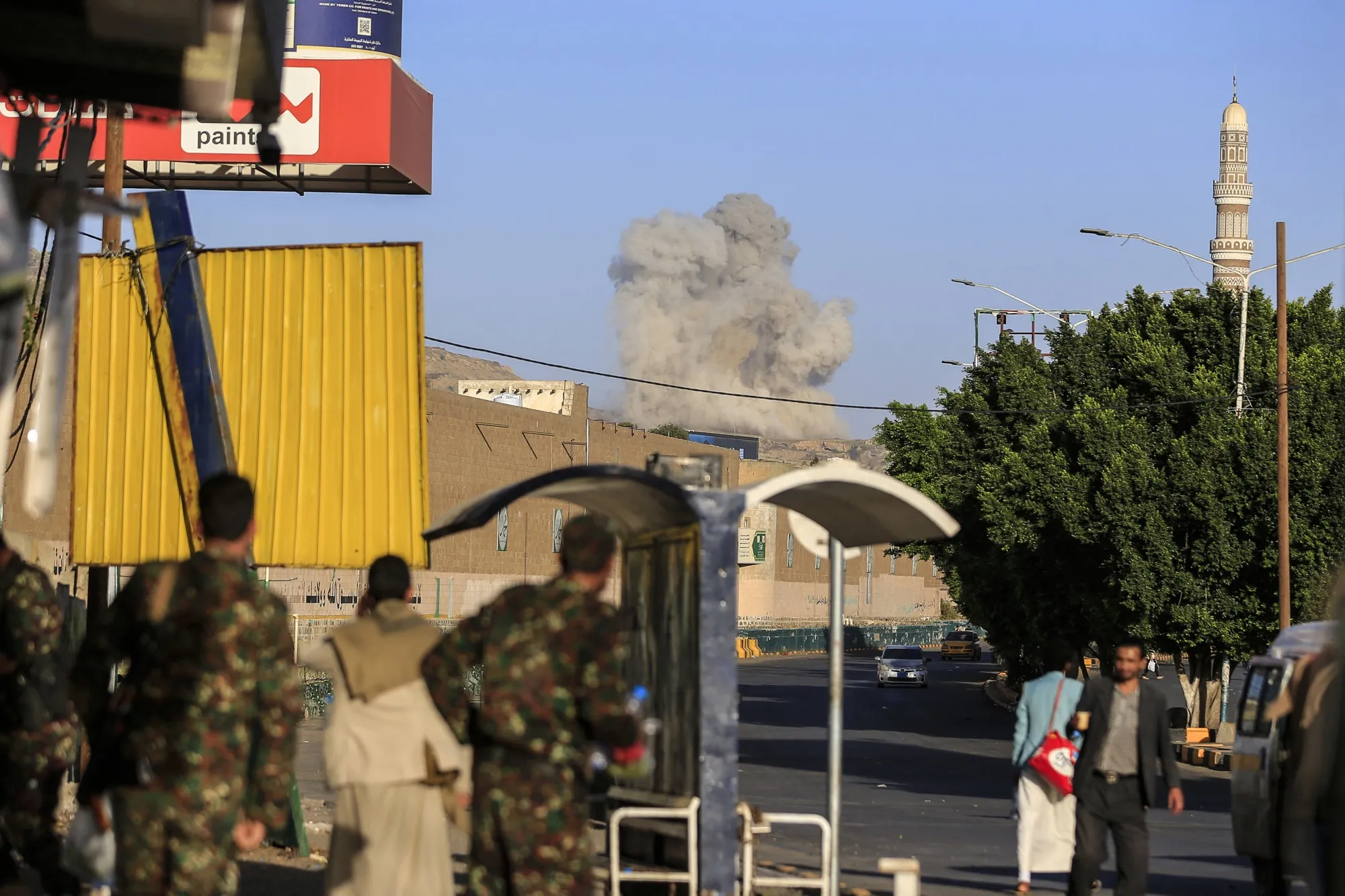
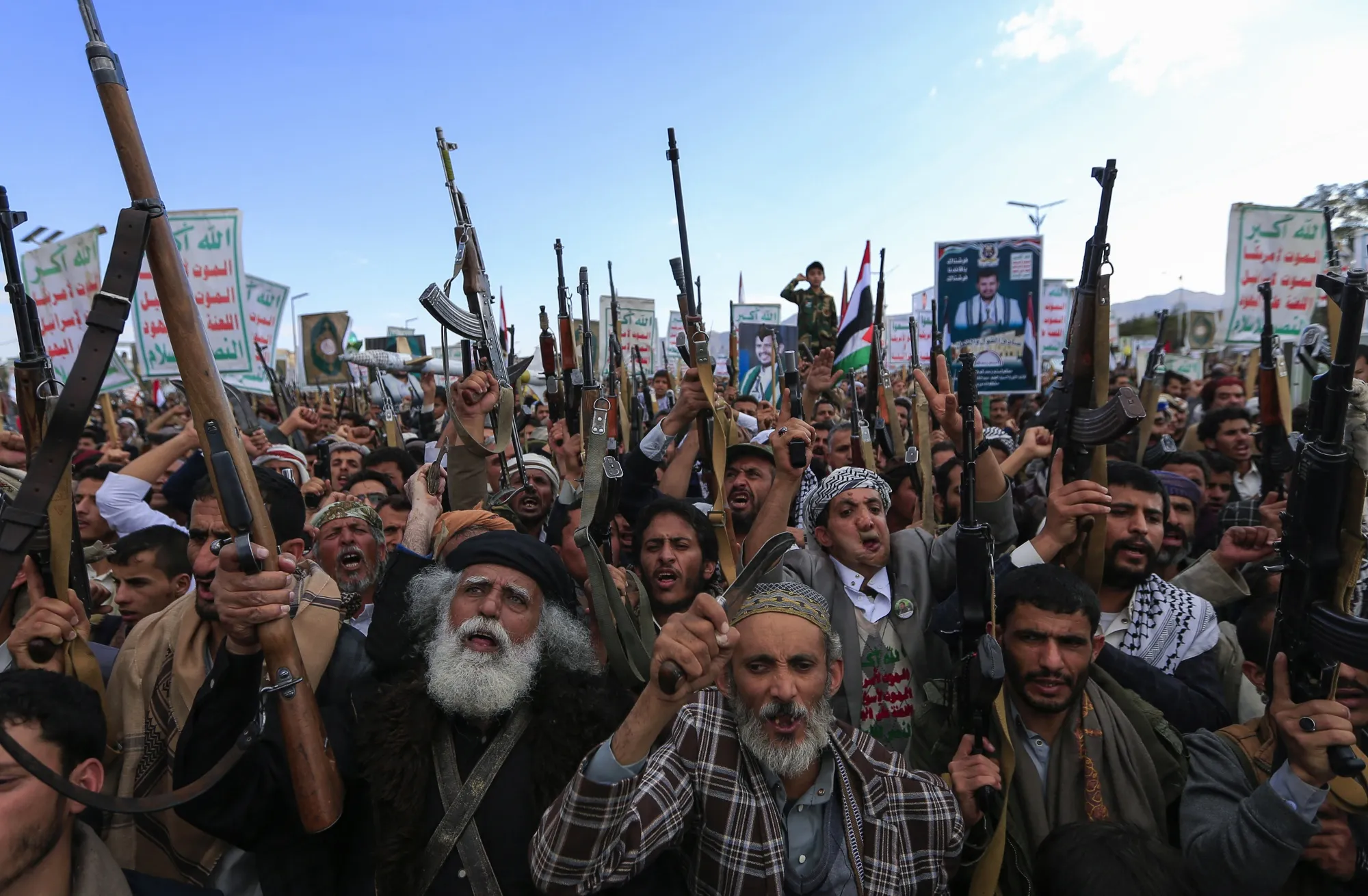
The Houthi drone and missile campaign has killed at least 18 people and shut the country’s main airport, stretching the kingdom’s defenses. Hundreds of Saudi flights remain grounded, schools have moved online and the capital’s financial district has shifted to remote work – less than two weeks before Riyadh hosts its flagship gathering of global investors.
Read More: Riyadh Airport Attacks Amplify Wall Street’s Unease Over Saudi
That leaves the crown prince, who has spent years and billions of dollars courting world leaders and financiers, in need of allies more than at any time since he became de facto ruler in 2017. But with the Houthis hitting deep inside the kingdom from their base in Yemen, MBS — as he’s known — may find Saudi Arabia has few options.
Courting US President Donald Trump has thus far failed to secure direct military intervention, while a new defense pact with Turkey and Pakistan has brought limited assistance. Gulf states have issued statements supporting the kingdom, but stopped short of joining the war against the Houthis.
“He is in a terrible situation,” said Karen Young, senior research scholar at Columbia University’s Center on Global Energy Policy. “He has to answer to the attacks but solve the situation as soon as possible to get back to the focus on the economy.”
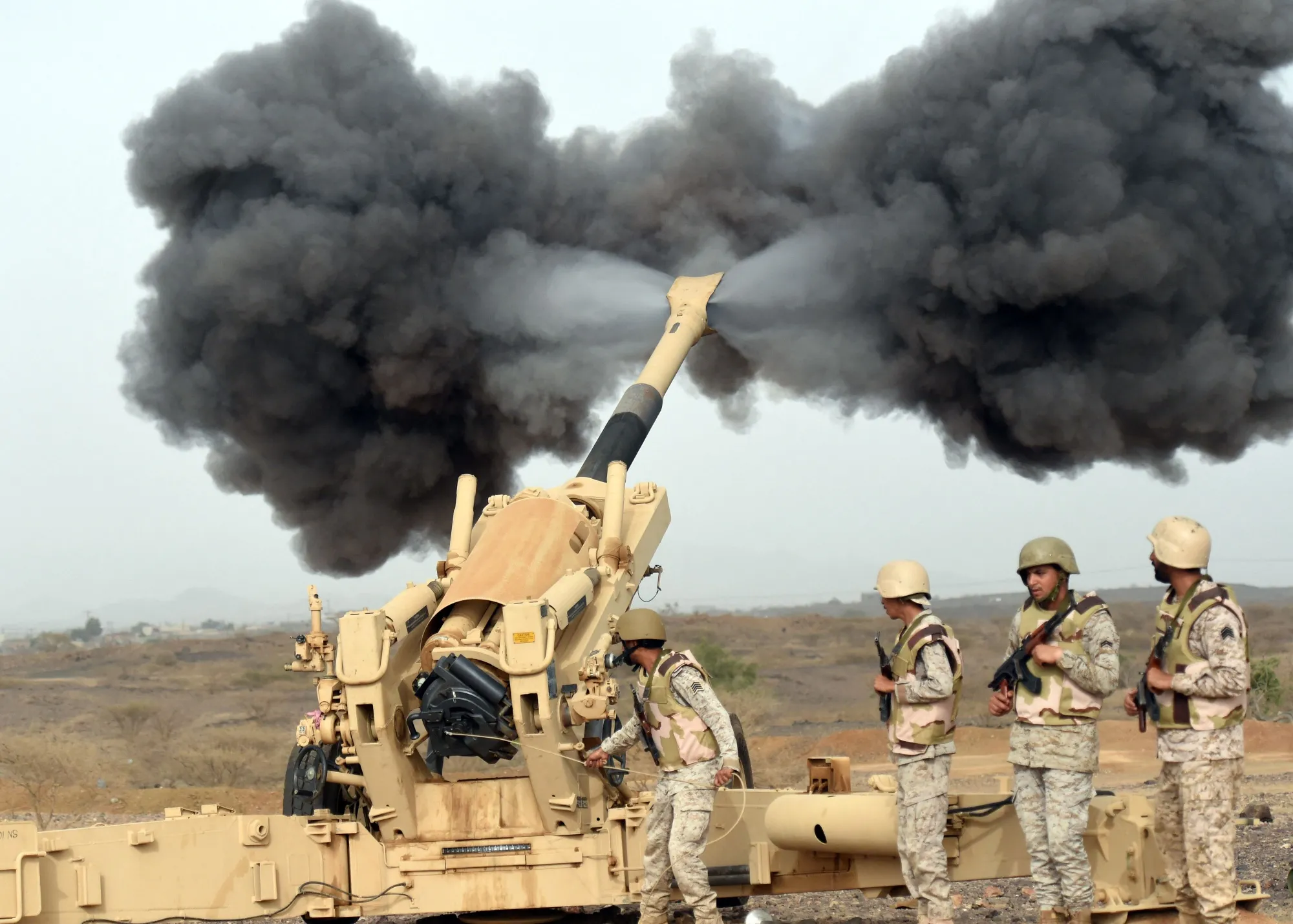
MBS led Saudi Arabia into war against the Houthis in 2015, his biggest foreign policy gamble. But the Saudi-led coalition failed to oust the Iran-backed militant group, which has only grown stronger since. Now, Saudi warplanes are striking Houthi territory again alongside a Riyadh-backed Yemeni coalition, reviving a conflict Riyadh spent years trying to escape.
Read More: Why the Houthis Are So Hard to Defeat: Explainer
The Saudi government’s media office didn’t respond to a request for comment.
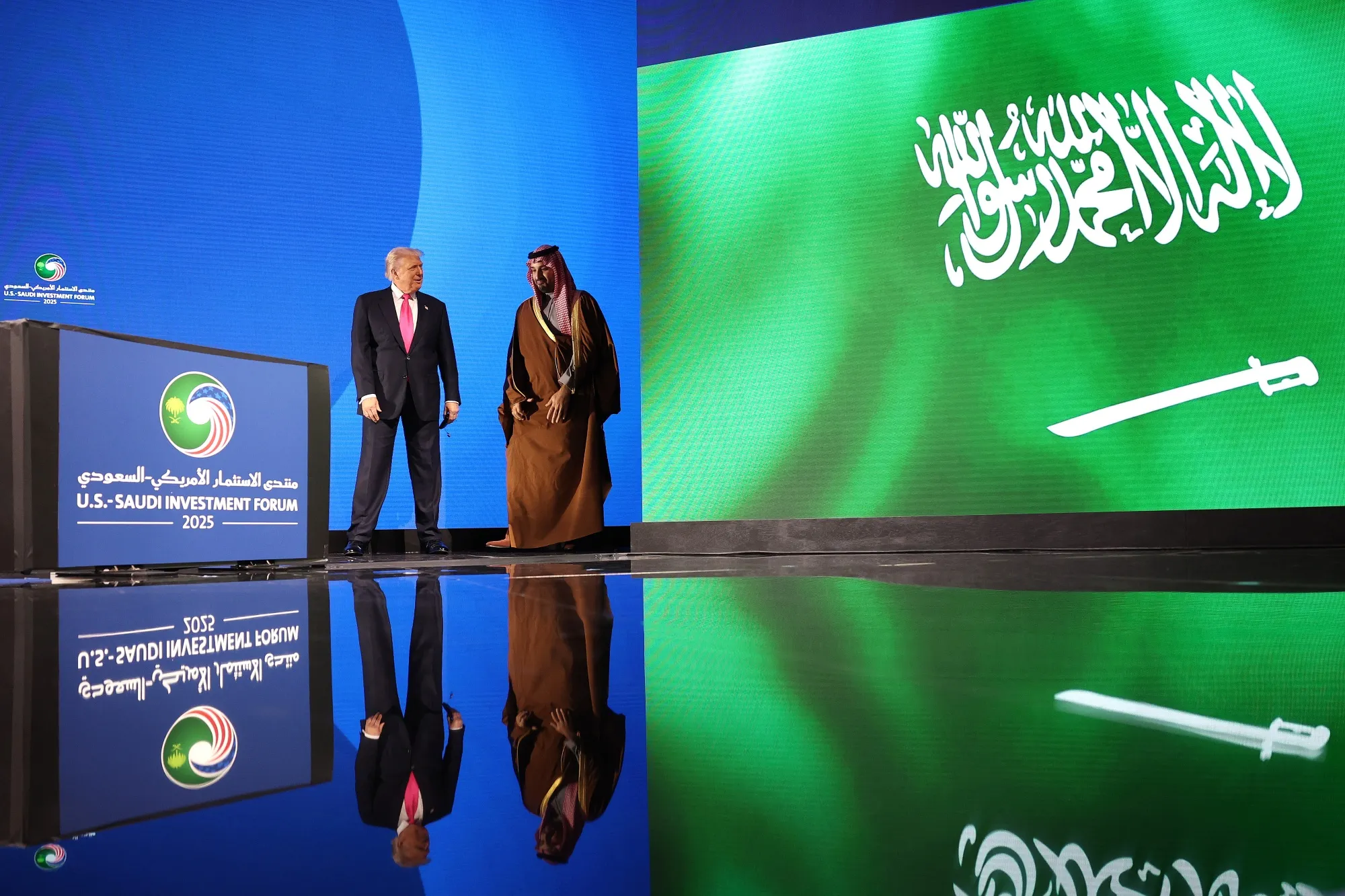
The clearest disappointment has come from Washington. MBS spent years cultivating Trump and last November increased Saudi Arabia’s pledged investments in the US to $1 trillion, while signing a defense agreement. The US has provided intelligence, targeting and refueling, but it’s stopped short of offensive strikes, and advised Riyadh not to send ground forces into Yemen as long as the US-Iran war persists, according to people familiar with the situation, who requested anonymity discussing sensitive matters.
Read More: Trump Resists Deeper US Role in Saudi Arabia-Houthi Conflict
Trump raised the possibility of US strikes after Saturday’s airport attack killed an American. “We may. We’re going to look at it,” he told reporters. He spoke with MBS on Monday, but made no commitment and may not, given the upcoming US midterm elections.
On Tuesday, Trump issued what appeared to be a veiled threat to the militant group on social media, saying they were “purposefully trying to drive up Oil Prices” at the “behest of Iran” ahead of the midterms on Nov. 3.
“I thought they learned their lesson a year ago when we bombed the HELL out of them and, at their request, stopped,” Trump wrote. “I’ll be there after the Elections, and I will never forget!”
Read More: Saudi Airport Attacks Pressure Trump to Boost US Role in Yemen
The Houthis chose to escalate now to give themselves, and Tehran, maximum leverage in any US-Iran deal that mediators are negotiating, according to a person familiar with the matter.
European support has also fallen short of what Riyadh wants, according to people familiar with the matter. Britain has sent an air-to-air refueling plane, while France will send troops, radar and air-defense systems to key oil hub Yanbu. But Saudi requests for more British defensive assistance remain unapproved, the people said.
Saudi Arabia’s air defenses are stretched by threats from Yemen and Iran-backed militias in Iraq, according to people familiar with the situation.
“Defending the kingdom is difficult under the best of circumstances given the array of critical infrastructure sites to protect,” said Barbara Leaf, former assistant secretary of state for Near Eastern Affairs. “To expand an offensive war risks the Houthis expanding as well.”
The new Mecca defense pact with Pakistan and Turkey, announced in August, has provided limited help. The two countries have promised troops and military equipment to defend Saudi Arabia, but only in a defensive capacity.
Egypt, which isn’t a member of the alliance, has offered military support. “Whatever is being asked by the Saudis, of course we will respond,” Foreign Minister Badr Abdelatty told Bloomberg Television, without providing details.
Saudi Arabia’s Gulf neighbors are reluctant to enter the fight. Its alliance with the United Arab Emirates fractured amid rivalries over Yemen and Sudan, while many Gulf states are still recovering from fending off Iranian attacks during the war.
“The Gulf states are facing a big dilemma. On the one hand they want to express solidarity with Saudi Arabia, but on the other hand they don’t have the capacity to provide substantive support,” said Mehran Kamrava, a professor of government at Georgetown University in Qatar.
The Houthis have attacked Saudi refineries and export facilities, with a major oil processing plant at Jazan still shut and Yanbu targeted. A cross-country pipeline used to carry Saudi crude to global markets during the Iran war was damaged by drone attacks last month.
That attack forced the kingdom to pivot back to the Strait of Hormuz, which has been severely restricted since the start of the US-Israeli war on Iran in late February. Those volumes and a restart of the pipeline helped state-run Saudi Aramco — whose headquarters was hit on Tuesday — raise total exports to near pre-conflict levels in September. But the kingdom now faces threats to both its western and eastern routes as Iran once again steps up attacks on tankers in Hormuz.
Saudi Energy Minister Prince Abdulaziz bin Salman said the kingdom will keep supplying oil. Saudi resilience must “be measured by the ability to maintain, repair, reroute, substitute and recover,” he told the WPC Energy Congress in Riyadh Monday.
Saudi Arabia’s economy is already under strain. The government now expects the economy to shrink 3.6% this year, against almost 5% growth before the Iran war. It has raised its deficit projection to almost 5% of GDP and will keep borrowing to fund projects linked to MBS’s Vision 2030 development plan, which have suffered setbacks.
The renewed conflict risks keeping investors away: BP Plc and Shell Plc’s chief executives canceled appearances at the WPC. The attacks also threaten the Future Investment Initiative, MBS’s flagship investor conference, later this month. Organizers are discussing contingency plans, including a hybrid online-in-person event, Bloomberg reported Wednesday.
“Even before the Iran war, Saudi Arabia had shifted from exporting to importing capital,” said Ziad Daoud, Bloomberg’s chief emerging markets economist. “The conflict has deepened its need for foreign funding. Its escalating war with Yemen’s Houthis could push its costs even higher.”
MBS has weathered crises before. The murder of journalist Jamal Khashoggi in 2018 prompted Western officials and Wall Street executives to boycott FII that year. But former US President Joe Biden, who had vowed to make Saudi Arabia a pariah, visited in 2022, and Trump chose Riyadh for his first major overseas trip last year.
Trump could still order US airstrikes. But a decade of bombing has failed to dislodge the Houthis. Without greater US help, MBS faces a difficult choice: fight the Houthis largely alone and risk deterring investors through a prolonged war or cut a deal that could make Saudi Arabia look weak.
Saudi Arabia has previously managed to contain hostilities through behind-the-scenes diplomacy aided by neighboring Oman. Those efforts never resolved the deeper divisions between Riyadh and the Houthis, but helped establish an uneasy accommodation both sides could live with. As part of negotiations, the kingdom agreed to help cover some public sector salaries in Houthi-controlled areas of Yemen while the militants largely refrained from attacking Saudi territory.
For now, Riyadh has little appetite for talks and is likely to escalate because the government believes it must inflict some punishment on the Houthis or the group may feel it has the upper hand, according to people familiar with their thinking. Saudi officials worry that negotiating from weakness would strengthen the Houthis, according to the people.
“When you have an enemy like that, it’s not easy to use air power alone,” said Abdelwahab El-Affendi, President of Doha Institute for Graduate Studies. “You suffer unless you go all the way and use ground troops.”

 点赞
点赞 收藏
收藏 点踩
点踩 分享
分享