Power and Talent Biggest AI Bottlenecks, Say Data Center Firms

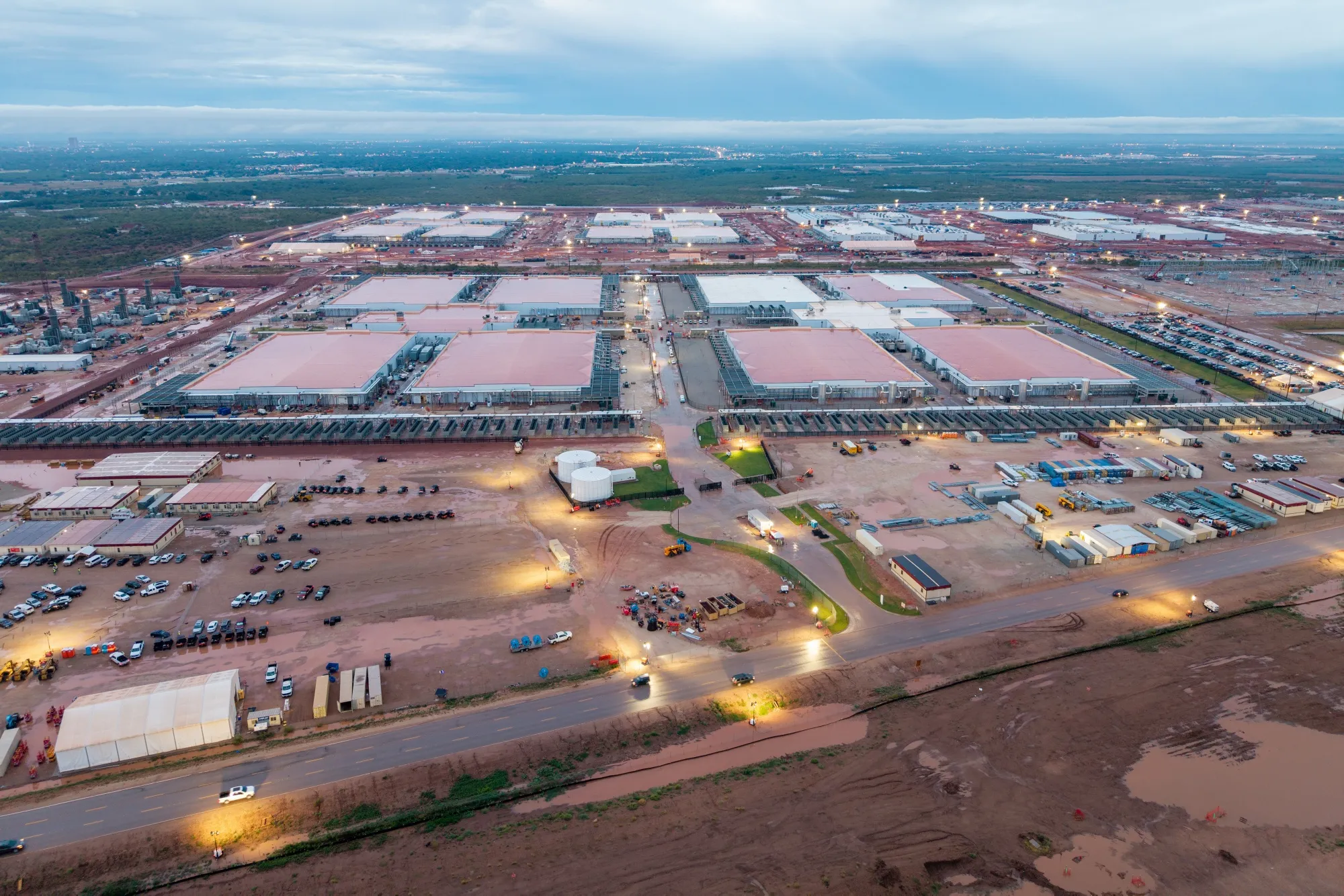
The data center buildout is barely keeping up with AI development, with access to energy and skilled labor the two key constraints, according to executives from some of the largest companies in the sector.
“The biggest bottleneck nobody talks about is the hidden bottleneck, the talent,” said Abhijit Dubey Chief Executive Officer of NTT Data Inc., speaking at Bloomberg’s New Economy Forum in New Delhi on Tuesday. “Electricians, design, construction. An electrician’s compensation today in the US is about $200,000.”
NTT, one of the world’s biggest data center operators, is struggling to build AI capacity fast enough to keep up with demand. Sourcing the correct equipment can take as long as 42 weeks, Dubey said.
Demand will outstrip supply through the end of this decade and beyond, said Connor Teskey, CEO of Brookfield Asset Management, one of the world’s biggest commercial real estate landlords.
Rapid developments in AI have fueled a global infrastructure boom, as technology companies race to secure the chips, data centers and power needed to train and run increasingly capable models. In the early days of the AI data center buildout, the key limitation was a running supply of Nvidia Corp.’s advanced chips. Increasingly, it’s access to electricity. Powering up a data center can now cost as much as $3 billion in the US, Bloomberg News reported.
Still, “capital is not an issue,” said Dubey.
Data centers are a big investment opportunity, said Brookfield’s Teskey. But the company is “incredibly selective” about its investments, given the difficulties of getting infrastructure built.
Although critics point to circular deals between AI companies as evidence of a bubble, the buildout is meaningfully different, Teskey added.
“The vast majority of the infrastructure that is being built against very long take-or-pay contracts with the best corporate credit counterparties in the world,” he said. “The biggest backstoppers of this infrastructure buildout are the major hyperscalers in the US and Asia.”
“The bottleneck is who can pull these projects out of the ground,” he said.
Another concern is public protests against data centers and AI, said Salil Parekh, CEO of Indian outsource firm Infosys Ltd.
“One of the risks I see is the backlash to build out AI that we see, especially in many of the Western markets,” he said. “We need to find a way to balance the social response to it with what seems to be the economic driver — that may be out of sync right now.”

 点赞
点赞 收藏
收藏 点踩
点踩 分享
分享