Meta and OpenAI Use Cutesy Agents to Lure Early Adopters

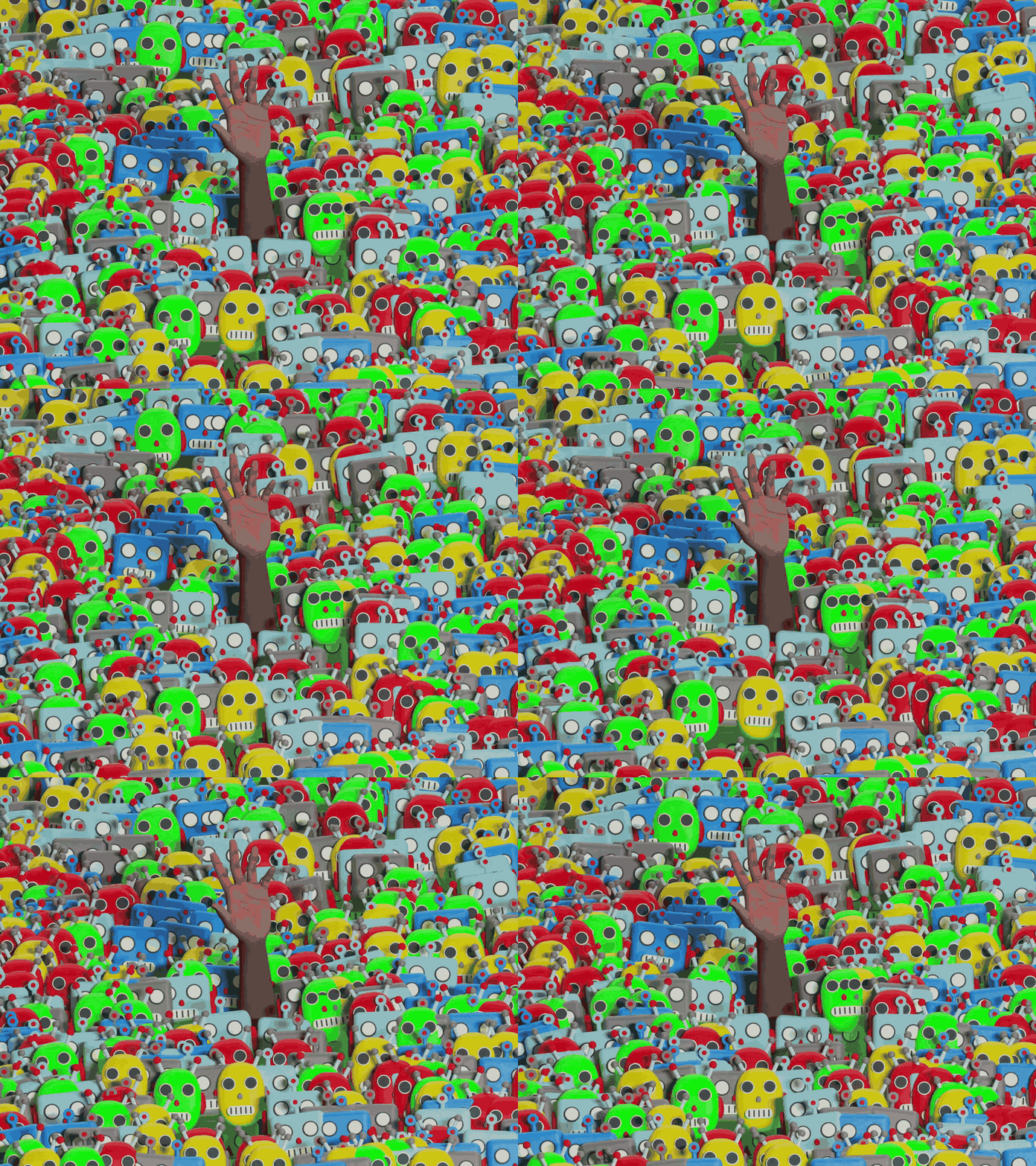
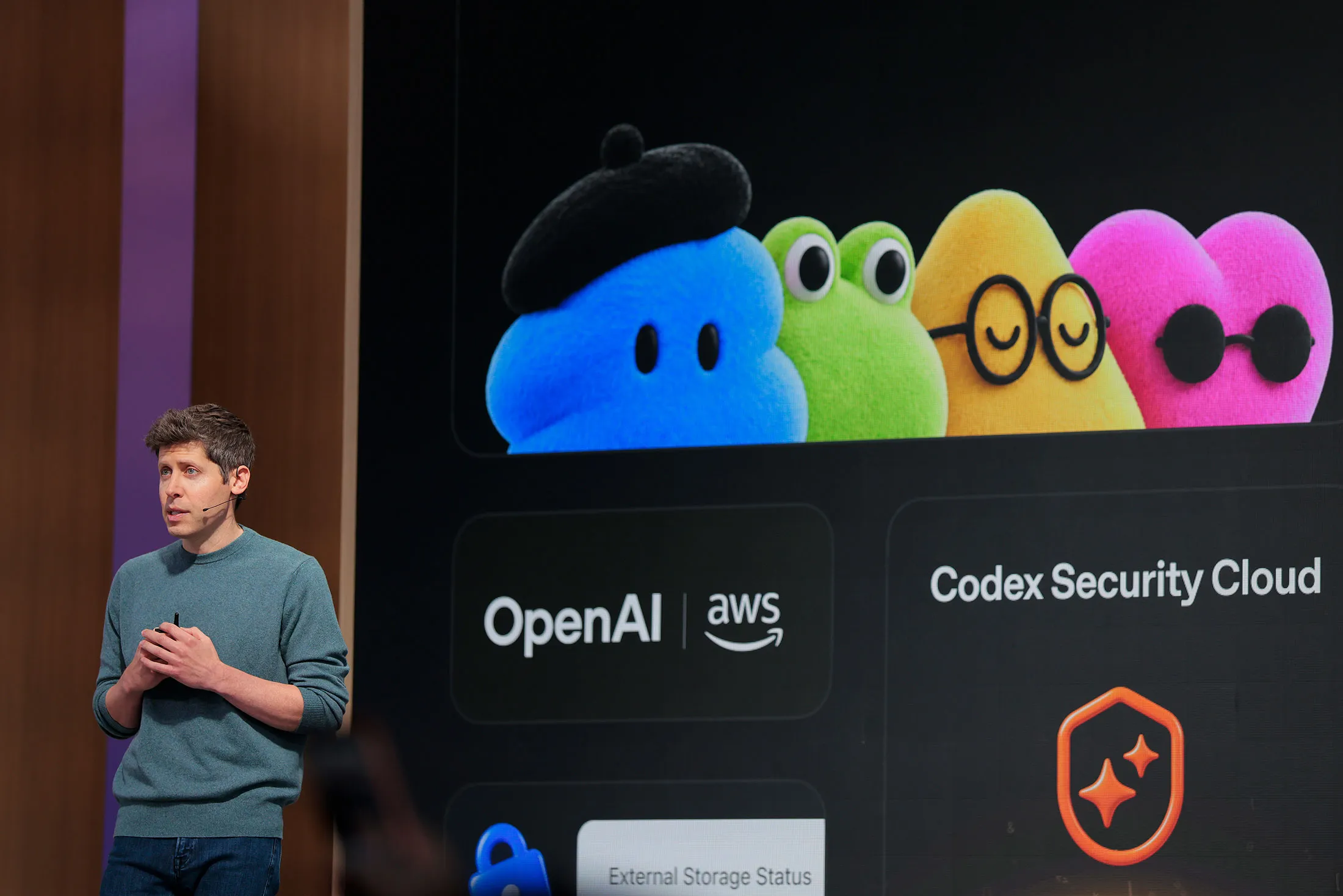
When Meta Platforms Inc. and OpenAI released new artificial intelligence agents in September, the helper bots had one notable similarity: Each one had a kitschy, childlike mascot. Meta’s Muse has Jolly, a furry, yetilike creature with rosy cheeks; for OpenAI’s Dots, it’s a bunch of snuggly-looking shapes sporting berets and bow ties.
These AI agents, automated personal assistants that carry out online tasks for their users, are only as useful as the data that’s been shared with them. An agent with access to an email inbox, calendar and credit card account has the ability to be useful in a way that one without such permissions does not. The mascots are clearly designed to ease consumers’ concerns about the data-for-convenience trade-off the products offer. It could be a tough sell. Meta has a long history of privacy missteps, and 7 in 10 US adults say they think increased AI use will make their personal information less secure, according to the Pew Research Center.
As is often the case with AI, there’s a sense the companies are rushing ahead without being sure where they’re going. The race intensified this year when early adopters began using an agent called Instinct, which can be summoned through a text message to order groceries or organize parties. They began raving about its capabilities — while also sometimes blanching at how much control of their personal information they were handing over to it. (In September, venture capitalists valued the startup behind Instinct at $10 billion.) There’s also the looming threat from competitors such as Alphabet Inc., which has vast reach and lots of relevant data from services like Gmail and Google Calendar.
Distinctions are already emerging between the competitors. Whereas OpenAI has talked a lot about how Dots can be used for work, Meta Chief AI Officer Alexandr Wang says Muse “was always intended to be our flagship product for consumers.” The agent, he says, was designed to meet “personal-use cases first and foremost,” like shopping for furniture, booking dinner reservations and filling out school forms.
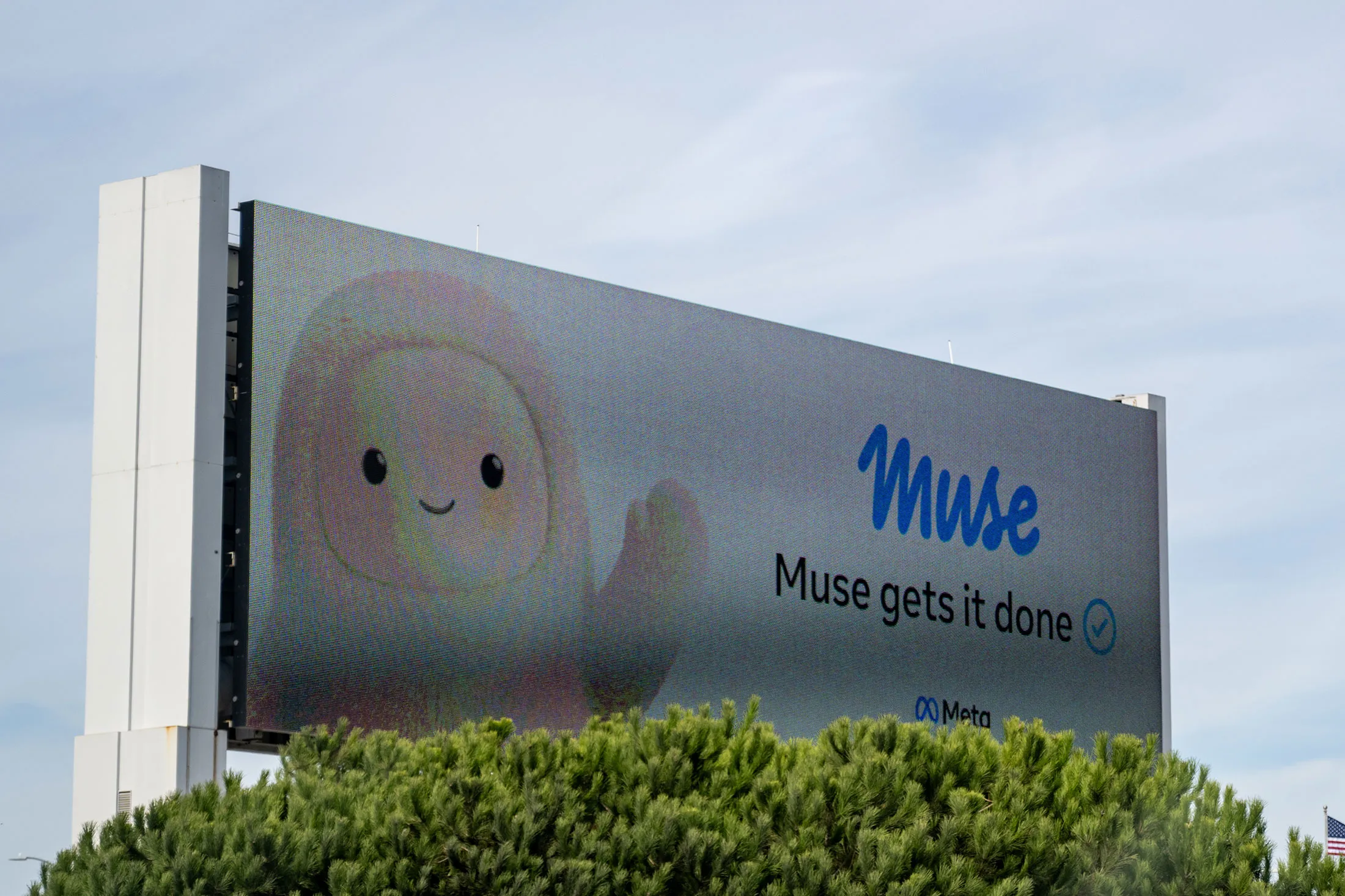
Like Meta’s social media products, Muse’s core service is free and aimed at eventually bringing in billions of users. Within a month, it surpassed 7 million US downloads, according to market intelligence firm Sensor Tower. The feeling that Meta has a hit on its hands has driven its stock up more than 20% since the agent’s introduction. “There’s no company in the world better at growing consumer products than Meta,” Wang says. (Muse’s introduction had a negative impact on the shares of banks and travel agencies, whose businesses could be squeezed if agents help users shop for lower interest rates and book their own travel.)
Meta sees several potential ways to make money from Muse, according to David Singleton, who leads engineering for the product. Superusers can opt into a subscription for $20, or $100 for higher usage limits, and the company eventually sees itself taking a fee on transactions the agent facilitates. Muse doesn’t currently share data with Meta’s advertising system, Singleton says, “but, of course, we’re always going to be exploring all of the business models that make sense.” On Monday, Meta released a long-awaited AI model that the company says is competitive with the most advanced models from OpenAI and Anthropic; it will soon power the subscription version of the Muse app.
OpenAI chose a path for its agent that practically guaranteed slower initial growth. When it introduced Dots on Sept. 29, it made it available only to customers who are already paying for plans that have a minimum monthly price tag of $100. Dots is designed to serve OpenAI users who already rely on its products at work for things like writing code and producing research.
Without mentioning Muse, OpenAI Chief Executive Officer Sam Altman threw shade at the rival approach. “You may have seen early signs of what this can look like in virtual assistants that help you book a reservation or buy a plane ticket — and these things are useful to hand off, but they are trivial relative to what the technology can do,” he said at OpenAI’s developer conference. “We wanted to be way more ambitious.”
Andrew Boone, an analyst at Citizens Bank, says the initial positioning of these agents may be influenced by factors other than the type of customer each company is pursuing. Meta has been building its data center footprint since before OpenAI existed, and it has a lucrative advertising business that gives it more freedom to spend aggressively on expensive computing power for a free product without demanding an immediate financial return.
OpenAI, by contrast, is already serving a billion-plus ChatGPT users, but it only began building out infrastructure in recent years. It’s burning through billions of dollars as it prepares to go public at some point in the near future. Boone says giving away a compute-intensive agent like Dots would be difficult to justify.
Meta’s and OpenAI’s paths may well converge, though. Meta is already pitching Muse to small businesses, and OpenAI has made the case that Dots is good for tasks like wedding planning. “You should, of course, expect us to do a mass-market thing for billions of people someday,” Altman said at OpenAI’s conference.
Describing the market, Rob Derow, who runs Boston Consulting Group’s North American digital growth unit, says he sees the greatest near-term revenue gains coming from enterprise applications. But long term, he says, “I have always been more bullish on consumer use cases.”
To get to broad adoption, Derow says, “it’s about the trust with the consumer and how it’s earned.” Just 1 in 10 US consumers would let AI make buying decisions on inexpensive household supplies, according to Gartner research. McKinsey & Co., meanwhile, found that half of consumers would try AI-assisted product searches for groceries, but only 20% would try fully automatic ordering without their review.
And one high-profile mistake could set the whole field back. “The next data breach, issue or rogue purchase is going to sever the trust and slow the growth,” Derow says. If there is such an event in the near future, the companies may need more than cute mascots to keep things on track.Read next: The World’s Most Reliable AI Detector Has a Human Problem

 点赞
点赞 收藏
收藏 点踩
点踩 分享
分享