Bank of France Survey Shows Sharp Jump in Business Uncertainty

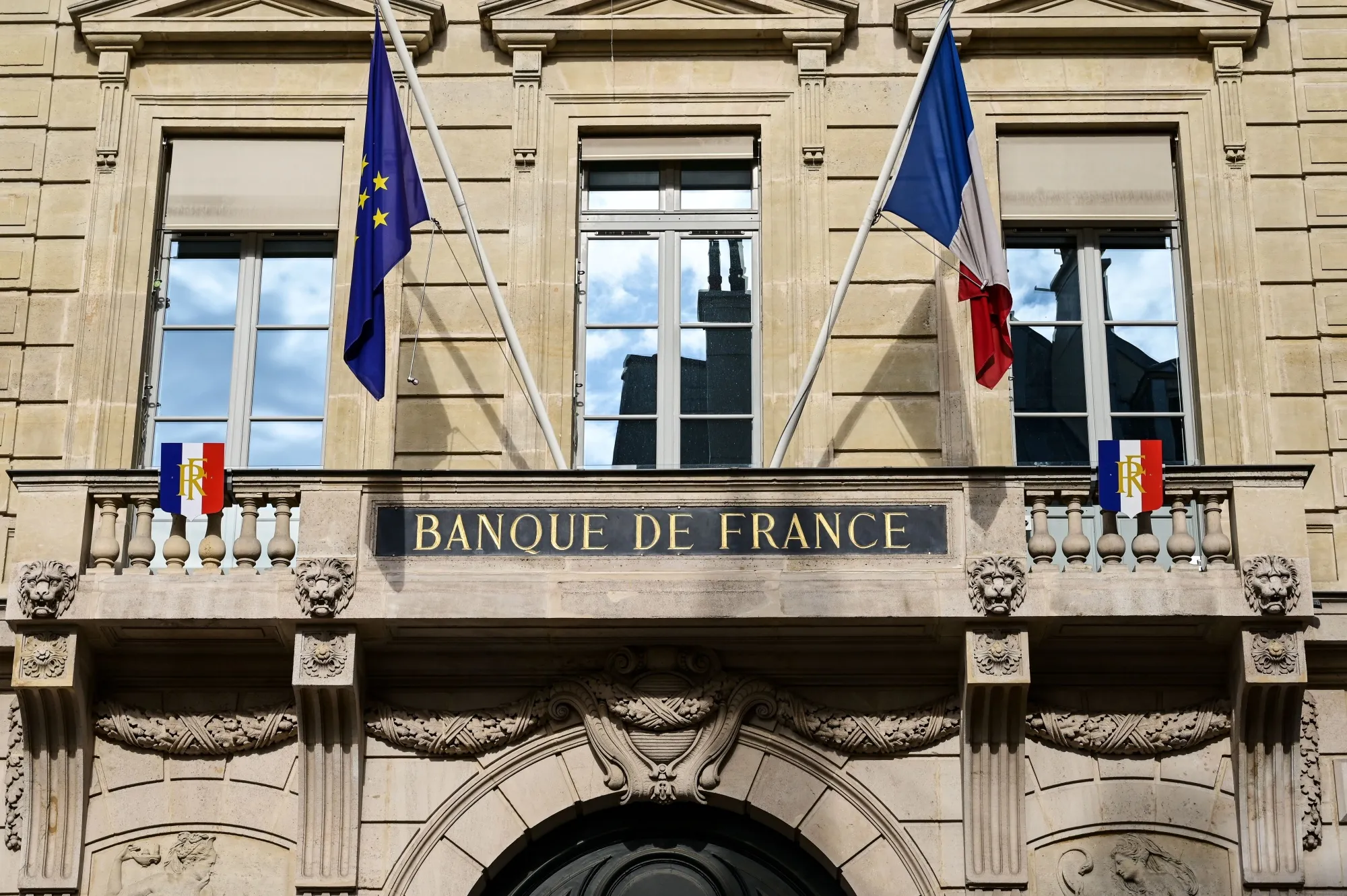
French business uncertainty jumped in September on concerns about fuel prices and a deterioration of the economy, another headwind at a time of bond-market tensions.
The Bank of France’s monthly indicators, based on text mining responses from 8,500 executives, reversed much of the improvement seen since a spike at the outbreak of the Iran war. The readings in industry and services are the most acute since April while the construction gauge is the highest since March.
“Their comments point to a wait-and-see attitude, reflected in projects being postponed, orders being placed later, and greater caution among households in their spending,” the central bank said.
The euro area’s second-largest economy is facing upheaval on multiple fronts, from a sharp slowdown in growth to student protests and doubts over whether the government can survive a parliamentary tussle over how to tackle a yawning budget deficit.
Businesses are unlikely to get much clarity in the short-term, with presidential elections next year bringing an end to Emmanuel Macron’s decade in power.
Leading candidates including far-right leader Marine Le Pen and far-left rival Jean-Luc Mélenchon are promising wholesale changes to economic policy if they win in May.
Despite worsened business uncertainty, the Bank of France left its growth forecast for the third quarter unchanged at 0.1%. Its September survey also showed activity continued to advance in industry, accelerated in services and was little changed in construction.
France’s Bond Turmoil Raises the Specter of Contagion in EuropeWhy ECB Is Wary of Stepping Into French Bond Turmoil: ExplainerFrench Students Plan More Protests Despite Government Measures
The central bank said businesses also reported a jump in raw material input costs last month, although they raised prices much more moderately. In industry, 13% of firms said they charged customers more, only slightly more than the 10% usually seen at this time of year.
“The French economy is holding up in the face of the energy shock caused by the conflict in the Middle East,” Bank of France Governor Emmanuel Moulin said in a post on LinkedIn. “The economic environment is nevertheless being affected by higher oil and industrial commodity prices, although there are no signs of a broad-based pass-through to prices.”

 点赞
点赞 收藏
收藏 点踩
点踩 分享
分享