A Dark Chapter in Africa Moulds Advocates for Justice

Welcome to Next Africa, a daily newsletter on where the continent stands now — and where it’s headed. Sign up here. In today’s edition, we look at:
Prinesha Naidoo recalls growing up in Navi Pillay’s communityHow the Asian scam industry is spreading to new placesUber shutting down its operations in Nigeria and Uganda
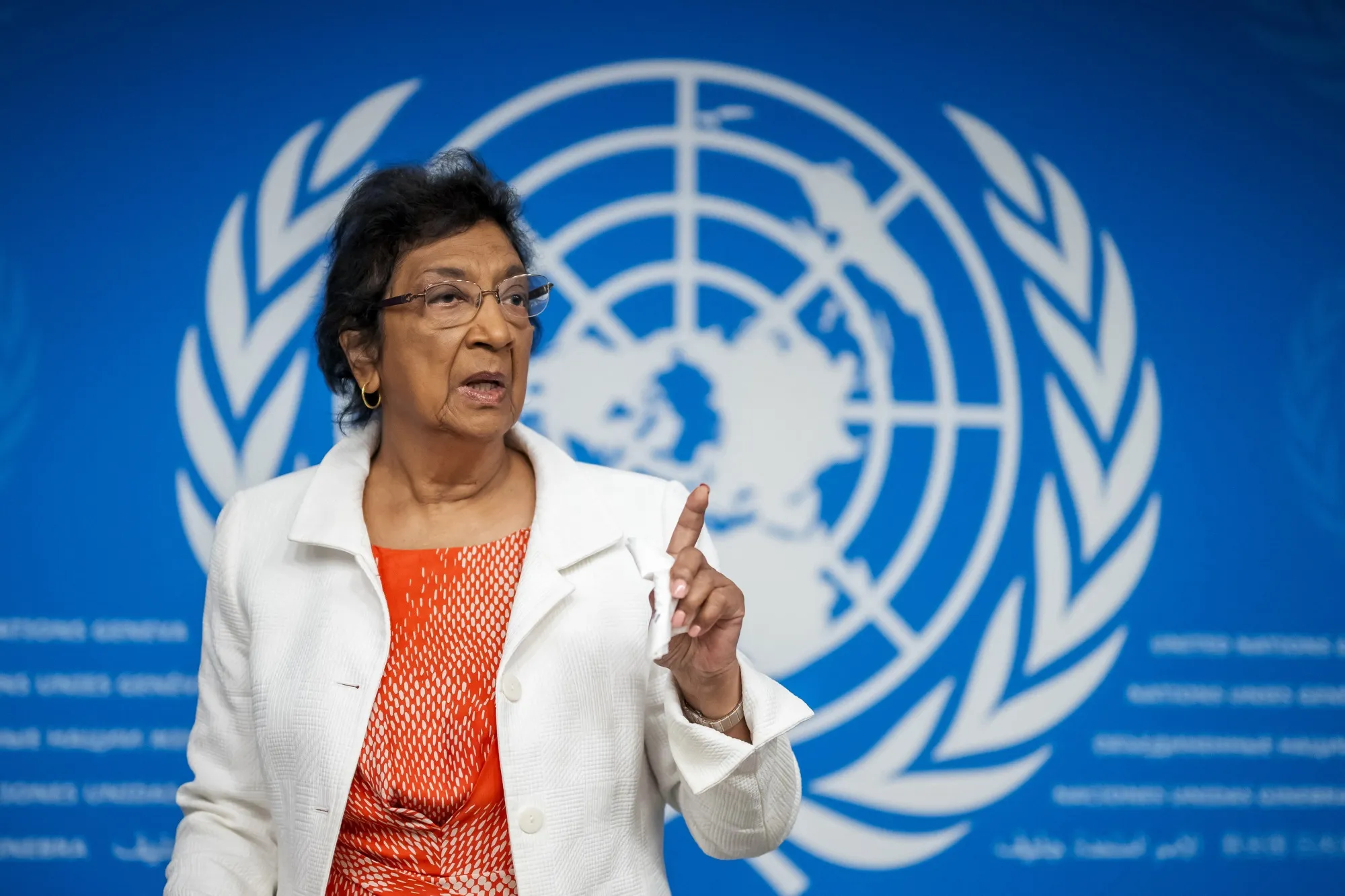
Be Like Navi
In some parts of the world, children are told that if they study hard they can become anything they want. In South African families descended from indentured laborers and constrained by apartheid, the directive was sometimes more specific: study hard and you could be like Navi Pillay.
Long before she became the country’s fifth Nobel Peace Prize laureate, Pillay was a different kind of symbol.
I grew up among people displaced by apartheid from Clairwood, the Durban township where Pillay was born and whose residents helped raise funds for her university education.
She held a special place in the community. Countless elders followed her rise with pride and awe, some having known her or her family personally.
For many whose choices over where they could live, study and work — and even whom they could love — were restricted by government policy under apartheid, Pillay’s ascent to the upper echelons of international law showed how much more was possible.
It also demonstrated how people could use education to challenge the rules that controlled their lives.
Echoes of that journey helped shape the lives of South Africa’s previous laureates.
The farming community of Groutville shaped Albert Luthuli’s opposition to racial injustice decades before he became Africa’s first Nobel Peace Prize winner. In Soweto, Nelson Mandela and Desmond Tutu lived on the same street and went on to receive the award. Mandela shared his with FW de Klerk, apartheid’s last president — both negotiating an end to that regime and laying the foundations for democracy.
One of South Africa’s darkest chapters produced a generation of globally-recognized advocates for peace and justice.
What Everyone’s Reading
Moody’s upgraded Ghana’s sovereign credit rating as the nation’s sustained fiscal reforms post debt restructuring help to tame inflation and reduce its debt burden. Ghana has maintained fiscal discipline since it completed a debt revamp in 2024, with the firm commending a reduction in financing costs despite fallout from the Middle East conflict. The outlook for Nigeria was raised to positive.
As the Chinese scam industry spreads beyond Asia’s fortified compounds, it’s become cheaper and easier to run — thanks to AI — and harder to kill. A recent bust of a scam center on the 18th floor of an upmarket apartment building in central Nairobi, Kenya’s capital, spotlights the shift to new sites across the world for an industry that may have cost victims as much as $442 billion across 42 countries last year.
Senegal’s push to fast-track its debt restructuring is winning bondholder support as the nation races to secure a deal before the end of the year. A group of bondholders are ready to move quickly if they get the information needed to negotiate on an equal footing with other lenders, sources say. That timeline compresses a process that has already taken years for Zambia and Ethiopia.
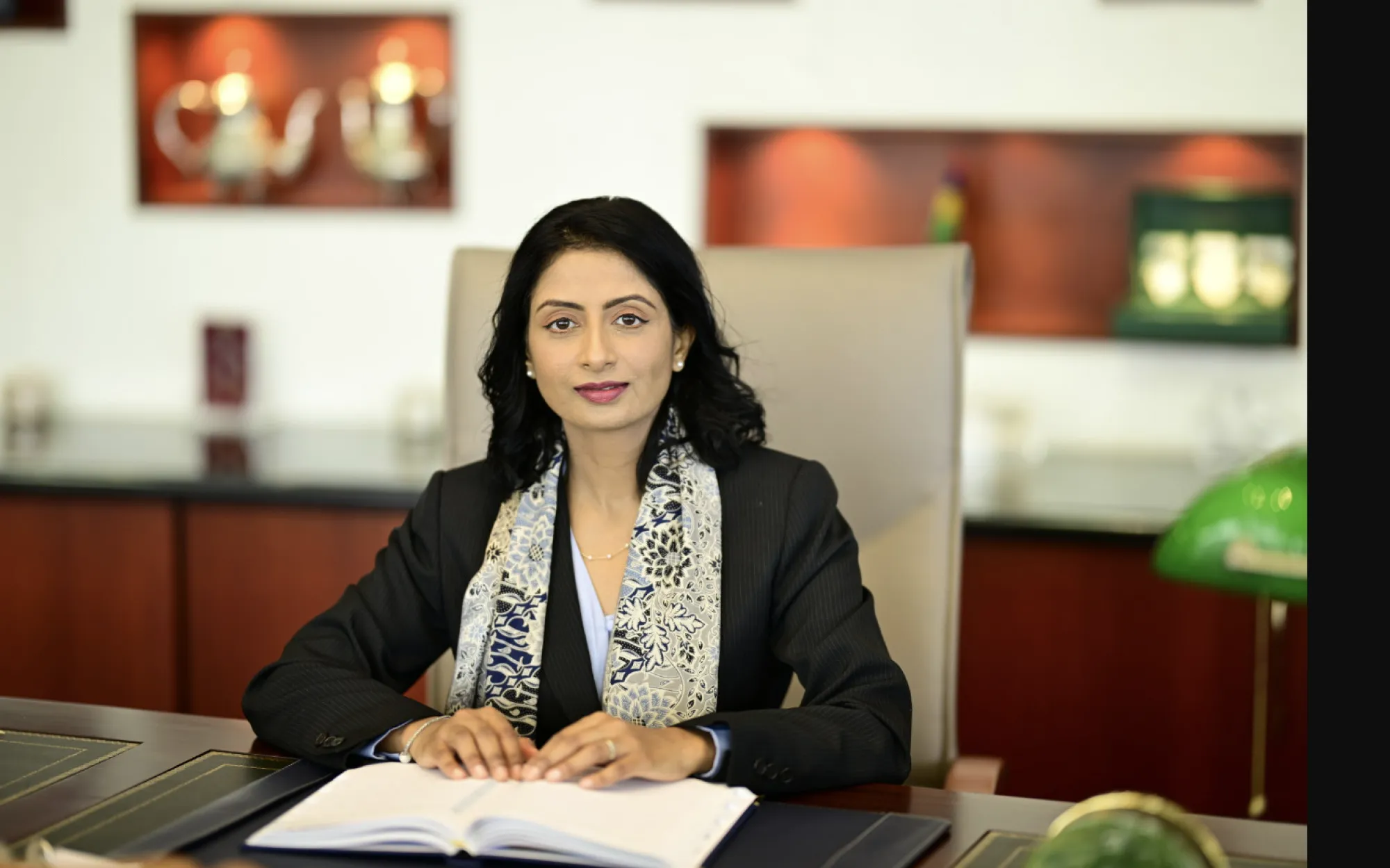
Mauritius’ central bank sees inflation breaching the upper limit of its target range by year-end, and its interest-rate policy decisions will hinge on how long price pressures are likely to endure, Governor Priscilla Muthoora Thakoor says in an interview. With the Iran war dragging on, fuel and food prices have remained high, raising the likelihood that the measure will exceed the 2% to 5% band.
Pepkor’s deal to merge its fintech arm with a rival business has upset some directors and investors because shareholders were not allowed to vote on the transaction. The directors objected to the lack of investor involvement in the decision to combine its Flash unit with Shop2Shop in July to create a company valued at about $1.3 billion, a source says.
Boxer Names New CEO as Low Prices Help Lift Grocer’s Profit
Thank you for your responses to our weekly Next Africa Quiz and congratulations to Melvin Nabia, who was first to identify Nigeria as the African country that’s become a key source of methamphetamines in the global trade network for the illegal drug.
Behind the Numbers
Nigeria is expected to publish September consumer-price data on Thursday.
Annual inflation likely edged up to 15.6%, with unfavorable base effects pushing the food gauge higher, Bloomberg Economics’ Yvonne Mhango says. Transport inflation likely held steady, with a firm naira helping contain the overall increase.
South Africa’s August mining data on Tuesday will provide more clues on third-quarter output.
Without a catalyst for a rebound, production likely continued to underperform after expanding in the first half. Output probably extended its decline in August, dragged down by weaker gold and platinum numbers.
Last Word
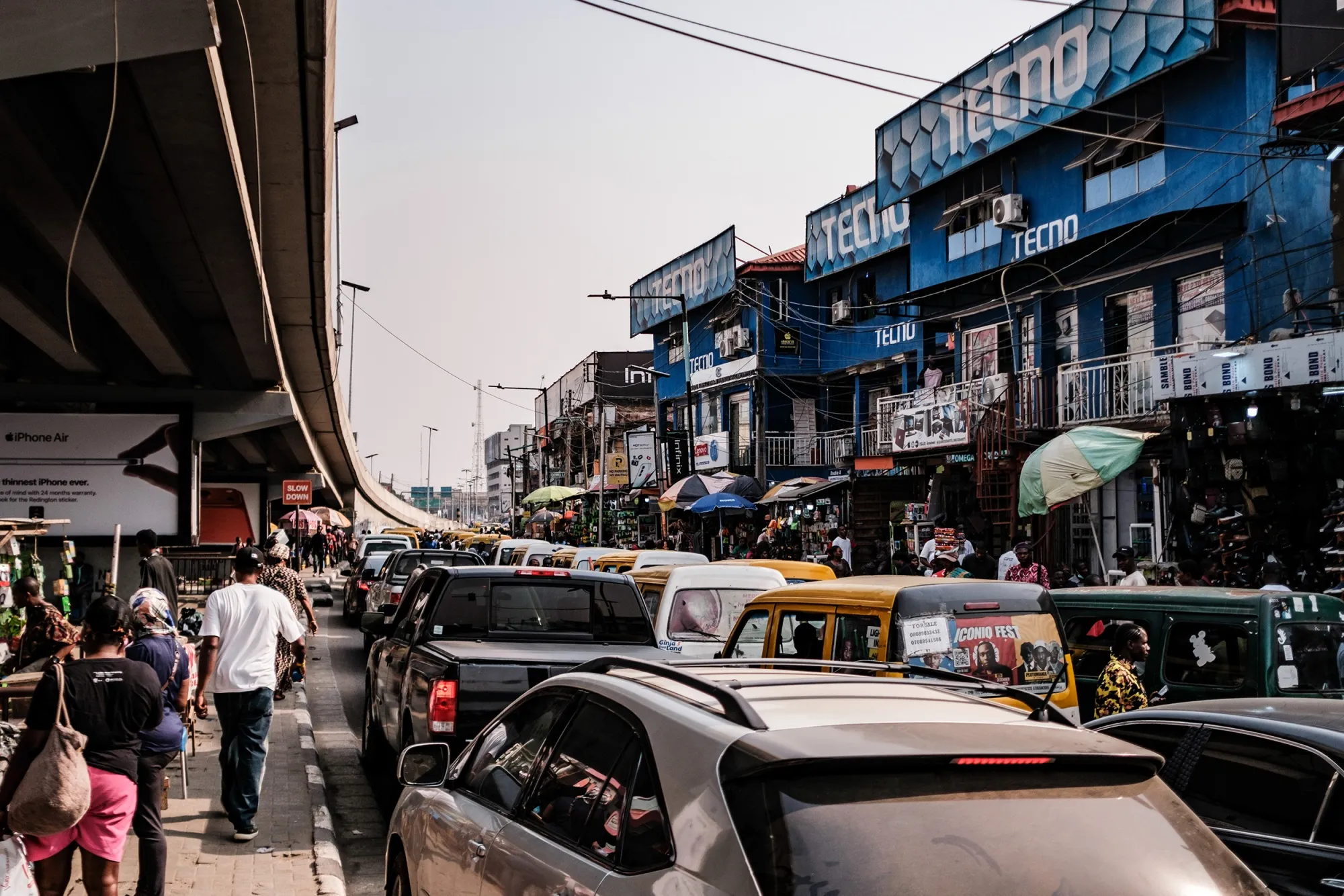
Kayode Emmanuel was parked outside the biggest hotel in Lagos waiting for ride requests on his Uber app. Then his wife called. She’d seen an Instagram post saying the ride-hailing firm had ceased operations in Nigeria. “No notice, nothing — just like that, Uber just left,” says Emmanuel. Uber’s retreat from Africa’s most populous country highlights a challenge confronting companies drawn to high-growth economies and a young, fast-growing population with low disposable income.
We’ll be back in your inbox with another edition tomorrow. Send any feedback to nextafrica@bloomberg.net.
More From Bloomberg
Enjoying Next Africa? You might also like:
Businessweek Daily for fresh perspectives on business, economics, politics and techMarkets Daily for what’s moving in stocks, bonds, FX and commoditiesBalance of Power for the latest political news and analysis from around the globeBloomberg Money for insights, ideas and tools for doing more with your moneyAI Today for a chronicle of the disruptions and threats of AI on businesses, workers, finance and economies

 点赞
点赞 收藏
收藏 点踩
点踩 分享
分享