MBS’s Economic Ambitions for Saudi Arabia Collide With Yemen War

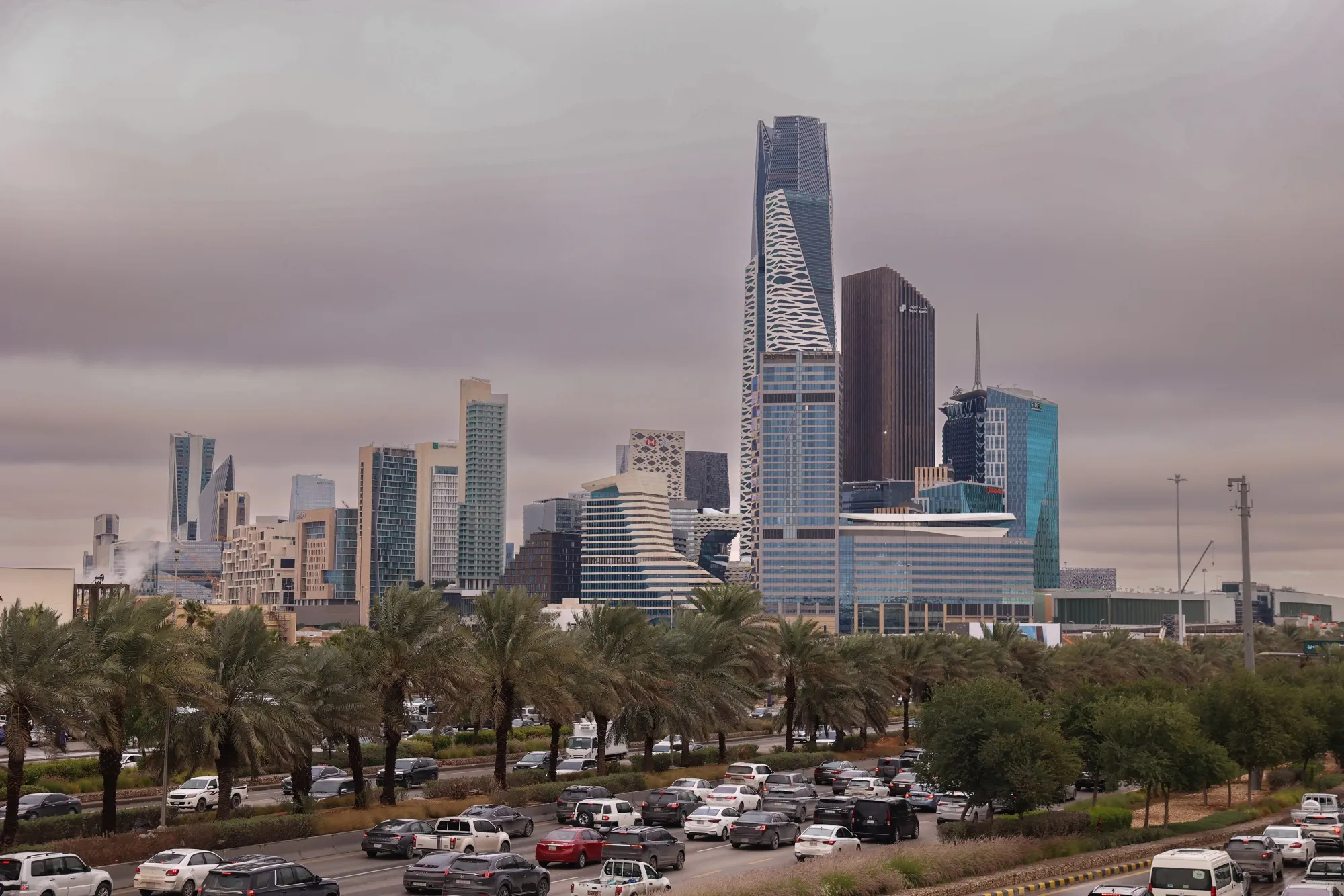
Welcome to the Mideast Money newsletter, I’m Adveith Nair. Join us each week as my team and I chronicle the intersection of money and power in a region that’s become one of the most influential in global finance. You can sign up here.
This week: How Saudi tycoons build a $9 billion fortune off water, UAE banks are competing more aggressively for new deposits, and hedge fund executives continue to vouch for Dubai’s appeal.
But first, over the weekend, Saudi Arabia suffered its deadliest attacks since the Iran war began. The strikes by the Houthis raise the risk of an escalation that could draw in the US, while testing Crown Prince Mohammed bin Salman’s drive to remake the economy.
The escalation brings fresh risks to Vision 2030, the defacto ruler’s signature overhaul that depends on attracting foreign investment and tourism revenue to help diversify the kingdom’s economy beyond oil. And it underscores the long shadow of the Yemen war, which Saudi Arabia helped launch a decade ago.
Riyadh’s main airport was struck multiple times over the weekend by Houthi rebels, in attacks that killed more than a dozen people, injured hundreds and brought air travel to a near-standstill. The strikes came at the start of a traditionally busy season for events and conferences in Saudi Arabia, including the flagship Future Investment Initiative that typically draws thousands of visitors and speakers from the top echelons of Wall Street.
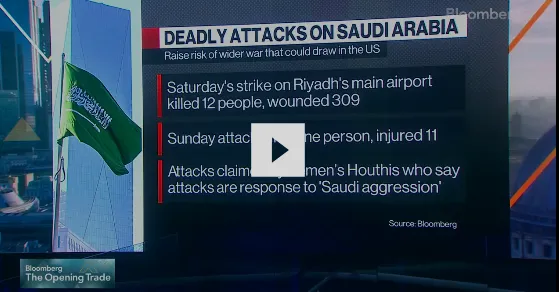
The impact rippled through the business community almost immediately. Riyadh’s financial hub asked firms to shift to remote work until further notice, while the chief executive officers of BP and Shell were among those that withdrew from in-person attendance at this week’s WPC Energy Congress. Flight cancellations will also likely complicate business travel for many consultants and bankers who commute to Riyadh weekly from regional hubs.
Still, the kingdom is pressing on with the events as planned, underscoring a determination to keep its economic agenda on track. “There is no way that somebody will break our back,” Energy Minister Prince Abdulaziz bin Salman said at an event, striking a defiant note “We are like a phoenix. We come out of the ashes all the time and every time.”
Also Read: Saudis’ Ability to Supply Energy Is Resilient, Minister Says
Hours later, a Saudi-led military coalition fighting the Houthis said it intercepted more missiles and drones aimed at the kingdom, including areas that are home to key oil and gas facilities. The escalation marks a reversal for Saudi Arabia, which appeared to be weathering the war better than some neighbors as the East-West pipeline allowed it to bypass the Strait of Hormuz.
Now, attacks on energy infrastructure, threats to Saudi shipping and strikes on airports are exposing the limits to the kingdom’s insulation.
Also Read: Saudi Crown Prince MBS Scores Unexpected Wins During Iran War
The challenge is particularly acute as the kingdom’s overhaul was already facing pressure. In the months before war broke out, Saudi officials were reprioritizing spending plans. More recently, the government increased its budget deficit projection and said the economy will probably contract 3.6% this year, making foreign investment and financing even more critical.
State-owned oil giant Aramco, for instance, is exploring a wave of divestments spanning everything from energy facilities to real estate, in deals that could eventually raise as much as $35 billion. The kingdom has also committed large sums towards hotels, resorts and entertainment for international visitors, making tourism an important test of its ability to sustain investor confidence.
“The events of recent weeks are serious,” Prince Abdulaziz said. “Our response must be equally serious while remaining focused on the decades ahead, Vision 2030 must continue.”
For Saudi Arabia, which has spent many years and billions of dollars in trying to make itself the Gulf financial capital, events like the WPC and FII are important to selling the kingdom’s story to the world. Security concerns and travel disruption threaten to complicate that effort just as the government most needs outside capital to fund its ambitions.
Ultimately, Said El-Saadi, chief executive of Access KSA, a Saudi-based international business advisory firm, expects foreign investment may be disrupted though investors and partners are unlikely to pull out.
“They will be observing and waiting to get in.”
Must-read Mideast stories
Saudi Arabia vaulted into the ranks of the world’s rich nations by selling oil worldwide. Inside the kingdom, a group of business families have built a fortune of more than $9 billion by betting on an even more essential commodity: Water.
Banks in the UAE are competing aggressively for new deposits as a lending boom collides with a liquidity squeeze.
OpenAI is in talks with multiple investment funds from the UAE, including MGX, to help anchor a $30 billion round of financing for the ChatGPT maker.
Dubai-based school operator Alephya is in advanced talks to buy a controlling stake in Ajialuna, in a deal valuing the Saudi firm at as much as $500 million.
A firm controlled by Abu Dhabi’s Sheikh Tahnoon bin Zayed Al Nahyan has bid for Dublin-based miner Kenmare Resources, in a move that could give the Gulf city a source for titanium.
Abu Dhabi Investment Authority and private equity firm Coller EQT are in talks to back a continuation vehicle anchored by a stake in Chinese tech giant ByteDance.
Qatar National Bank has secured a $2.5 billion syndicated loan led mainly by Asian lenders. The financing comes days after QatarEnergy secured a $3 billion loan from Chinese banks, signaling a return by Asian lenders to the Gulf following an initial pullback during the war.
Bankers are pushing back against the Saudi regulator’s proposed overhaul of listing rules, the moves could further dampen the market for initial public offerings.
Also Read: MNT-Halan Plans $150 Million IPO, Egypt’s Biggest Since 2021
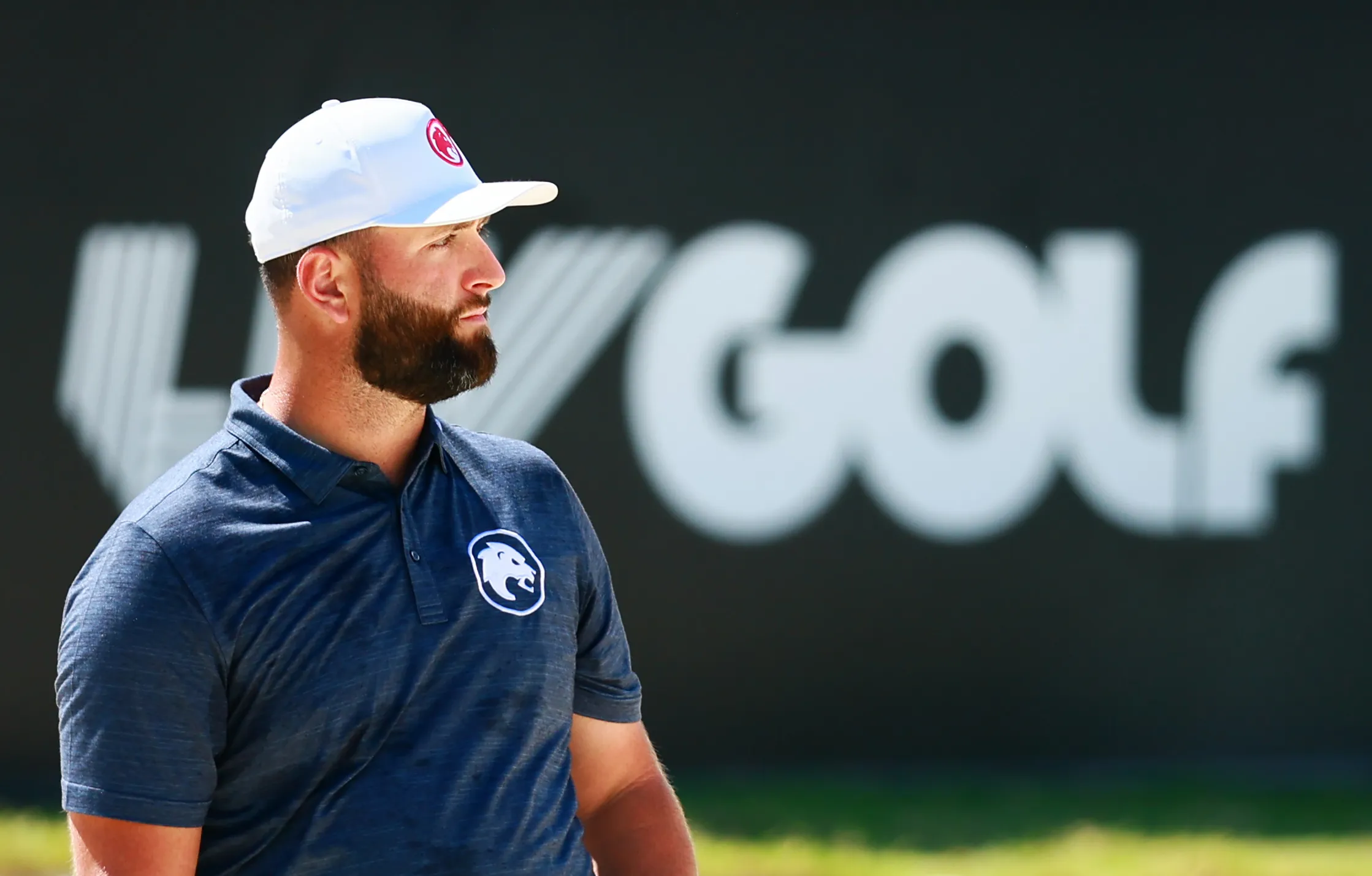
LIV Golf, a bankrupt tour backed by Saudi Arabia’s sovereign wealth fund, is receiving up to $300 million in financing from the credit arm of BC Partners. But the league is losing top-ranked professional Jon Rahm, dealing a blow to its plans.
The Children’s Place has tapped a $40 million facility from its largest shareholder, Saudi family office Mithaq Capital. The specialty retailer is working with Berkeley Research Group on operational improvements amid declining sales.
Chart of the week
A selloff in Bahrain’s bonds is pushing its borrowing costs to levels last seen during the nation’s 2018 crisis, when its wealthier Middle East allies stepped in with a financial rescue.
The heavily indebted Gulf state is grappling with the fallout from the Iran war just as surging US Treasury yields drive up its debt-servicing costs. That combination has lifted yields on Bahrain’s dollar bonds due in 2028 to a six-year high of 8.99%, up 1.6 percentage points since late August, when the Treasury turmoil began.
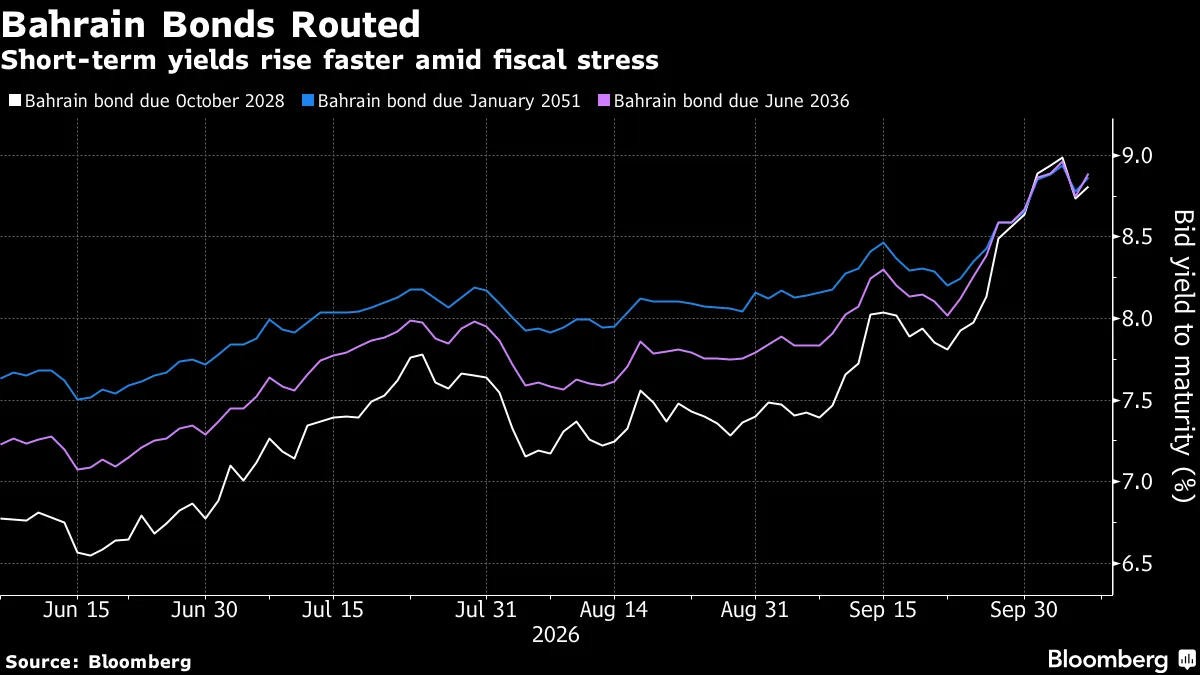
Over that period, Bahrain’s dollar debt has been among the worst performers in emerging markets. Shorter-dated borrowing costs have risen the most, suggesting investors are bracing for more near-term stress.
Here are a few other stories that caught my eye:
Goldman Sachs’ most senior leaders are set to unlock a special bonus that could exceed $500 million.
Some private equity firms are now demanding “super carry” — which is anything exceeding the standard 12% to 20% range for carried interest — as they seek to hang onto their most prized investments.
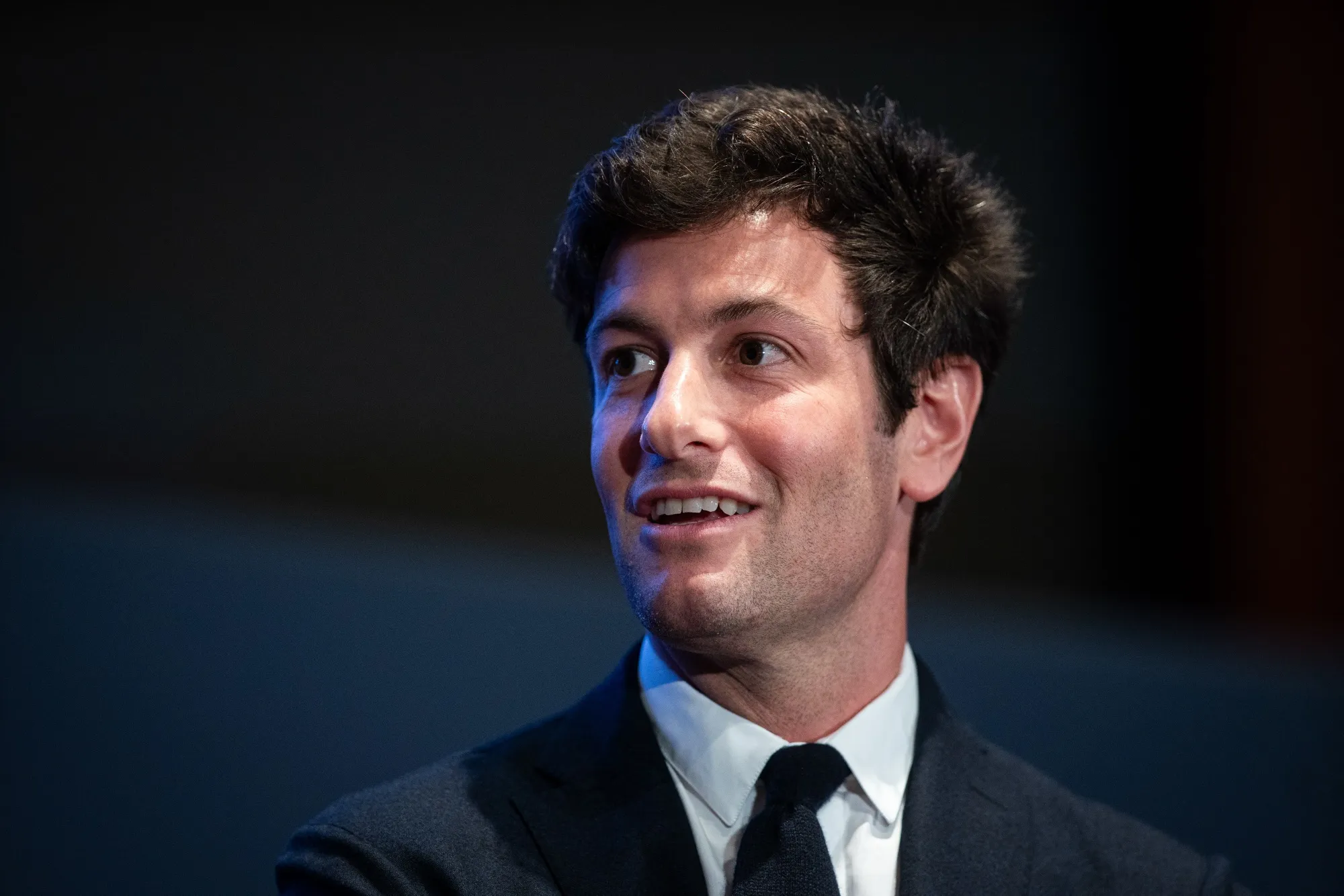
From SpaceX’s IPO to the record acquisition of the Los Angeles Lakers, Josh Kushner has found himself at the center of some of the year’s splashiest deals while amassing a $17.5 billion fortune.
Also Read: The Only Billionaires Making Money This Year Are In Tech
It’s now more expensive to hire an oil tanker from the US to China than to launch a rocket into space.
London’s property agents are watching rates markets like traders.
Just because you can afford a Rolex doesn’t mean you can buy one. Here’s how to navigate wait lists and win over dealers.

Enduring appeal
At Bloomberg’s Hedge Fund Forum last week, executives agreed that Dubai remained a compelling base for investment firms. Still, the city’s ambitions face two hurdles: intensifying competition and the regional conflict.
ARP Capital founder Yusuf Alireza said the war had introduced a risk he hadn’t contemplated when setting up in Dubai. Yet, he has no plans to leave.
“I can assure you that in all my analysis of what tail events I was exposed to from a business perspective, it wasn’t missiles and drones. But the leadership did think of that risk and did prepare for that risk,” he said. “You’d have to drag us out kicking and screaming to go base somewhere else.”
His confidence reflects the advantages that have drawn investment firms to the United Arab Emirates, from its time zone and infrastructure to the approach to business. Alireza rejected the idea that tax alone explains Dubai’s success, saying its responsiveness helped distinguish the city from other places.
Yet the discussion also revealed how the competition for hedge funds is changing, with executives weighing not just the established financial centers of London, New York and Singapore, but a growing list of alternatives.
Also Read: Hedge Funds’ Greece Push Faces the UAE’s $3 Trillion Wall
Ronnie Roy, founder of RV Capital, chose Singapore about 15 years ago after living in six different cities, drawn by the same combination of infrastructure and business conditions that Dubai now promotes.
“If I was starting from scratch and I was 15 years younger, Dubai would be a very important center and potentially a place to be,” Roy said, picking New York as another alternative. “Fundraising in the places where there’s money is an important part of building a business.”
Also Read: As the Big Get Bigger, Starting a Hedge Fund Is Hardest in Years
Deep pools of capital have been central to the UAE’s emergence as a hedge fund hub, with Abu Dhabi boasting about $1.8 trillion in sovereign wealth and Dubai more than $1 trillion in private capital.
“The reality is that Dubai does tick so many boxes,” Schonfeld’s Global Co-Head of Discretionary Macro and Fixed Income Mitesh Parikh said. His firm has 62 employees in Dubai, including six of its eight most senior people, though Parikh cautioned against assuming that every hedge fund should choose the same location.
“It just depends on what you’re trading, the type of personnel you need,” he said.
Schonfeld has opened an office in Sao Paulo, where it sees a substantial pool of talent. The decision reflects a broader strategy. “It’s about what is the opportunity in that region and do we have the talent that can ultimately come as a result of having office space,” Parikh said.
For Dubai, the challenge is to turn that interest into lasting business activity. A deeper pool of investment professionals, established service providers and access to capital can help create a cycle in which firms attract talent, and talent in turn draws more firms.
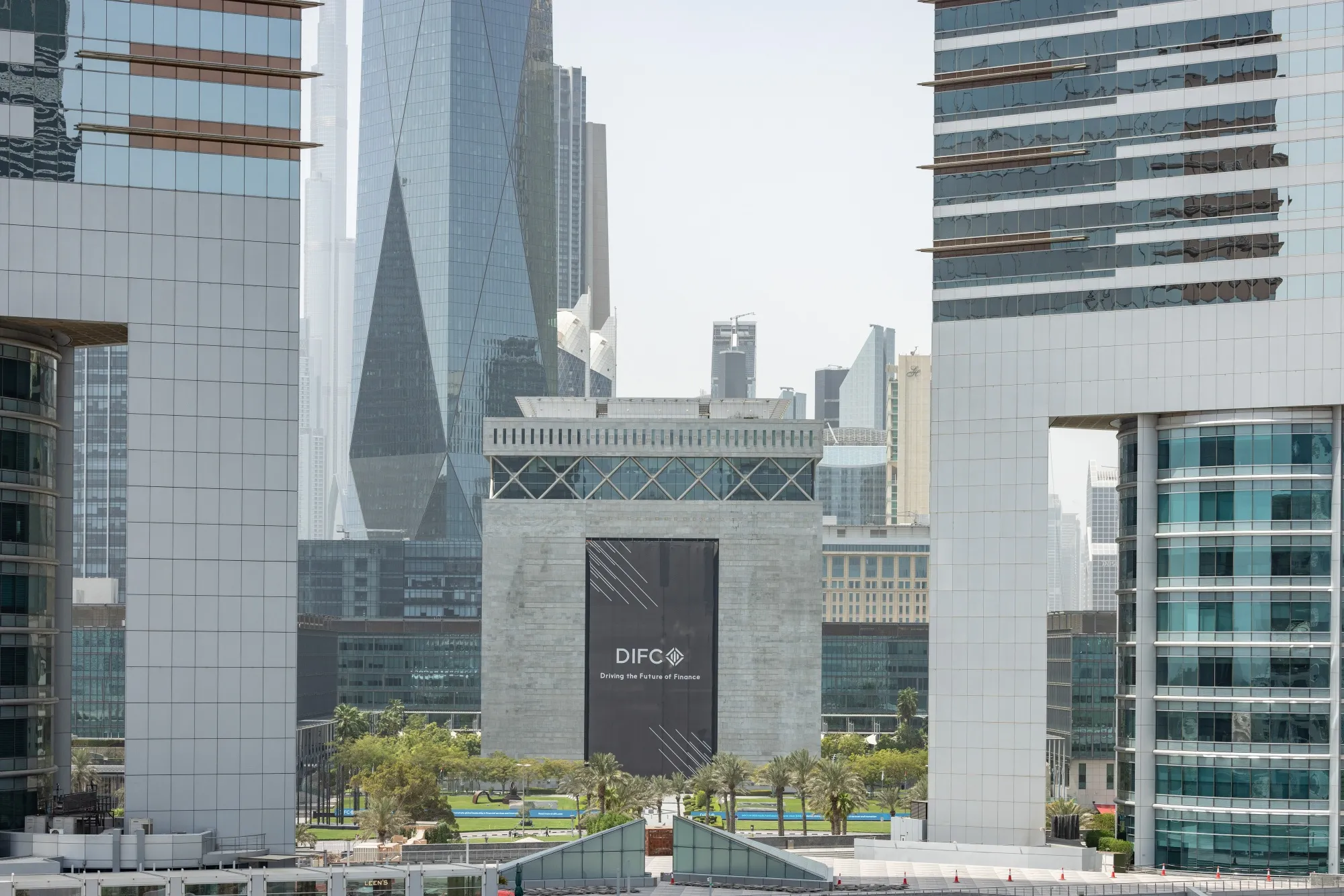
The Dubai International Financial Centre’s Chief Business Development Officer Salmaan Jaffery said the hub had about 1,100 regulated firms, including more than 120 hedge funds, alongside private banks, private equity firms and venture capital businesses. Abu Dhabi’s ADGM has been building its own ecosystem.
Related Coverage
Abu Dhabi’s $1 Trillion Fund Ups Private Equity, Hedge Fund BetsAbu Dhabi’s ADIC Plans $15 Billion Leveraged Hedge Fund BetExodusPoint Raises $2 Billion With Abu Dhabi Fund Among Backers
The opportunity extends beyond hedge funds, particularly to private wealth. The UAE, of which Dubai is a part, was a key beneficiary of the $160 billion in wealth that moved out of the UK over the past several years.
That pull appears to be holding. Dubai and Abu Dhabi place eighth and tenth, respectively, in Savills’ Next-Generation Wealth Hubs Index, which ranks locations by their appeal to wealthy people under 40.
“They are taking a long-term view,” Rachael Kennerley, director of research at Savills Middle East, told Bloomberg TV. “Whilst there might be a temporary pause in how attractive the region is, long-term, they can see all the benefits of being here.”
If you’d like to get the Mideast Money newsletter in your email inbox every Monday, please subscribe here. You could also send us your feedback here. Thanks!
More from Bloomberg
Markets Daily for what’s moving in stocks, bonds, FX and commoditiesTech In Depth for analysis and scoops about the business of technologyBalance of Power for the latest political news and analysis from around the globeSupply Lines for daily insights into supply chains and global tradeMoney Stuff for Bloomberg Opinion’s Matt Levine’s newsletter on all things Wall Street and finance
You have exclusive access to other subscriber-only newsletters. Explore all newsletters here to get most out of your Bloomberg subscription.

 点赞
点赞 收藏
收藏 点踩
点踩 分享
分享