Trump Hypes Megaprojects to Voters Who Lament Gas, Food Costs

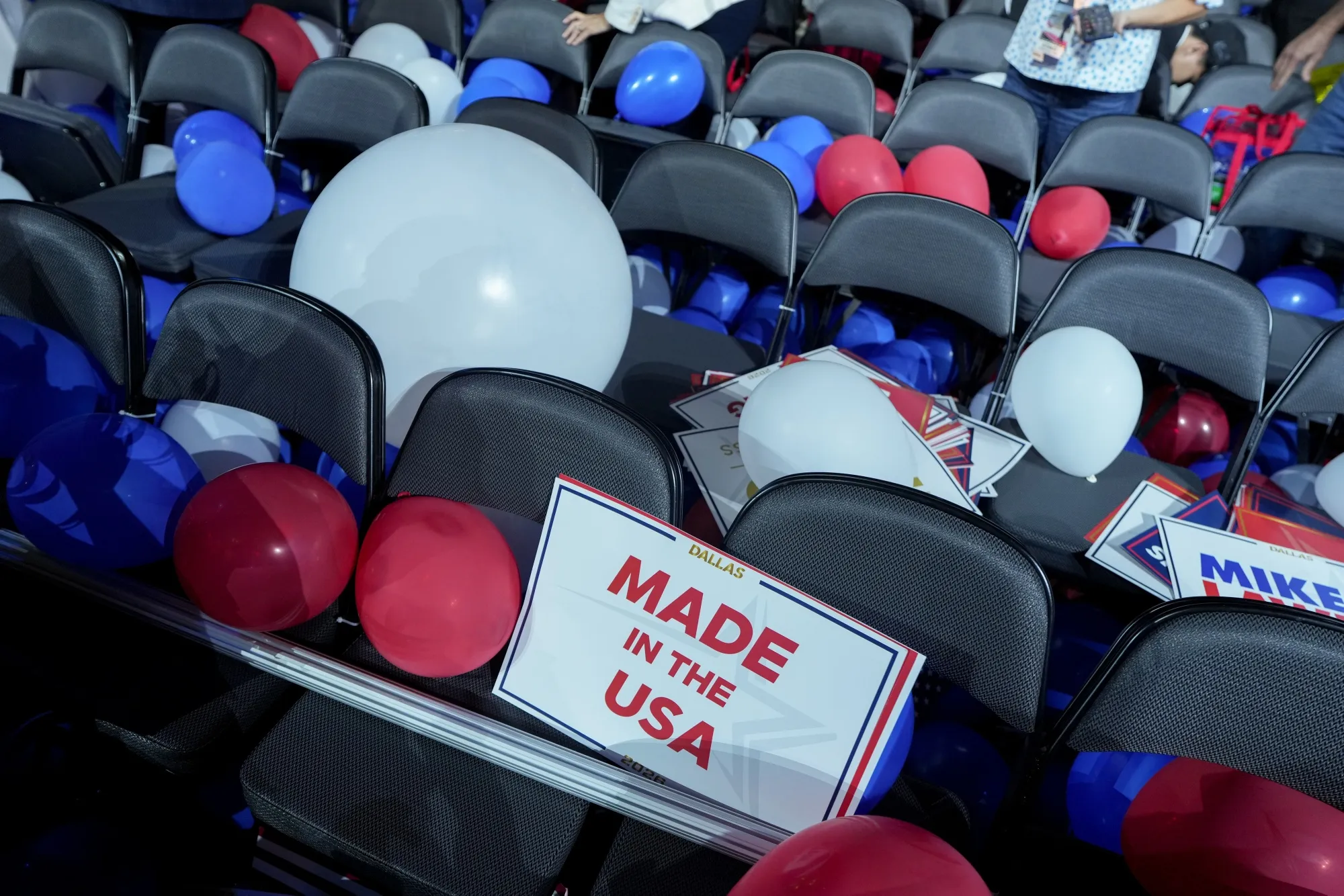
Presidents have long made bombastic pledges to voters in last-minute electoral appeals.
Now, that playbook is in full force ahead of November’s midterm election, as President Donald Trump crisscrosses the country touting promised multibillion-dollar megaprojects in battleground states and credits his tariff agenda with ushering in a golden age of domestic manufacturing.
But pledges for a steel plant in Iowa, an aluminum smelter in Oklahoma and a long-sought gas pipeline in Alaska face significant questions, leaving it unclear whether the projects will fully materialize or amount to anything more than a midterm mirage.
And while Trump bets big on the long term — drawing on decades as a real estate developer and employing a tactic used by other incumbents ahead of Election Day — the risk is that the splashy pledges will ring hollow with voters more squarely focused on day-to-day costs and immediate pocketbook concerns.
The smelter destined for Inola, Oklahoma, underscores the skepticism. Chicago-based Century Aluminum Co. and Dubai’s state-owned Emirates Global Aluminium PJSC say it would be the first new US plant in almost a half-century to process aluminum derived from raw material. Trump, during a campaign swing last week, said it would be “the largest aluminum factory, perhaps, in the world.”
But even in deep-red Oklahoma, the project faces opposition from residents, and Inola’s Board of Trustees imposed a moratorium to block the initiative. Century and EGA haven’t reached a final investment decision, as they solicit proposals for engineering design services and seek to clear permitting hurdles. The joint venture in a statement said it was disappointed by the town’s extended moratorium and called a proposed aluminum production ban premature.
Yet Century also has documented numerous risks that could paralyze the project, acknowledging in its 2025 annual report that even with support from the Energy Department, developers need “substantial additional financing” to make the project a reality.
Some of the planned projects already are aided by state and federal taxpayer dollars. Consider the $15 billion steel plant in Iowa, a state with a closely fought Senate race and three GOP House districts that could flip.
The plant stands to benefit from the support of the US Export-Import Bank, which helped finance a new Minnesota mine to supply the facility — the first of its kind to open in more than five decades. And last week, Iowa Republican Governor Kim Reynolds signed legislation unlocking as much as $1.4 billion in tax incentives for the steel mill.
Flanked by Iowa Republicans, Trump described the facility as an outgrowth of his trade policies, insisting that “everyone’s building their plant here because they don’t want to pay tariffs.”
Although Trump claims his policies are bringing production back to the US, each of the projects requires “some special government assistance to happen,” said Douglas Holtz-Eakin, president of the American Action Forum. “It’s not like the economics are so good everywhere that people are building stuff.”
Questions also have been raised about the history of bankruptcies and restructurings involving units of Essar Group, the Indian conglomerate developing the steel complex.
An Essar unit that sought to develop a taconite mine in Minnesota filed for Chapter 11 protection in 2016 and a steel venture in Canada obtained creditor protection a year earlier. Minnesota also clawed back leases from Essar-backed Mesabi Metallics after it said the company failed to meet financing commitments. Mesabi has separately challenged a rival over what it alleges is anti-competitive behavior, with a trial set for next year.
Essar emphasized its strong commitment to invest in the US, vowing in an emailed statement that its proposed steel mill “will be completed successfully” and benefit both Iowa and Minnesota. “As of now, everything is on track for the project to be completed, making it the largest green field steel plant investment in America through this $18 billion investment,” the company said.
A White House official said the Iowa project is well-capitalized and noted Essar’s past successes, including commissioning ports, running electric generation and operating an iron pellet facility in India.
Trump-Backed Aluminum Plant Spurs Backlash in Deep-Red OklahomaTrump Touts Giant Essar Steel Plant for Battleground StateTrump Threatens South Korea Over Alaska LNG Project Dispute
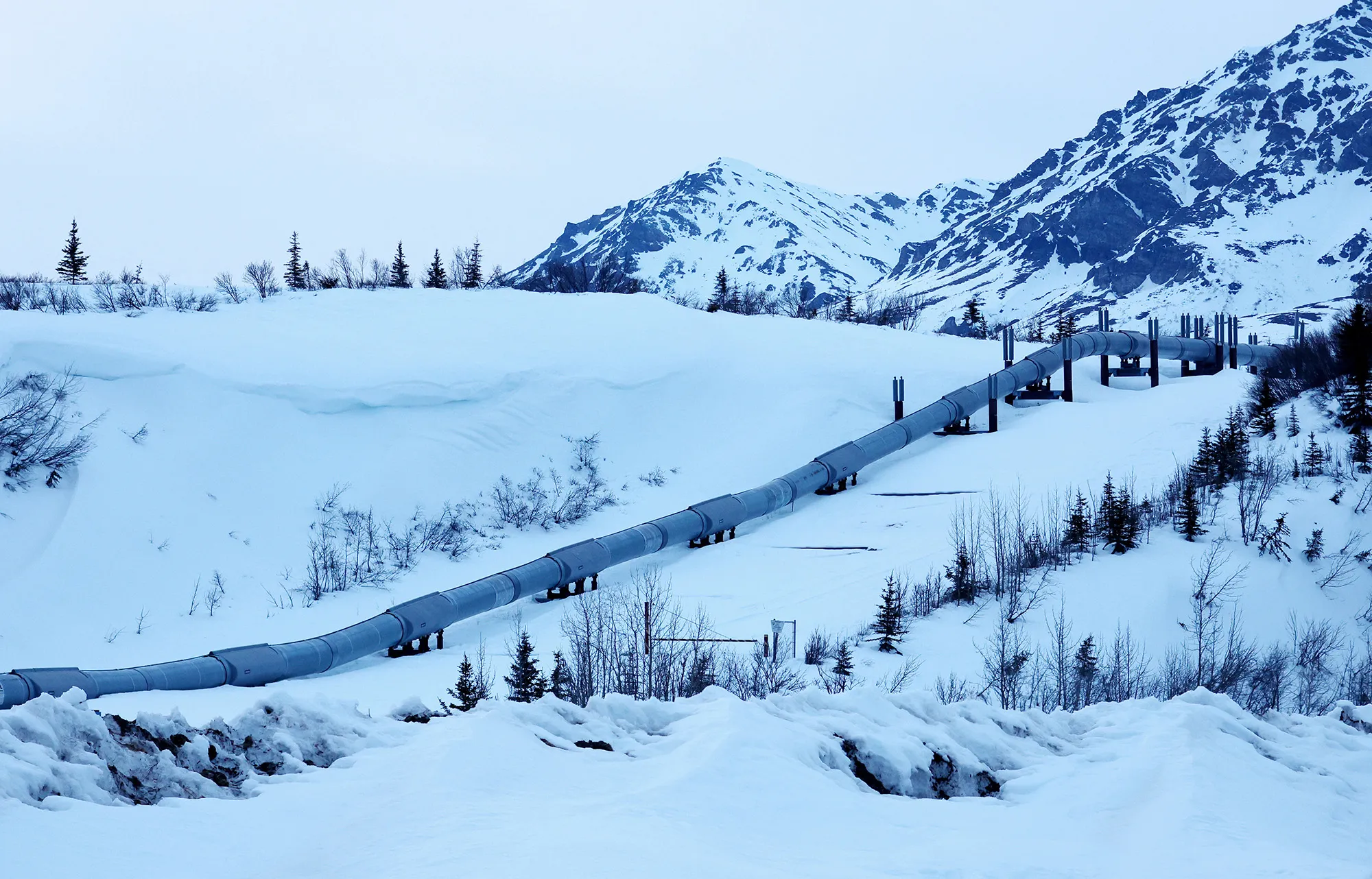
Alaska also has garnered heightened attention for massive building plans. Last week, Trump announced a $54 billion South Korean investment toward a long-stalled project to export liquefied natural gas from the state. “We make great deals,” he said.
The venture to transport natural gas from Alaska’s North Slope and liquefy it for export has been decades in the making, held up by its price tag and the technical challenges of building a pipeline across the state. Trump cast the Korean commitment as ironclad and hailed the help of Senator Dan Sullivan, an Alaska Republican in a tough reelection contest.
Hours later, South Korea cried foul. Industry Minister Kim Jung-kwan said the country’s investment in the LNG venture would hinge on commercial viability.
It was a stunning rebuke from a US ally — one that’s pledged $350 billion in investment in exchange for lower tariffs on exports. And it drew pushback from Trump, who threatened that if the Koreans walked away, he’d hit their goods with higher levies.
“President Trump began carrying out an aggressive, pro-growth economic agenda on day one, which has been and continues to deliver tangible wins for the American people,” said White House spokesperson Taylor Rogers. “He has a proven record of securing historic investment, creating high-paying jobs, and bringing manufacturing back to the United States.”
Americans, meanwhile, are expressing acute concern about high costs of living, making affordability the election’s dominant issue. While Trump frequently touts stock-market gains, booming 401(k) accounts, a surge in overall employment and fresh investment pledges, other indicators show a less rosy economy.
Elevated inflation prompted the Federal Reserve to hike interest rates last month and fuel costs have soared amid wars in Ukraine and the Middle East. Mortgage rates are at the highest level of Trump’s second term. Unemployment remains historically low but ticked up last month, and wage growth has been weaker than economists expected.
“They are scrambling for ways to show they have a strong economic agenda, so they’re running around saying, ‘Jobs are coming, jobs are coming,’” said Sameera Fazili, National Economic Council deputy director under former President Joe Biden. “Unfortunately for them that is not what is top-of-mind for voters this election season.”
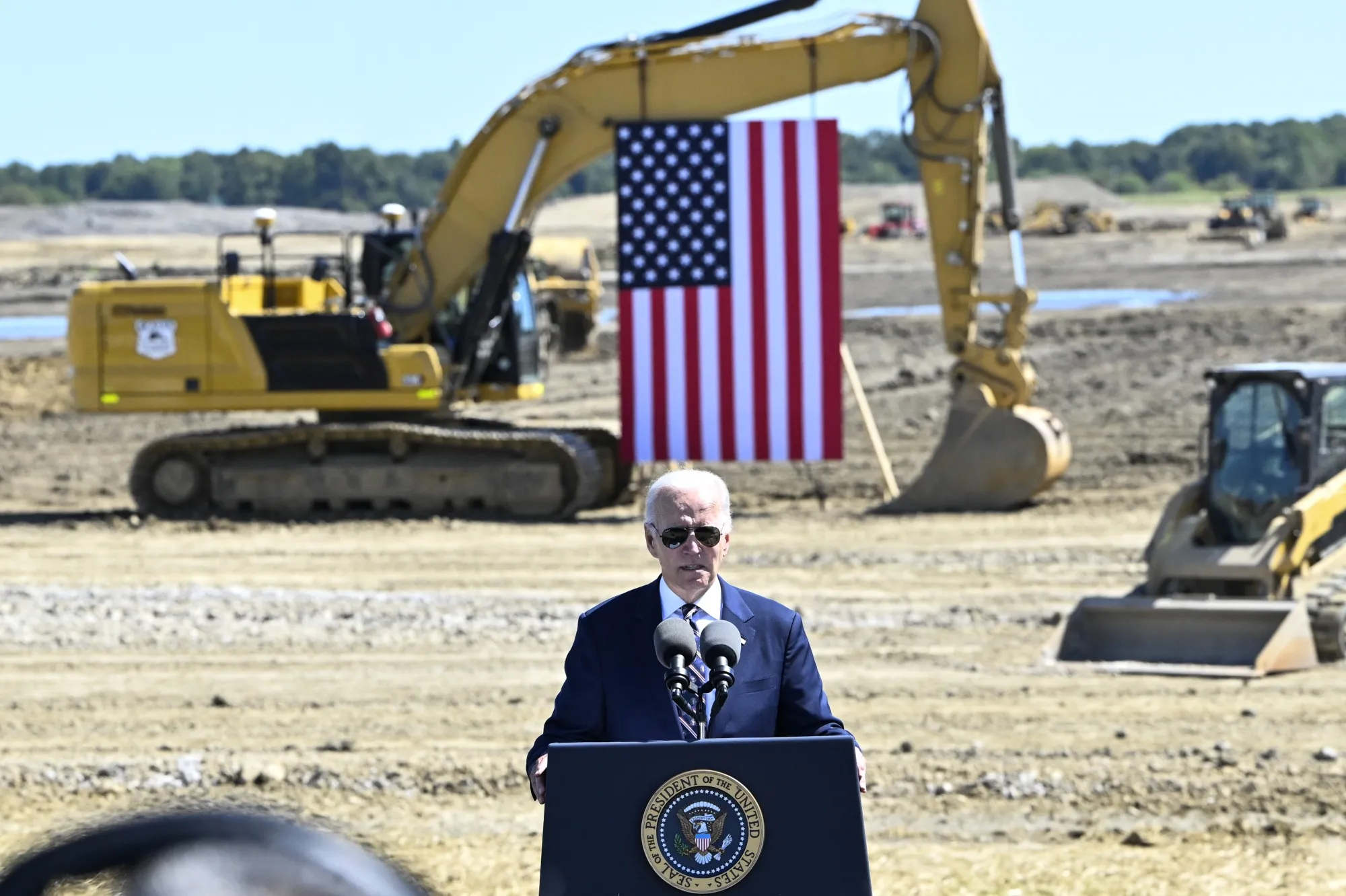
Trump isn’t unique in seeking electoral momentum by showcasing landmark projects. Ahead of the 2022 midterms, Biden celebrated the groundbreaking of an Intel Corp. facility in Ohio. Construction is ongoing but Intel has pushed back its timeline.
Trump, too, has done this before. Ahead of the 2018 midterms, he celebrated Foxconn Technology Group’s plans for a $10 billion plant in Wisconsin, boasting it would be “the eighth wonder of the world” and create 15,000 jobs. Foxconn eventually slashed its investment commitment by roughly 90% and ultimately employed only a fraction of the planned workforce.
A White House official pointed to several project announcements from Trump’s first term that have been developed, including an LG Electronics Inc. factory in Tennessee and a Samsung Electronics Co. facility in South Carolina.
Trump has acknowledged the long timelines such projects face. It’s not clear if the electorate will be patient.
“I want you to remember me in four or five years when this country’s rocketing,” Trump said at his September midterm convention. “Remember, I’m the one that got it started.”

 点赞
点赞 收藏
收藏 点踩
点踩 分享
分享