Data Center Darling’s $30 Billion IPO Dream Crushed in 48 Hours

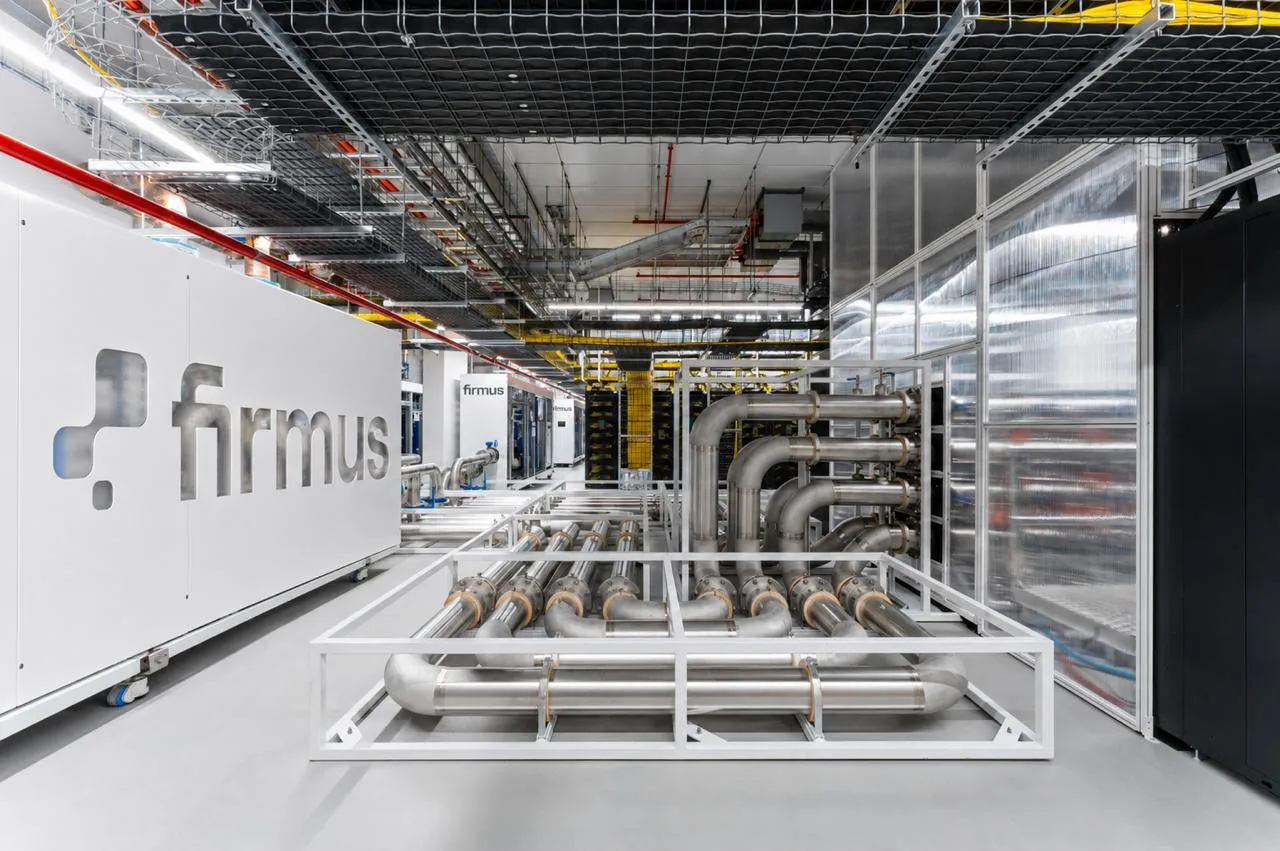
In 48 hours, Firmus Grid Ltd. went from a rising star of the artificial intelligence data center boom to one of the biggest deal flops in recent memory.
After months of touting itself as an essential artificial intelligence play, the Nvidia Corp.-backed company was on the cusp of pulling off one of Australia’s biggest-ever initial public offerings at a valuation fit for a top 10 player in the industry. But that story wilted under the scrutiny of US fund managers that bankers were counting on to buy a chunk of the deal.
Through Tuesday night Sydney time the deal team kept getting the same message from one fund after the other: the $30 billion valuation Firmus sought was just too rich. By Wednesday morning, it became clear that the IPO wouldn’t fly as pitched, prompting frenzied brainstorming to try to salvage it, with a cut in the price or the size. Ultimately, the deal collapsed.
The story is based on multiple conversations with people close to the situation who asked not to be identified citing confidentiality. A representative from Firmus declined to comment.
Major headwinds first became clear to the wider public when news emerged earlier that existing shareholders wouldn’t be subject to an escrow agreement and could potentially flood the market. At that point, many investors were still reassured by the optimistic messages about demand.
But by Wednesday, headlines were popping up in phone alerts about weak demand and a potential price cut. One fund manager had to abruptly abandon a meeting at a coffee shop in Hong Kong to run checks. That afternoon turned into an endless evening as investors tried to figure out what was really going on with the deal.
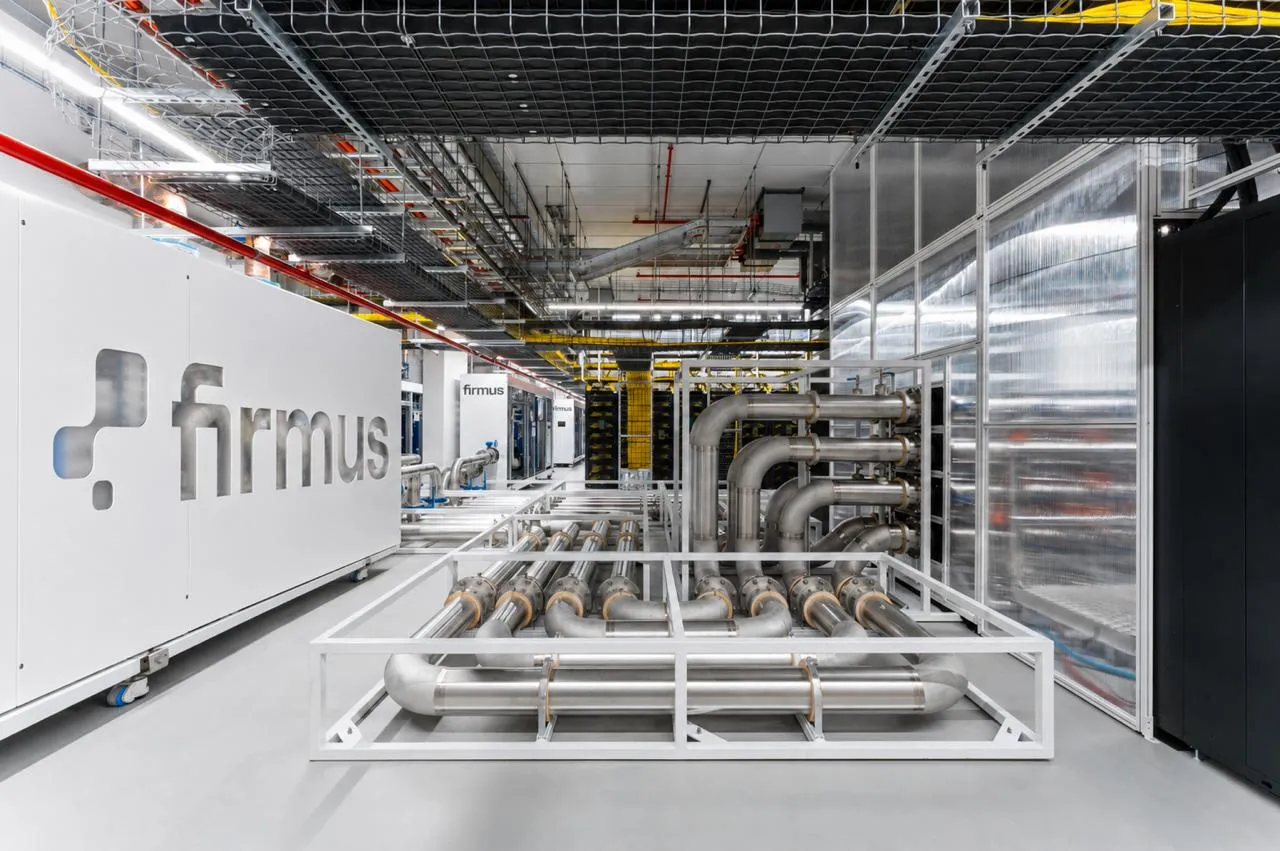
By that time, bankers were in full rescue mode as it was clear to them that the deal — running under the internal code name ‘Australis’ — wouldn’t work at the proposed size. Ideas were floated to cut it to about $3 billion and the valuation to somewhere between $20 billion and $25 billion. Wednesday night was all hands on deck for the company and its advisers to convince US investors to buy into the smaller deal at a lower price, all to no avail.
Bank of America Corp., JPMorgan Chase & Co., Morgan Stanley and Morgans Financial Ltd. were acting as joint lead managers on the IPO. A spokesperson for Morgan Stanley declined to comment, and representatives for the other banks didn’t respond to requests for comment.
On the outside, a dearth of information kept people on edge, and it wouldn’t get better for a while. Shortly after 11 a.m. Thursday in Australia, the bookbuilding was closed as scheduled, but by then there was swirling concern that the company failed to attract adequate support for the A$11 marketed share price. Even at the time of closing, there was no clear indication of the price or the deal structure.
In a sign of the mounting concern, shares of Firmus backer Maas Group Holdings Ltd. dipped as much as 30% in Sydney, the most on record.
Fund managers seeking updates were left hanging; some shrank their orders while others pulled them completely upon sensing the IPO was in trouble.
It was around that time that Jun Bei Liu, co-founder and lead portfolio manager at Ten Cap Investment, was asked about the deal on Bloomberg TV. “I’ve never seen an IPO so polarizing,” she said, adding that the data center operator would go straight to its existing backers to raise money if the listing fails.
Growing investor nervousness about the funding needs of the AI buildout explain some of the skepticism, particularly for firms without a proven track record. It also raises questions about how the company and its advisers got the demand so wrong.
It was an abrupt turn after Firmus claimed “strong strategic and global investor demand” as it priced the IPO and bankers said indications were in excess of the offer size. But many investors had long been skeptical about the company and its valuation.
UniSuper, one of Australia’s largest pension funds, said as early as July that it would not participate in the IPO, saying too little was known about its business.
That was at a time when Firmus was riding high and its valuation was much lower. Not long after, the company closed a $2 billion funding round at a valuation of more than $10.5 billion, attracting heavyweights such as Jane Street Group and Blackstone Inc. It was a huge leap from an earlier round in April with Coatue Management LLC and Nvidia that valued the company at $5.5 billion.
But the IPO valuation was another major jump, one that didn’t survive the more exacting scrutiny of the public process.
Firmus began formally gauging investor demand for its IPO late September. At up to $5.5 billion, it was already a lot larger than expected, showing the company was looking to convince investors to pay up for results that had not yet materialized.
Prospective investors, though, saw a business that was still in its early stages, with a lot of execution risk: Of its 912 megawatt pipeline, just 46MW had been built. They were being asked to value the company on future earnings contingent on the data centers being successfully delivered.
Firmus pitched an enterprise value-to-earnings before interest and tax multiple, used by neocloud peers such as CoreWeave Inc. in the US. Even if at 13 times it was at a significant discount to CoreWeave, it was based on EBIT forecasts two years down the line. The US company has both a longer track record and revenue that’s several orders of magnitude greater than Firmus’.
In the current environment, it was hard to make such a leap of faith.
“Poorly structured, too big, terrible prices, silly metrics — had the lot! Worth under $2 billion a year ago, $10 billion in August, then asking for three times that in October,” said Leonid Mironov, portfolio manager at Gavekal Capital Ltd.
Many investors were nevertheless comfortable with a valuation around $25 billion. But a few days before the IPO price was set, Firmus announced an agreement with Meta Platforms Inc., an existing customer, for computing capacity at its factories in Southeast Asia.
It revised its numbers on the back of that announcement leading to the IPO price.
Some investors saw that as the company pushing the envelope. They were being asked to value a company that had $51 million in revenue in the 2026 financial year at over $30 billion, based on ambitious growth targets that would require it to spend billions of dollars it didn’t yet have.
On top of all that, there was the background of co-founder Oliver Curtis, who served a prison sentence for insider trading a decade ago. While not cited as a deal-breaker, it added an element of caution. Some negative press in the vibrant Australian media also didn’t help.
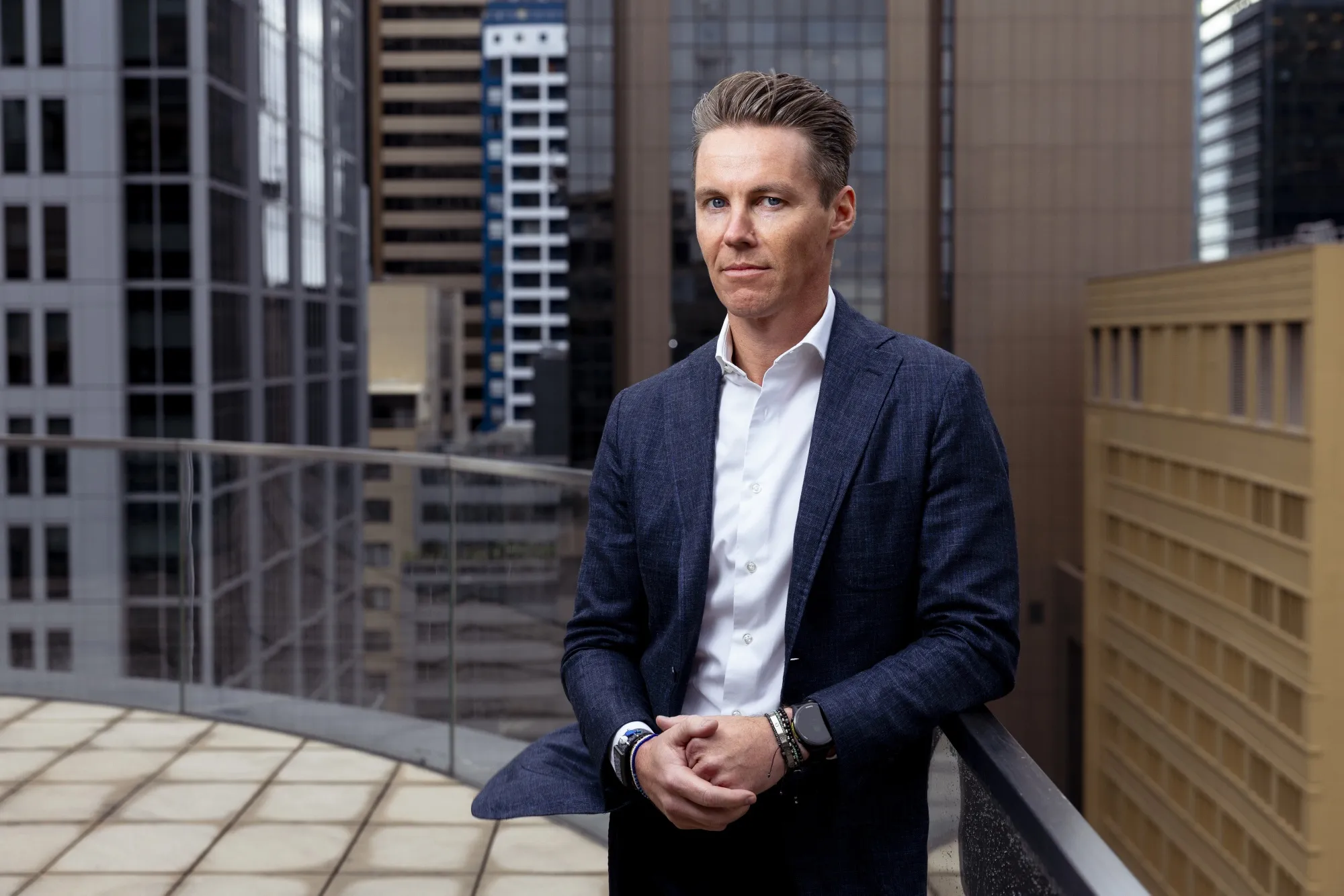
In the end, US investors just didn’t show up as expected and domestic demand wasn’t enough to cover the deal. By Friday morning, Firmus bit the bullet. The IPO was pulled and the company instead started exploring a pared-down private funding round with existing investors, who were poised to buy half the IPO shares anyway.

 点赞
点赞 收藏
收藏 点踩
点踩 分享
分享