Shroud of Secrecy Cloaks Star Investor Behind Cognition, Ramp


Last month, Zach Dell, son of billionaire Michael Dell and cofounder of Base Power, a billion-dollar battery startup, was gabbing with podcaster David Senra when Senra asked him which of his investors have been the most helpful to him.
Dell’s three-year-old company has many prominent backers, including Andreessen Horowitz, Thrive Capital and angel investor Elad Gil. Dell didn’t name any of them.
“Honestly, our mutual friend Zach,” Dell said.
The other Zach they were referring to was Zach Frankel, 37, a rising star investor who has played an outsized role in building some of tech’s most valuable and buzziest startups—while deliberately remaining anonymous outside of Silicon Valley’s innermost circles. Frankel is so far under the public radar that Dell and Senra even joked about it on the podcast.
“We can’t say his last name,” Senra said. “We can’t say his last name,” replied Dell, drawing a chuckle from the podcaster.
Frankel wrote the first checks into Ramp (recent valuation: $44 billion), the maker of expense-account software, and Cognition ($48 billion), the startup behind Devin, a popular agentic coding tool. Frankel did the same for Applied Compute, a startup that helps companies run and customize open-source models, and Long Lake Management, which has been buying up homeowners associations and other organizations with antiquated operations, then modernizing them with AI. Other prominent Frankel investments include Together AI and Modal, startups that rent out Nvidia GPUs and software to help developers run models and agents.
Since Frankel often gets involved in startups when they’re just a nub of a concept, some founders describe him as a secret co-founder of their firms. In many cases, he has nursed his relationships with those founders for a long time. Several founders who’ve worked with Frankel told me that they initially grew close with him years before he ever invested in their companies—and when he did, they had a strikingly informal discussion, agreeing on investment terms in a matter of minutes.
At Cognition, Frankel is a board member and the person whom co-founder and CEO Scott Wu calls for help with decisions big and small. “When we work together it’s very much block and tackling on particulars of strategy,” said Wu.“You have a vision and a problem you want to work on but there are all these things you have to do around that to go build a company—I think that’s what Zach really excels at.”
“When I think of him, I don’t think of him as an investor,” said Alex Taubman, co-founder and CEO of three-year-old Long Lake, which was valued at nearly $6 billion last November. According to Taubman, Frankel spent years helping him brainstorm the idea for Long Lake before they started the company together in 2023. “He supports founders in a way that’s pretty unique.”
Despite Frankel’s young age, he’s been at the investing game for quite a while. After a brief stint at Founders Fund, he was an early backer of Juul, the e-cigarette company, which contributed to some of his early fortune, and a cofounder of Better.com, a mortgage and financing company, both of which were at the center of years of legal battles and controversy. Frankel was on Juul’s board until last year and Better.com’s between 2021 and late 2022.
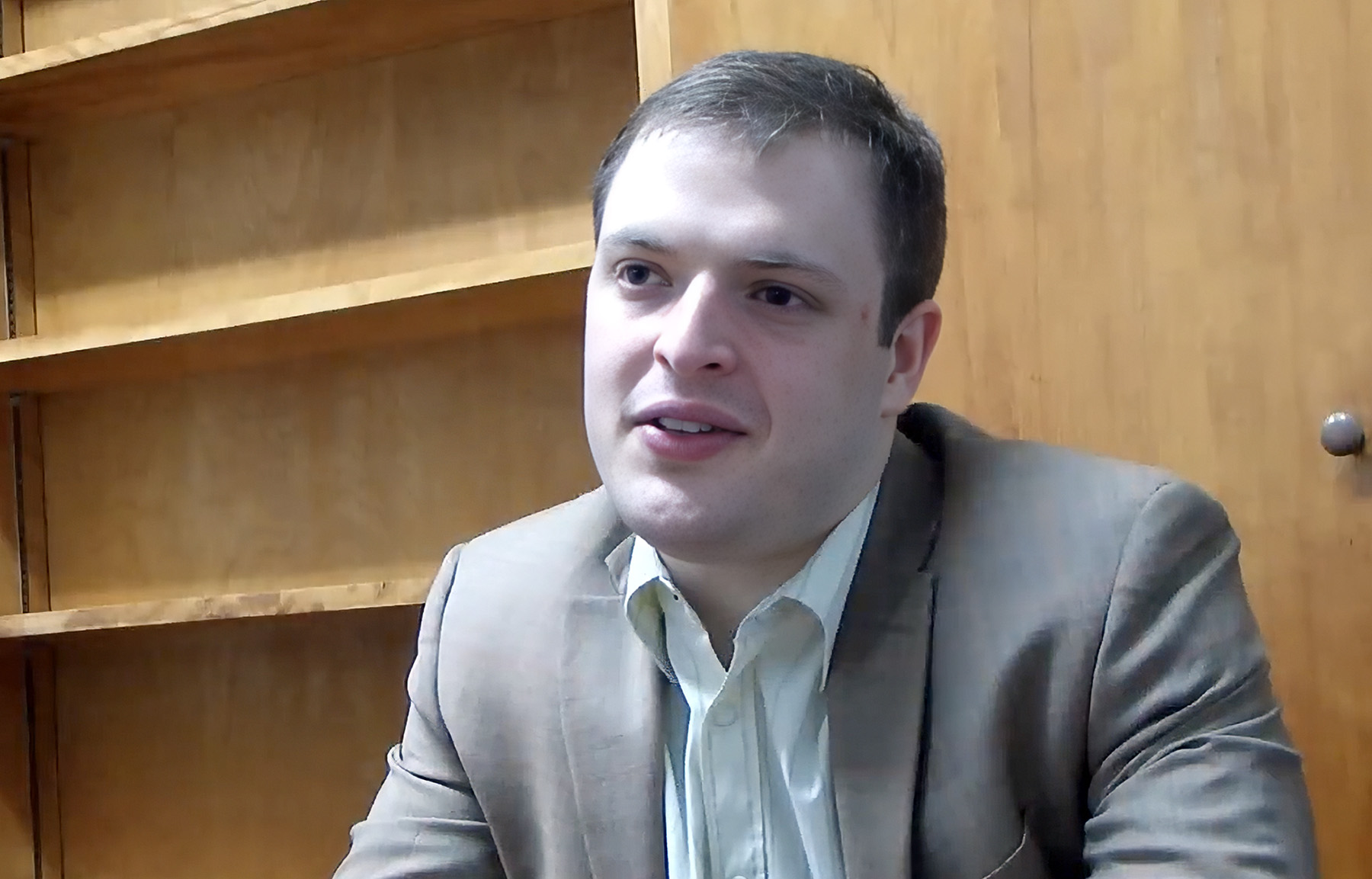
From his home in Miami, Frankel invests only his own money: He has no limited partners. But he does have a close network of investor friends like Gil, Peter Thiel and Dan Sundheim, founder of D1 Capital Partners. This inner circle and their firms will often follow Frankel into the companies he’s working on—a practice he has described as “capitalism with friends,” according to a founder close to him. (Thiel, 8VC founder Joe Lonsdale and Khosla Ventures’ Keith Rabois were reportedly at Frankel’s wedding in Israel last year; Frankel’s wife is Danielle Cohen-Shohet, co-founder and CEO of Genius AI, a startup that makes AI software for beauty and wellness businesses.)
As Frankel has tried to stay in the shadows as much as possible, the Silicon Valley gossip mill regularly churns with speculation over how far his web of connections extends—and just how much influence he exerts over his portfolio companies.
Indeed, Frankel’s reach is wide. He is invested in hundreds of companies, a number of which have stemmed from a large network of math and coding whizzes he keeps around him. But such breadth can cause complications. For instance, he has invested in both Cognition and its rival Factory, according to a person with direct knowledge of Frankel’s investment. And last week, those two companies were embroiled in a dispute over Cognition’s decision to hire a close advisor to Factory, Chris Degnan, as its chief revenue officer. The dispute raised questions about conflicts of interest between investors and advisors working with both companies.
Through conversations with 20 people who know Frankel, it became clear that his portfolio founders see him as an unusually hands-on investor. He often helps startups hire their early teams; land other top investors like General Catalyst, Benchmark and Founders Fund; and strategize over M&A, among other things. Two portfolio company founders also mentioned that he has even helped their siblings with their college applications by editing their essays or writing letters of recommendation. Then there’s Air Frankel: Frankel will let founders and friends use his private plane, according to two people familiar with his activities. One person said Frankel will also use the plane to woo technical wunderkinds that his startups want to hire.
Frankel’s desire to remain as invisible could not be more dissimilar to how many—if not most—of tech’s biggest investors operate these days, with their constant appearances on podcasts, essays on Substack and pronouncements on X.
By contrast, Frankel is a ghost on social media—a presence who is discussed in whispered snippets but never emerges into full sight. On sites like X, employees at his portfolio companies and other techies who know him sometimes refer to him in code: just as “ZF.” And his circle tries to help him maintain his limited profile. When Andrew Sy, a startup founder with no apparent connection to Frankel, vaguely mentioned him on X in July, a Ramp employee replied immediately: “You should probably delete this.” Another person told Sy that the mention would get his account “nuked.”
Given the air of mystery around Frankel, guessing at his motivation for staying so private is a favorite water-cooler activity within the tech industry.
Multiple people in his orbit chalked up his interest in privacy to Frankel’s desire to avoid the personal security issues that can accompany fame and fortune. Gil, the angel investor who has worked closely with Frankel, offered a more straightforward explanation: “He’s just low-key. He doesn’t think he needs the attention.”
Frankel would not comment for this story.
The origins of Frankel’s investing network go all the way back to high school on the East Coast. While attending Stuyvesant High School in Manhattan, a prestigious public school, he attended an intensive summer program at the Massachusetts Institute of Technology called the Research Science Institute. (Other alums of that program, which has a lower acceptance rate than Harvard University, include Pinterest co-founder Ben Silbermann and Cursor co-founder Michael Truell.)
It was at the Research Science Institute that Frankel met Karim Atiyeh, with whom he later started two companies: Ramp and Paribus, a price-tracking service for online shoppers. Frankel and Atiyeh became close and both went to Harvard, where they made another friend: Eric Glyman, the other future co-founder of Paribus and Ramp. At Harvard, Frankel studied physics and mathematics and spent much of his time in the library, according to a friend who knew him at the time.
During college, Frankel interned at Goldman Sachs’ Special Situations Group, a secretive investing team within the bank, which is where he initially met Taubman, the Long Lake founder. Frankel also took a semester off to travel to San Francisco and work for a famous virologist, Nathan Wolfe, at the Global Viral Forecasting Initiative, a nonprofit founded by Wolfe that studied diseases and used mathematical models to try to predict and prevent pandemics.
After graduating at the top of his class from Harvard in 2011, Frankel seemed intent on continuing to study pandemics, a subject area that one founder said still interests him. With a Rhodes scholarship, he departed to Oxford University with plans to get a doctorate focused on infectious diseases. “My goal is to work on complex problems with applications to our species’ most pressing issues,” he told The Harvard Gazette in 2010, which may be the first and last time he ever spoke to the media about himself.
He ended up studying machine learning at Oxford, according to someone close to him, but only stayed at the university for roughly a year. When he left, he joined Founders Fund as an intern, during which time he helped the firm as it considered investing in Ploom, which would later become Juul, and started building what would become a close relationship with Thiel.
After six months, Frankel left Founders Fund and started investing small checks of his own money into companies including Ouster, a company that was developing lidar-based technology, and Daring Foods, a maker of plant-based food shaped like chicken thighs and wings. He also consulted for Global Asset Capital, a VC firm by secretive billionaire Riaz Valani.
In 2014, Frankel started advising Ploom, according to documents made public in a 2019 lawsuit against Juul. He helped plot the company’s expansion to Asia and made introductions to possible hires and investors—including Coatue, Luxor Capital and James Rothschild, a member of the famous British banking family. He also helped strategize on how to approach Thiel about personally investing in the company, though it doesn’t appear Thiel did.
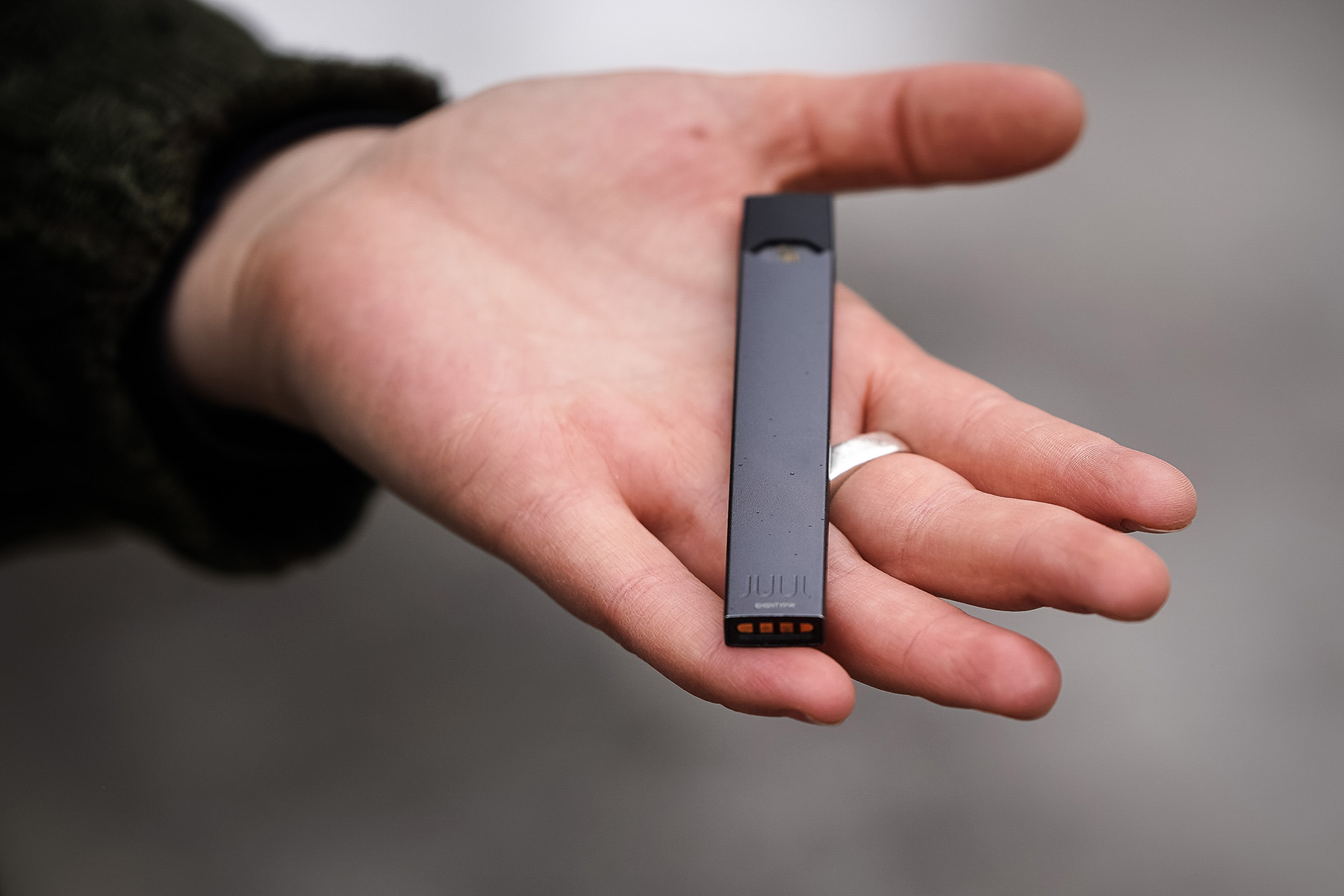
In 2017, Frankel joined Juul’s board, and a year later, he got a $70 million dividend when Juul sold a minority stake to Altria Group, the company that owns cigarette brands including Marlboro, according to the court filings. At the same time, Juul was facing the first of a barrage of lawsuits alleging it had aggressively marketed its e-cigarettes to minors and misled customers about their nicotine content and health risks, among other allegations. Juul has since settled thousands of cases and reached agreements with 48 states and territories.
As Frankel was working with Juul, his attention was also on Better.com, which he co-founded with Vishal Garg in 2014, according to a person who worked with him there. (Frankel also consulted for Garg’s VC firm, One Zero Capital.) The home-financing startup’s valuation peaked at $6 billion seven years later when an IPO seemed close. That listing finally did happen in 2023—but only after layoffs, a steady stream of controversy and lawsuits around Garg’s management style and alleged misappropriation of funds and a downturn in the home-buying market. The company is now worth less than $200 million.
At the same time Frankel was working on Juul and Better.com, he was also collaborating with his two old Harvard pals, Atiyeh and Glyman.
When the duo were launching Paribus in 2014, Frankel was one of the few investors they knew, so they called him for help, Glyman told me. Frankel helped them edit their application to Y Combinator, became Paribus’ first investor and board member, worked closely with them on their earliest marketing materials and helped them find early customers.
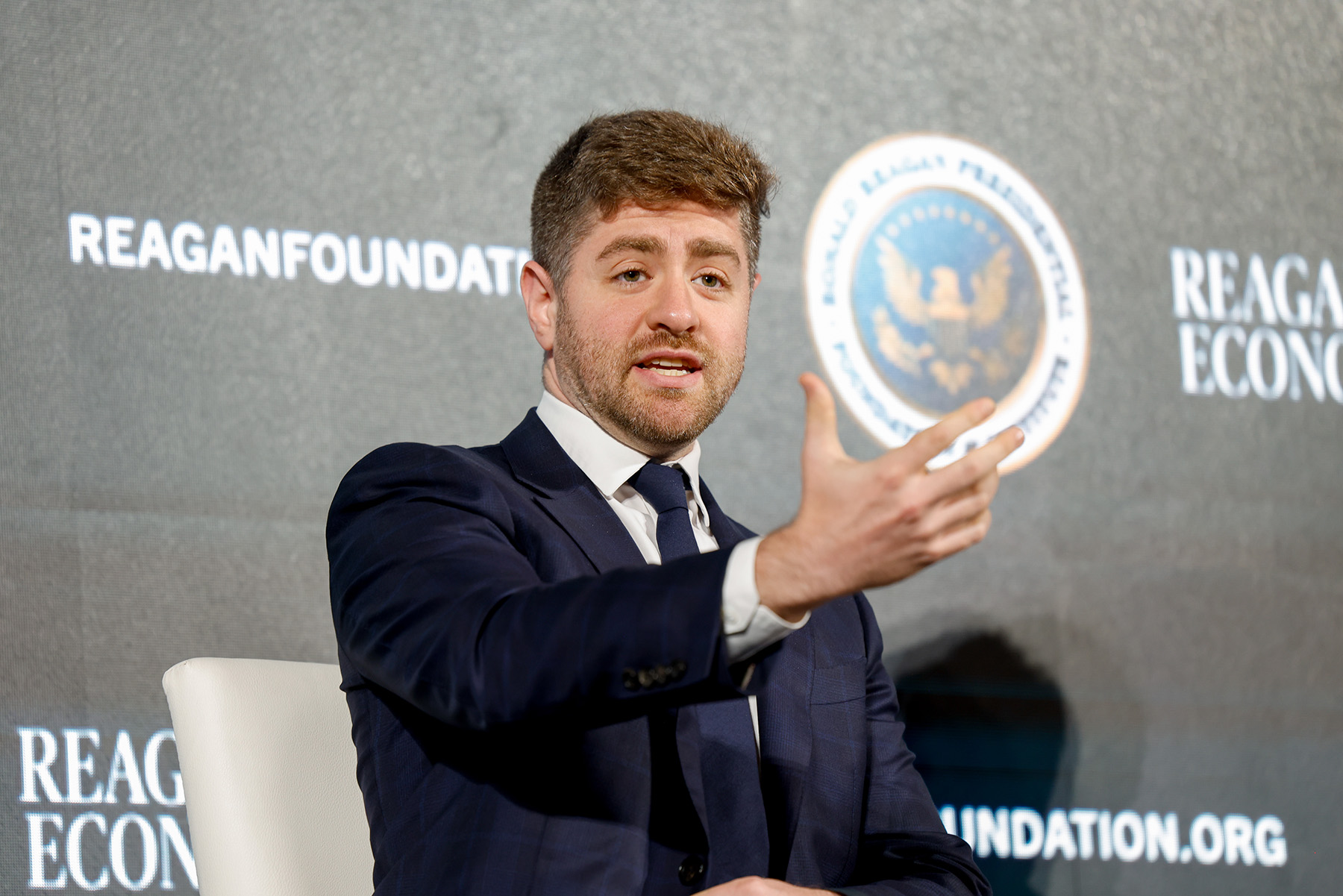
Less than two years after the trio got to work on Paribus, Atiyeh and Glyman sold it to Capital One for an undisclosed sum. Frankel was with them working until 3 a.m. on the deal, Glyman recalled. The success of Paribus was life-changing for both its founders and Frankel, said Glyman. “I think for all of us it was the first time we ever experienced anything quite like that, and so, you know, the experience of getting there just makes you close.”. It was a big payday for Frankel, who was granted shares in the company on top of his investment, making him a large Paribus shareholder. From that point on, he was able to write larger and larger checks.
Two years after the Paribus sale, Frankel teamed up once again with Atiyeh and Glyman to start Ramp. Once again, Frankel became their first board member, and he helped the founders brainstorm what to call the company, Glyman said.
Quickly, Ramp proved to be a rocket ship. By 2021, it was worth more than $1 billion. The next year that figure was $8 billion, and in 2025 it was $32 billion. “He’s changed my life for sure, and I think a lot of other people would say something similar,” said Glyman.
One of Frankel’s most important long-term relationships is with Wu, the co-founder and CEO of Cognition.
Starting in the 2010s, Frankel made it a point to meet and befriend contestants in high school math and computer-programming olympiads. In 2018, Frankel was introduced to Wu, a Harvard dropout who had won the International Olympiad in Informatics a few years before, by Vladimir Novakovski, who’d also competed in the olympiad.
Wu and Novakovski were a year into founding Lunchclub, a networking startup that used machine learning to suggest professional connections to meet. Frankel invested.
Wu left Lunchclub in 2022, and Novakovski pivoted it into a decentralized perpetual futures exchange called Lighter. Lighter raised $68 million at a roughly $1.5 billion valuation led by Founders Fund and Ribbit Capital in November.
Despite Wu’s exit from the startup, Wu and Frakel’s friendship deepened during the pandemic. At the time, Wu often stayed with Frankel at his Miami home. Frankel also introduced Wu to another Cognition co-founder, Russell Kaplan, a former Tesla machine-learning engineer; Wu and Kaplan had originally bonded at Frankel’s home while playing Super Smash Bros., a battle royale-style Nintendo video game.
During Cognition’s early days, Frankel was frequently at the Atherton mansion that the startup used as an office, according to someone who saw him there. Wu said Frankel helped him figure out how to fundraise and answer more fundamental questions, like how to sell Cognition’s coding agent and who the customer might be.
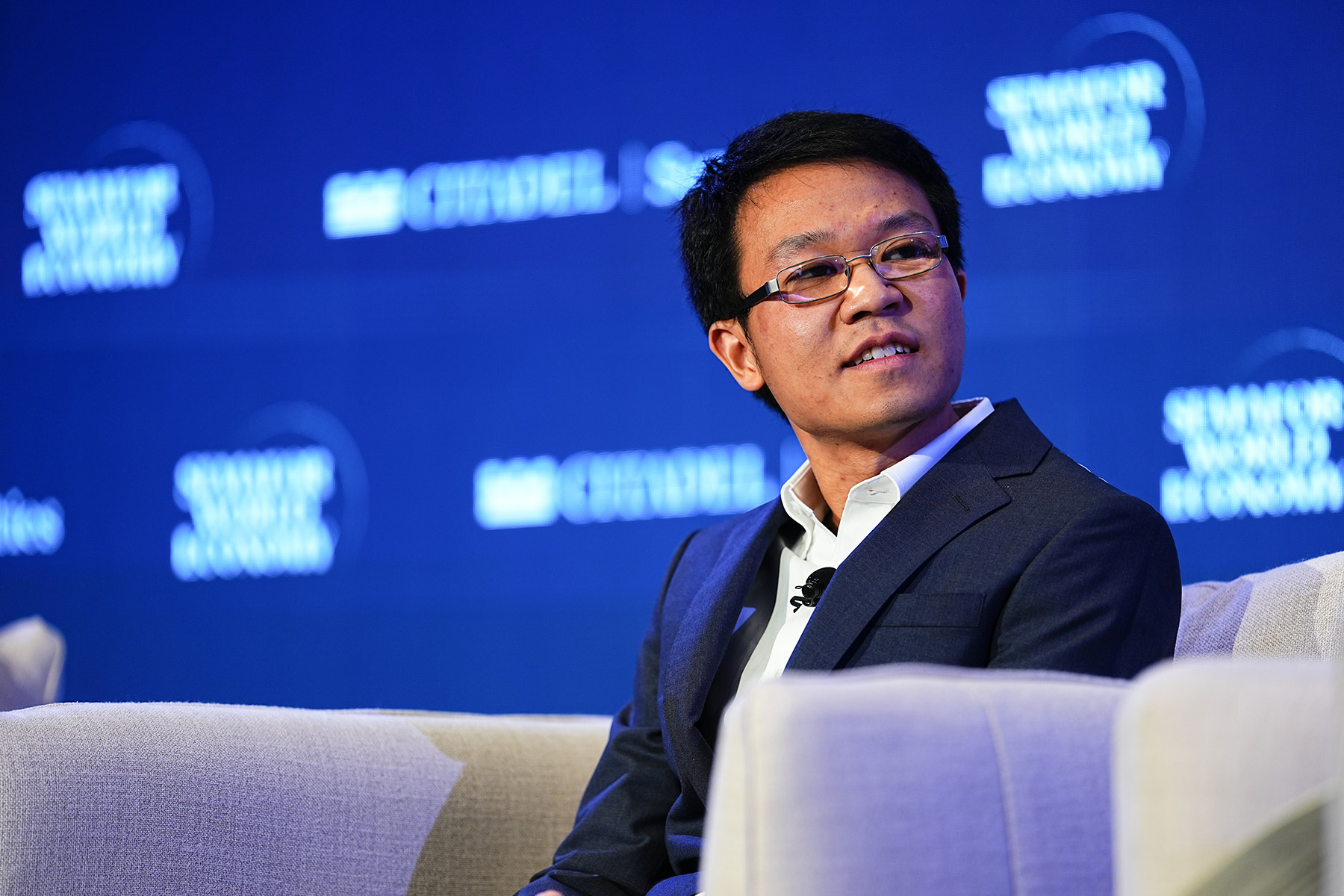
More recently, Frankel played an important role in Cognition’s 2025 acquisition of Windsurf when much of the AI coding startup was left adrift last summer after Google hired its CEO and other employees, according to Kaplan.
Kaplan and the other Cognition co-founders wanted to buy Windsurf in a matter of days. One lawyer said it wasn’t possible to do so that quickly. Frankel told them to get a second legal opinion, and they got the go-ahead, Kaplan said. Frankel helped advise on the deal’s structure, including Cognition’s decision to accelerate the vesting and payout of the Windsurf employees’ stock.
Meanwhile, Frankel’s long-standing connections within the world of high school olympiads has continued to pay off. Take the example of Calvin Lee, who was on a team that medaled in the International Olympiad in Informatics as a high schooler. Frankel originally helped Glyman talk Lee into a Paribus internship. Frankel and Lee stayed in touch, and Lee later turned down a lucrative offer from a trading firm to instead join Ramp as a founding engineer.
Two of Lee’s three teammates from the 2016 U.S. team have also ended up in Frankel portfolio companies: Lawrence Li is a founding engineer at Rox, a sales automation startup, while Daniel Chiu is an advisor to Cognition.
In the scramble to recruit young talent in the AI boom, these competitions have increasingly come to be seen as fertile recruiting grounds for star coders and top places to identify future stars.
More than a quarter of the 41 high schoolers who competed for Team USA at the International Olympiad in Informatics between 2010 and 2025 either founded, work for or advise companies backed by Frankel.
“Over the years, more and more companies have discovered that this pool is pretty darn good,” said Po-Shen Loh, a Carnegie Mellon professor who served as head coach of the U.S. International Math Olympiad team for a decade until 2023.
Lately, Frankel’s network has grown exponentially as his reputation has spread word-of-mouth across Silicon Valley and become increasingly interconnected in the process.
Many of Frankel’s portfolio company founders will invest in his other companies after introductions from Frankel. For example, Glyman has invested in Cognition; he also met Wu while playing Super Smash Bros, at Frankel’s house. Eric Wu, the co-founder and former CEO of Opendoor who has since started the Frankel-backed NavigateAI, has invested in Ramp and Long Lake.
The cross-pollination has also led to new startups. For example, Hone, an agentic AI startup that launched in August with Frankel as one of the first investors, was founded by software engineers who previously worked at Cognition and Ramp. And Long Lake co-founder Rasmus Wissman, whom Frankel introduced to Taubman, previously worked as a vice president at Juul; Wissman is also an investor in Cognition and Modal.
Another founder who has worked with Frankel on multiple ventures is Nick Greenfield, who was Paribus’ chief operating officer before he started Candid, a North Carolina-based company that sells teeth-straightening aligners and other dental products.
“The joke that we used to have is, everyone’s playing checkers, and Zach is playing 3D chess,” said Greenfield. “I would argue that Zach is probably playing some form in four or five dimensions.”

 点赞
点赞 收藏
收藏 点踩
点踩 分享
分享