OpenAI ARR Snafu Highlights Flawed Metric


Here’s a news flash: The quasi-revenue numbers for OpenAI that got wide circulation last week were off— way off. Instead of $70 billion in annualized revenue, as we and others reported, OpenAI is generating closer to $50 billion in annualized revenue (sometimes shortened to ARR). A Financial Times report of the lower number on Thursday proved such a shock to investors that stocks of chip firms and neoclouds, including Nvidia, CoreWeave, Nebius and others, fell on the news, CNBC reported.
The cause of this debacle is complicated. But it’s a reminder that we all rely too much on annualized revenue as a way to track a company’s performance. It’s become a standard measure for AI companies because their revenue has been growing by leaps and bounds, making the more common quarterly reports seem a little quaint in their backward-looking nature. But taking one month’s revenue and multiplying it by 12, as is the standard way these annualized-revenue numbers are calculated, is a poor substitute for a fuller picture of a company’s performance. (This isn’t a new issue—see this 2020 story on the subject.)
We don’t know enough about what happens in that one month to know whether we can accurately extrapolate it by 12. The risk is compounded by differences between OpenAI and Anthropic in how revenue is calculated, particularly whether it includes the cut paid to cloud firms. (See our report on today’s developments).
Then there’s the fact that companies publish these numbers in very occasional blog posts, but not on any kind of regular basis. Much of the time news reports about ARR numbers appear based on communications with investors, which then find their way to reporters. And, as occurred with the mistaken $70 billion figure, sometimes investors and news outlets do clunky calculations that lead to errors.
This issue should recede when the AI firms go public. That doesn’t mean they’ll stop issuing annualized-revenue estimates, as some public companies have started to do. But at least we’ll see the real numbers and be better equipped to assess what’s going on. Right now—aside from the occasional leak of detailed financial statements—we’re in the dark.
Elon Musk’s Phone Ambitions
What is Elon Musk’s vision for SpaceX? Is it a cloud firm? A rocket firm? Or a broadband operator? Perhaps all three. On Thursday, Musk signaled he is definitely leaning towards competing with the big mobile operators Verizon, T-Mobile and AT&T.
SpaceX announced it has struck a deal to acquire “nationwide low-band spectrum” that, as Musk said in an X post, “is the last critical piece of the spectrum puzzle needed for SpaceX to provide complete phone coverage in America.” Shares of the three mobile incumbents each fell 6% to 7% in after-hours trading after the news.
Let’s get real. Providing reliable cell service is really difficult. Sure, the three incumbents don’t do a perfect job. But we’d bet that SpaceX will find it hard to provide a comparable service by “combining our satellite-to-mobile constellation in space” with the new spectrum, as it said today.
And this won’t come cheap. Aside from the cost of buying the spectrum, SpaceX will need to build cell towers to use the new spectrum. And that’s just to get the service off the ground. It’s great Musk wants to increase competition in the market. But succeeding against the incumbents won’t be a slam dunk.
• The U.S. government is limiting Microsoft’s ability to sponsor visas for certain immigrant workers, Vice President J.D. Vance said Thursday, citing an “ongoing investigation” into claims that Microsoft laid off Americans while continuing to hire more immigrants.
• Alphabet’s Waymo on Thursday announced that it finalized a $5 billion term loan in the self-driving rideshare company’s inaugural debt financing round. More details here.
• The three safety researchers whom OpenAI fired last week challenged OpenAI’s decision, saying on Thursday they were punished for raising safety concerns. More here.
Today on The Information’s TITV
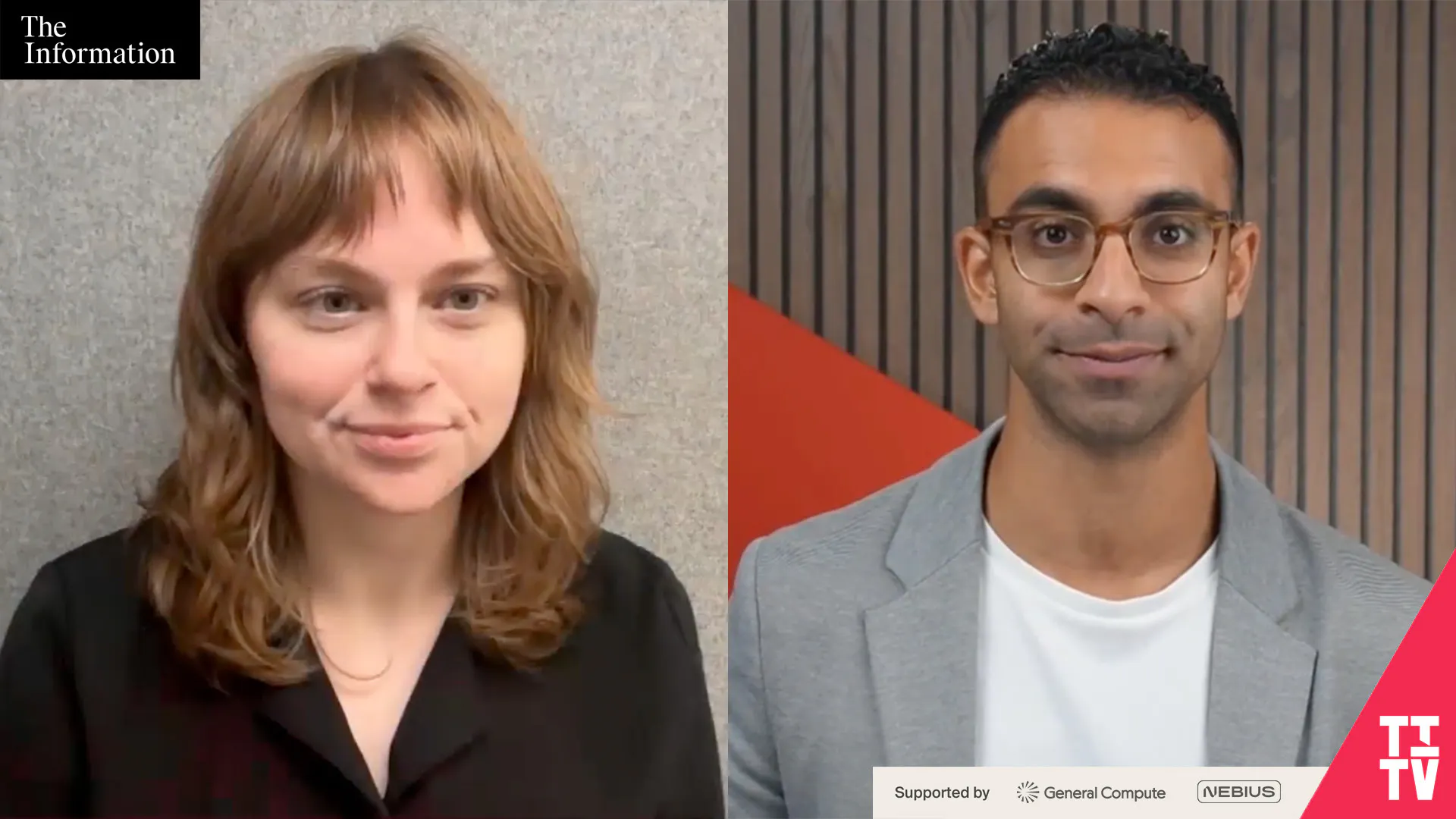
Check out today's episode of TITV, in which Akash Pasricha speaks with Amazon reporter Catherine Perloff about her reporting on the company's power challenges.

 点赞
点赞 收藏
收藏 点踩
点踩 分享
分享