Apple’s New Watches Don’t Do Enough to Beat Out Oura and Whoop

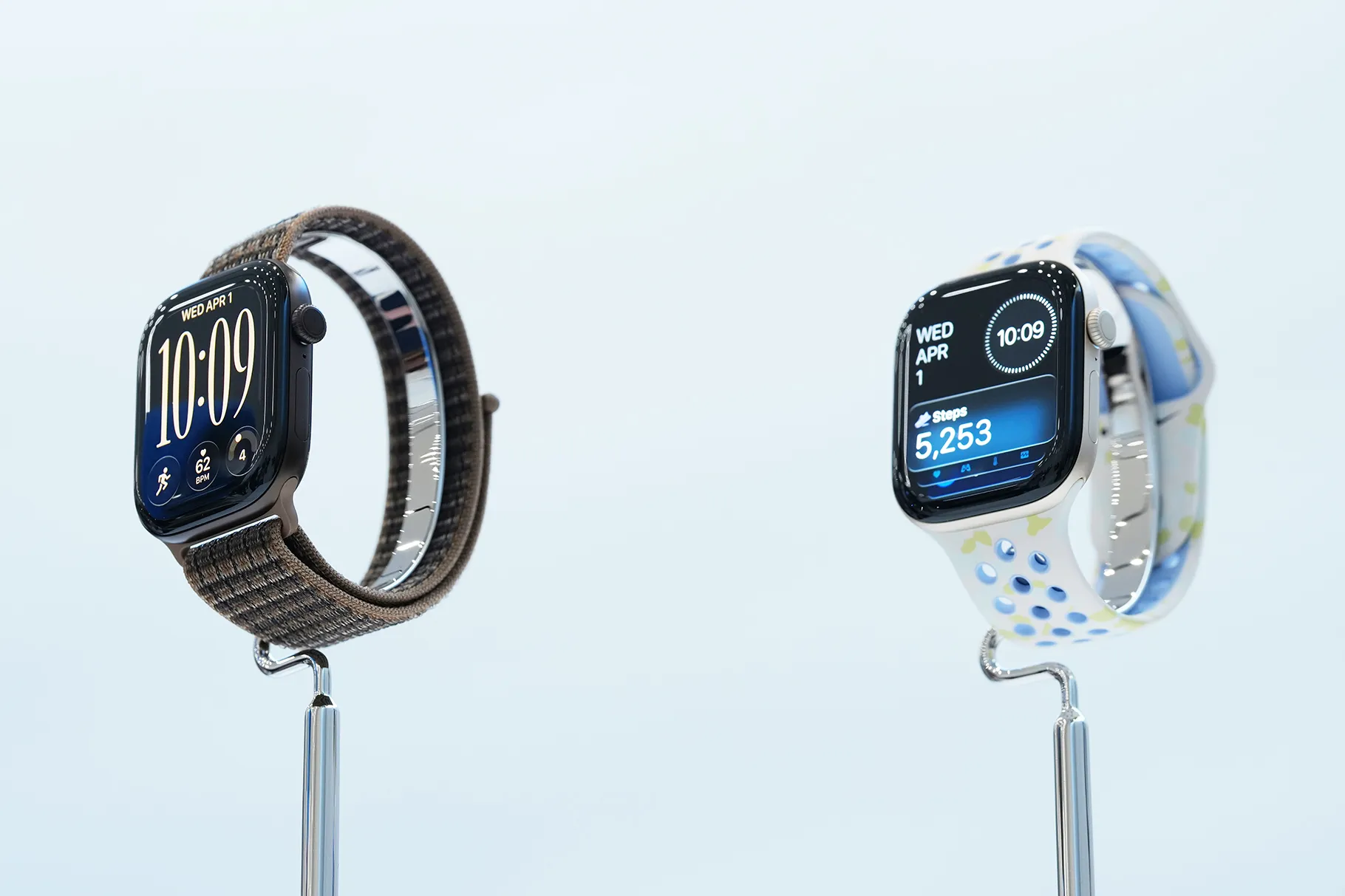
With its newest Apple Watches, the $399 Series 12 and $799 Ultra 4, Apple Inc. is making a bigger push to turn its wearables into around-the-clock fitness and health trackers. The new models are more capable than their predecessors, but Apple is still playing catch-up with rivals that have spent years specializing in that very mission.
The newest watches, which went on sale last month, take aim at the likes of smart ring pioneer Oura Inc. and fitness-tracker brand Whoop Inc. with a revamped Health app, a longevity feature that estimates biological age and a readiness score that gauges recovery. Apple is also touting faster processors and charging, while preparing controversial always-listening features that can summarize conversations throughout the day and let users rewind what someone said 15 seconds earlier.
Read More: Apple’s iPhone Duo, New Watches, iPhone 18 Pro and AirPods 5: Everything to Know
After more than two weeks of testing the Series 12, though, it’s hard to see many Whoop or Oura users abandoning their devices — and subscriptions — for an Apple Watch. Apple only added a sleep score last year and remains behind rivals that have built their products around continuous tracking, recovery and fitness optimization. The new features narrow that gap, but they don’t fundamentally change what the Apple Watch is: an all-purpose smartwatch that increasingly doubles as a health and fitness tracker, rather than a device built around those functions from the ground up.Here’s what Apple got right with the updates, where it fell short, and who, if anyone, might want to buy these:
What’s Impressive
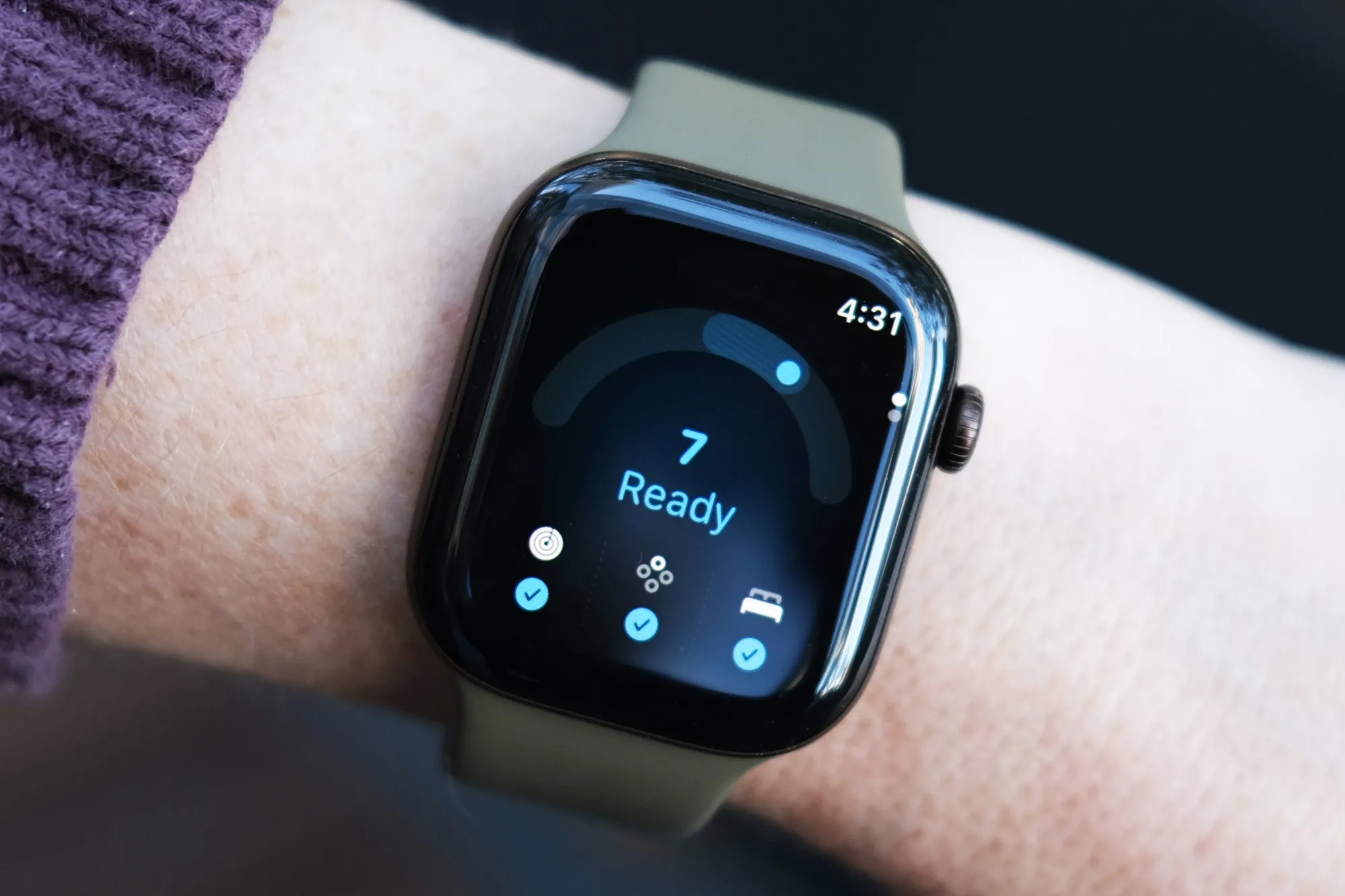
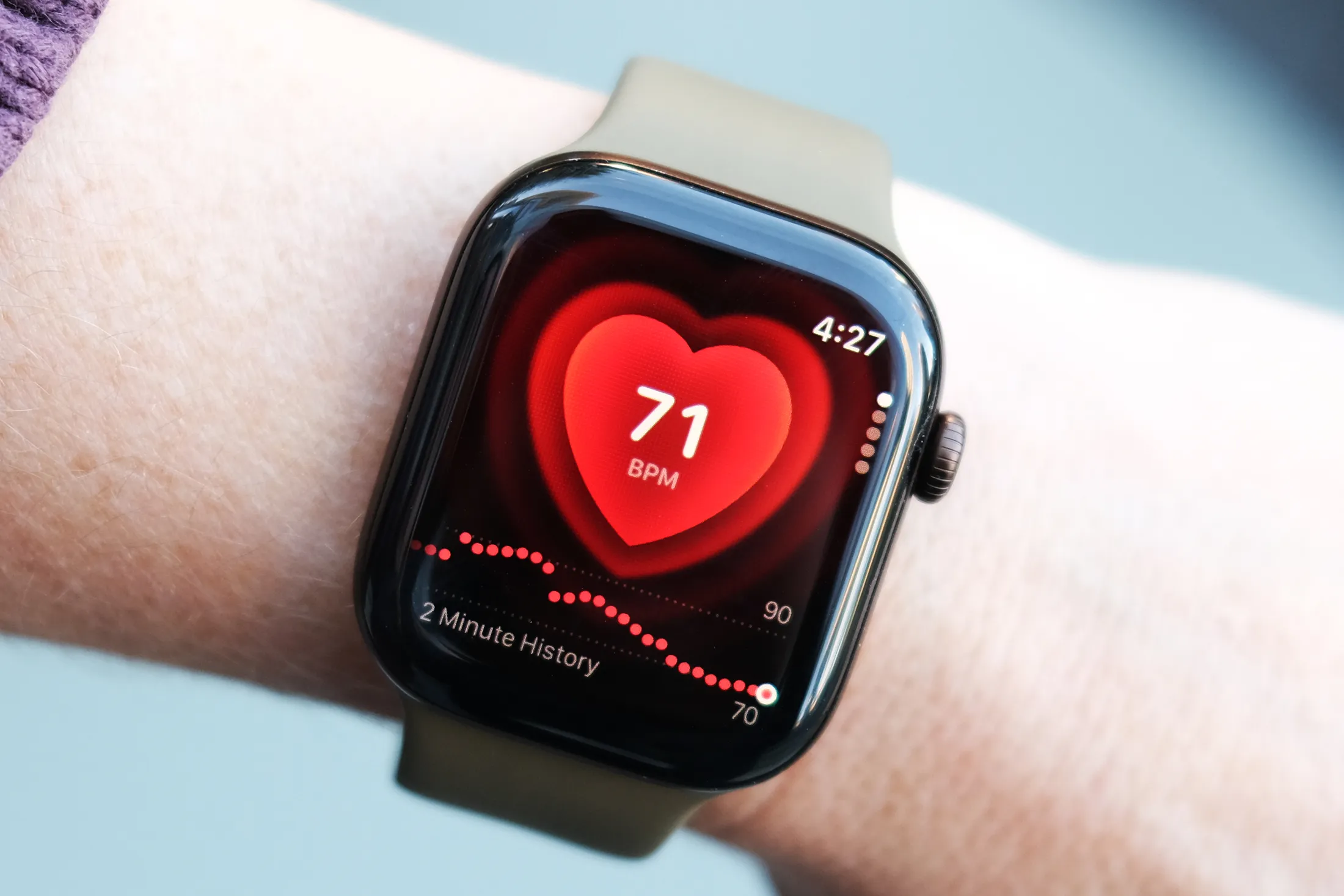
The aluminum model gets tougher glass: The aluminum Series 12 now uses Ceramic Shield 2 for its cover glass, which Apple says is 60% tougher than the Ion-X glass on last year’s aluminum model. I haven’t ended up with any dings, and I wasn’t exactly precious with it. The titanium and ceramic versions continue to use more durable sapphire crystal instead.Continuous heart rate is useful: The Heart Rate app now displays a continuously updated, two-minute history of your heart rate, a feature exclusive to the Ultra 4 and Series 12. That makes it easier to see how your heart rate responds to exercise, stress and recovery. I found it particularly useful for quickly seeing how fast my heart rate climbed — and then recovered — after activities like stair climbing.Finally, a Readiness Score: One of the biggest additions is the Readiness Score, a recovery metric based on activity, heart-rate readings and other health data. It takes about seven days and nights of wearing the watch — including at least four hours of sleep each night — before the feature begins working. Whoop and Oura have made similar scores central to their products for years, so this was essentially table stakes if Apple wants to compete with them.But Apple’s score has a twist: Unlike the scores from Oura and Whoop, which are largely set for the day, Apple’s Readiness Score can fluctuate as conditions change. That makes it useful for understanding how your body responds over the course of a day — whether you exercise, take a nap or otherwise change your activity level.Live complications are a highlight: Apple also made changes to its complications — the data elements on a watch face that go beyond showing the time. There are now live complications for metrics like heart rate, step count and the Readiness Score, making it easier to track those stats in real time. The feature is exclusive to the new models, which Apple attributes to their new sensor system. That’s a shame because it was overdue: Garmin Ltd. and Google’s Fitbit already offer similar capabilities.
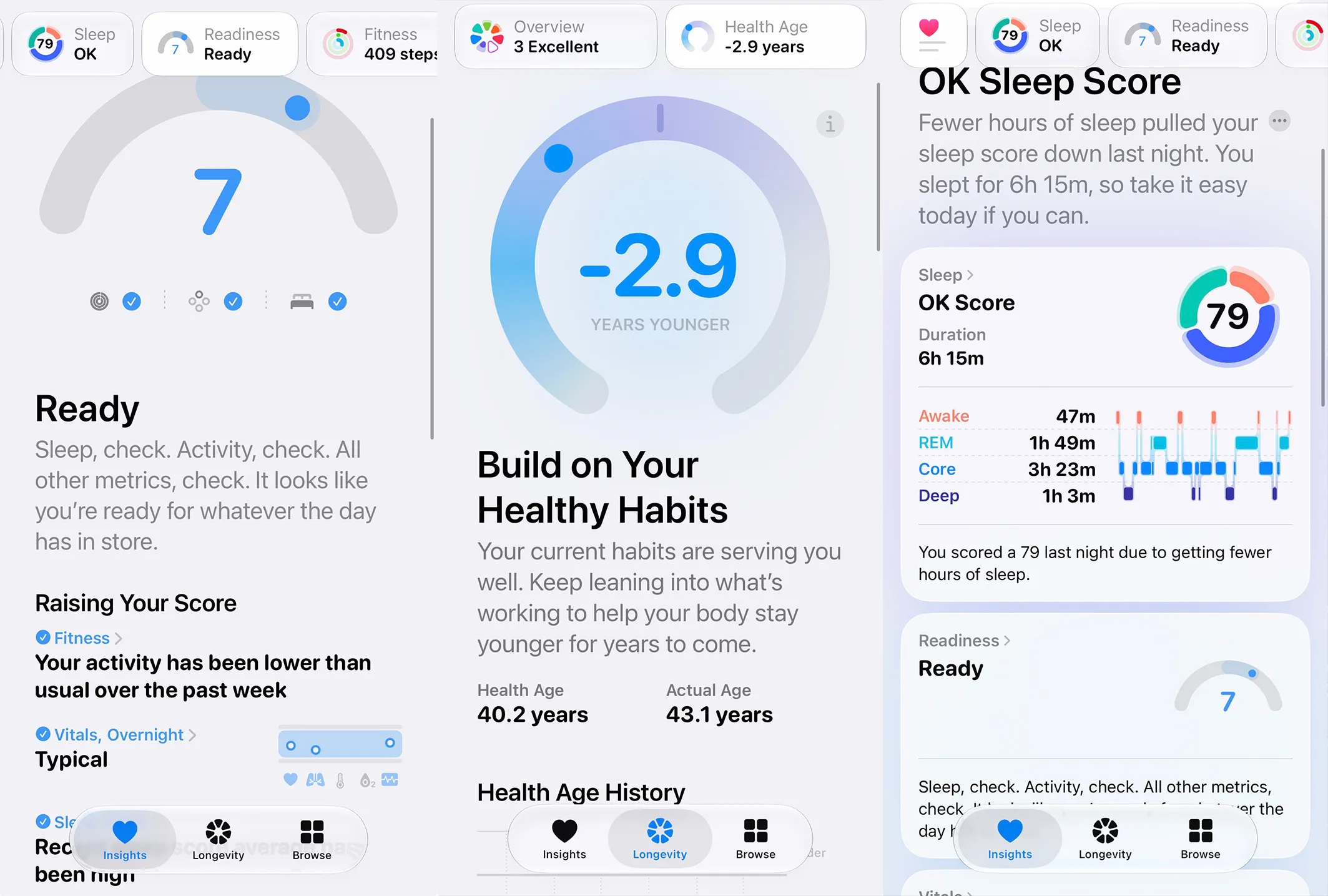
Apple Health is much improved — but you don’t need a new watch to get it: The overhauled app, due to come out of beta testing later this year, puts a much greater emphasis on longevity. Its main view is divided into seven sections resembling flower petals, which fill with color based on incoming data — including exercise, sleep and heart health — providing an at-a-glance picture of how you’re doing. It’s one of the best presentations of health data I’ve seen on a wearable, surfacing important takeaways and trends without forcing users to dig through overly granular information. But the redesigned Health app isn’t exclusive to the Series 12 or Ultra 4, so owners of compatible older watches can benefit from it without buying new hardware.Body assessments are innovative: As part of the revamped Health app, Apple also lets users check longevity metrics through a series of body assessments, several of which use the iPhone’s camera. Some are straightforward: You can prop the phone against a wall and follow prompts to lift your arms or perform hip and knee bends to gauge mobility and flexibility. Other tests measure strength or cardio fitness. But they aren’t all as easy to complete. One cardio test, for example, requires AirPods Pro to measure your heart rate from your ears.There’s no paywall: Apple isn’t charging a subscription to unlock these health tools, taking a different tack than Oura and Whoop. And with the Apple Watch starting at about the same price as an entry-level Oura Ring, that makes the Series 12 a compelling alternative for someone who wants advanced health tracking without another monthly bill.Faster charging helps: With about 15 minutes on the included charger, I was able to add roughly 12 hours of battery life. If I didn’t have enough power to make it through a night of sleep tracking, I could top up the watch in short bursts during the day or for a few minutes before bed. That helps compensate for one of the Apple Watch’s biggest disadvantages versus Whoop and Oura: significantly shorter battery life. (More on that below.)
What Needs Work
The bezels are thicker: The Series 12 has slightly thicker bezels, or borders, than its predecessor. It’s not a dramatic change, but it is noticeable, especially if you’re coming from a Series 10 or newer.A new chip, but for what? The Series 12 and Ultra 4 both get Apple’s faster S11 chip. More speed is welcome, but it’s difficult to notice much of a difference in everyday use. For now, the silicon isn’t being seriously tapped for more ambitious tasks like on-device generative AI processing — functions that might spotlight the value of new chips.Sleep tracking can vary considerably: The Apple Watch generally gave me higher sleep scores than the other devices, including on nights when I tossed and turned. The underlying measurements also differ substantially. One night, Apple gave me a score of 75 and recorded just 42 minutes of deep sleep. Whoop gave me an 84% score while recording two hours and 24 minutes of deep slumber. Oura’s score was closer to Apple’s at 76, but it still recorded more than twice as much deep sleep. That doesn’t necessarily mean one device is right and another is wrong — consumer wearables estimate sleep stages differently — but such large discrepancies make it harder to know which data to trust.I have my doubts about Health Age: With its new Health Age feature, Apple is joining Oura and Whoop in trying to quantify biological age using metrics such as sleep, resting heart rate, steps, exercise minutes and cardio fitness. Oura pegs me at roughly my actual age, while Apple estimated that I was 3.1 years younger. That’s flattering, but I don’t think I’m that exceptional. More importantly, Whoop does a better job of explaining which factors are pushing its estimate up or down, making the number feel less arbitrary.
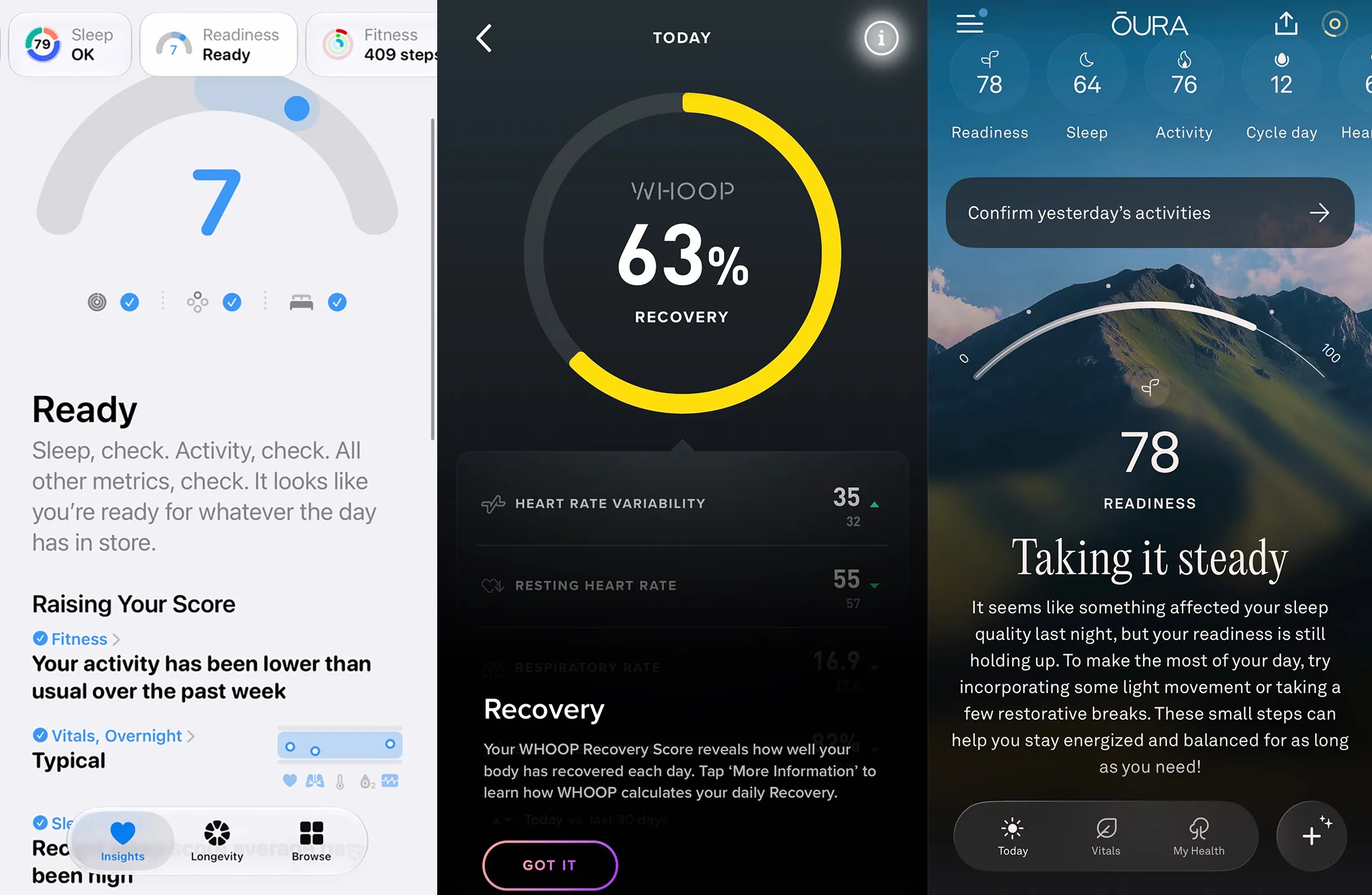
Readiness needs more explanation, too: Apple assigns users a Readiness Score from 1 to 10 to help determine when to push harder or pull back, but it falls short on explaining what’s driving the number and what users should do about it. My scores were often broadly aligned across platforms: One morning, Apple gave me an 8 while Oura put me at 80%. But Whoop and Oura warned that I was still recovering from sleep debt and should take it easy, while Apple told me I was ready to “go for it.” The scores may have been similar, but the guidance certainly wasn’t.I wanted even more insights: The same problem extends to the broader Health app. Within each category, Apple shows where I stand and offers suggestions for improving my longevity. In my case, sleep is the area Apple says needs the most attention, something Oura and Whoop have flagged as well. But the rivals often go further in turning those measurements into useful insights. Oura, for instance, provides a detailed report every 90 days that breaks down longer-term patterns and changes.Battery life is still a compromise: The Series 12’s battery life looks good compared with previous Apple Watches, but not with dedicated health trackers. Apple rates it for 24 hours of normal use, though I typically got closer to 29. That’s impressive considering how much the watch is tracking throughout the day and night, but it still means taking the device off your wrist at least once a day. Whoop can go far longer between charges, while an Oura Ring can last more than a week, depending on the model. For a device increasingly focused on continuous health monitoring, every hour spent on a charger is an hour of missing data.Apple is missing an AI health coach: Perhaps the biggest software gap is Apple’s limited use of generative AI to help users make sense of all this data. After a red-eye flight, I could tell Oura’s built-in AI chatbot what had happened and ask it to help explain changes in my heart rate and its variability. Whoop offers a similar conversational feature. Apple Health doesn’t offer an equivalent way to interrogate your data through the Siri digital assistant — a conspicuous omission as Apple collects more information about your body and asks users to make sense of it.
The AI Story
Siri AI is limited in what it can do on the Apple Watch, given how small the screen is. Suffice to say, it’s a work in progress. On a recent drive, I needed a tidbit buried in an iMessage conversation from the day before. But instead of reaching for my iPhone, I asked Siri on my Apple Watch. Within seconds, it found the right message and gave me the pickup time and location.
It felt like a glimpse of what an AI-powered Apple Watch could be, but 20 minutes later, it confidently surfaced an incorrect detail in another group text that could have sent me to the wrong restaurant for dinner later that night.
The most divisive new Apple Watch features, due out later this year, are part of what the company calls Audio Intelligence, which uses AI and the device’s microphone to offer smarter audio tools. One capability, Live Rewind, will let users double-click the Digital Crown on the Apple Watch Series 12 or Ultra 4 to replay and transcribe the last 15 seconds of spoken audio. Apple has used the example of replaying part of a conversation with a waitress at a restaurant so you don’t have to ask her to repeat herself. Meanwhile, Siri Recap will summarize key topics from conversations into bullet points without storing voice signatures or identifying speakers.
These features were not available for testing, but are already poised to test certain states’ eavesdropping laws, especially those that require all parties involved to agree to being recorded.
Read More: Apple’s Always-Listening Watch Features Test Eavesdropping Laws
When it unveiled the features, the technology giant touted several privacy protections, including an audible alert when a user requests a Live Rewind readout, on-device audio processing, and assurances that the underlying audio isn’t actually recorded or stored. It has also said the tools don’t attribute comments to specific named individuals and that summaries may omit potentially sensitive material such as financial information, personal identifiers or authentication data.
Other uses for Audio Intelligence will be less controversial. One feature called Sound Recognition can identify sounds such as a doorbell chime and alert the user, which could help people who are hard of hearing. The new watches also recognize songs much faster through the Shazam song recognition app, which identified music playing near me almost instantly.
The Takeaway
None of this means people shouldn’t buy the Apple Watch Series 12. They will, and plenty will be given as gifts this holiday season. But the ideal buyer is already a fan of the device — and preferably someone who doesn’t own a recent model. There’s only so much overlap between people willing to spend upward of $199 a year on a Whoop subscription to optimize their health and those satisfied with the sports and fitness-tracking capabilities built into Apple’s platform. Whoop, for its part, has noted that many of its users also wear a second device, such as an Apple Watch. That’s likely to continue. The Apple Watch does plenty that a Whoop band or Oura Ring can’t: It has a screen for notifications, a vast app ecosystem and all the other features that have made it the gold standard among smartwatches.But being the best smartwatch doesn’t necessarily make it the best health tracker. For people who treat longevity and fitness optimization as a hobby, Whoop and Oura remain more compelling because they’re purpose-built for the job and have had years to refine how they interpret health data. Apple has made significant progress with the Series 12, but it still gives you more numbers than insight. Until that changes, the most devoted health obsessives won’t be ditching their Whoop bands or Oura Rings anytime soon.

 点赞
点赞 收藏
收藏 点踩
点踩 分享
分享