Elections Underscore South Africa’s Gender Divide

Welcome to Next Africa, a daily newsletter on where the continent stands now — and where it’s headed. Sign up here. In today’s edition, we look at:
Women’s decisive role in South Africa’s municipal voteA US travel warning as Ethiopia-Eritrea tensions riseThe animals chosen for new Bank of England notes
Women Vote, Men Lead
Women are set to play an outsized role in shaping the outcome of South Africa’s municipal elections next month, but men will still end up in charge of most towns and cities.
More than 55% of the country’s 29 million registered voters are female. That makes South Africa a global leader — the figure is 52.5% in Brazil and just 48.6% in India — testimony to a constitution that emphasizes equality.
Yet despite their eligibility to cast their ballots, women only account for 38% of the candidates who were nominated for the more than 10,000 council seats.
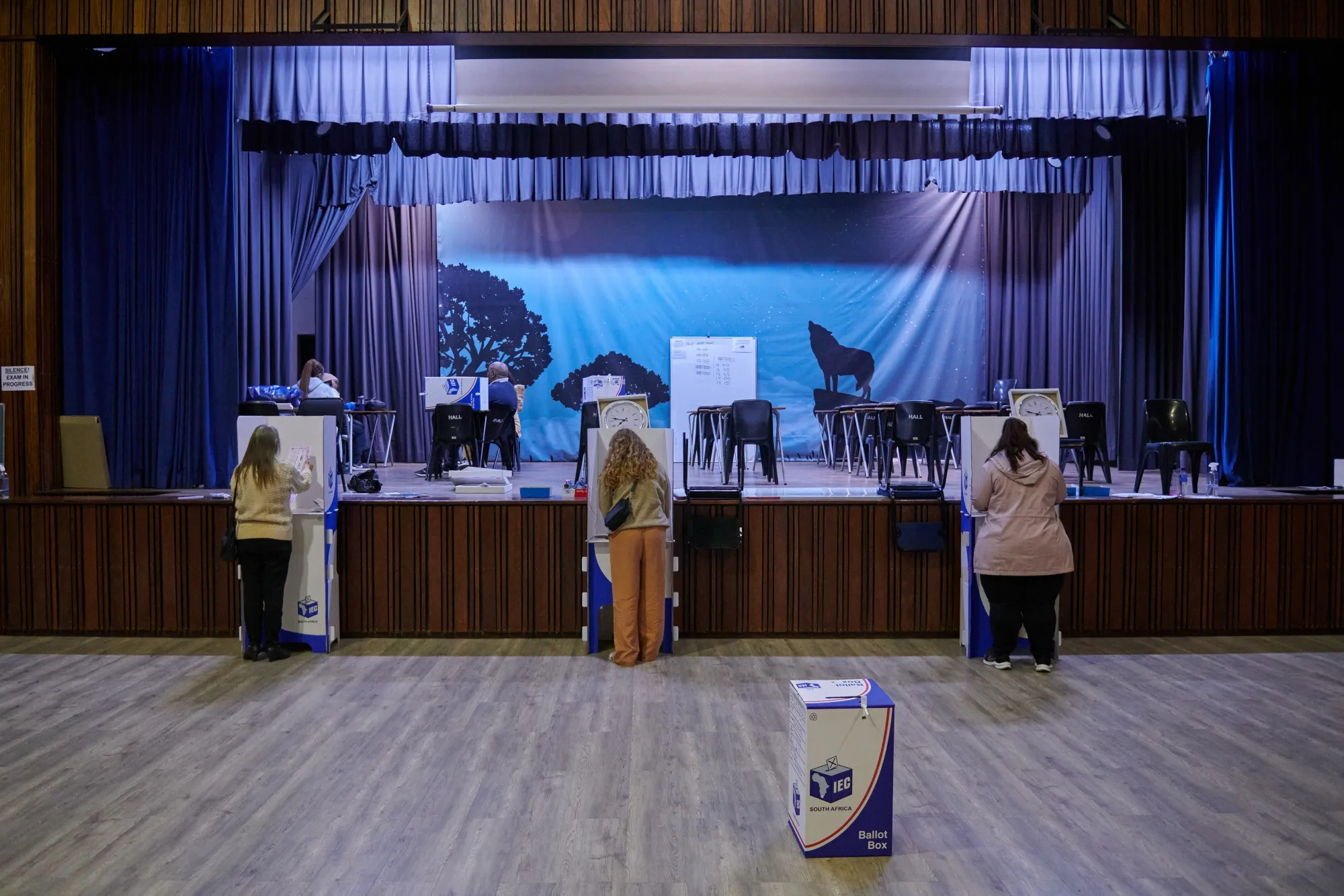
Sy Mamabolo, head of the electoral panel, describes the situation as regrettable, given that councilors look after bread-and-butter issues that affect families. They include the provision of water and electricity — services that many South African municipalities struggle to provide consistently.
Another concern for Mamabolo is that more than 10 million people who are eligible to vote haven’t registered to cast ballots on Nov. 4.
The electoral commission is trying to encourage that mostly youthful contingent to exercise their rights by enabling them to sign up using WhatsApp for the first time. They can register online for free, he says, because they tell us their data is “for Instagram.”
To be sure, women have made strides in South African politics, filling about two-fifths of the posts in the national cabinet. The country has never had a female president, though, and most of those who occupy senior posts are way older than the average age of 29.
The fact South Africa holds regular elections widely perceived as credible is an achievement in itself, given that voting elsewhere on the continent has all too often become a mere formality and outcomes are tainted by rigging.
Yet it still has some way to go before its legislatures are truly representative.
What Everyone’s Reading
World trade is facing its sternest test in decades and must reimagine supply lines to guarantee resilience in the face of an increasingly fragmented globe, according to the head of the World Trade Organization. “We are seeing disruptions to trade, emerging fragmentation, in a way we’ve not seen since really 80 years,” Ngozi Okonjo-Iweala, a former Nigerian finance minister, says in an interview.
Kenya’s central bank kept interest rates unchanged as policymakers took a wait-and-see approach to assessing the impact energy shocks from the Iran war will have on the economy and inflation. Separately, its government plans to use emergency financing from the World Bank to provide subsidized fertilizer and seeds to farmers, supply clean water and boost stocks of essential medicines.
The US issued a security alert for Ethiopia, warning citizens to reconsider travel to the Horn of Africa nation as tensions with neighboring Eritrea escalate. The embassy in Addis Ababa advised Americans to avoid the Amhara, Tigray and Afar regions. Concerns are mounting that conflict will erupt between Ethiopia and its neighbor following reports of Eritrean troops crossing into Tigray.
South Africa intends to establish a commission to coordinate the work of its state-owned firms after shelving plans to place them under a holding company. The panel will ensure the government exercises ownership of the entities in a coherent way, and facilitate their restructuring and rationalization, says Maropene Ramokgopa, a minister in the Presidency.
Madagascar’s government gave the country’s power and water company permission to flout tender procedures and buy diesel generators directly from a Russian firm as ties between the island and Moscow strengthen. A decree allows the utility known as Jirama to purchase 18 generators directly from a company it identifies as Russia’s Malmekhservice.
South Africa Antitrust Body Seeks to Revoke Premier-RFG DealGold Body Accused of Enabling Deaths at Tanzanian Mine
Quote of the Week
“Putting out small fires isn’t possible. And you end up with massive fires everywhere.” Trish Newport Emergency program manager at Médecins Sans Frontières She was commenting on the challenge of tackling the Ebola outbreak in the Democratic Republic of Congo.
Last Word
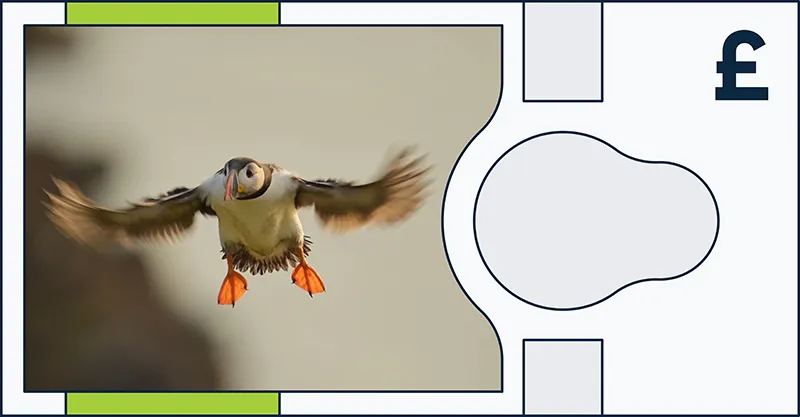
Historical figures including the UK’s wartime leader Winston Churchill will be replaced on the country’s banknotes by images of an Atlantic puffin, a barn owl, a buff-tailed bumblebee and a European hedgehog, the Bank of England says. The decision to introduce the animals drew criticism earlier in the year, particularly from right-leaning politicians. That’s despite nature having emerged as the most popular theme in a public consultation the central bank held on refreshing its money last year.
We’ll be back in your inbox with another edition tomorrow. Send any feedback to nextafrica@bloomberg.net.
More From Bloomberg
Enjoying Next Africa? You might also like:
Businessweek Daily for fresh perspectives on business, economics, politics and techMarkets Daily for what’s moving in stocks, bonds, FX and commoditiesBalance of Power for the latest political news and analysis from around the globeBloomberg Money for insights, ideas and tools for doing more with your moneyAI Today for a chronicle of the disruptions and threats of AI on businesses, workers, finance and economies

 点赞
点赞 收藏
收藏 点踩
点踩 分享
分享