Bankers From Credit Suisse, BofA Are In the Running for Brazil Finance Role

Credit Suisse’s former head of investment banking in Brazil. The chief economist at Latin America’s largest investment bank. The ex-head of the central bank. A senior executive at Bank of America Corp.
They’re Marcelo Kayath, Mansueto Almeida, Roberto Campos Neto and Alexandre Bettamio, who have emerged as the most prominent names floated to manage Latin America’s biggest economy should Flávio Bolsonaro win Brazil’s presidential runoff later this month. That’s according to people familiar with the matter within the campaign and in Brazil’s financial circles, all of whom asked not to be identified discussing confidential conversations.
That level of talent marks a dramatic shift from the beginning months of Bolsonaro’s campaign, when his most prominent economic ally was Daniella Marques, a former executive at Brazil’s largest mortgage lender.
Back then, the prospects of a Bolsonaro victory looked dim, in part because his father — Jair — was convicted of attempting a coup after losing the 2022 election. Much of the country’s business and finance elite further distanced themselves from Flávio Bolsonaro after he failed to impress investors and was linked to the banker at the center of a massive fraud scandal.
Now, the dynamic has flipped. Bolsonaro surprisingly finished ahead of the incumbent, leftist Luiz Inácio Lula da Silva, in the first round of voting Oct. 4, fueling a rally in Brazilian assets. That result has given him something he lacked for much of the campaign: a plethora of well regarded finance mavens who could potentially join his team.
“It’s not a surprise that Bolsonaro pulls more high profile figures to his side as his odds of rising to power increase,” said Adriana Dupita, the deputy chief emerging markets economist for Bloomberg Economics. “A high-profile, market-fluent name for finance minister could go a long way in fueling the market rally, should Bolsonaro win.”
But “what Bolsonaro is lacking the most is a feasible and sensible set of ideas to deliver the fiscal adjustment that markets expect,” Dupita added. “For that, it’d be better to have someone not only with good connections in the market, but also knowledge of how the public sector and policies work, and how Congress operates.”
Read More: Brazil Market Euphoria Hinges on Fixes Bolsonaro Hasn’t Laid Out
Whoever ultimately takes the job stands to inherit a difficult fiscal picture. Brazil’s budget deficit is running at almost 10% of gross domestic product, and persistent fiscal concerns have helped keep borrowing costs elevated even as the central bank gradually lowers its benchmark interest rate. Bolsonaro has pledged to curb spending, reduce bureaucracy and cut taxes, but has yet to provide a detailed plan showing how he would stabilize Brazil’s debt.
Business leaders’ sudden interest in Bolsonaro has echoes of the ways US executives treated Donald Trump. In the days and weeks after Trump supporters rioted at the US Capitol in January 2021 to try to overturn his election defeat, corporate America widely disavowed him and cut financial ties with his allies. But by the time Trump won a second term in November 2024, business leaders hopeful at the prospects of corporate tax cuts and deregulation were cozying up to Trump again.
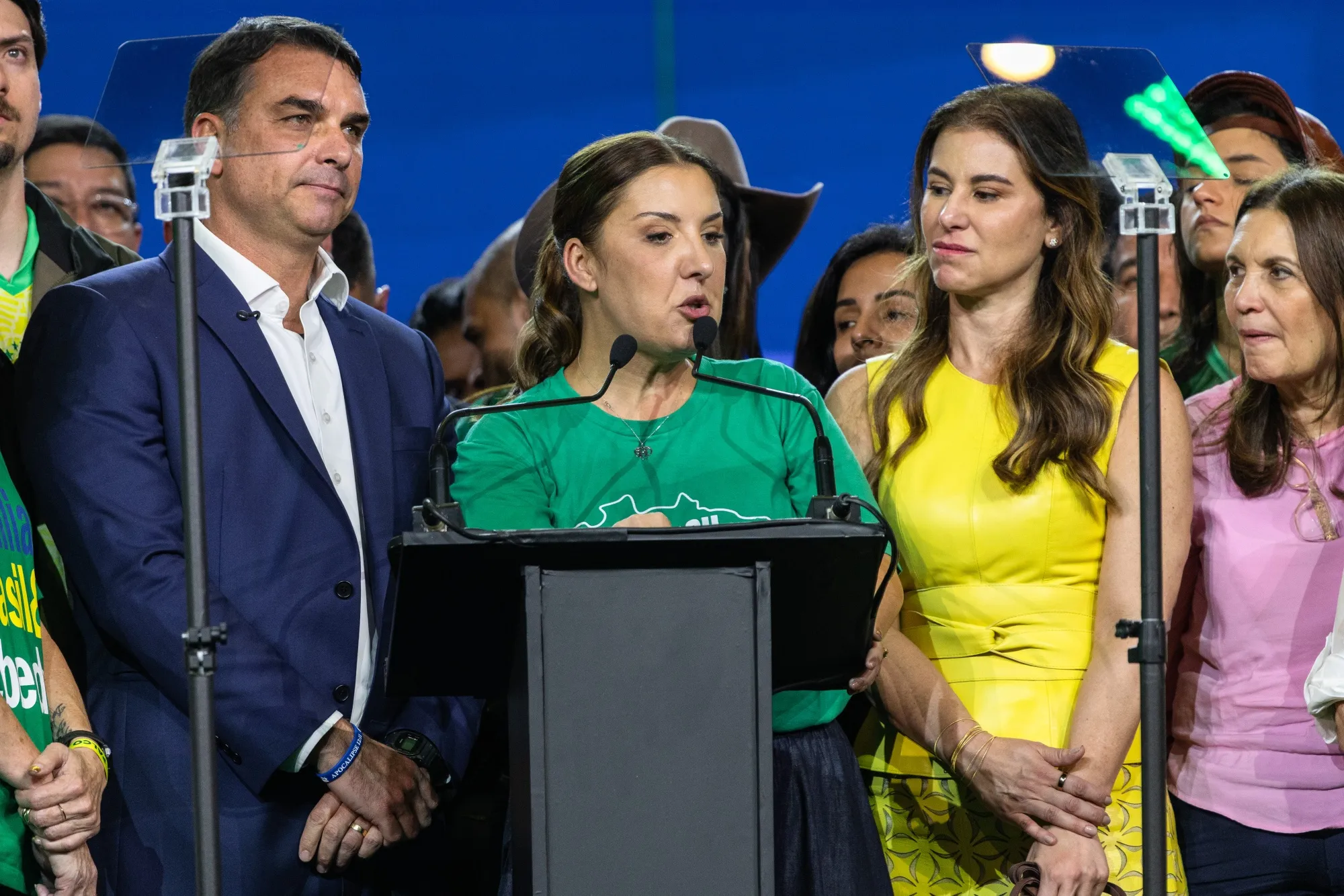
In Brazil, Bolsonaro relied on one main economic adviser in the early days of his campaign: Marques. The former president of state-owned lender Caixa Econômica Federal, she volunteered to help Bolsonaro when his candidacy was struggling to gain credibility, taking a leave of absence from asset manager Legend. She quickly became the face of Bolsonaro’s economic program and his main interlocutor with financial markets.
At the time, Bolsonaro was facing questions about who he could recruit to run economic policy, and she seemed like a solid candidate. Marques, 46, could still become finance minister, but with new contenders in the running, she’s now under consideration for other positions, according to people familiar with the matter.
Here’s a quick look at the top candidates to be finance minister under Flávio Bolsonaro:
Marcelo Kayath
Kayath, 62, the former head of Credit Suisse in Brazil and now a partner at asset manager QMS, is favored by some business leaders for the post. Executives have been speaking with him as they try to understand the contours of a potential Bolsonaro administration, according to people familiar with the matter. He would bring decades of financial market experience to the job. He has argued that Brazil’s next government needs to curb mandatory spending and stabilize public debt.
One wrinkle in his candidacy is that he publicly backed Lula in the 2022 presidential election, and in 2023 he was considered for a seat on Brazil’s central bank board amid his close relationship with then-Finance Minister Fernando Haddad. It’s unclear how that may affect his reputation among Bolsonaro’s advisers. Outside finance, Kayath is an internationally acclaimed classical guitarist.
Kayath didn’t reply to a request for comment.
Mansueto Almeida
Almeida, a 59-year-old former Treasury secretary, is widely regarded as one of Brazil’s leading experts on fiscal policy and public finances. He served in the government of Jair Bolsonaro and helped advance efforts to rein in government spending and overhaul the pension system before leaving public service in 2020. He is now the chief economist at BTG Pactual.
BTG and Almeida didn’t respond to requests for comment.
Roberto Campos Neto
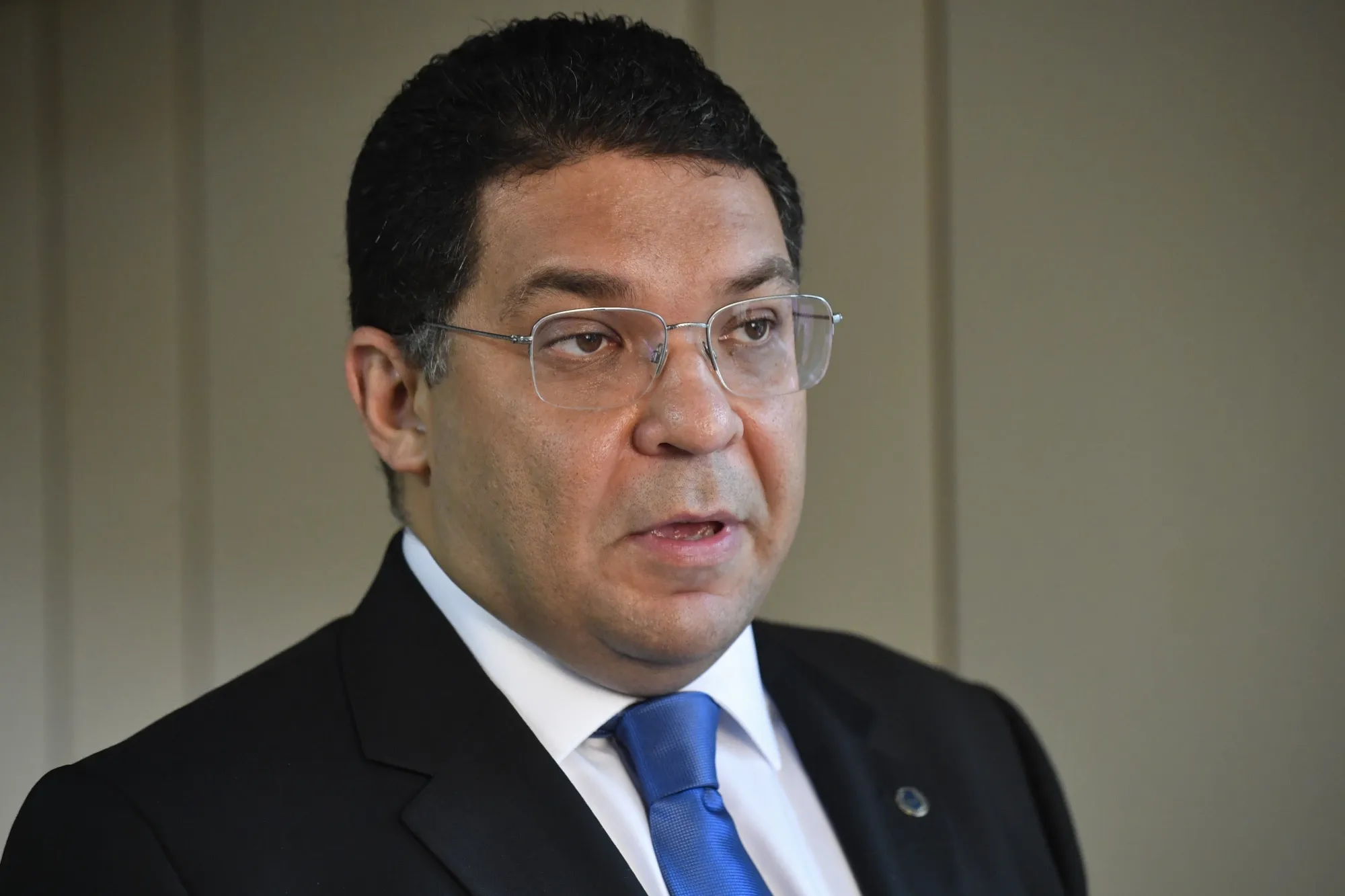
Campos Neto, 57, led Brazil’s central bank from 2019 through the end of 2024 after being appointed by Jair Bolsonaro. Before that, he spent roughly two decades at Banco Santander Brasil SA. Now vice chairman and global head of public policy at Nubank, his experience is concentrated in monetary policy, banking and financial markets rather than fiscal policy.
His central bank tenure was marked by efforts to increase competition in the banking industry, as well as initiatives including the Pix instant-payment system that helped expand the role of fintechs in Brazil.
Campos Neto didn’t reply to a request for comment.
Alexandre Bettamio
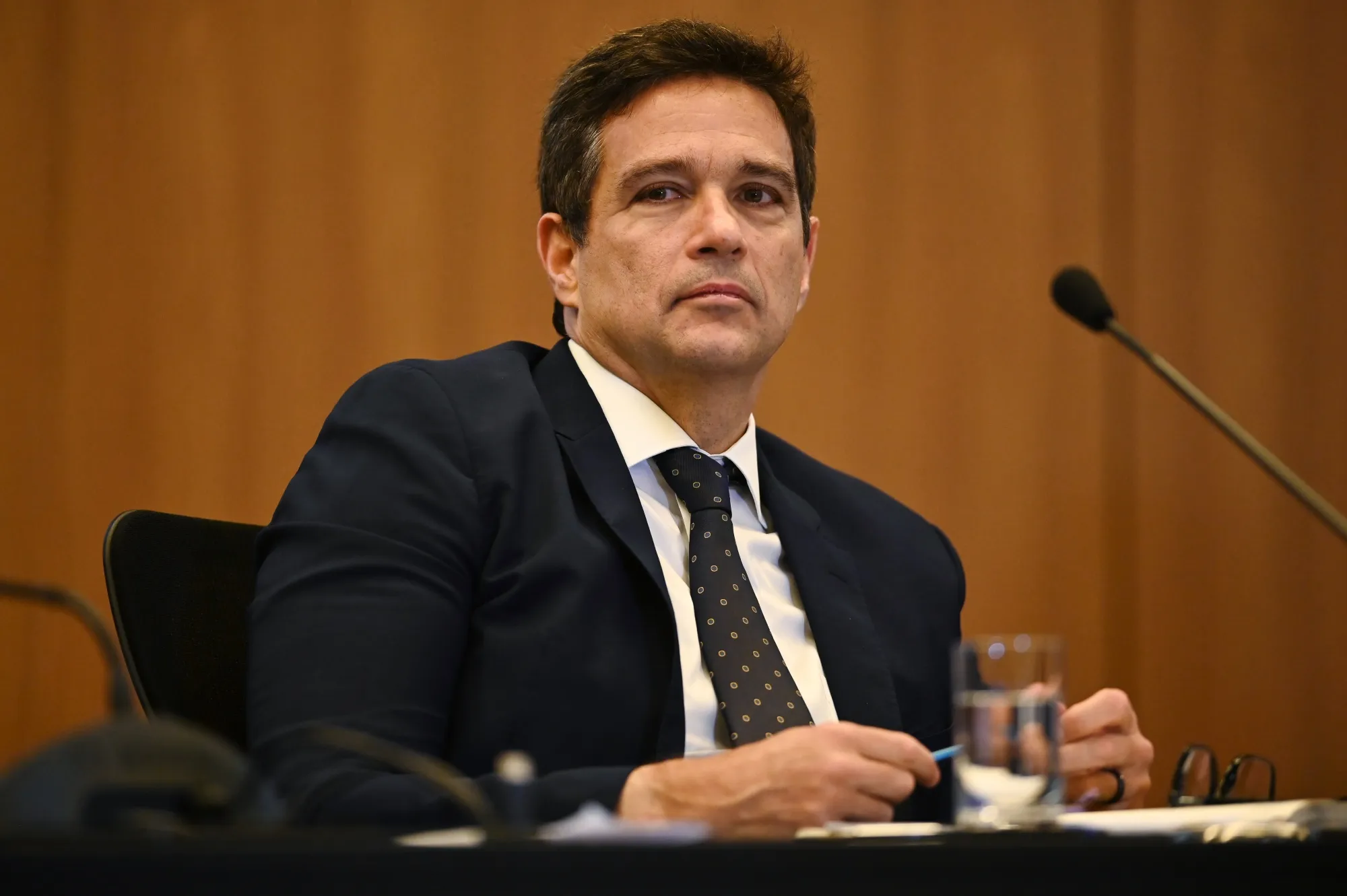
Bettamio, Bank of America’s co-chair of global corporate and investment banking, has deep ties to Brazil’s corporate and financial establishment and was recently considered for the top job at stock-exchange operator B3 SA. He built much of his career advising companies on major transactions and capital-markets offerings and has advocated market-oriented economic policies. He’s never held a job in government. Bank of America declined to comment.

No Decision
To be sure, no decision has been made and other candidates could emerge in the days and week ahead. The campaign didn’t reply to a request for comment. Campaign manager Senator Rogério Marinho has indicated that major personnel announcements are unlikely at this stage.
Bolsonaro is now considered a heavy favorite to win the presidency. Although Lula is known for improbable political comebacks, no candidate who finished second in the initial round of voting has won a runoff since Brazil returned to democratic elections in 1989.
The leftist is now fighting to broaden his appeal, and is considering naming Vice President Geraldo Alckmin — a centrist politician that markets cheered when he ran for the top job in 2018 — as his finance minister if he wins reelection, Reuters reported this week.
For now, bankers in Sao Paulo and hedge-fund managers in Rio de Janeiro are focused on who Bolsonaro might pick for his team and what that person’s plan will be to shore up the country’s finances.
“Any eventual president will be much more concerned about the political implications than about carrying out a very severe economic adjustment,” said Nelson Marconi, an economics professor at Fundação Getulio Vargas. “There will be very strong pressure from the market, but it will take some time before they agree on what to do.”

 点赞
点赞 收藏
收藏 点踩
点踩 分享
分享