RBA Warns AI Slump Could Hit Australian Households

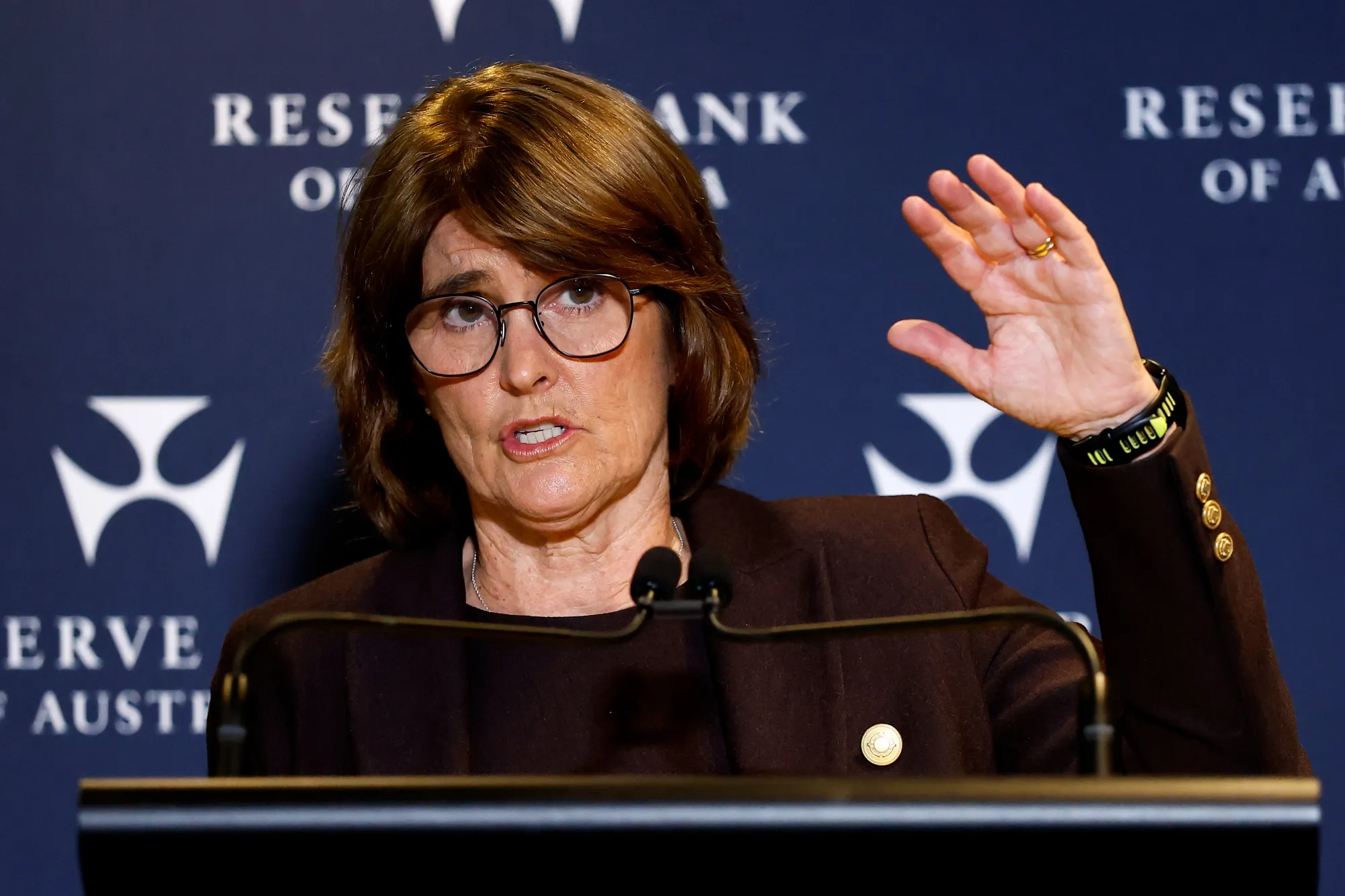
Australia’s central bank is increasing its focus on the nation’s growing financial exposure to artificial intelligence as households boost their overseas equity holdings, particularly in the US, according to Reserve Bank documents reviewed by Bloomberg.
With more than one in 20 households exposed to AI stocks, and those equities seeing significant volatility, the RBA is getting nervous about the potential fallout for the local economy and financial stability if AI-related shares correct sharply.
The RBA reckons a 20% drop in AI stocks would eventually cut local consumption by 0.7%. If that slump spilled over into other equities, the hit could be as high as 2.4%, according to a research paper.
It’s a sobering reminder of AI’s double-edged promise: a potential new engine of wealth and economic growth, but also a growing source of risk for markets, governments and the broader economy.
Australia got a taste of that other side of AI in Sydney on Tuesday. OpenAI officials again apologized for the company’s AI models breaching Australian government websites, telling a parliamentary panel they were working to prevent a repeat — and would respond faster if it happened again.
So while investors are busy wondering whether the AI boom can keep making them richer, policymakers are increasingly thinking about what happens when the technology goes wrong. — Michael Heath
What’s happening now
Investors are growing wary of Firmus’ blockbuster Australian IPO, as concerns that a flood of existing shares could hit the market soon after its debut add to unease over the deal’s lofty valuation. The data center operator priced its IPO at A$11 a share, valuing it at about A$43.7 billion, but just 42.4% of existing shares will be locked up under escrow agreements — leaving almost 58% free to trade when Firmus lists later this month.Higher global bond yields will put pressure on the Australian budget as the widespread selloff pushes debt refinancing costs higher, Australian Treasurer Jim Chalmers warned. “Right around the world, including in Australia, these higher borrowing costs will play out in our budgets,” Chalmers told Bloomberg Television.AustralianSuper plans to double its private equity exposure in Asia, betting that improving dealmaking conditions in India and Japan will offer big opportunities. Asia currently accounts for about 10% of the A$430 billion fund’s private equity portfolio, a share that could double over the next three to five years as the region’s relatively underdeveloped private markets mature.
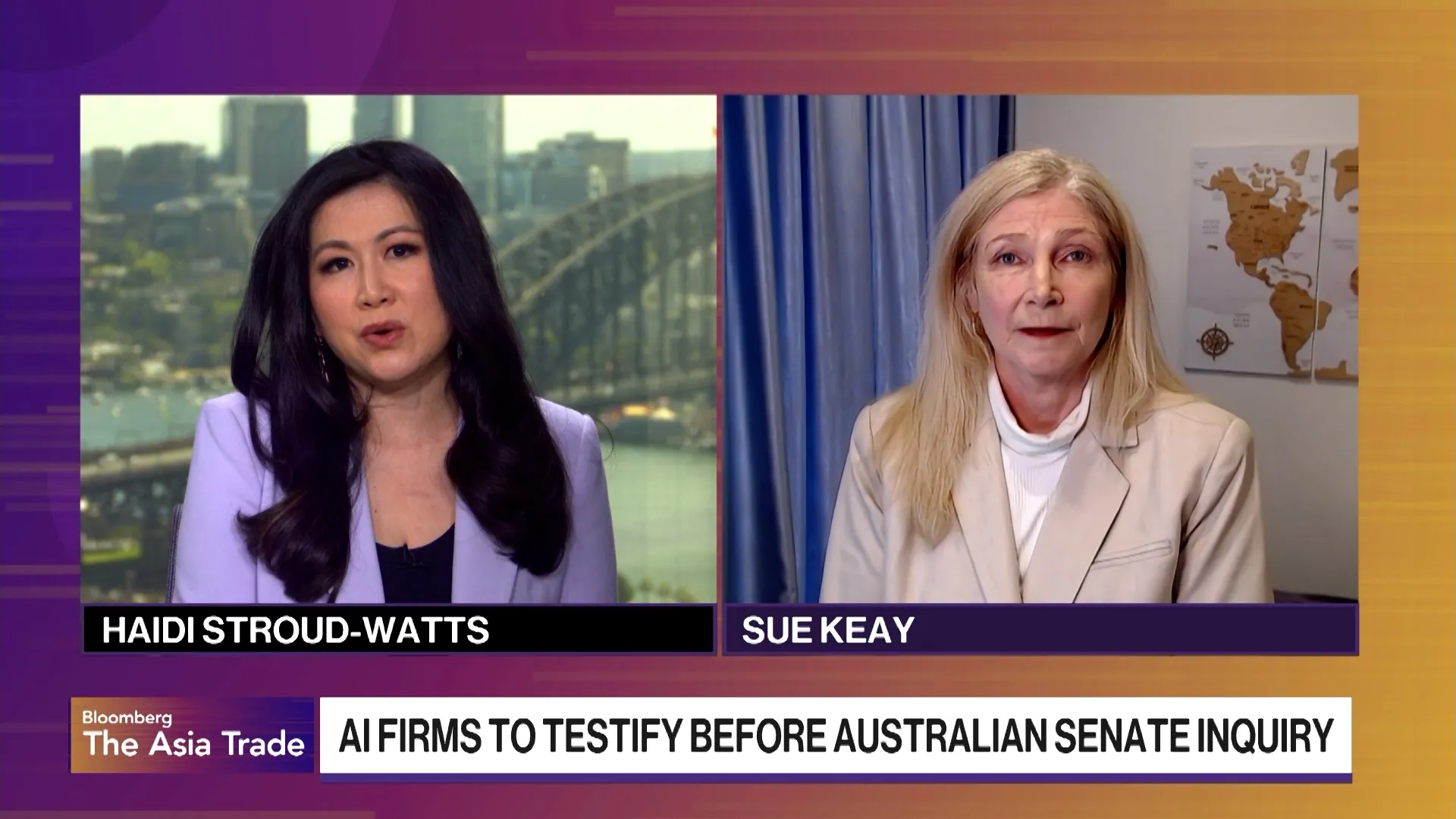
As Australia steps up its aforementioned scrutiny of AI, Sue Keay, director of the AI Institute at the University of New South Wales, joins “Bloomberg: The Asia Trade” to discuss safety concerns, regulation and whether the country risks missing out on the technology’s benefits.
New Zealand’s golden visa investors could help fund a NZ$400 million cable car network aimed at easing Queenstown’s traffic gridlock. Southern Infrastructure has secured NZ$265 million from a fund managing money from wealthy foreign investors for the proposed 10-kilometer network linking the airport and town center.
A decade ago, a wind storm in South Australia caused a blackout, leading commentators to falsely conclude that clean energy was to blame. Since then, the state’s energy transition has been successful, with renewables now providing three-quarters of the total electricity generation and on track to hit 100% next year. It’s been a mundane transition, writes Bloomberg Opinion columnist David Fickling.

What happened overnight
Just a week ahead of the US earnings season, the S&P 500 notched its first record since August. An advance in AI-related shares also buoyed sentiment, with Nvidia’s market value approaching $6 trillion. Advanced Micro Devices’ Lisa Su predicted “very high” chip demand over the next few years. Treasury 10-year yields fell from the highest since 2002. Analysts expect a roughly 25% increase in third-quarter S&P 500 profits from a year earlier.
DeepSeek is drawing a flood of cash ahead of a planned 2027 IPO, with its latest funding round set to blow past its original target. The China-based AI firm secured commitments of at least US$12 billion, including from CATL and Tencent, and the final haul could be much bigger.
Germany’s far-right AfD broke another political milestone by taking control of Saxony-Anhalt’s top parliamentary job, just a month after its landslide state election victory. Tobias Rausch secured 48 votes — nine more than the AfD holds — giving the party its first state parliament presidency as it pushes to take control of a regional government.
Iran has increased the pace of attacks on tankers in the Strait of Hormuz in recent days, with UK Maritime Trade Operations reporting nine attacks this month. It comes just as oil shipments through the world’s most important energy chokepoint approach prewar levels.
One more thing...
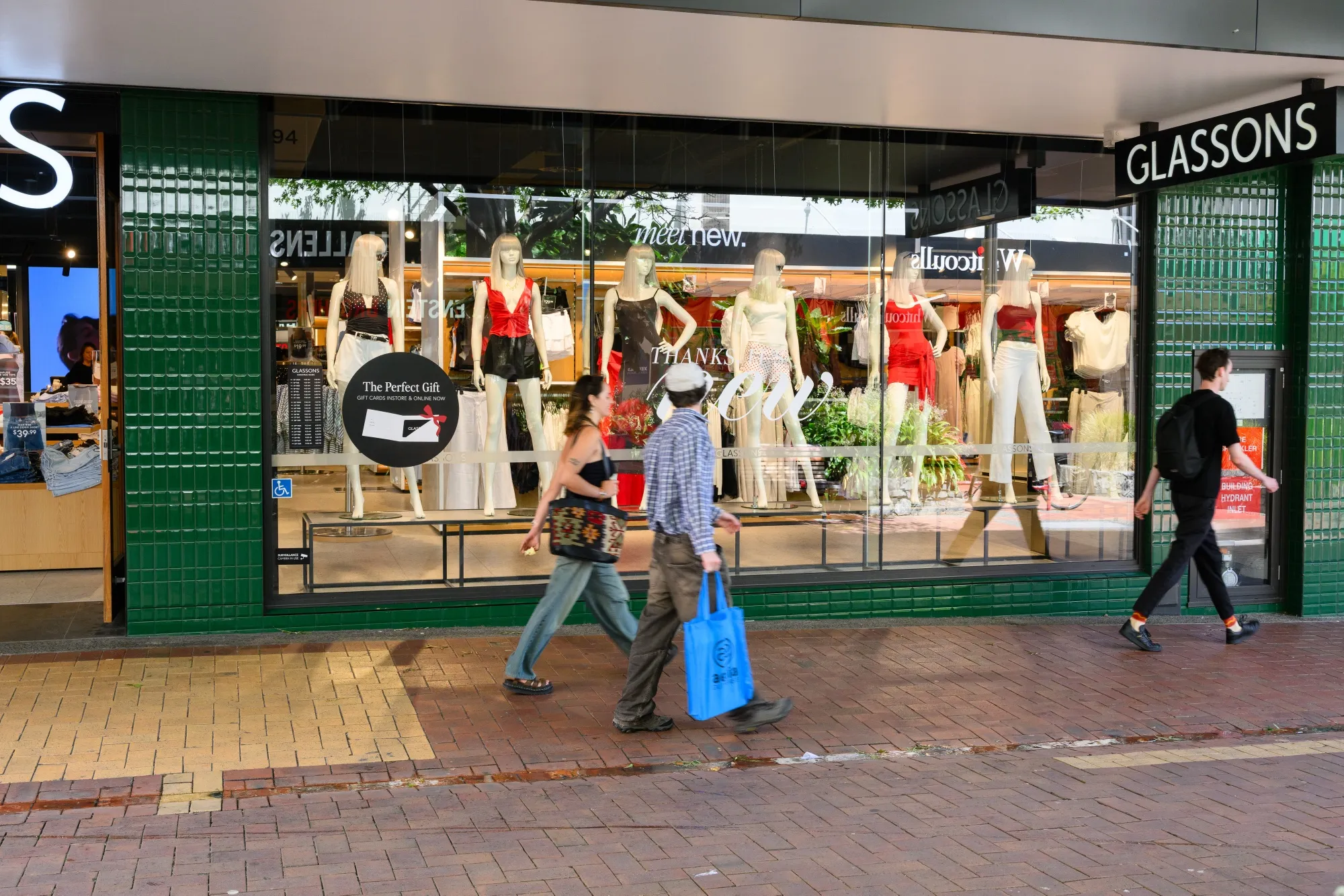
Shares of New Zealand firm Hallenstein Glasson Holdings are climbing. That’s thanks in part to mall-loving teens who are helping the fast-fashion company defy consumer gloom at home and in Australia, part of the “mallmaxxing” trend where Gen Z shoppers treat malls as places to socialize and detox from the digital world.
While the retail sector in both countries is struggling, Hallenstein Glasson’s youth-centric, budget-friendly brands are expanding their physical footprint and upgrading stores as sales boom. Its Wellington-listed stock has jumped 57% over the past year, topping New Zealand’s benchmark.
MORE: Explore live streaming news and interviews, documentaries, reporter analysis and more, all in one place. Check out Bloomberg.com/videos.
Enjoying Australia Briefing? You might also like:
AI Today for a chronicle of the disruptions and threats of AI on businesses, workers, governments and economies with analysis from Bloomberg’s global newsroom Next Japan for an inside view of the forces reshaping Japan, and what’s next for its businesses, markets and consumersNext China for dispatches from within the world’s second-largest economy on where China stands now — and where it’s going nextMarkets Daily India for key news and movers in this fast-growing market before the trading day startsMarkets Daily for what’s moving in stocks, bonds, FX and commoditiesExplore all Bloomberg newsletters at Bloomberg.com.

 点赞
点赞 收藏
收藏 点踩
点踩 分享
分享