Sánchez Targets Toughest Comeback Yet With Early Spain Election

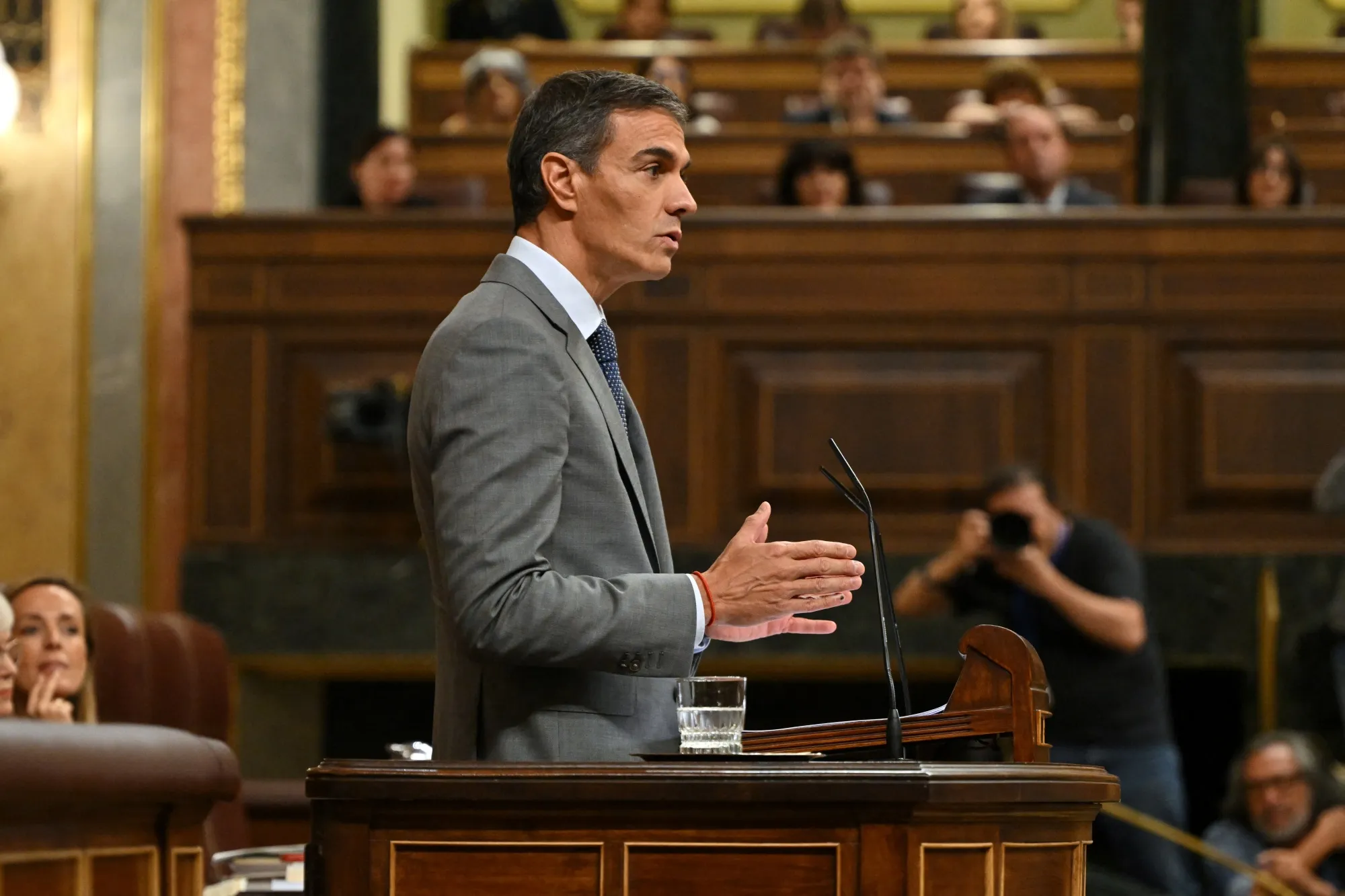
Spanish Prime Minister Pedro Sánchez has a history of proving his critics wrong. But his decision Monday to call a snap election in the midst of a housing affordability crisis may be his most precarious political move to date.
The 54-year-old Socialist premier is seeking to tap into the anger sweeping the nation over the real estate issue and punish the opposition that voted against two of his bills last week meant to alleviate the situation.
Polls point to a heavy defeat for Sánchez, who’s been in office with a minority government since 2018 and hasn’t been able to pass a budget since 2022. He managed to outperform polls in 2023 that showed an alliance between the center and far right winning, but this time may be different.
“The left is starting from a lower base,” according to a note from advisory firm Teneo on Monday. “Making a comeback less likely.”
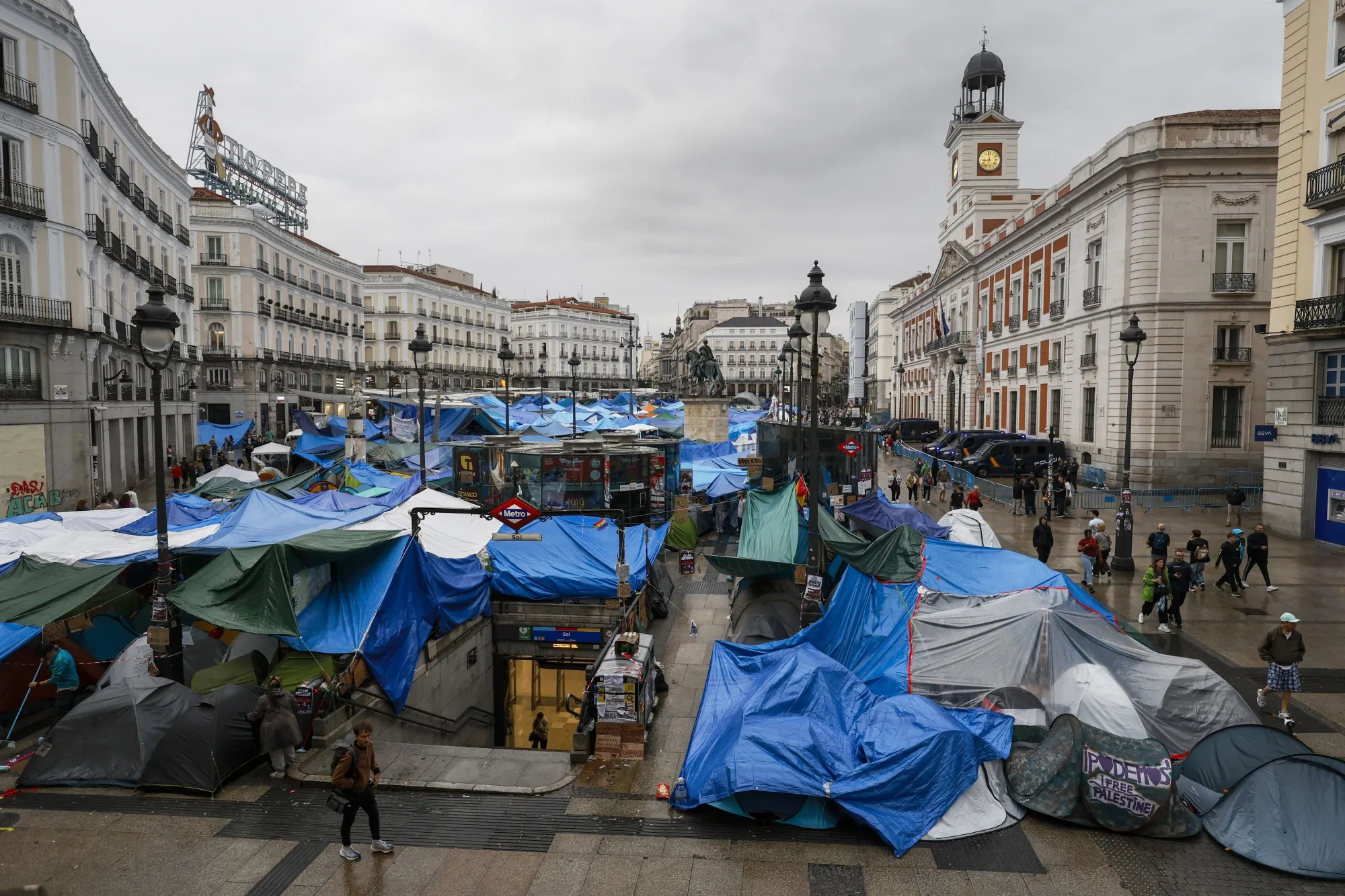
Sánchez made the decision to call a snap ballot after parliament on Friday rejected his emergency plan to intervene in the housing market, amid demonstrations across Spain and even a protest encampment in central Madrid.
The government sought to ban evictions such as that of Maricarmen Abascal, an 87-year-old woman forced from her home after she was unable to afford a rent increase. The plan also would have frozen rent prices, extended tenants’ contracts and introduced new tax incentives.
Housing has been Spaniards’ top concern for months, but Sánchez has repeatedly said he wanted to serve out the full parliamentary term. The dramatic eviction and the defeat of his measures have given Sánchez a chance to put one of his favorite political maxims into practice: making a virtue of necessity.
“We must mobilize and ensure that parliament gives us a much broader, progressive majority with which to defeat the elites, secure new social gains and continue transforming Spain,” Sánchez said in a Monday address to the nation.
Sánchez has a record of wrong-footing opponents by seizing on pivotal moments. In 2018, he became the first Spanish prime minister to take office through a no-confidence vote. In 2023, he defied those who had written him off, including most polls, and remained in power after striking complex agreements with more than eight parties.
Now Sánchez is trying to do it again. But his political position has deteriorated. The center-right People’s Party has led recent polls, garnering 31.6% support in a 40dB poll conducted Sept. 25-28 with 2,000 respondents. The PP’s leader, Alberto Núñez Feijóo, has indicated his party could govern with the radical-right Vox, which had 18.4% in the survey. Sánchez’s Socialists polled at 27.4%.
“Finally!” Feijóo said after learning of the snap election he had been calling for for months. Convinced that his moment has arrived, Feijóo urged his supporters to remain mobilized to ensure that, this time, the polls translate into reality.
“The right is going to seek a plebiscite on Sánchez and issues such as migration to mobilize voters,” Pablo Simón, a political scientist at Carlos III University in Madrid, said in an interview. “The left will seek to warn of the risks to social issues or housing if the right and the far right govern.”
Sánchez’s government has faced multiple crises, including the arrival this summer of 80,000 migrants in Ceuta, the Spanish exclave in Africa, helping make migration one of the central issues in Spanish politics.
On top of those problems, Sánchez faces corruption cases affecting his party, including the conviction of one of his associates, as well as cases involving his family, with his brother barred from public office and his wife sent to trial.
What Bloomberg Economics Says...“The near-term economic impact should be limited. Spain was already mired in policy paralysis.”—Antonio Barroso and Ana Andrade. For full REACT, click here
Former Prime Minister José Luis Rodríguez Zapatero, a close Sánchez ally, has also become embroiled in another corruption case involving the gift of jewelry valued at €1.3 million while he was prime minister.
“If the left wants to regain ground, it has to talk about housing, social rights and the welfare state. Only then will it be able to energize the 1.5 million voters from 2023 who now say they won’t vote for the Socialist Party or don’t know whether they will,” Cristina Monge, a political scientist at Complutense University in Madrid, said in an interview. “If the frame is Ceuta, migration, security or corruption, it will be very difficult for Sánchez to come back.”
The paradox for Sánchez, unlike other political leaders in Europe, is that he will head into the election with the fastest growth among the euro area’s major economies, unemployment at its lowest since the financial crisis, and debt and the deficit under control.
“Over the past three years, our country has become the fastest-growing economy and the biggest job creator in the European Union,” Sánchez said. “We’re going to give it everything we’ve got. We’ll work tirelessly to earn your trust.”

 点赞
点赞 收藏
收藏 点踩
点踩 分享
分享