Why Oil Is Still Stuck Near $100 a Barrel

Hundred-dollar oil is hard to leave behind.
The amount of crude flowing from the Middle East has almost returned to levels last seen before the US attacked Iran, triggering one of the biggest supply disruptions in history. But global prices remain stuck above $100, roughly 40% higher than when the conflict began. They’re sending shock waves through the global economy, feeding inflation and squeezing industries and consumers alike.
Even Friday’s announcement that the Group of Seven nations and its partners would release as much as 100 million barrels of emergency oil and diesel stocks couldn’t bring prices down. Instead, a confluence of problems is keeping them high.
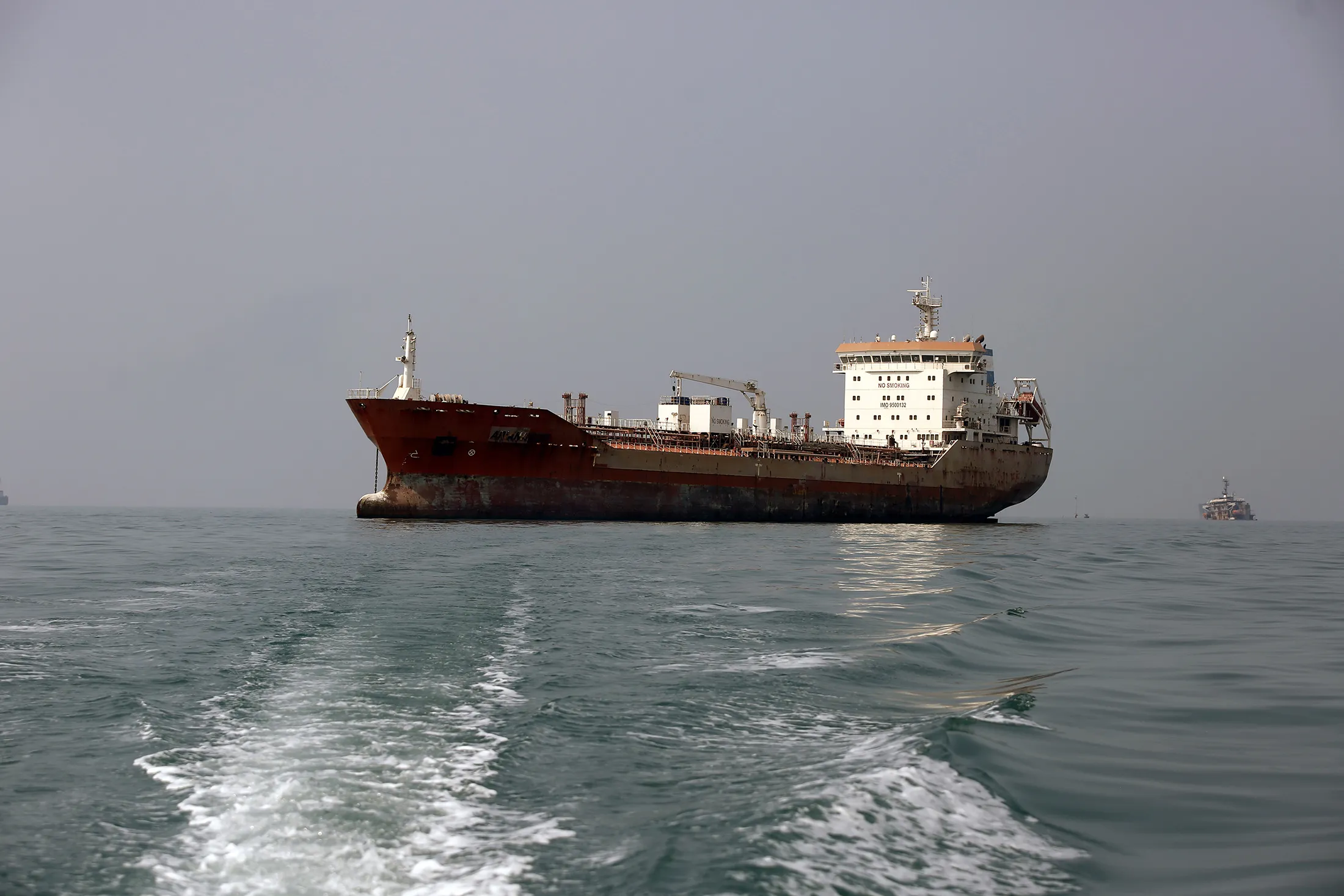
Traders fear the unresolved war could reignite at any time, particularly now that the US is deploying an additional aircraft carrier and more troops to the Persian Gulf. Even the current stalemate carries risks, with Iran attacking some ships as it tries to control the Strait of Hormuz.
At the same time, oil inventories worldwide have been heavily depleted, now sitting at their lowest point in five years. Russia’s ongoing war with Ukraine has blocked exports from many refineries that turn crude into finished fuels, so refineries elsewhere are willing to pay top dollar to lock in the oil supplies they need to run nonstop.
And the sheer difficulty of moving oil out of a war zone via different shipping routes adds its own costs.
“We’ve lost supply, drawn down inventories and disrupted the ability to turn crude into products like diesel. Getting the oil moving again doesn’t instantly fix any of that.” said Haris Khurshid, chief investment officer at Chicago-based Karobaar Capital LP.
Here are five reasons why crude prices remain above $100.
Fear Factor
The market remains concerned fighting could escalate. The US and Iran are far apart on their demands for ending the war, and while they haven’t returned to the all-out hostilities seen this spring, they have at times traded blows. Last month, a drone attack on Saudi Arabia’s East-West Pipeline brought the vital oil conduit to a halt, highlighting the ongoing risks.
Both Iran and the US are trying to control traffic through the strategic Strait of Hormuz, though which 20% of the world’s oil passed before the war. In addition, the Iran-backed Houthis in Yemen have declared a blockade of Saudi Arabian shipping in the Red Sea through the Bab el-Mandeb Strait, threatening another route for oil.
Read More: Three Oil Market Scenarios for a Reopening of Hormuz: BNEF
Transit Costs
While some ships are navigating those choke points, the disruption of normal traffic has boosted the cost of getting barrels to market.
Moving crude out of Hormuz still relies heavily on trans-strait shuttles, ship-to-ship transfers, and unconventional routes. Record tanker rates — more than $1.2 million a day to haul oil from the Persian Gulf to China — are only adding to the costs faced by consumers.
“The core issue is that a recovery in supply volume does not equal a full normalization of the supply system,” Xuyi Zhao, senior oil analyst at Guotai Junan Futures. “The market is pricing not only how much crude is being loaded, but also whether these barrels can be delivered safely, reliably, and at low cost.”
Inventory Hit
Even though oil shipments from the Middle East have been increasing, global inventories remain heavily depleted by the war. Stockpiles worldwide are currently around 4.3 billion barrels, a decline of more than 400 million barrels since March, the first full month of the war, according to data from Energy Aspects, a consulting firm.
Meanwhile, global oil demand has recovered, after taking an initial hit from high prices. Total demand now stands at about 104.8 million barrels a day, up 6.5 million barrels a day from its war-time low in May, Energy Aspects figures show.
Fuel Crisis
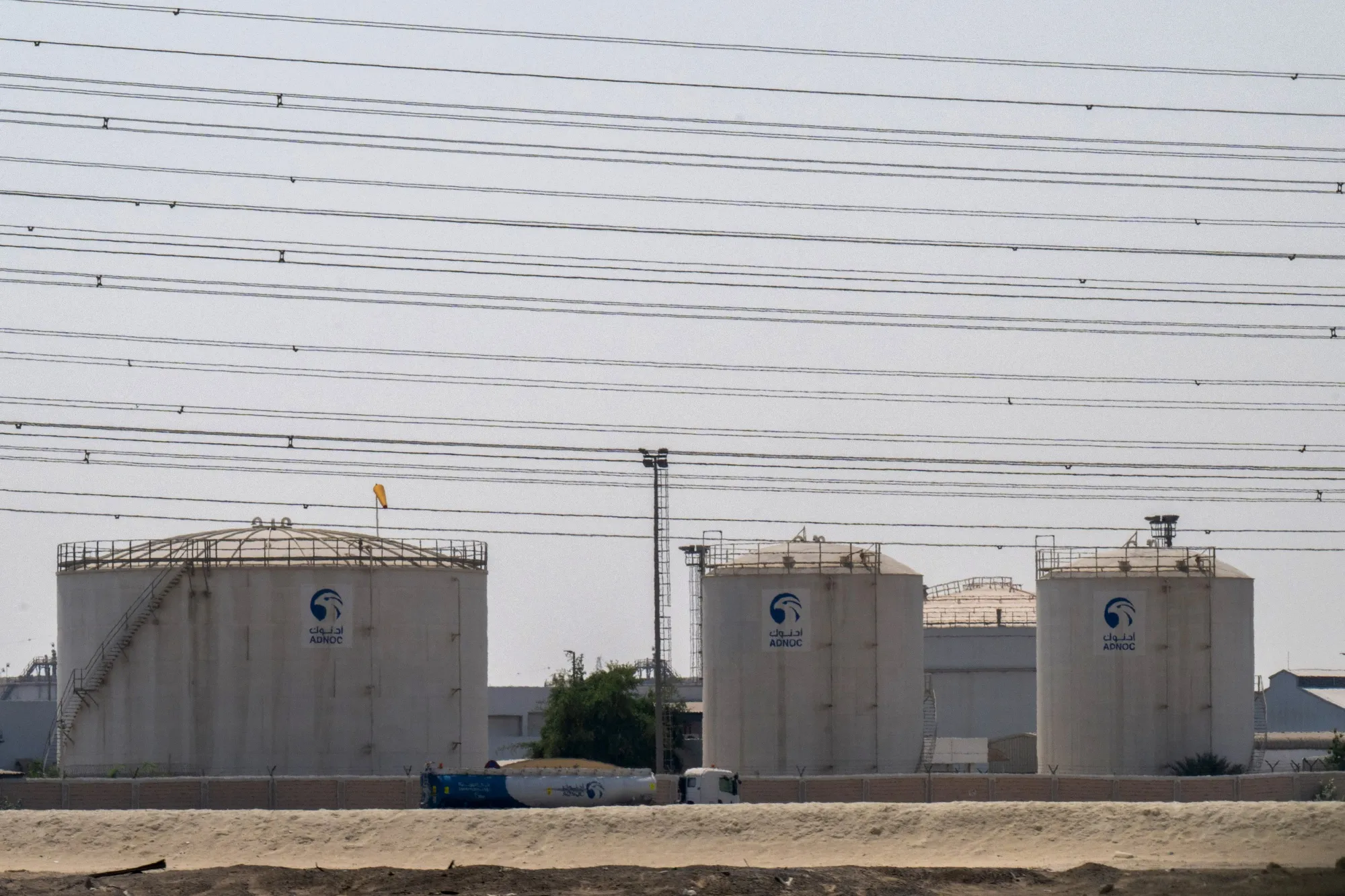
Crude flows returning doesn’t solve the global shortage of finished fuels, such as diesel. Exports from two of the world’s major refining hubs — the Middle East and Russia — remain curtailed.
As a result, refiners outside of those two regions are running hard to fill the gap, risking unplanned outages should their overworked equipment break down. They’re paying whatever they need to ensure a steady supply of crude.
Inflation Hedging
Central bankers across the globe have talked about rising fuel prices adding to inflationary pressures, potentially ultimately leading to higher interest rates. Traders say that with bond yields rising, oil markets are back in play as an inflation hedge, particularly in recent weeks. It isn’t physical demand for oil but could push up prices just the same.

 点赞
点赞 收藏
收藏 点踩
点踩 分享
分享