Global Diesel Crisis Boosts Petrobras’ Hot-Button Refining Plan

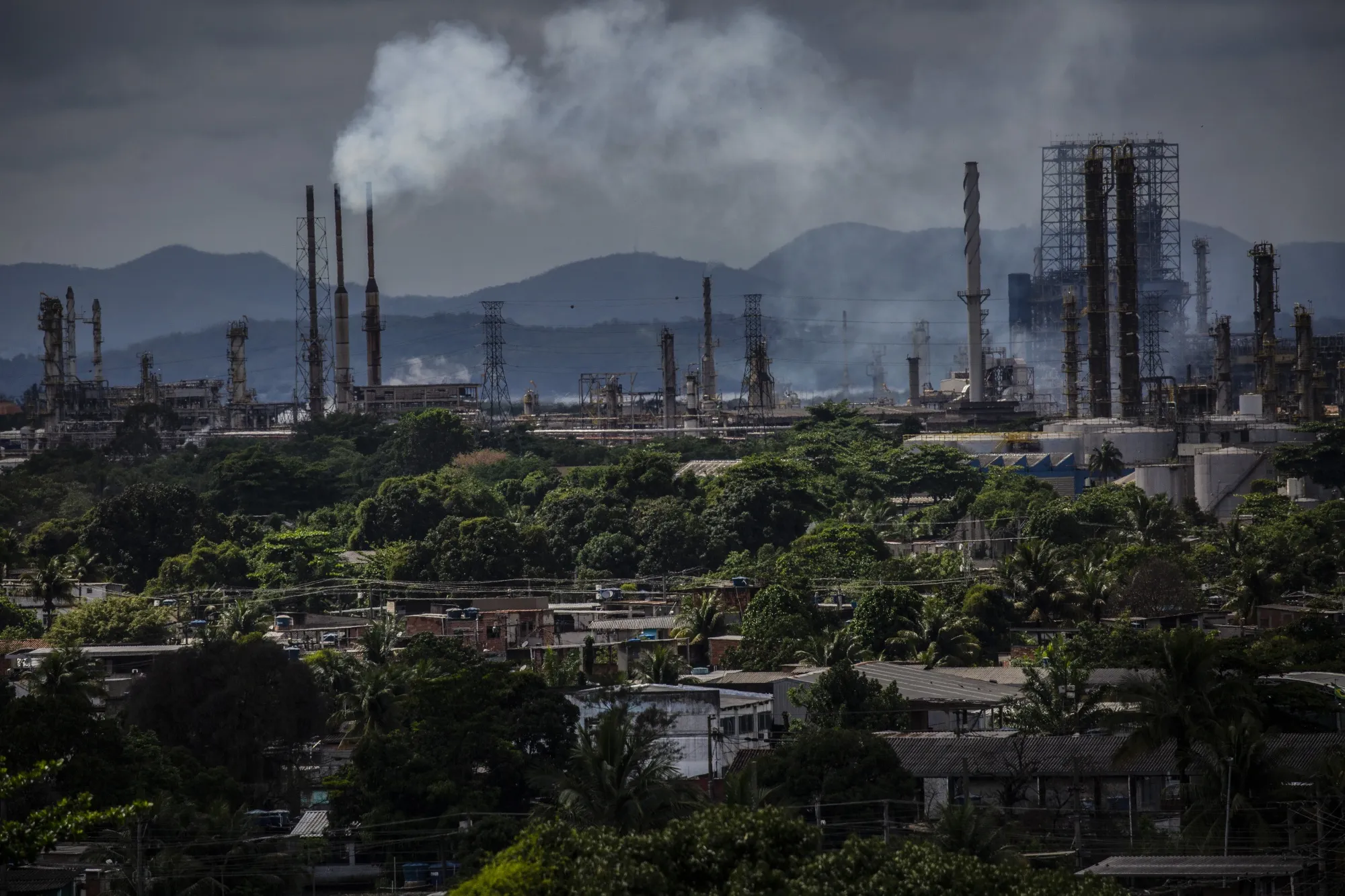
The worldwide diesel crunch is adding fresh momentum to Petrobras’ push to lift domestic fuel output, reviving the politically sensitive issue of energy self-reliance ahead of Sunday’s presidential election.
Brazil’s state-controlled oil giant is evaluating investments that would make Latin America’s largest economy 100% self sufficient in diesel. Although that approach is unpopular in some of the nation’s political and economic circles, war-driven disruptions such as Russia’s diesel-export ban have thrown fuel markets into disarray and sent prices soaring.
Concerns intensified in recent weeks as speculation mounted that US President Donald Trump might halt overseas sales of American diesel to control spiraling retail prices at home. Such a move would be disastrous for countries like Brazil that have grown more dependent on US cargoes in the wake of the Russian ban and the collapse of some Persian Gulf production amid the Iran conflict.
But what would constitute a simple business decision for many international oil companies isn’t so straightforward for an entity like Petrobras that ultimately answers to the politicians who run the country. The decision in large part hinges on who wins control of the Palácio do Planato in Sunday’s national vote.
Leftist President Luiz Inácio Lula da Silva has pledged to expand Petrobras’ refining capacity, but right-wing opposition candidate Flávio Bolsonaro leans more toward private investment in the economy. Bolsonaro campaign adviser Adriano Pires has criticized the notion of Petrobras adding more refineries.
“I think there are parts of Petrobras that could indeed be privatized, or have some other public-private partnership model, or even be divested, reducing the number of shares that the federal government holds, but that’s something we can’t say for sure right now,” Bolsonaro said during a June event in Sao Paulo.
Diesel prices are a hot topic in a country where roughly 30% of the working-age population is employed in farming or trucking. Petrobras covers about 70% of domestic diesel demand, with the rest sourced overseas.
“After the US-Iran war, we began studying options to make Brazil self-sufficient in diesel production, which will likely be confirmed in our 2027-2031 business plan,” Chief Executive Officer Magda Chambriard said during an oil industry conference in Rio de Janeiro late last month. She has repeatedly made that point to investors, customers and peers.
Petrobras didn’t respond to a request for comment.
The US supplied the equivalent of 80,400 barrels of diesel a day to Latin America’s biggest economy in the first eight months of this year, up 11% from a year earlier, according to calculations based on Brazilian Trade Ministry data. At the same time, US suppliers expanded their share of the Brazilian diesel market to almost 33% from 26%.
The shift came as supplies from Russia declined following a July ban on most exports as a wave of Ukrainian strikes damaged refineries and pummeled oil-processing rates to multiyear lows.
Trump initially said he was looking “very seriously” at implementing a ban earlier this week but on Friday said he never intended to actually do it. Those remarks came just hours after the Group of Seven agreed to participate in a 100 million-barrel release of emergency oil and diesel reserves to ease the global crisis.
Despite Petrobras’ refining ambitions, Brazil’s state-run energy research agency’s 2035 forecast sees the country remaining a net fuel importer, even with the planned expansions of the company’s Rnest and Boaventura Complex sites.
Read More: Trump Downplays Diesel Export Ban Over Impact on Other Fuels
There is a lot hanging in the balance. Brazilian buyers already have contracted to import almost 170,000 barrels of diesel daily this month, according to the importers’ trade group Abicom. About 68% is scheduled to come from the US.

 点赞
点赞 收藏
收藏 点踩
点踩 分享
分享