Gold Keeps Flowing From African Countries With None

Welcome to Next Africa, a daily newsletter on where the continent stands now — and where it’s headed. Sign up here. In today’s edition, we look at:
Gold smuggling from African conflict zonesEritrea cutting diplomatic ties with EthiopiaA surge in mass murders in South Africa
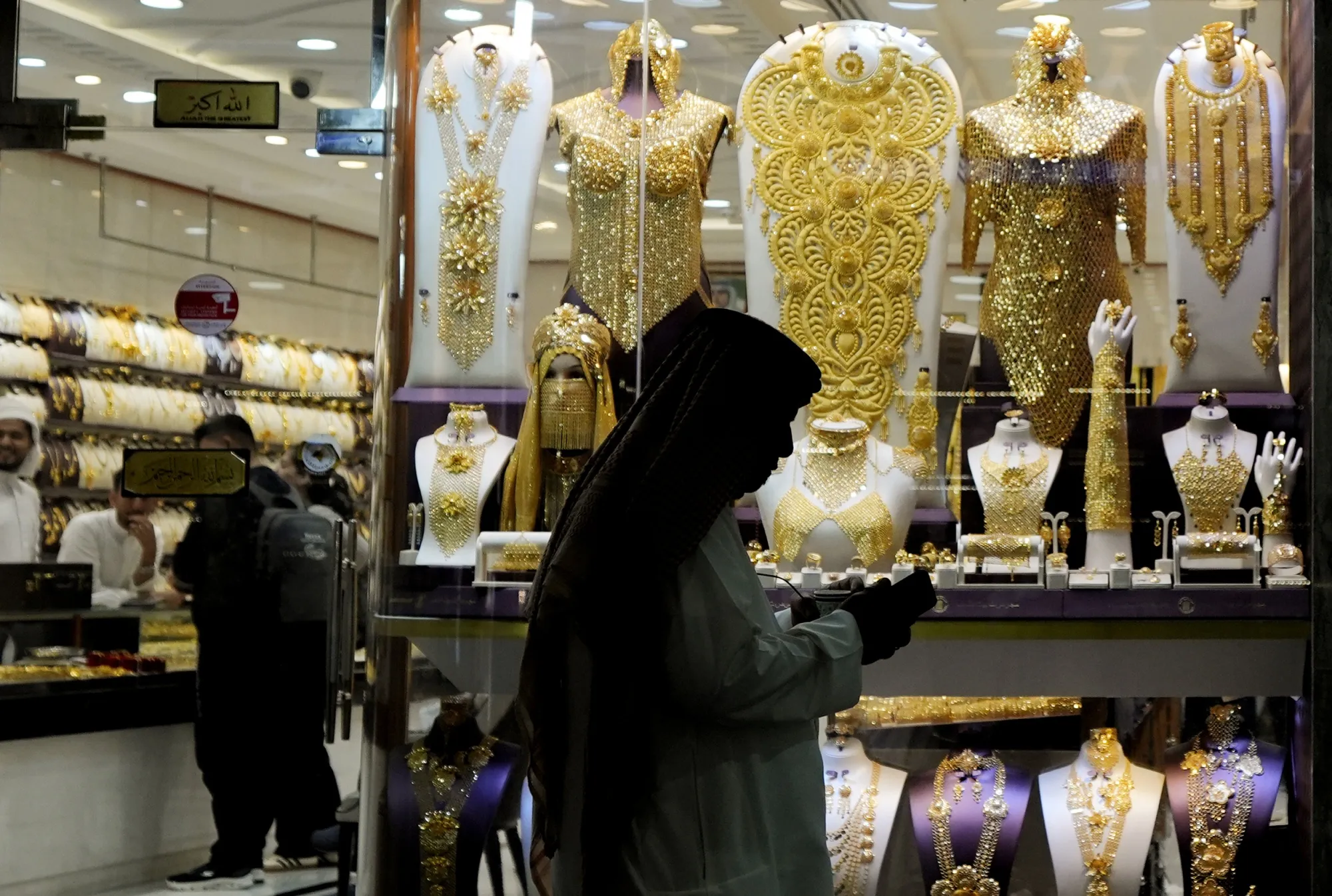
Tracking the Shadow Gold Trade
When investor demand sent gold prices to all-time highs this year, Africans rushed to cash in.
Exports hit records in multiple countries — sometimes doubling or tripling in value, according to trade data analyzed by Bloomberg.
But many of those nations have barely any gold to mine.
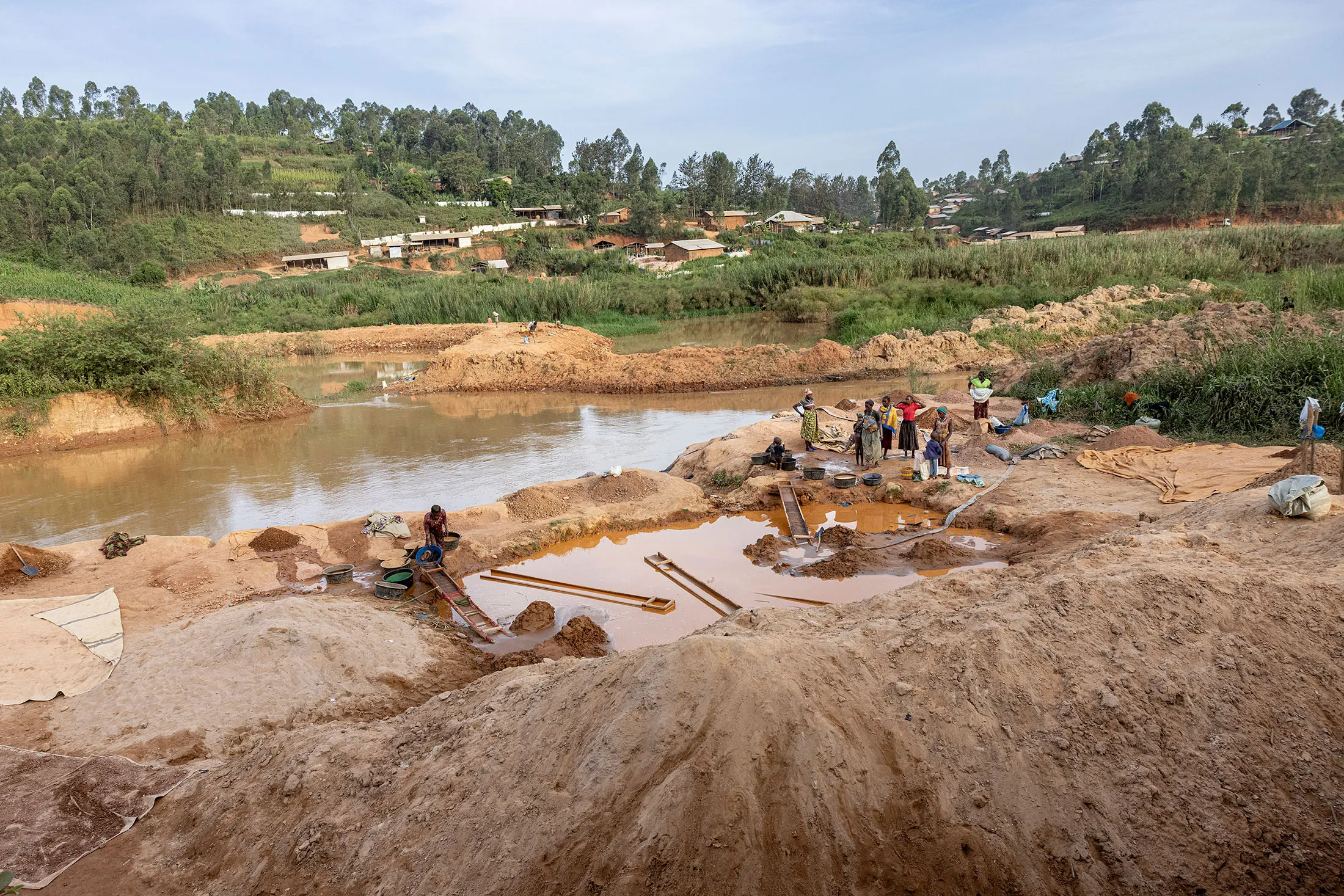
What some have in common are neighbors embroiled in conflict where gold smuggling is supporting some of the worst wars on earth — like Sudan and Democratic Republic of Congo.
The main destination for that bullion is the United Arab Emirates, a Bloomberg investigation found.
One refiner alone in Uganda was responsible for almost half the value of the nation’s shipments, which reached more than $8 billion in the 12 months through June.
Its supply chain mirrored parts of a network previously run by Belgian gold trader Alain Goetz, who was sanctioned by the US government in 2022 for trading gold out of war-torn eastern Congo.
Goetz denies any role or knowledge of the business, and Bloomberg found no public document showing he personally controls the company or directs its post-sanctions trades.
But the seeming resilience of the system shows how difficult it has been to sever conflict-linked precious metals from the global market, especially once it reaches the UAE, one of the world’s biggest bullion hubs.
The Gulf country’s wealth and growing clout as a geopolitical dealmaker and financial center have complicated any attempt to sanction companies doing business there, a former US sanctions official says.
The UAE told Bloomberg the nation’s regulatory framework complies — and in some cases exceeds — OECD guidelines on responsible sourcing, and that rules extend to refiners, recyclers and trading companies.
Still, the gold from Africa keeps flowing — reaching $99 billion last year.
What Everyone’s Reading
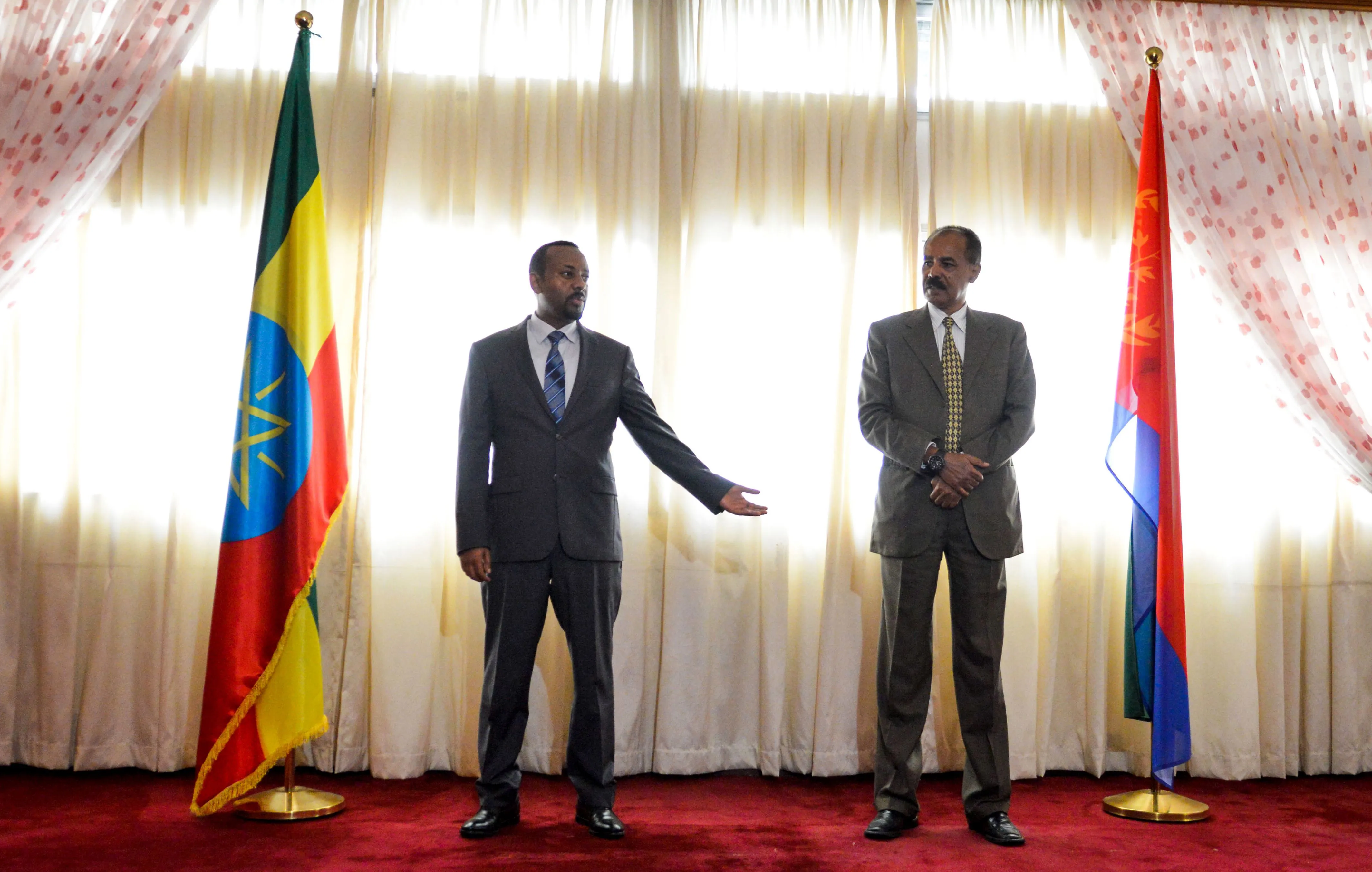
Eritrea cut diplomatic ties with Ethiopia and alleged “deplorable acts of hostility” by its neighbor, which is battling a rebellion in a region on their common border. Thursday’s announcement came hours after Ethiopia shut its embassy in Asmara following suspected drone attacks on its capital, Addis Ababa. The moves mark a potentially dangerous escalation in tensions in the Horn of Africa.
A Doctors Without Borders worker contracted Ebola while fighting Congo’s largest outbreak of the disease and is being evacuated to the Netherlands for treatment. Congo has recorded 8,224 confirmed infections and 3,982 deaths since the outbreak began in May, according to the National Institute of Public Health.
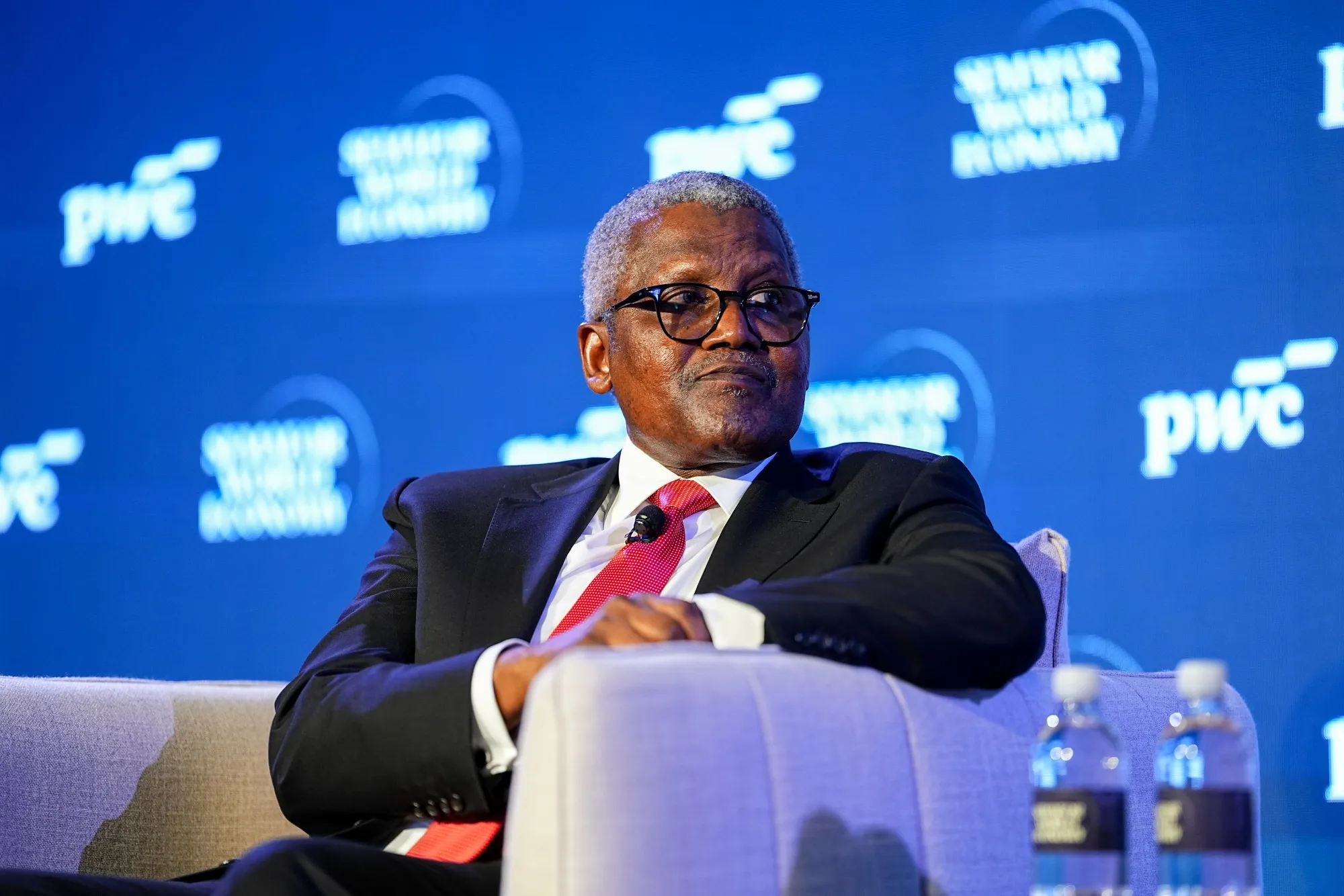
A Kenyan consumer-rights group filed a petition challenging billionaire Aliko Dangote’s oil refinery planned for the port city of Lamu, the second legal challenge to the $16 billion project. The Consumers Federation of Kenya argues that the 700,000-barrel-a-day facility violates the constitution because it failed to comply with the law governing public-private partnerships.
Senegal’s bilateral creditors agreed to establish an official creditor committee next week, clearing a key hurdle toward negotiations on restructuring the West African nation’s debt. The government is seeking to rework its external loans, including about $5 billion of eurobonds, and secure a new $2.2 billion IMF program.
Ghana Awards 5G License to Telecel After Ambani Deal EndedSouth Africa Delays Power-Grid Expansion Plan by Six Months
Next Africa Quiz — Which nation allegedly used spyware for years against critics at home and abroad, according to a new Amnesty International report? Send your answers to nextafrica@bloomberg.net.
What’s Coming Up
Oct. 5: PMI data for Egypt, Uganda, South Africa, Kenya, Zambia and Ghana for September; Uganda M3 money supply for August; second-quarter current-account balance; Tunisia consumer-inflation data for September; Ethiopia’s premier announces his new governmentOct. 6: Mozambique PMI for September; South African Reserve Bank’s biannual monetary policy review; briefing by Nigeria’s electoral commission; Kenya’s High Court rules on a Tata Chemicals lawsuit challenging a factory closure; the World Bank releases its Africa economic update Oct. 7: Kenya interest-rate decision; South Africa net & gross reserves for September; Ghana consumer-inflation data for September; Egypt net reserves for September; Mauritius gross reserves & consumer-inflation data for SeptemberOct. 8: South Africa manufacturing production for August; Tanzania interest-rate decision and consumer-inflation data for September; Namibia consumer-inflation data for SeptemberOct. 9: Bloomberg’s South Africa economic survey for October; Zambia’s president speaks at the opening of parliament; Kenya holds public hearings on the budget
Last Word
A minibus taxi drew up to a tavern in the town of Carletonville west of Johannesburg on Sept. 26 and eight men armed with AK-47 rifles got out and opened fire on patrons, killing 18 people. Hours later, 10 people were shot dead at an entertainment venue near Cape Town. While South Africa has long had one of the world’s highest homicide rates, the pattern of violence is changing. More people are being killed in mass shootings linked to increasingly entrenched organized crime rings. S’thembile Cele joins Jennifer Zabasajja on this week’s edition of the Next Africa podcast to discuss the scourge.

We’ll be back in your inbox with another edition on Monday. Send any feedback to nextafrica@bloomberg.net.
More From Bloomberg
Enjoying Next Africa? You might also like:
Businessweek Daily for fresh perspectives on business, economics, politics and techMarkets Daily for what’s moving in stocks, bonds, FX and commoditiesBalance of Power for the latest political news and analysis from around the globeBloomberg Money for insights, ideas and tools for doing more with your moneyAI Today for a chronicle of the disruptions and threats of AI on businesses, workers, finance and economies

 点赞
点赞 收藏
收藏 点踩
点踩 分享
分享