Trump Turns the Screws on Europe Over Energy Prices

Welcome to the Brussels Edition. I’m Suzanne Lynch, Bloomberg’s Brussels bureau chief, bringing you the latest from the EU each weekday. Make sure you’re signed up.
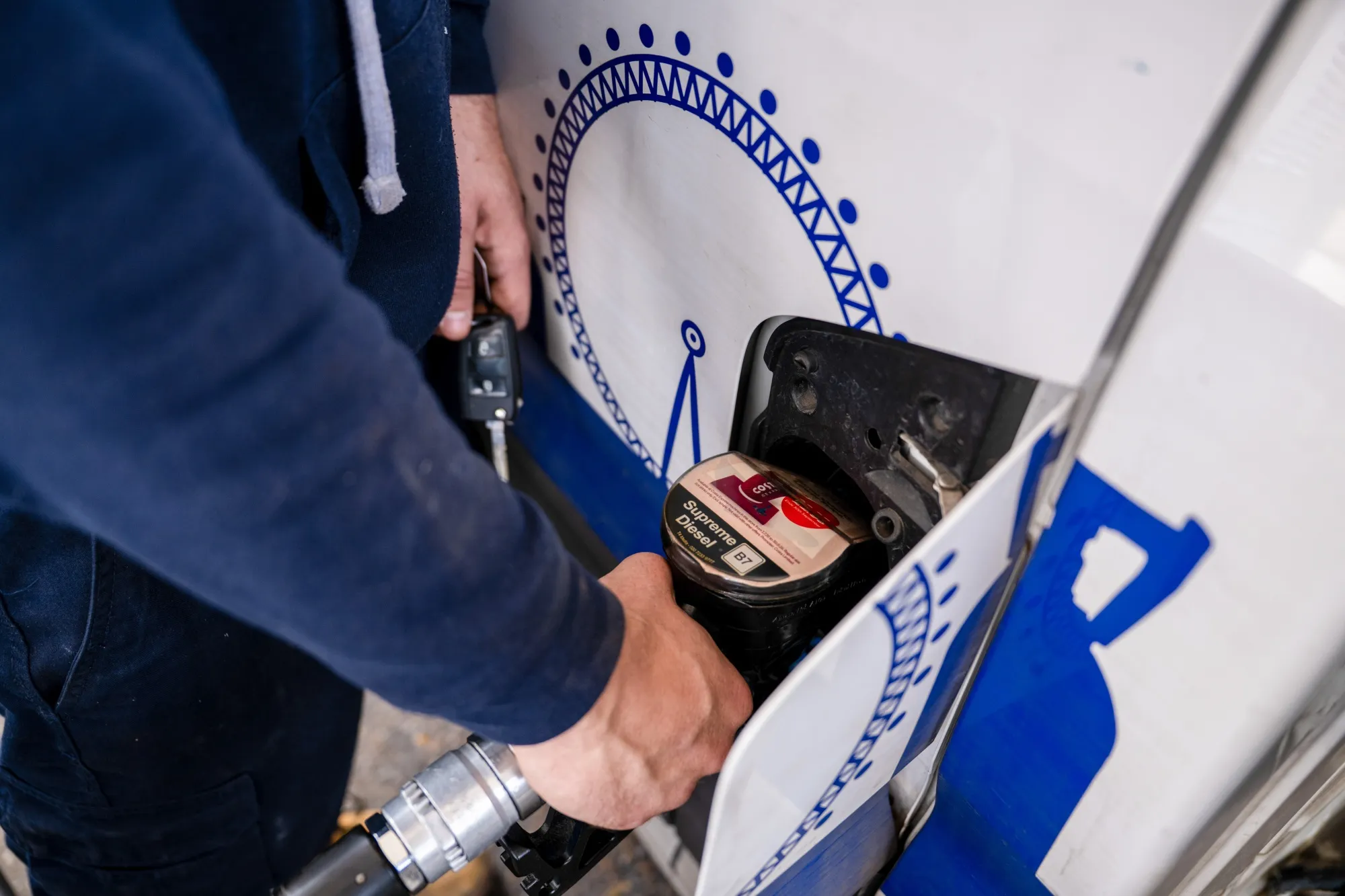
The transatlantic relationship has run into a fresh roadblock — this time over energy. As diesel prices soar, US President Donald Trump has been pressuring European governments to release some of their strategic fuel reserves, threatening an export ban if they don’t play ball.
“We’d love to have a collaborative response to this,” US Trade Representative Jamieson Greer told us. Treasury Secretary Scott Bessent was more forthright, saying Europe should speed up delivery of existing commitments and “make additional supplies immediately available.”
Europe, it now seems, is taking the American hectoring seriously. As John Ainger reports from Brussels, France presented a proposal today during a virtual meeting of the EU’s energy coordination group to release 100 million barrels of petroleum product — 50 million of diesel from Europe and 50 million of crude from International Energy Agency (IEA) member nations.
EU ambassadors have meanwhile been summoned to an unscheduled meeting later today in Brussels for talks on the diesel market.
That’s after French President Emmanuel Macron spoke with Trump and Canada’s Mark Carney overnight, and convened a G-7 meeting this afternoon to discuss the escalating crisis. There were also high-level talks yesterday between the European Commission and France, Italy, Germany and Ireland, which currently holds the EU’s rotating presidency.
After energy prices surged following the eruption of war in the Middle East, Europe has moved slower than the US in dispensing oil stocks, with Germany and Spain initially signaling reluctance to release more barrels. Germany’s economy ministry said any measures must be based on a “careful joint assessment of the situation” within international procedures, noting that Germany’s supply of crude and petroleum products is secure.
A major reason Trump is seeking to bring down prices is that the spiraling cost of fuel at the pump threatens to derail Republican hopes in next month’s mid-term elections. But his talk of an export ban is also drawing strong pushback from American energy companies.
As European countries, including the UK, scramble to respond to Trump’s demands, data published today showed the scale of the challenge facing Europe as it grapples with the energy-price surge.
Euro-zone inflation quickened more than expected to the highest in three years last month, bolstering expectations that the ECB will lift interest rates further.
The Latest
Spain could be heading for an early general election before the end of the year if, as expected, the government suffers defeat in parliament on housing legislation later today, with Socialist Prime Minister Pedro Sánchez calling it a “moment of truth.”Germany is studying legal changes to help prevent a repeat of UniCredit’s strategy for acquiring Commerzbank, when it was able to discreetly build large derivatives positions and surprise the bank and the government.In a strengthening of the EU’s regulatory scrutiny of the cloud sector, Microsoft’s Azure and Amazon Web Services are set to be designated under the bloc’s strict rulebook for Big Tech, sources say.Italy will pare back defense spending in a late change to its budget as it seeks to shrink the country’s deficit, sources say.Belgium’s five ruling parties are negotiating “in good faith” to reach a budget agreement, Deputy Prime Minister David Clarinval told us ahead of crunch talks this weekend.The Hungarian government has no plans to send military equipment to Ukraine, Deputy Foreign Minister Gyorgy Velkey said in an interview in Budapest.

Market SnapshotVolvo Car ABkr14.43-5.7%Market data as of 09:06 AM ET. Data is subject to provider delays.
Swedish automaker Volvo Car scrapped its full-year sales-volume and cash-flow outlook, warning of a significant hit to third-quarter earnings due to deteriorating conditions in China and a slower-than-expected US recovery.
Chart of the Day
For most of the euro’s history, investors took the view that France would muddle through repeated political and economic upheaval and remain a relatively safe bet. That idea no longer holds. The selloff in global debt has hit the single-currency region’s second-biggest economy harder and faster than anyone expected. Nerves are fraying about missed deficit targets, policy gridlock and presidential elections next year that could radically alter the country’s direction.
Coming up
Press Conference following meeting of EU Justice Ministers in Luxembourg this afternoonParliamentary elections in Latvia tomorrowElections in Bosnia on Sunday
Final Thought
Mikhail Fridman’s removal from the EU’s sanctions list may give the Russian billionaire a path to restoring some of his shareholder rights at his Europe-based group, but it’s unlikely to translate into a quick financial windfall. As of the end of 2025, the group had $21.5 billion in net assets under management and was holding almost $500 million in unpaid dividends owed to sanctioned shareholders, according to financial reports. But the 62-year-old Fridman may be hard pressed to recover the funds, according to our survey of five international sanctions lawyers.


 点赞
点赞 收藏
收藏 点踩
点踩 分享
分享