When France’s Spread Flashes Red


Bonjour et Bienvenue to the Paris Edition. I’m Bloomberg Opinion columnist Lionel Laurent. If you haven’t yet, subscribe now to the Paris Edition newsletter.
Le Spread
This week, the UK earned the dubious distinction of being the first big economy to see long-term borrowing costs hit 6%. But even if France’s haven’t hit that level, it’s proving the far more worrying fiscal crisis candidate of the two in markets’ eyes as investors head for the exit and the euro falls.
One explanation is not hard to miss: Successive French governments since 2024 have failed to get public finances back on track and this year will be no different. The most widely used barometer of French fear, “Le Spread,” shows it. Even as bond yields rise everywhere, the specific risk premium applied to French debt relative to Germany’s is at its widest since the euro debt crisis.
The other reason tempting creditors to stay away is that whoever wins next year’s presidential elections may be either unwilling or unable to get a grip. The latest polls show Marine Le Pen’s National Rally and Jean-Luc Melenchon’s France Unbowed — respectively advocates of lowering the retirement age and burning the debt — riding high. It’s still too early to count out the political center but the mood is febrile. Le Pen protege Jordan Bardella’s popularity also seems to be holding up despite antisemitism allegations (which he denies.)
The next risk is that things get even more unstable before the election’s first round in April. Out on the streets, the far left’s favorite battleground, a wave of student protests over a lack of teachers and investment has led to hundreds of people injured. And in parliament, where the far right has wielded its power to topple prime ministers in the recent past, the government faces the arduous task of finding support for a new budget that includes €43 billion of belt-tightening measures.
European partners are watching closely as contagion risks rise. France is the euro area’s No. 2 economy and the capacity for ‘whatever it takes’ crisis responses is running low. There are still some possible levers left to pull — from domestic financial institutions buying more debt to rolling out credible deficit-curbing measures — but it all feels very uncertain. The old assumption was that Emmanuel Macron was a classic French case of “apres moi, le deluge.” It now looks like the deluge is already here.
Must-Read Stories
The French government unveiled plans to sharply narrow the budget gap by cutting spending and raising tax revenues, kicking off a debate that could topple the prime minister and stoke investor concern over the country’s debt. The country’s fiscal watchdog warned that the economic assumptions in the 2027 draft budget are “optimistic.”
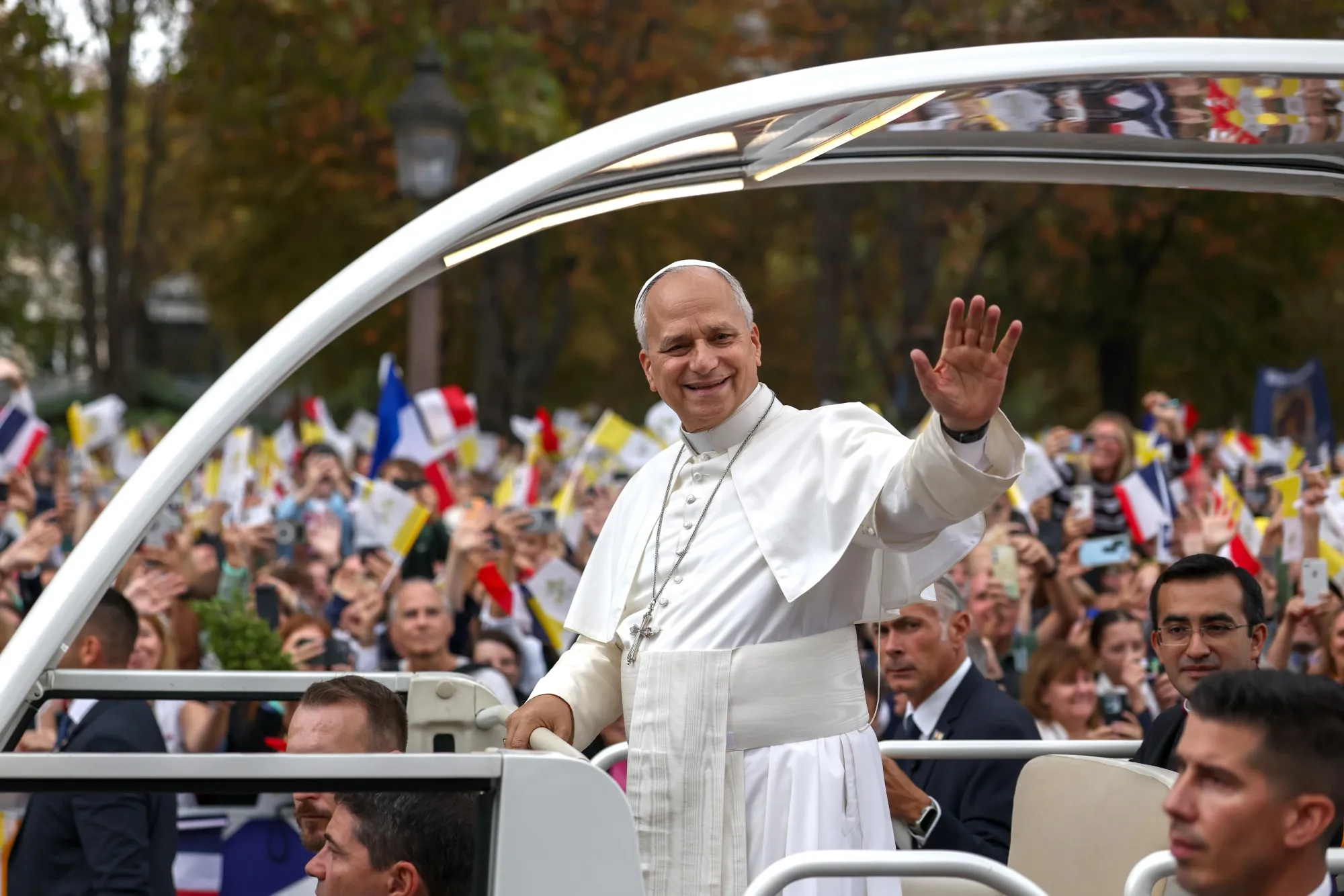
France’s bond crisis deepened, with a selloff in global debt fueling a rout that’s hitting the country’s paper particularly hard. France’s 10-year yield has risen more than one percentage point since June, in its worst quarterly performance since the birth of the euro. Hedge funds are betting the euro will weaken against the dollar as political and fiscal risks mount in France.France is planning to sell a record amount of bonds in 2027 as the government seeks to fund a wide budget deficit and replace a large chunk of maturing debt. The nation’s debt agency sees a total of €340 billion in issuance of medium- and long-term debt net of buybacks next year. French public service employees protested Tuesday over their falling purchasing power, saying wages and pensions are failing to keep pace with constantly rising costs of fuel, rent, and groceries. Separately, demonstrations by secondary school students over crumbling school buildings, teacher shortages and overcrowding are widening and getting increasingly violent.In corporate news: Air France-KLM and Deutsche Lufthansa raised their offers for a minority stake in TAP Air Portugal. A Renault-backed French battery maker is asking creditors for more flexibility. Sanofi and Regeneron Pharmaceuticals are expanding their partnership. Stellantis is temporarily suspending operations at some plants in France. TotalEnergies will return billions of dollars more to investors as it rides a wave of growing production and high fuel prices. Pope Leo XIV made a four-day trip to France, the first state visit to the country by a pontiff in 18 years. The American pope, who held masses in the country, also voiced concerns over advances in AI and other technologies, saying that they must remain in the service of people rather than become instruments of domination and injustice.
The Week Ahead
Tuesday: French August industrial and manufacturing production; budget balance
Wednesday: French August current account and trade balance; Macron attends MED9 summit in Split, Croatia
Thursday: BPIFrance conference; Air France-KLM CEO Benjamin Smith among speakers at Airlines for Europe presser in Brussels
For Your Pursuits
How do you buy your very first Rolex? Having the money is only the beginning, says Chris Rovzar, providing pointers on navigating wait lists, authorized dealers and the booming secondhand market to get the watch you want.

More from Bloomberg
Markets Daily for what’s moving in stocks, bonds, FX and commoditiesBrussels Edition for a daily briefing on what matters most in the heart of the European UnionMoney Distilled for John Stepek’s daily newsletter on what market moves mean for your moneyDeals for the latest news and analysis, from IPOs to startup investingExplore all newsletters at Bloomberg.com.

 点赞
点赞 收藏
收藏 点踩
点踩 分享
分享