Carney Invokes New Powers to Fast-Track West Coast Oil Pipeline

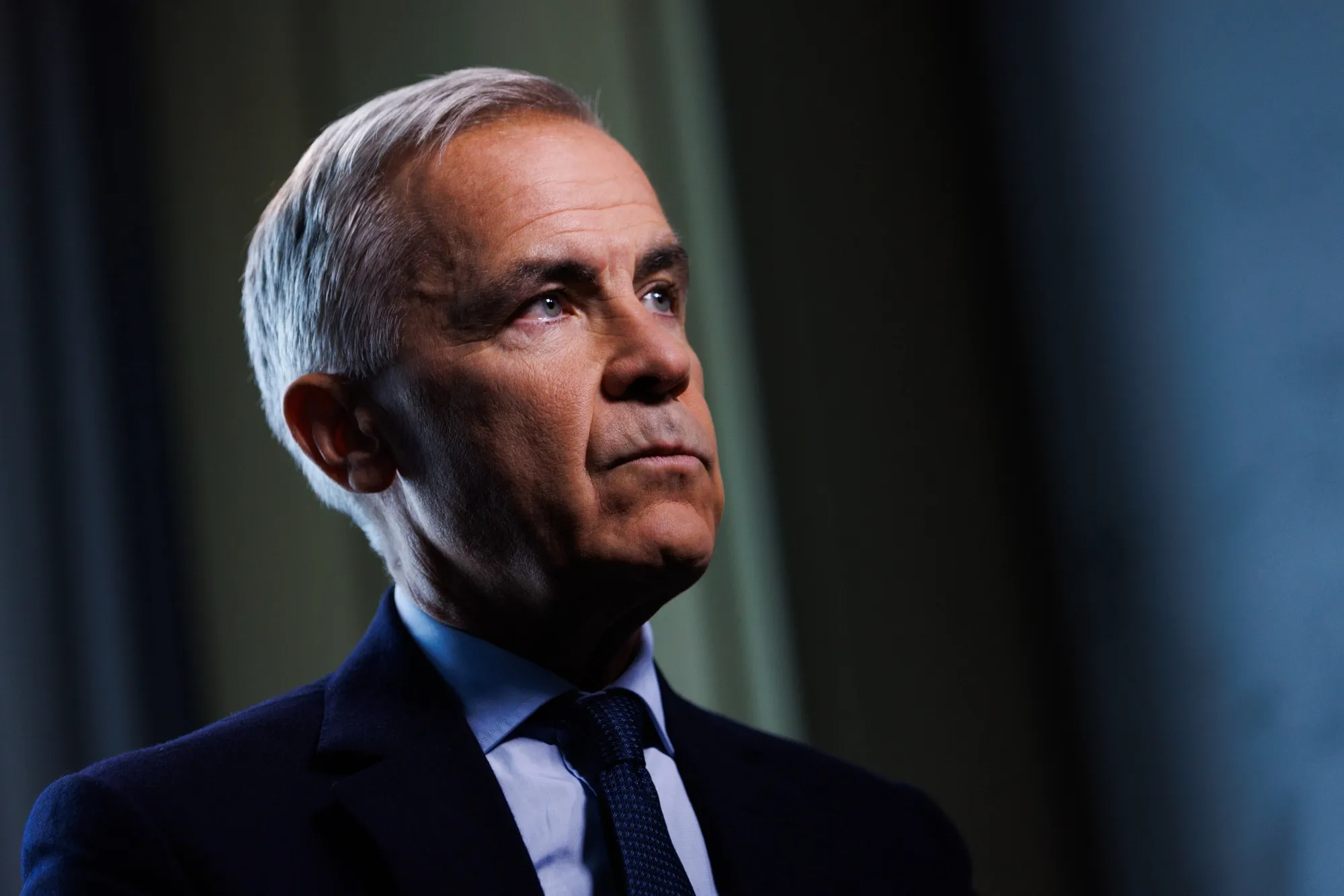
Prime Minister Mark Carney is expediting regulatory approval for a new, high-capacity oil pipeline to expand Canada’s access to Asian markets, with the aim of starting construction in September 2027.
On Thursday, Carney announced his government is designating the pipeline a “project of national interest,” invoking legislation passed last year that grants ministers extraordinary powers to move such projects forward.
Designating the pipeline effectively deems it approved and shifts the regulatory process toward setting conditions around its construction. It also allows the federal cabinet to exempt the project from many laws and regulations, if it deems necessary.
Still, the project will likely face political opposition and legal challenges from environmentalists and some Indigenous groups. It will traverse difficult, mountainous terrain that caused major cost increases for the last pipeline built along the route, the Trans Mountain expansion.
The pipeline will be operated by a new company jointly owned by the Canadian and Alberta governments, along with Calgary-based Pembina Pipeline Corp. holding an initial 10% stake with an option to increase that to 20%. A further 10% ownership, at minimum, will be offered for purchase to Indigenous groups.
Trans Mountain Corp. — a pipeline operator owned by the Canadian government, and which built the Trans Mountain expansion — will lead the project development.
“Today, 90% of Alberta’s oil goes to the United States. Pacific Link will materially reduce that dependence by allowing Canada to export an additional one million barrels a day to growing markets in Asia,” Carney said in prepared remarks.
“A pipeline to the west coast is part of our mission to transform our economy — to double our non-US exports over the next decade, to create tens of thousands of good jobs, to unlock our full potential as a global energy superpower, and to catalyze billions of dollars of new investment into the Canadian economy.”
The pipeline is a core element of Carney’s strategy to diversify exports beyond the US as President Donald Trump hammers Canada with tariffs. Historically, nearly all of Canada’s energy exports have gone south, but that began to change in May 2024 when the Trans Mountain pipeline expansion opened, dramatically increasing Canada’s west-coast export capacity.
The project is also meant to show support for Alberta’s oil sector ahead of a critical referendum on Oct. 19, when the province will vote on whether to move toward independence. Separatist sentiment in Alberta stems in part from the belief that the Canadian government has knee-capped its oil sector through onerous environmental regulations — particularly under Carney’s predecessor, Justin Trudeau.
A government official, speaking to reporters on background, said private investors are still watching to see how this new legislation plays out before committing to ownership of the pipeline. But if everything goes to plan, the government expects to see more private-sector interest, the official said.
“Over time, the way we built became weighed down by well-intentioned, but arduous, often duplicative, regulatory processes,” Carney said. “To build at scale and speed again, we must do things differently.”
Alberta Premier Danielle Smith said the designation of the pipeline as a national interest project “sends a clear message: Canada is ready to build again.”
The Alberta government has estimated the project could cost between C$35.2 billion ($24.7 billion) and C$43.7 billion to build if investment is green lit within three years.
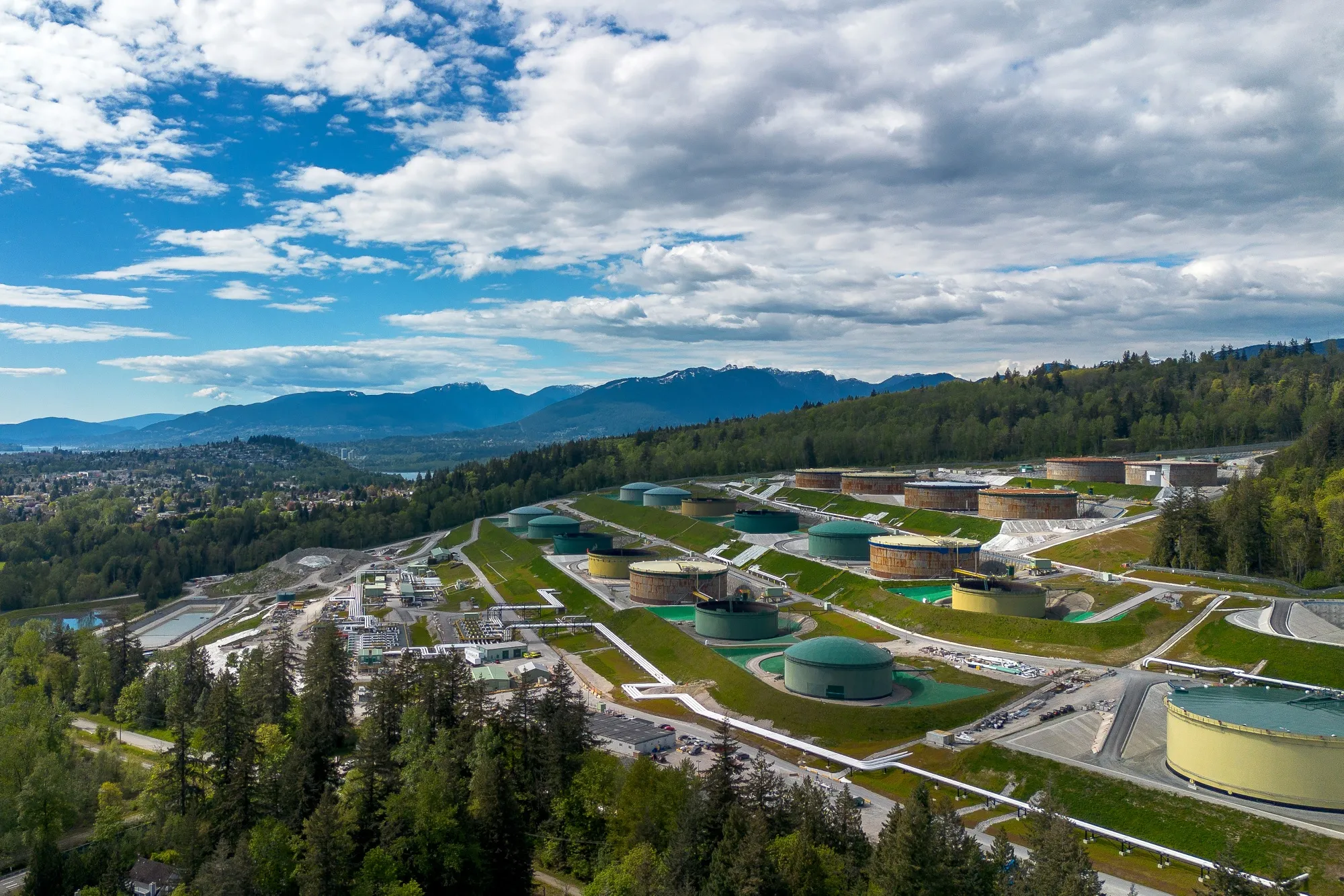
The Pacific Link, as the project is formally known, will connect Alberta’s northern oil sands to a new terminal near Vancouver, where it will ship as much as a million barrels of bitumen per day for loading onto tankers bound for the Pacific Ocean.
Along with the pipeline, the government is also pushing the construction of a large carbon capture system in Alberta’s oil sands. Carney has tied the two projects together as a “grand bargain” meant to grow Canada’s energy exports to Asia while still lowering the emissions intensity of the country’s oil production.
Unease in Alberta Deepens as Carney Stares Down Vote to SeparateTrans Mountain Seeks to Diversify Asian Buyers of Canada’s OilCanada Strikes Deal to Start Building Oil Pipeline in 2027
The pipeline’s proposed route will largely follow the existing Trans Mountain route through the Rocky Mountains, but will require a different terminus point near Vancouver. The project envisions a new deepwater port capable of receiving Very Large Crude Carriers, which would improve the economic case for shipping to distant destinations such as India.
The new terminus will likely also spark opposition due to the significant increase in tanker traffic to Vancouver. On Tuesday, Carney tried to ward off some of the concerns by pledging C$1.2 billion in funding for ocean and marine conservation, including expanded capacity to monitor shipping traffic and limit ocean noise, as well as creating a national marine-mammal oil spill response plan.

 点赞
点赞 收藏
收藏 点踩
点踩 分享
分享