War Exposes the Cost of the West’s Retreat From Oil Refining

When Dev Sanyal joined the oil industry in the late 1980s, the Berlin Wall was still in place and Nintendo released the Game Boy. Brent crude oil cost about $15 a barrel.
Since then, the process of making fuel has been at best an afterthought for policymakers in Europe, who’ve let oil refineries shutter and outsource the supply of fuels like diesel and gasoline. Even in the US, currently the world’s biggest oil producer, processing plants have closed, raising the cost of fuel in some parts of the country more than others.

That dwindling capacity has now collided with geopolitical upheaval. Diesel futures in Europe are near $200 a barrel, while US retail costs hit a record of more than $6.50 a gallon. Brent is hovering above $100 a barrel. The price surges, brought on by the Iran war and exacerbated by Ukraine’s attacks on Russian refineries, is finally bringing fuelmaking into government focus, Dev Sanyal, who runs European fuelmaker VaroPreem, said in an interview in London.
“People talk about pipelines as critical infrastructure,” said Sanyal, whose company supplies 10% of Europe’s transport fuel. “People never talked about refineries as critical infrastructure. They’re definitely using that expression now.”
The global need for fuelmaking has rarely had more political and economic importance. US President Donald Trump recently threatened an export ban despite warnings from industry leaders and even some cabinet members. Such a move would batter allies from South America to Europe.
Central banks are fretting that surging diesel prices will lead to sustained inflationary pressures, and the need for further interest-rate hikes, with the fuel essential to everything from transport to food production and travel. Energy price surges have also fed into a global bond selloff.
Refiners, for their part, are doing as much as they can to lift output, particularly of diesel.
Europe’s largest oil refiner TotalEnergies SE said that it has delayed maintenance at one of its plants that was due to begin in days in order to keep supplying barrels to markets.
It’s a similar picture from Spain to Poland to Greece, where processors have already delayed planned work as fuel prices vastly outpace gains in crude.
The largest refinery in the United States, a Texas behemoth owned by Saudi Aramco capable of processing over 640,000 barrels of oil each day, postponed work scheduled for the fall by a year. Other smaller refiners did the same.
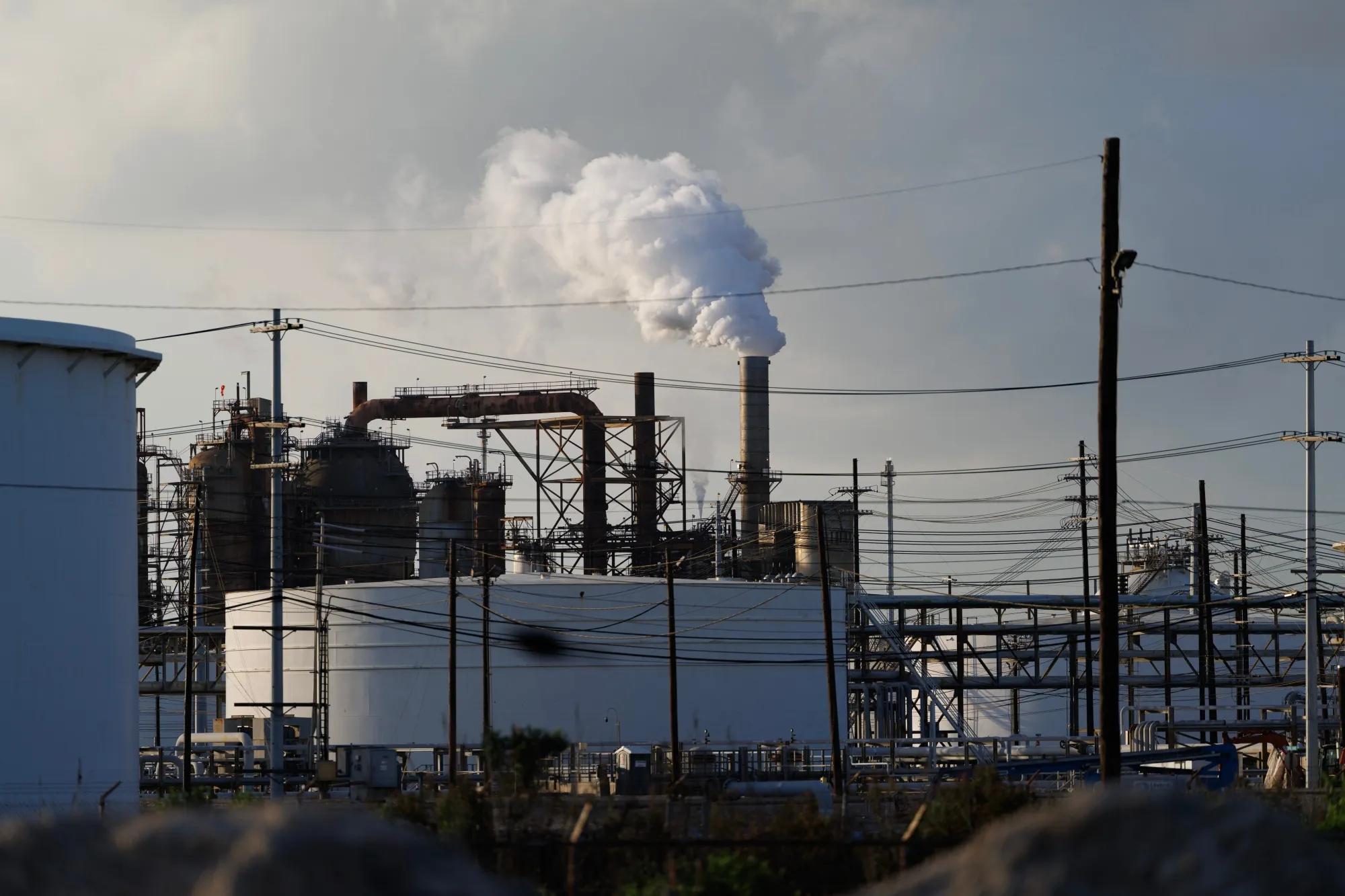
Current prices are a profit bonanza for plants that turn crude into motor fuels like gasoline and diesel. By one rough industry proxy, doing so can make more than $60 a barrel. The top three US refiners made over $10 billion of profit in the second quarter alone.
The so-called crack spread — the premiums oil refiners make when they turn crude into consumable products — has even found its way into the lexicon of cental bank chiefs.
“For the voluntary and flexible maintenance, we are delaying as much as possible on one side to be able to continue supplying our markets,” said Luis Cabra, deputy chief executive officer of Spanish oil refiner Repsol SA. “On the other side, margins are very good.”
Read More:Oil Refiners Are Testing Limits In Risky Bid to Capture ProfitsUS Gasoline Supplies Hit 12-Year Low as Fuels Crisis Rages OnEnergy Markets Signal Winter Crisis and Rising Interest Rates
Several senior commodity traders say they see signs that refiners in Europe and the US are running at full-tilt to try and meet demand. Delays to maintenance are helping to sustain fuel production in markets that need it, but that also brings the risk of breakdowns or bigger refinery disruptions next year.
In the US, home to one of the world’s largest refining industries, plants are processing the most crude ever for this time of year, churning through almost 17 million barrels a day.
That’s all to say, the refined fuel crunch doesn’t have an easy fix.
The Iran war and Ukraine-Russia conflict have wiped out millions of barrels a day of oil-refining capacity and shipments. Even if crude flows can be restored, there just aren’t enough working plants in the world right now to turn that raw crude into the everyday products consumers need.
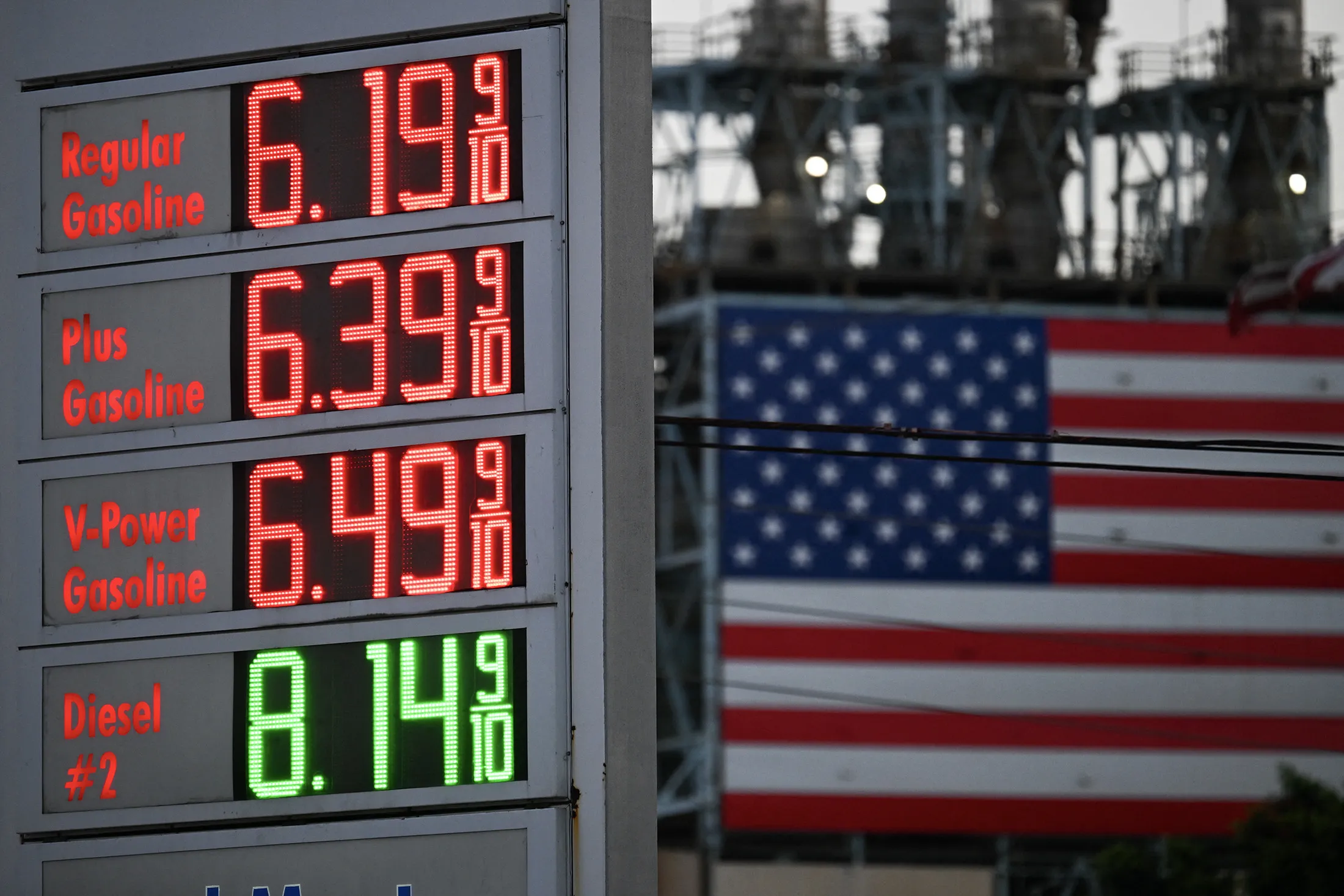
As refining becomes increasingly political, governments are looking for ways to both boost output and tame prices. French President Emmanuel Macron has asked the European Union to consider relaxing fuel specifications while Italy’s government has summoned the nation’s oil refiners for talks.
European refiners also have constraints on how much maintenance can be moved. “Delaying maintenance beyond technically justified limits may increase the risk of reliability issues or unplanned downtime,” Polish refiner Orlen said.
Similarly, US political leaders are pulling domestic levers to try and lower prices, including effectively removing federal taxes of about 24 cents on the sale of diesel by allowing the wider use of off-road or red dyed diesel.
Some Republican lawmakers have also called for a ban on exports, a move experts say would offer only temporary domestic relief before pushing up costs for all fuels, including gasoline.
“Implementing a blanket export ban would likely trigger intense global competition to secure alternative diesel supplies, leading to heightened volatility and uncertainty in international energy markets,” Nitin Jindal, head of global commodities at Goldman Sachs said on the sidelines of a commodity conference the bank held in Paris.
US Energy Secretary Chris Wright this week criticized European nations for not releasing more diesel earmarked for emergency reserve releases with the IEA earlier this year.
The risk, however, is that as the world scrambles for every barrel it can get, high prices in the West give way to even bigger crises in poorer nations. Nigeria last week reported that its gasoline demand was down almost 15% versus a year earlier, for example.

“As a refiner, I just don’t want to give the impression that we’re popping champagne corks on this high margin environment,” said David Bird, Chief Executive Officer of Dangote Petroleum Refinery and Petrochemicals FZE, Africa’s largest oil refinery. “But if developed countries hit demand destruction because of price, imagine what’s going on in less developed parts of the world.”
Meantime, while the West has scaled back fuelmaking, oil refineries in Asia are looking somewhat insulated from the same crisis that’s hitting Europe. They could even offer some relief.
Across Asia, plants have been able to secure much of their crude oil feedstock for the coming months, so they’ll be able to keep making fuels even with continued disruptions to shipping in the Persian Gulf. Among producers, India has said it intends to keep honoring overseas contracts for diesel, while China — typically a major exporter — has eased curbs on flows seen earlier in the conflict. Elsewhere, Japan’s exports may also rebound.

 点赞
点赞 收藏
收藏 点踩
点踩 分享
分享